




Russia-North Korea Military Alliance | Sanctions Risk & Supply Chain Disruption for Cross-Border Sellers
- Deepened Russia-North Korea military cooperation signals escalating sanctions risk affecting payment processing, sourcing from Asia-Pacific, and market access for 50K+ cross-border sellers



!role~Preview!mt~photo!fmt~JPEG%20Baseline)










Overview
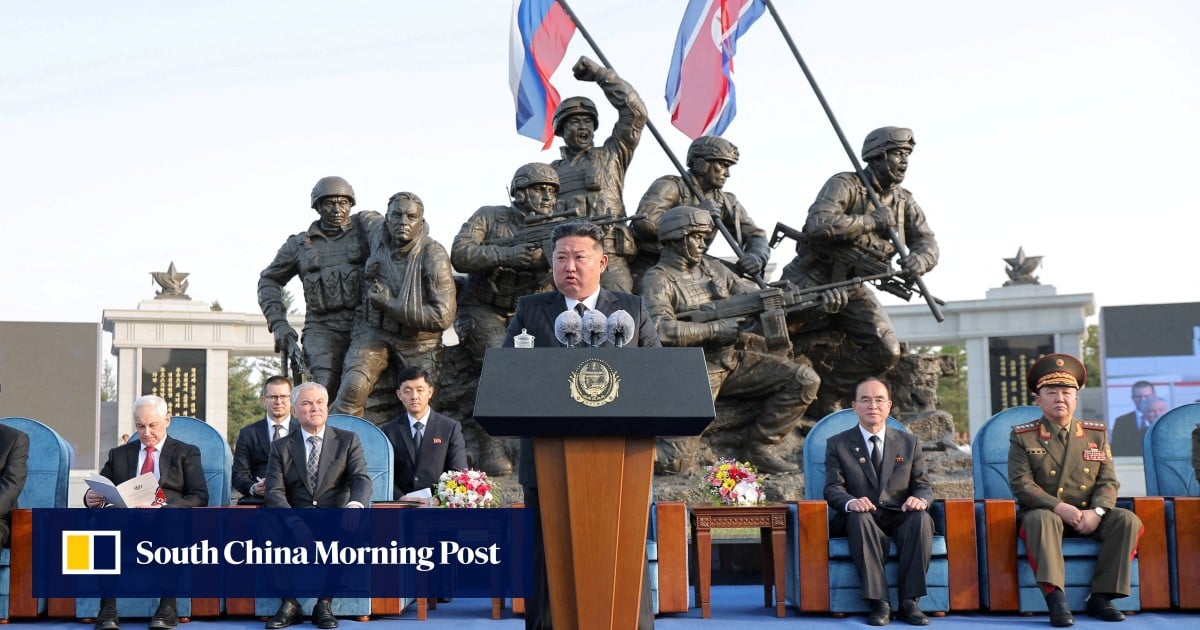
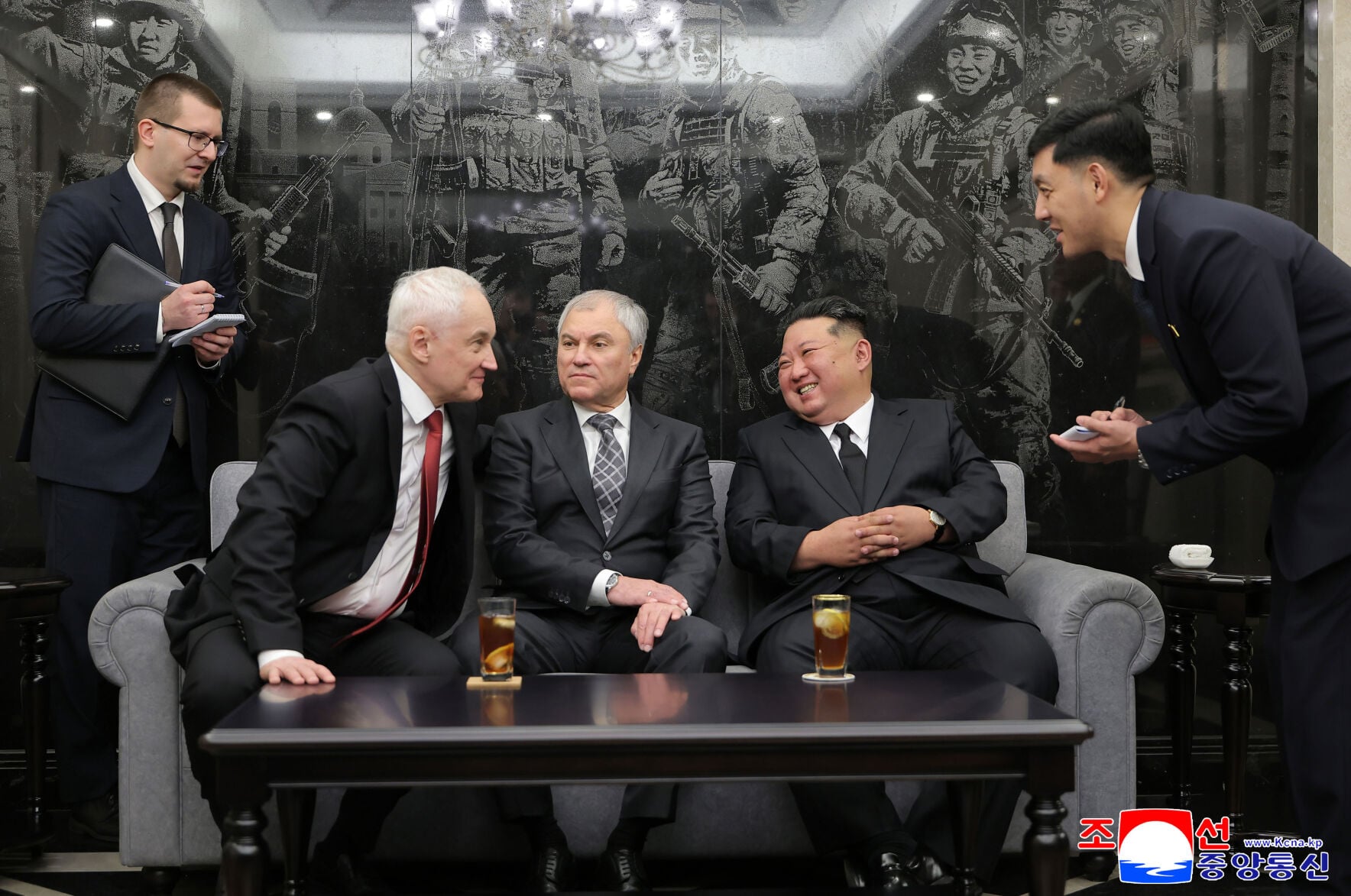
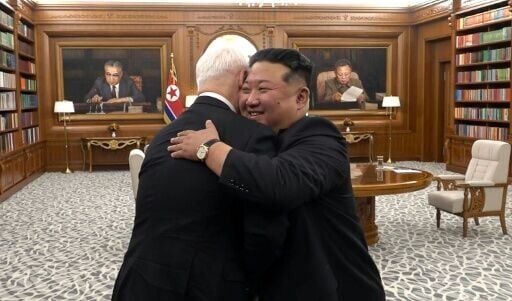
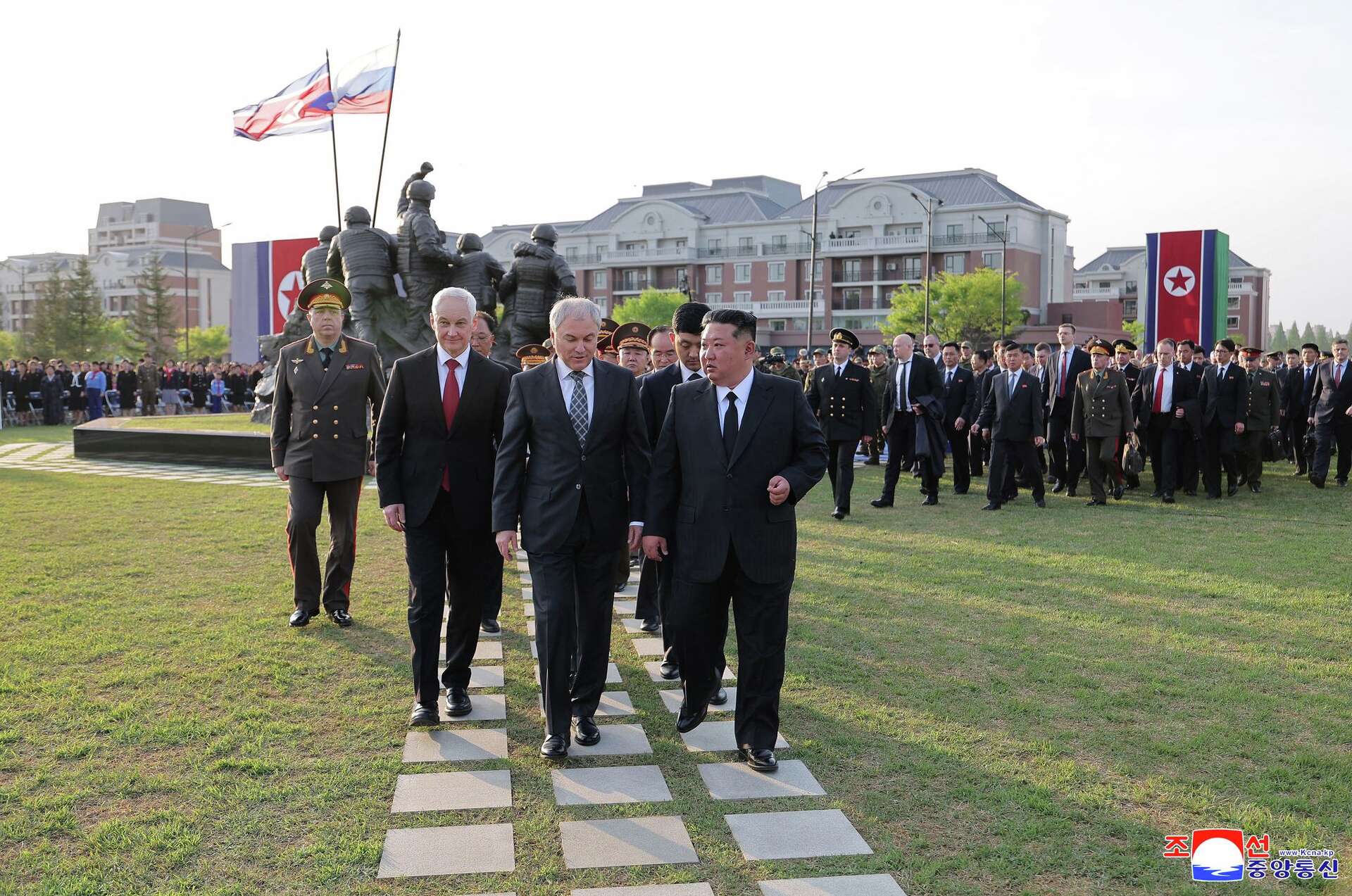
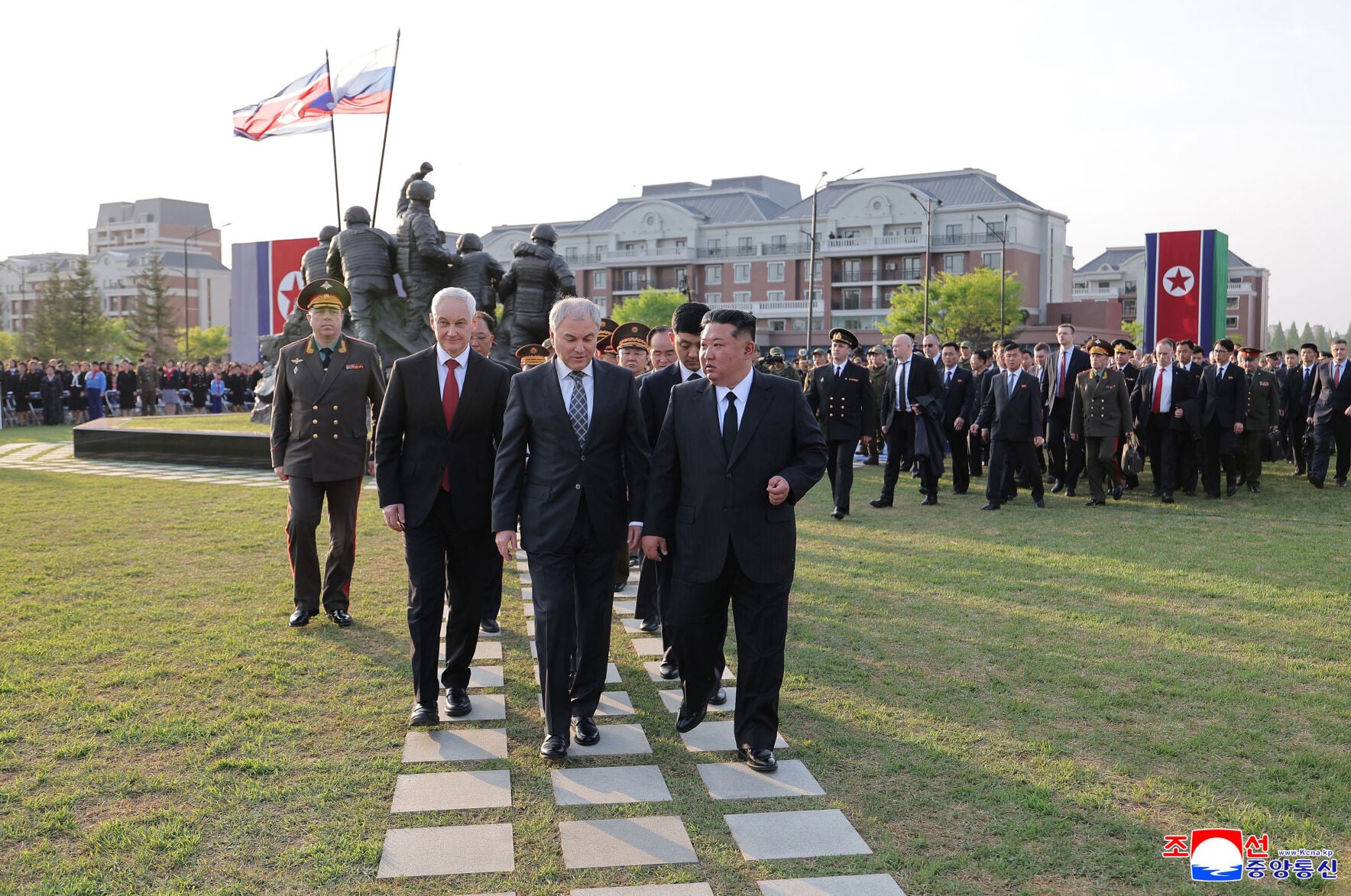
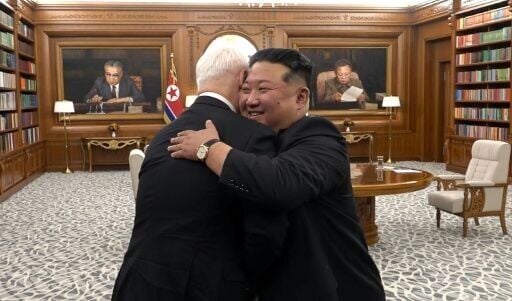
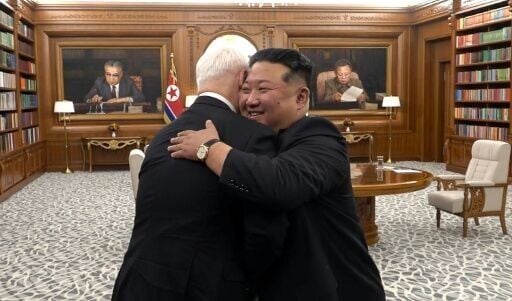
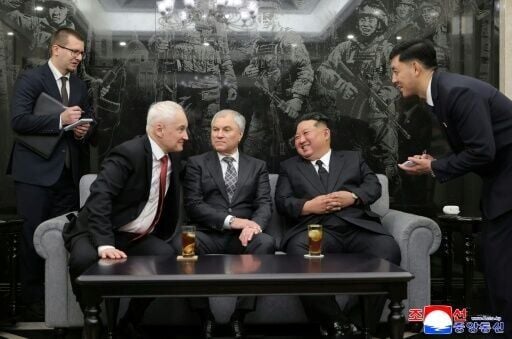
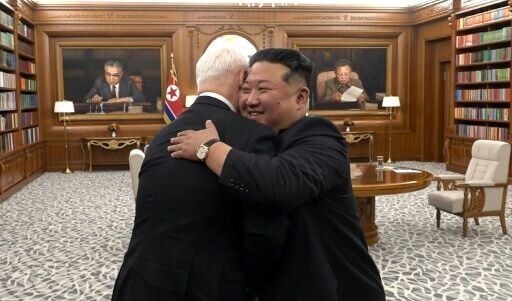
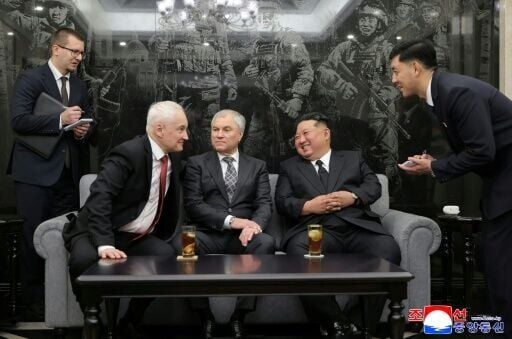
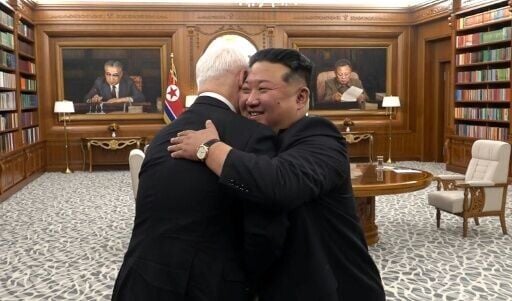
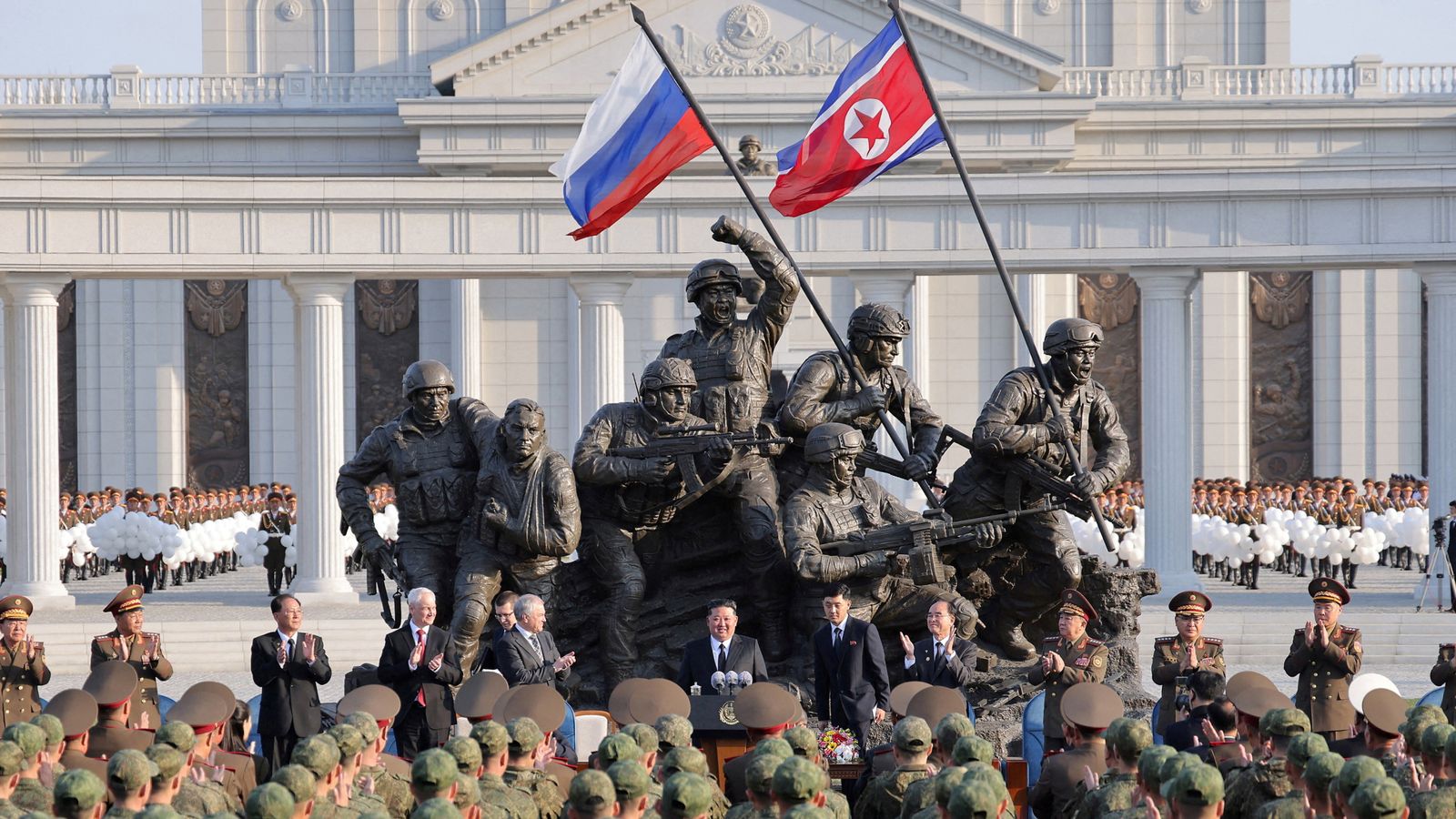
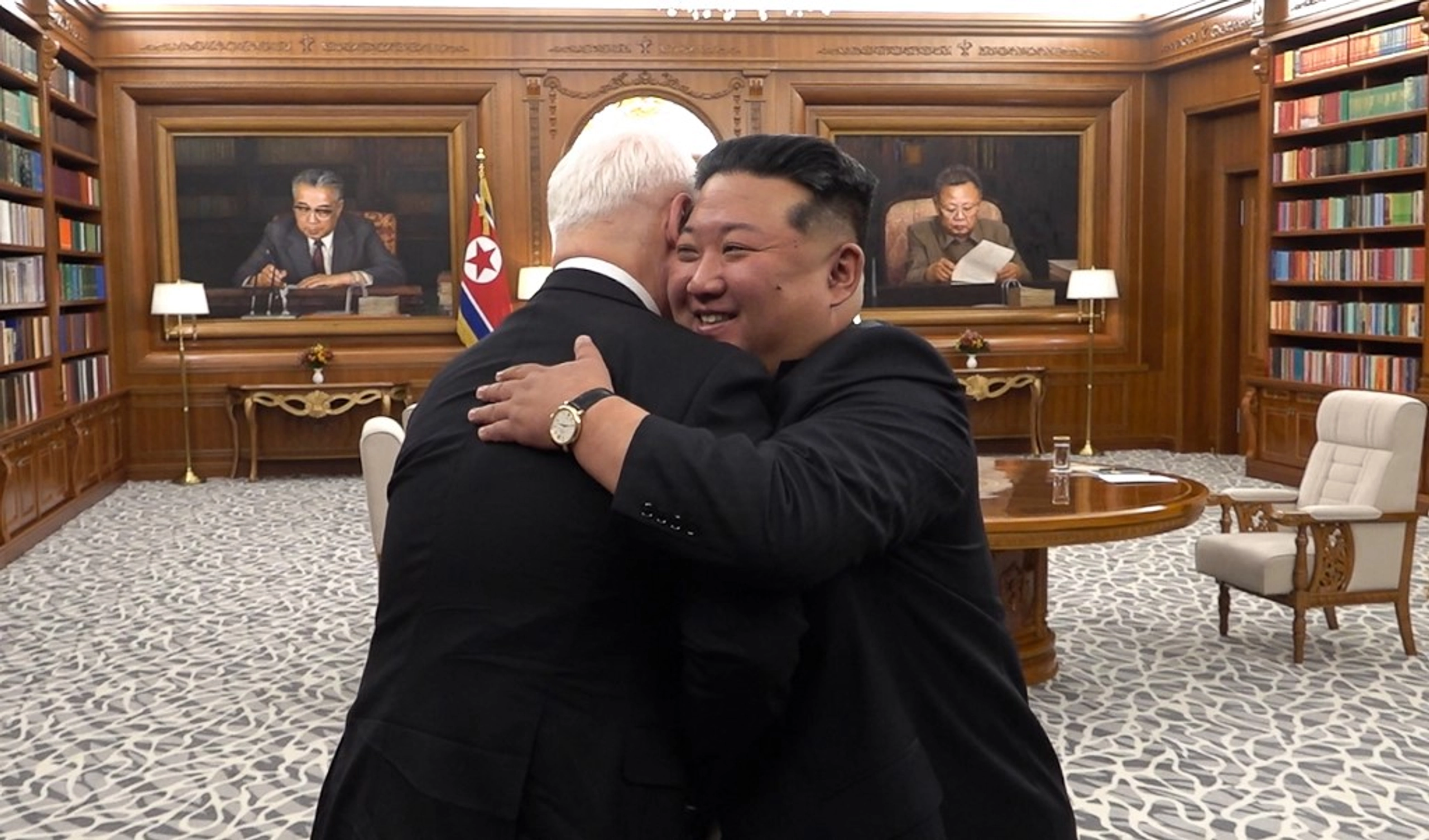
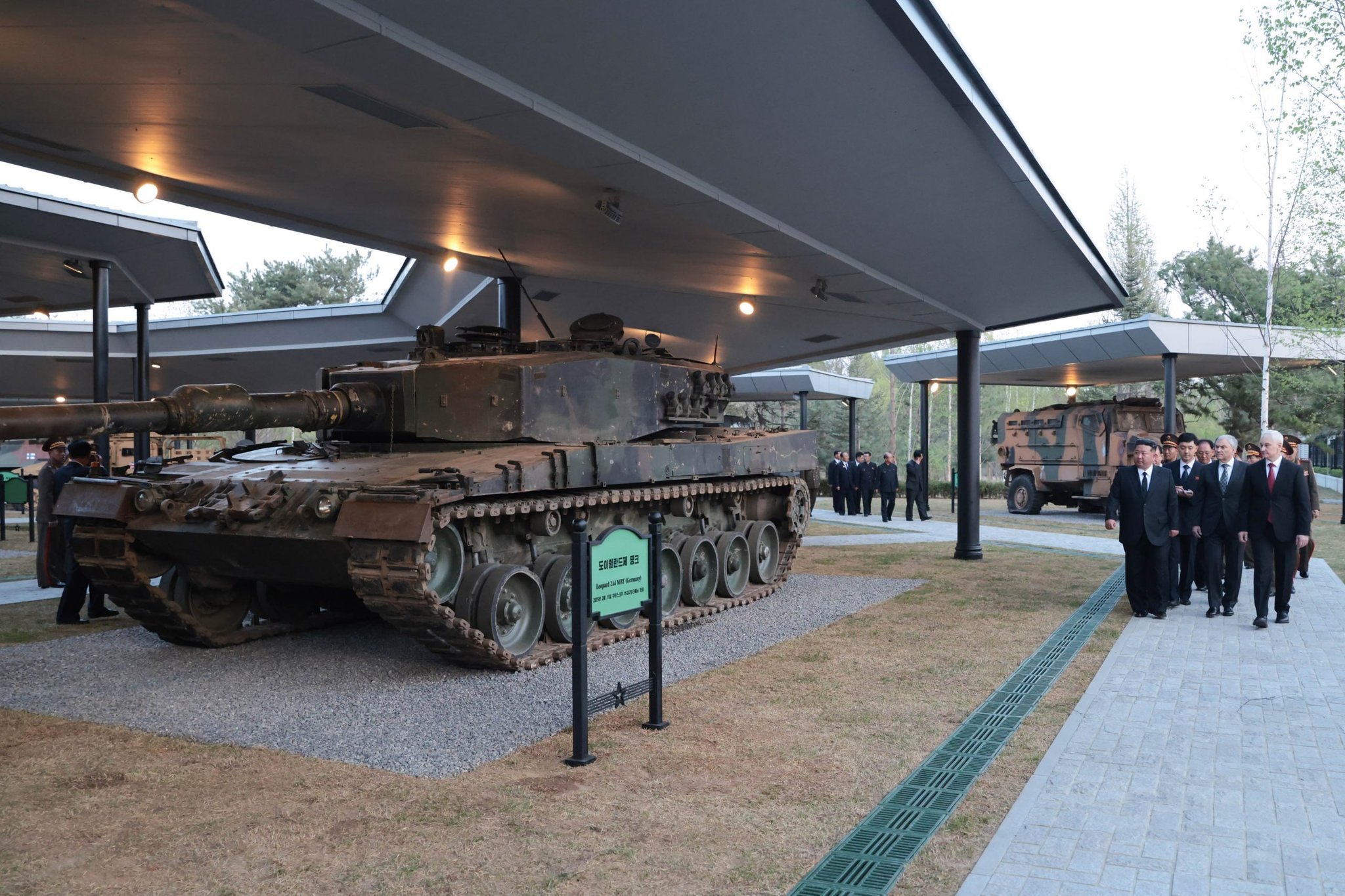
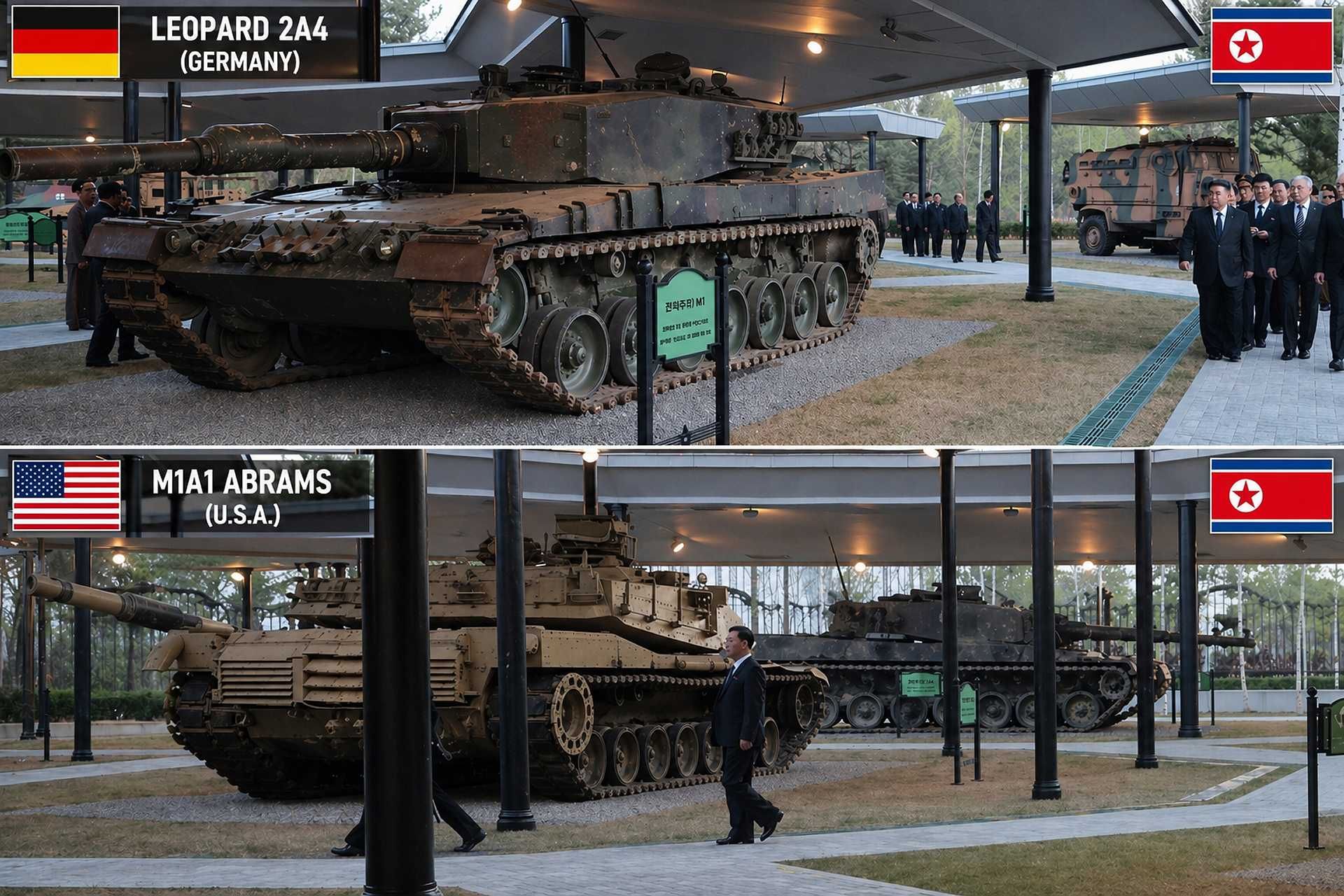
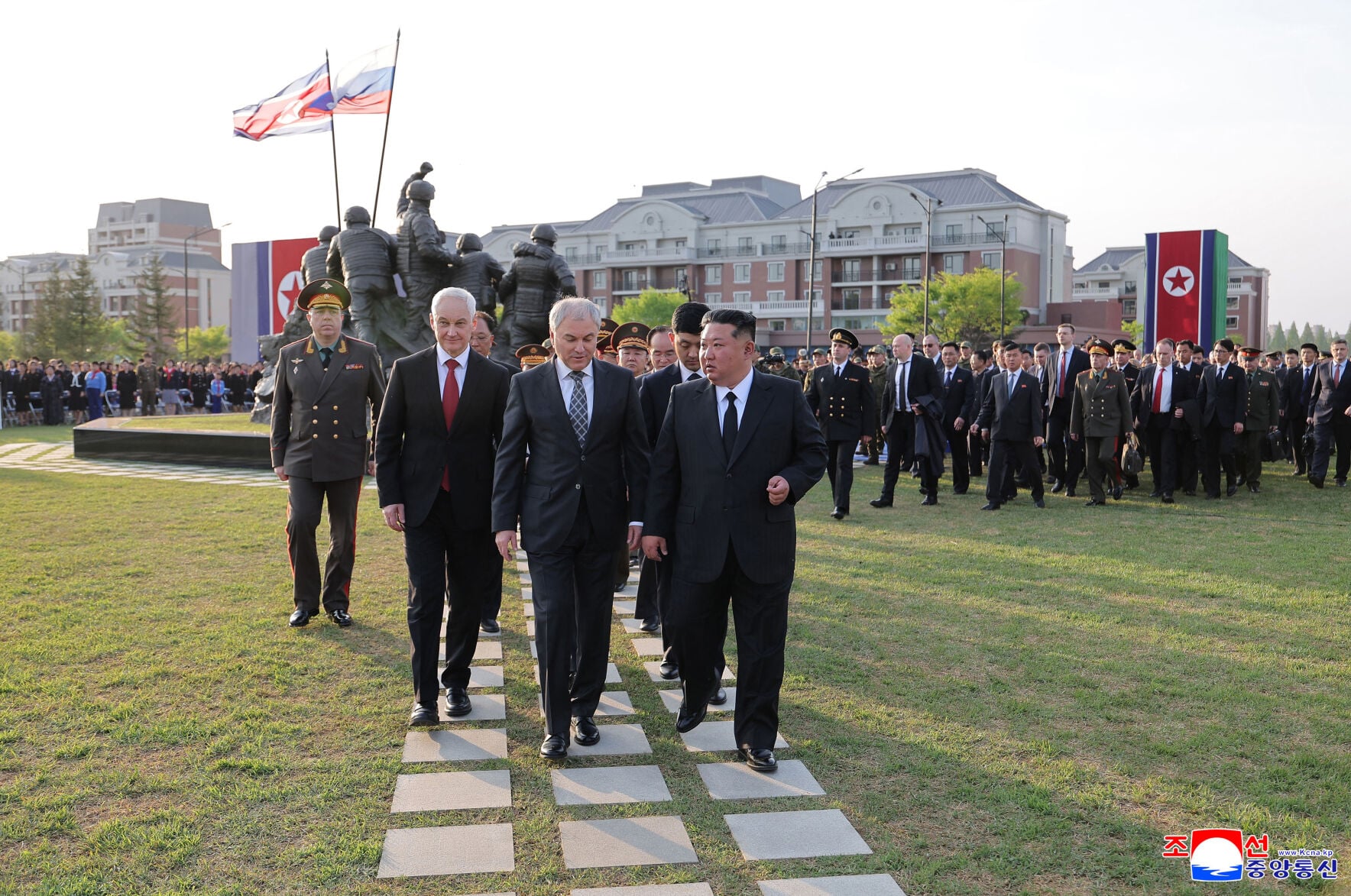
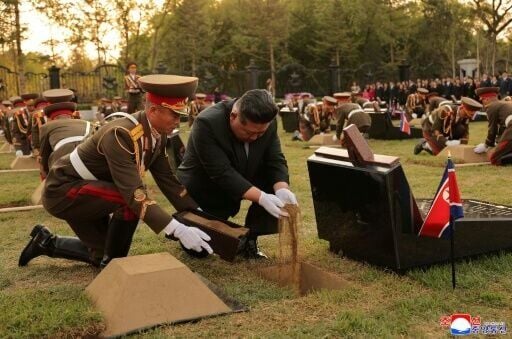
The April 27, 2026 memorial ceremony in Pyongyang, where Kim Jong-un publicly honored North Korean troops killed in Russia's Ukraine conflict alongside Russian Defense Minister Andrei Belousov, represents a critical geopolitical inflection point with direct implications for cross-border e-commerce sellers. The announcement of a five-year bilateral military cooperation plan signals deepened Russia-North Korea alignment, which historically precedes expanded international sanctions regimes. For cross-border sellers, this development creates three immediate operational risks: (1) Payment Processing Disruption - Escalating sanctions against Russia and North Korea typically trigger stricter compliance requirements from payment processors like Stripe, PayPal, and Wise, forcing sellers to implement enhanced due diligence and potentially blocking transactions to/from affected regions; (2) Supply Chain Vulnerability - North Korea's deployment of "thousands of troops" and provision of "artillery rounds, missiles, and personnel" indicates deepening military-industrial integration with Russia, which could trigger secondary sanctions affecting suppliers in neighboring countries (China, Vietnam) that facilitate North Korea-Russia trade corridors; (3) Market Access Compression - The five-year cooperation framework suggests sustained geopolitical tension, increasing likelihood of expanded export controls on dual-use electronics, semiconductors, and components that sellers source from Asia-Pacific regions for resale to Russia or Eastern Europe.
Specific seller impact by segment: Small sellers (under $500K annual revenue) relying on Stripe or PayPal face immediate payment processing friction if they ship to Russia or source from sanctioned-adjacent suppliers. Medium sellers ($500K-$5M) with established 3PL networks in Eastern Europe must audit supplier compliance and consider geographic diversification away from Russia-exposed logistics hubs. Large sellers ($5M+) with direct manufacturing relationships in China/Vietnam should monitor export control lists (EAR, OFAC) for component categories that could face new restrictions due to Russia-North Korea military cooperation.
The timing window for proactive mitigation is narrow—historical precedent shows sanctions announcements typically follow 30-90 days after geopolitical escalation signals. Sellers should immediately audit their customer base for Russia/Belarus exposure, review payment processor compliance policies, and stress-test supply chains for alternative sourcing routes. The five-year cooperation timeline suggests this is not a temporary disruption but a structural shift requiring permanent operational adjustments.
Questions 7
How should I update my Amazon Seller Central compliance profile given geopolitical escalation?
Amazon Seller Central requires sellers to maintain accurate business information and comply with all applicable sanctions laws. Given the Russia-North Korea military cooperation announcement, you should: (1) Update your seller profile to reflect any changes in sourcing countries or customer markets; (2) Review your Restricted Products List to ensure no items violate OFAC or EAR regulations; (3) Enable Amazon's compliance tools to flag high-risk transactions; (4) Document your sanctions compliance procedures in case of audit. Amazon conducts periodic compliance reviews and can suspend accounts for sanctions violations. Sellers shipping to Russia or sourcing from sanctioned-adjacent suppliers face heightened audit risk. Complete these updates within 30 days to demonstrate proactive compliance.
What is the timeline for sanctions escalation following this Russia-North Korea military announcement?
Historical precedent suggests sanctions announcements typically follow 30-90 days after geopolitical escalation signals. The April 27, 2026 memorial ceremony and five-year cooperation framework announcement indicate sustained military-industrial integration, making sanctions escalation highly probable by Q3 2026. The U.S. and EU typically coordinate sanctions responses, with implementation timelines of 60-120 days from announcement. Sellers should treat this as a 90-day warning window to audit compliance, diversify supply chains, and stress-test payment processing. The five-year cooperation timeline suggests this is not temporary—plan for permanent operational adjustments rather than short-term disruptions. Monitor OFAC, BIS, and EU sanctions websites weekly for official announcements.