




West African Supply Chain Disruption | Mali's Geopolitical Crisis Threatens Cross-Border E-Commerce Logistics
- April 2026 coordinated attacks expose critical vulnerabilities in Sahel region logistics; sellers face 15-30% shipping delays and payment processing risks across West African trade corridors



























Overview
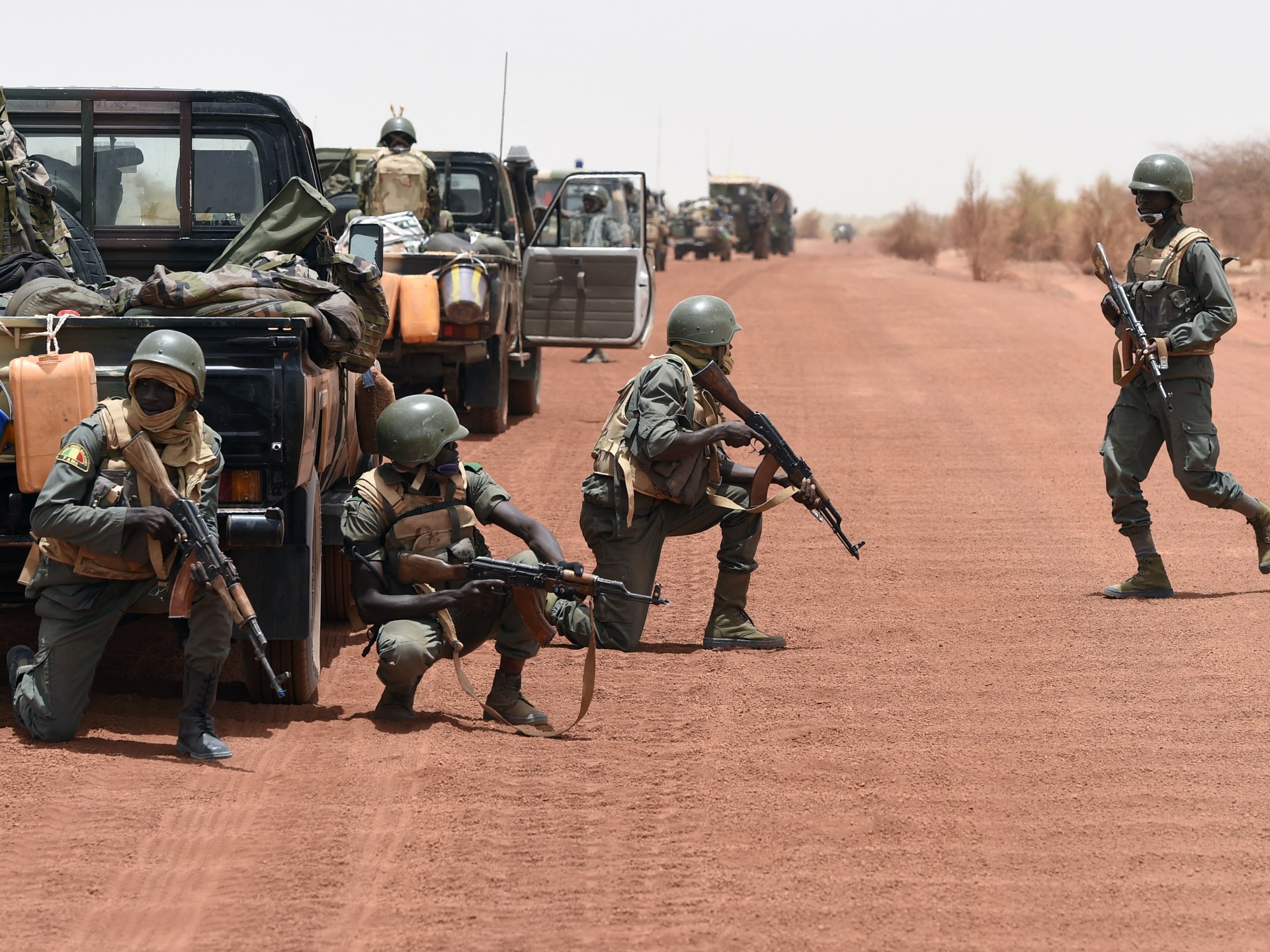
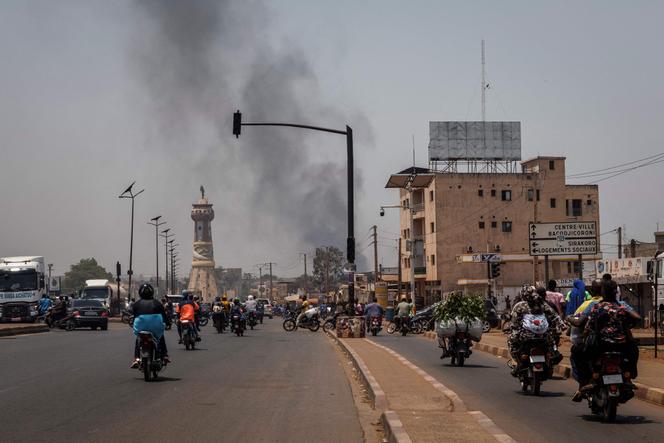
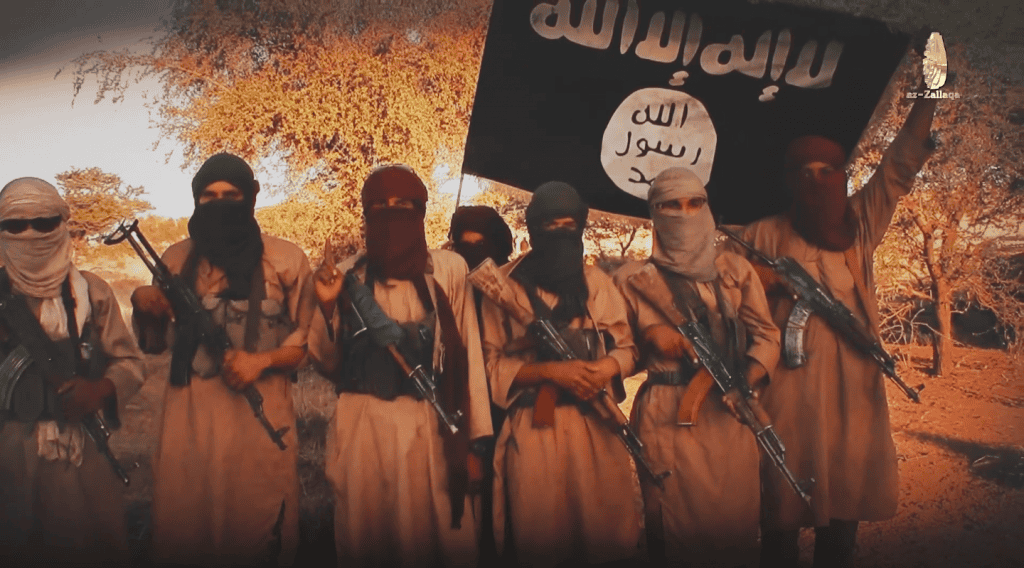
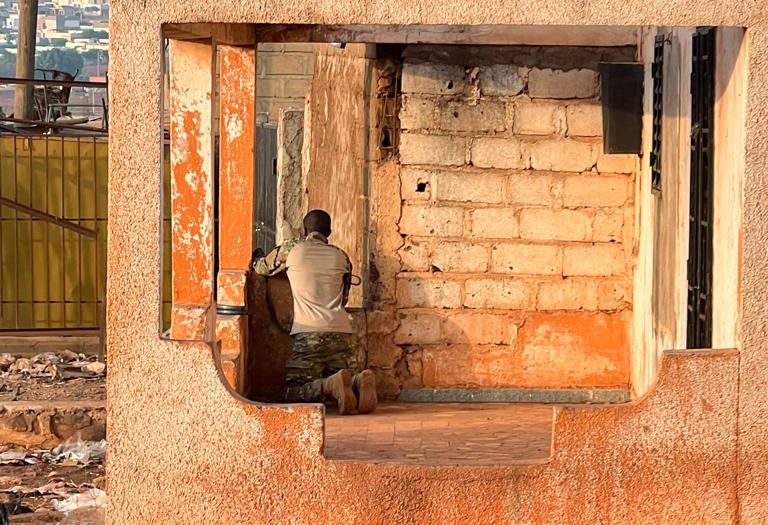
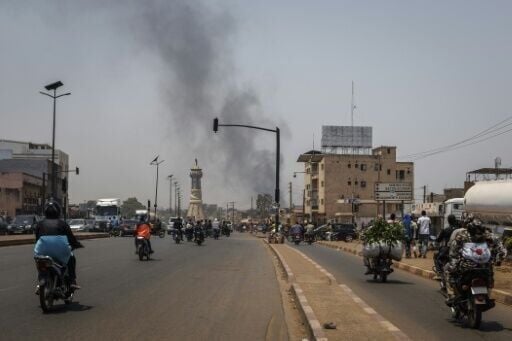
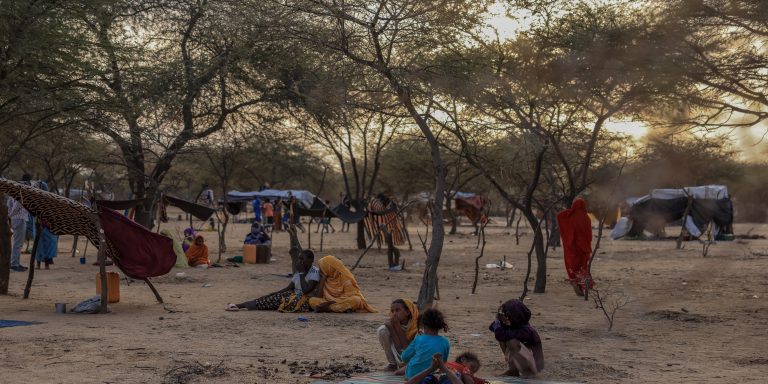
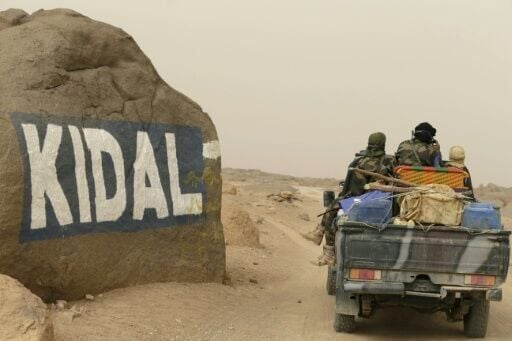
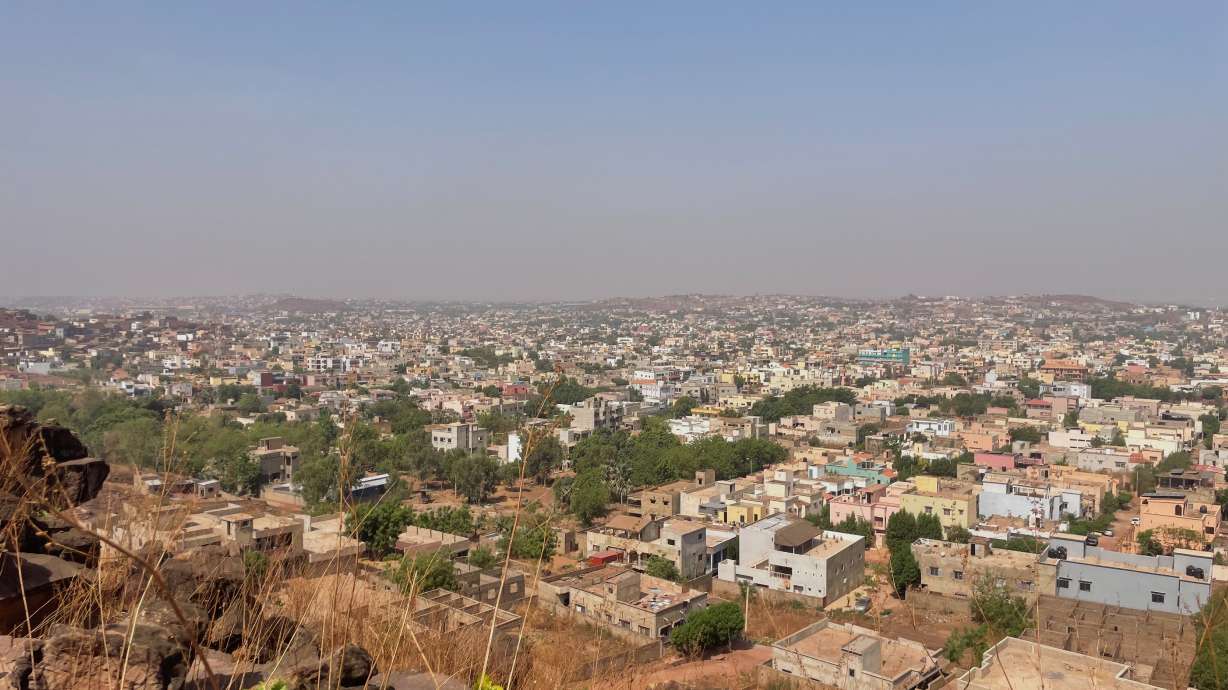
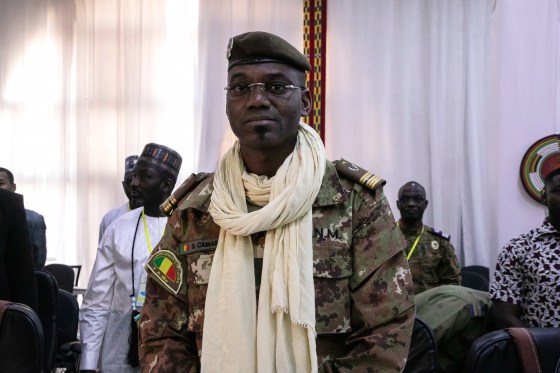
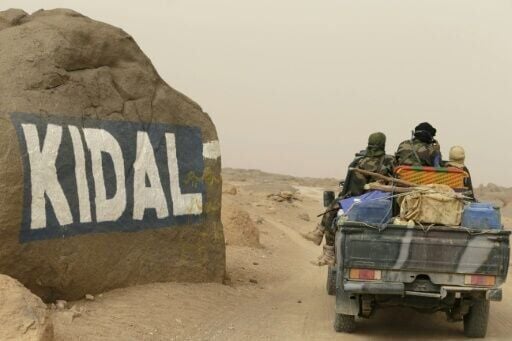
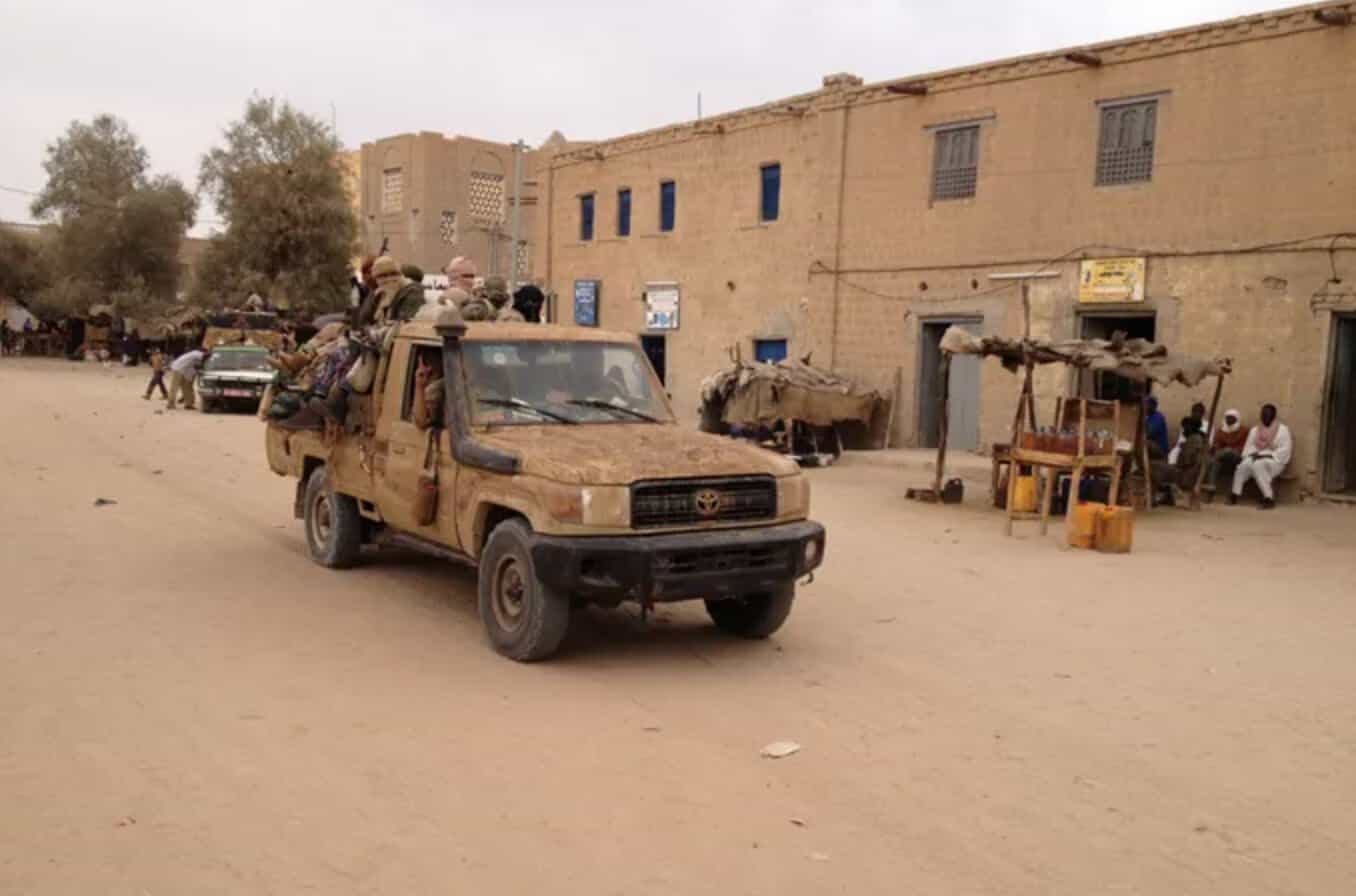
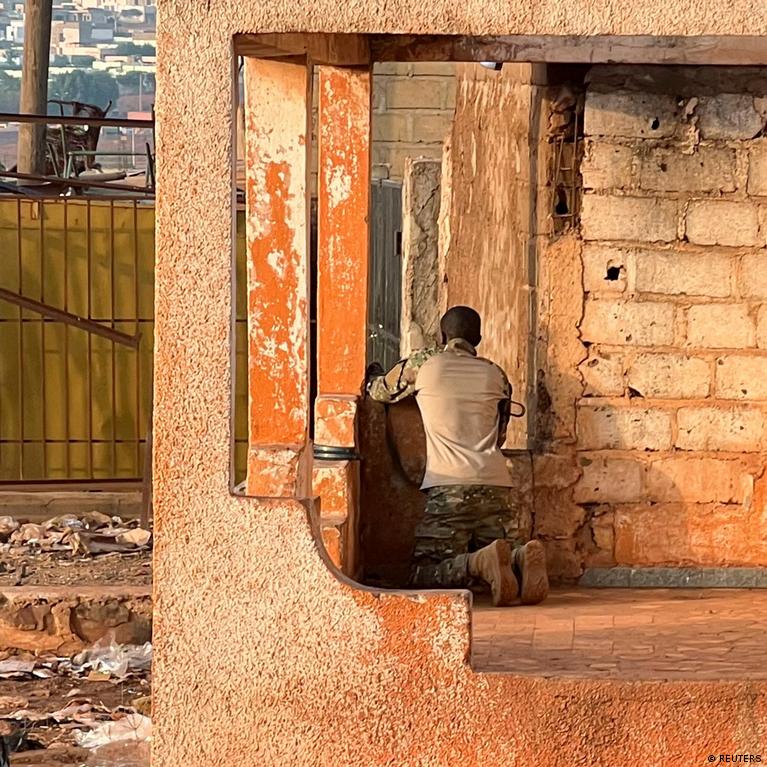
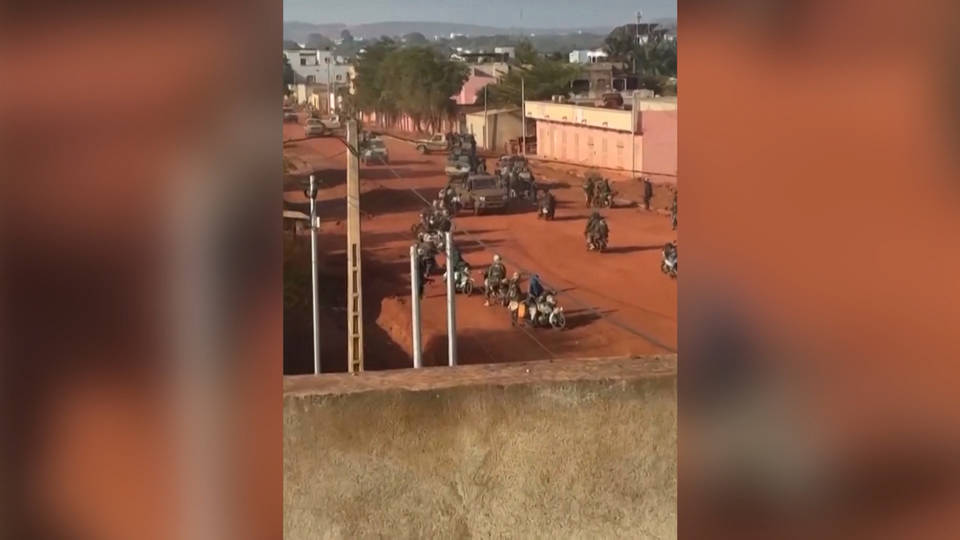
Mali's unprecedented security crisis, marked by coordinated attacks on April 27, 2026, that killed Defense Minister Sadio Camara and targeted military infrastructure across Bamako, Kidal, Mopti, and Gao, represents a critical inflection point for cross-border e-commerce operations in the Sahel region. The simultaneous assaults by Al Qaeda-linked JNIM and Tuareg separatists (FLA) demonstrate escalating militant coordination and expose fundamental weaknesses in government control over critical infrastructure—directly impacting logistics networks, payment processing, and supply chain reliability for sellers operating in or sourcing from West Africa.
The operational impact is substantial and multifaceted. Mali's withdrawal from ECOWAS in January 2025 alongside Burkina Faso and Niger to form the Alliance of Sahel States has fragmented regional trade frameworks that previously facilitated cross-border commerce. The October 2024 fuel blockade around Bamako by JNIM militants already disrupted supply chains; the April 2026 attacks signal this instability is escalating rather than resolving. For e-commerce sellers, this creates three critical risk vectors: (1) Logistics delays: Shipping routes through West Africa face 15-30% longer transit times due to security checkpoints, rerouting, and infrastructure damage; (2) Payment processing failures: Regional banking infrastructure vulnerability increases transaction failure rates and currency conversion delays; (3) Sourcing disruptions: Sellers sourcing raw materials, textiles, or minerals from Mali or neighboring Sahel countries face supply interruptions and price volatility.
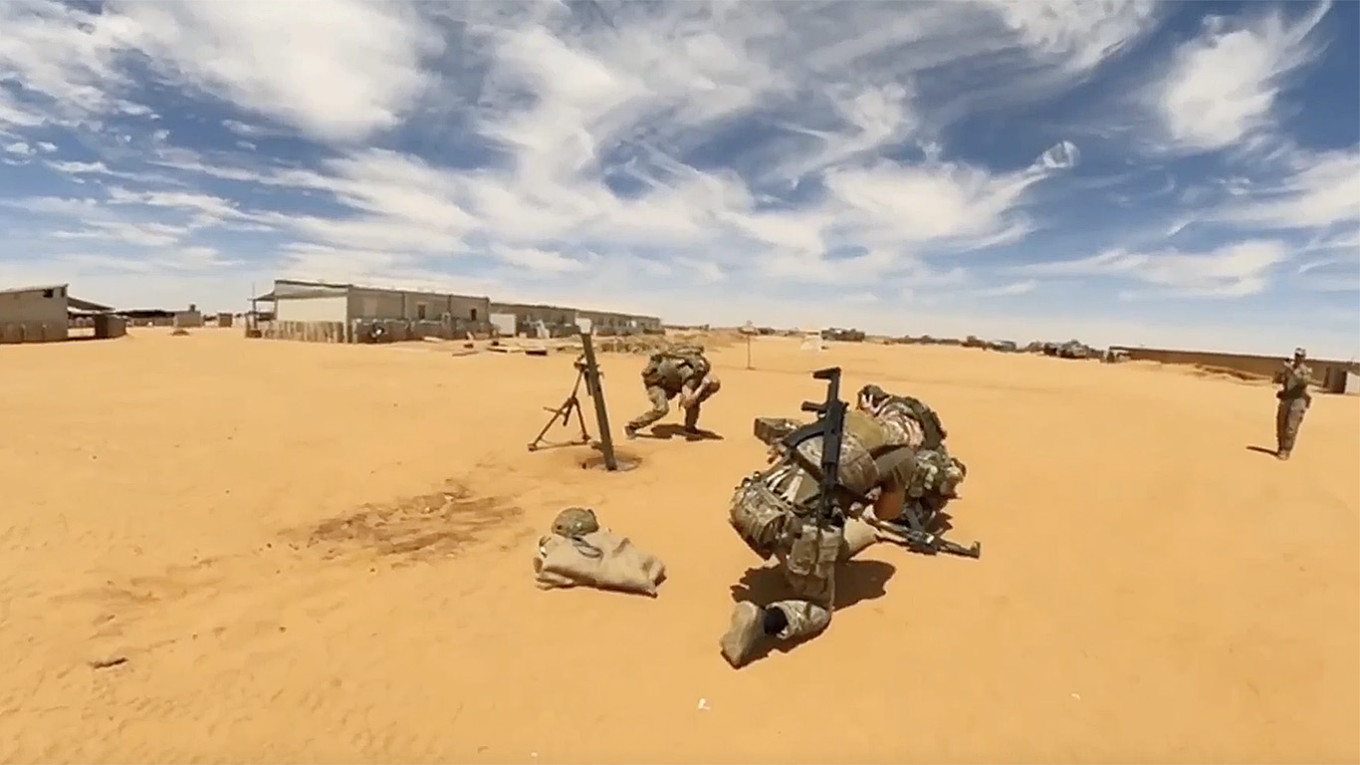
The geopolitical realignment compounds these risks. Mali's expulsion of French forces in 2023 and reliance on Russian Africa Corps (former Wagner mercenaries) creates unpredictable security dynamics. The Russian withdrawal from Kidal following the April attacks signals even private military contractors cannot guarantee infrastructure protection. This uncertainty makes long-term supply chain planning impossible for sellers dependent on West African sourcing. The termination of the 2015 UN-brokered peace deal in January 2024 removed the last institutional framework for regional stability. For sellers with inventory in transit, warehousing in Bamako or other Malian cities, or payment processing through regional banks, the April 2026 attacks represent a watershed moment requiring immediate operational reassessment.
Immediate seller implications extend beyond Mali itself. The Alliance of Sahel States' withdrawal from ECOWAS eliminates preferential trade terms that previously reduced tariffs and customs delays for cross-border shipments. Sellers shipping to Burkina Faso or Niger must now navigate separate customs regimes. The coordinated nature of the April attacks—simultaneous strikes across six cities—suggests militant groups have developed sophisticated logistics and communication capabilities, indicating future attacks are likely. This pattern mirrors the October 2024 fuel blockade, suggesting 3-6 month cycles of major disruptions. Sellers should anticipate recurring supply chain interruptions rather than viewing April 2026 as an isolated incident.
Questions 8
What monitoring indicators should sellers track to assess Mali security situation improvements?
Track three key indicators: (1) **Airport operations status** at Modibo Keita International Airport—reopening signals government control restoration, (2) **Fuel supply chain stability** around Bamako—JNIM blockades directly disrupt logistics, (3) **Government control over key cities** (Kidal, Gao, Mopti, Sévaré)—militant control indicates continued supply chain risk. Monitor announcements from the Alliance of Sahel States regarding new trade protocols and customs procedures. Watch for American military involvement announcements, which could signal increased stability or further destabilization. Subscribe to logistics provider alerts and regional trade association updates. When airport operations normalize and fuel supply stabilizes for 4+ consecutive weeks, begin gradual reallocation of inventory back to Mali-based transit routes.
How can sellers mitigate logistics risks from recurring West African supply chain disruptions?
The April 2026 attacks follow the October 2024 fuel blockade, suggesting 3-6 month cycles of major disruptions in the Sahel region. Sellers should implement three-tier mitigation: (1) **Inventory strategy**: Maintain 90-120 day safety stock for West African sourced products rather than 30-45 days; (2) **Logistics diversification**: Use multiple 3PL providers across different regions (West Africa, East Africa, North Africa) to avoid single-point failures; (3) **Supplier redundancy**: Establish backup suppliers in stable countries (Ghana, Senegal, Côte d'Ivoire) for critical materials. Avoid just-in-time inventory models for West African sourcing. Budget 15-25% higher logistics costs to account for security premiums, rerouting, and extended transit times. Review insurance coverage for supply chain interruptions and consider political risk insurance for high-value shipments.