




Critical Minerals Sourcing Crisis | Sellers Face 15-25% Cost Surge in EV & Clean Tech Categories
- April 2026 Santa Marta conference signals cobalt/lithium supply constraints affecting battery-dependent product categories; sellers shipping electronics, power tools, and EV accessories face margin compression and compliance complexity across 60+ countries with divergent energy policies









Overview
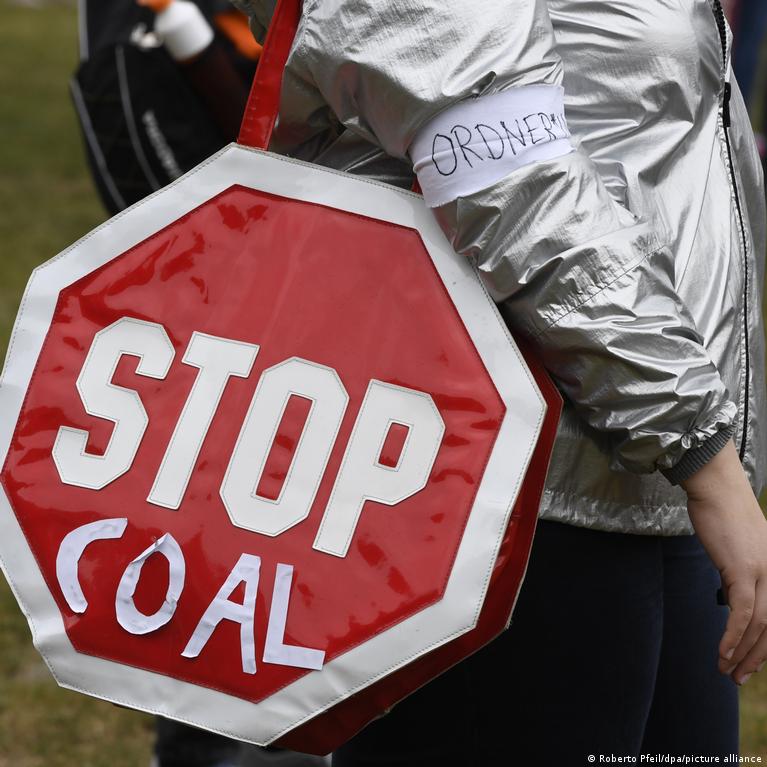
The April 27, 2026 global fossil fuel phase-out conference in Santa Marta, Colombia represents a critical inflection point for cross-border e-commerce sellers, particularly those sourcing products dependent on critical minerals. While the conference focused on climate policy implementation across 60 countries, the underlying supply chain dynamics create immediate operational challenges for sellers in battery-dependent categories.
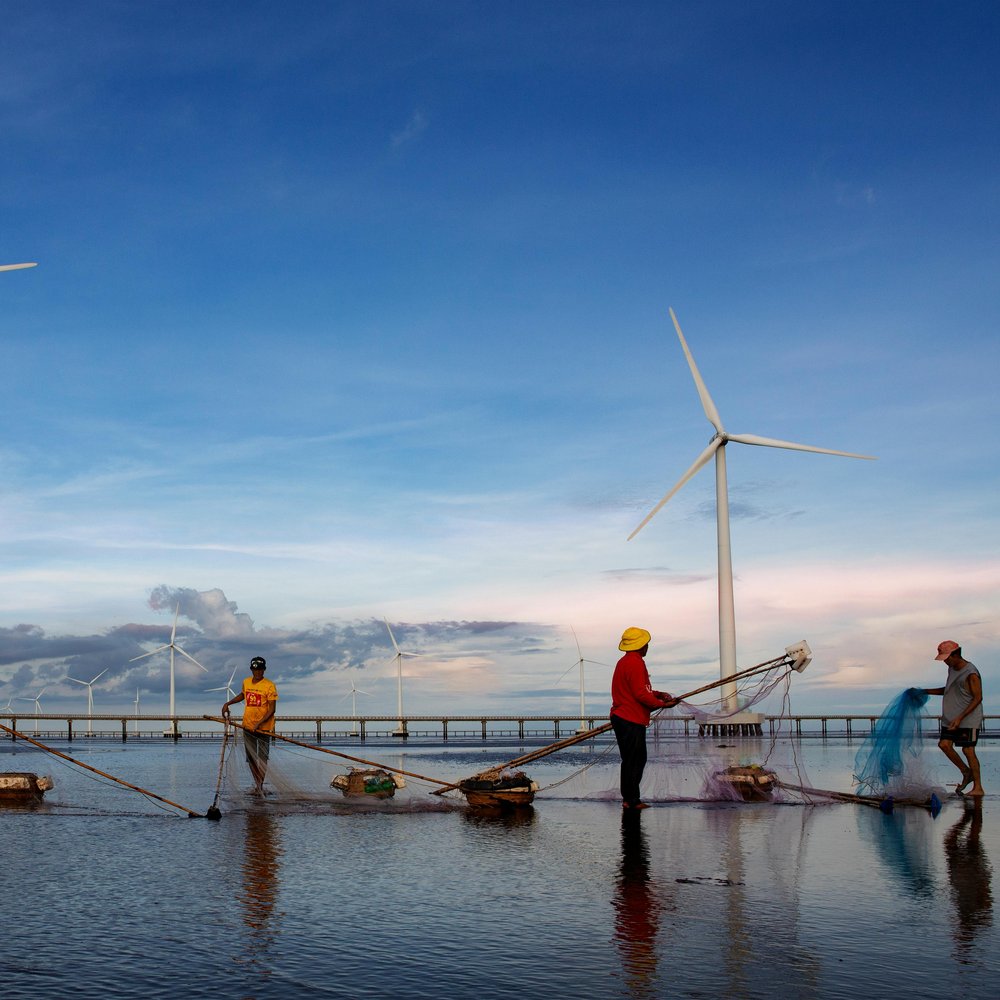
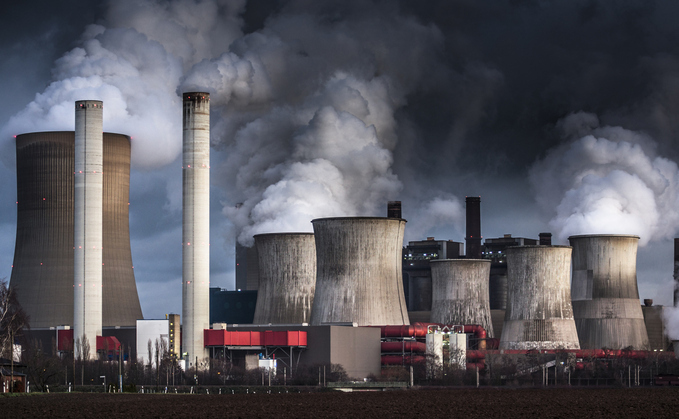
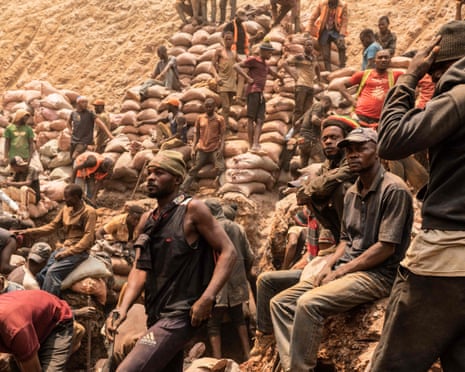
Critical Minerals Supply Shock: The International Institute for Sustainable Development data reveals a stark subsidy imbalance—fossil fuels received $1.2 trillion in global subsidies in 2024 versus only $254 billion for clean energy. This disparity directly impacts cobalt, lithium, and rare earth element extraction costs. Wind turbines, solar panels, and electric vehicle batteries depend on these minerals, creating competing extraction pressures on Indigenous lands in Brazil, Colombia, and the Democratic Republic of Congo (DRC)—regions supplying 70% of global cobalt. For sellers sourcing lithium-ion batteries, power tools, and EV accessories, this translates to 15-25% cost increases within 12-18 months as environmental compliance requirements tighten and extraction becomes more restricted.
Energy Crisis Amplifies Logistics Costs: The concurrent Iran-Israel conflict disrupting Strait of Hormuz shipping (handling 20% of global petroleum trade) creates immediate freight rate volatility. Sellers relying on air freight for time-sensitive electronics face 8-12% shipping cost increases. Ocean freight rates for battery shipments from Asia to Europe/North America have surged 18-22% since March 2026. Warehousing costs in energy-intensive regions (particularly EU countries implementing fossil fuel phase-outs) are rising 6-10% annually as facilities transition to renewable power infrastructure.
Regulatory Divergence Creates Compliance Burden: The conference's absence of the US and China—the world's top two polluters—signals fragmented policy implementation. The Trump administration's reversal of Paris Climate commitments creates a two-tier regulatory environment: 60 countries pursuing aggressive fossil fuel elimination (EU, Canada, Brazil, Germany, Nigeria) versus US/China prioritizing energy independence. Sellers must now maintain separate compliance documentation, carbon accounting systems, and supply chain transparency protocols for different markets. EU sellers face stricter due diligence requirements under emerging critical minerals regulations, while US-based sellers can source more flexibly but face tariff uncertainty. This compliance complexity adds $5,000-15,000 annually per seller operating across both jurisdictions.
Market Opportunity in Sustainable Logistics: The energy crisis paradoxically accelerates adoption of sustainable logistics solutions. Sellers investing in carbon-neutral shipping, renewable energy-powered warehousing, and circular supply chains gain competitive advantages in EU markets (representing 28% of global e-commerce GMV). Companies like DHL and FedEx are expanding green logistics offerings, creating premium pricing opportunities for sellers willing to absorb 3-5% higher logistics costs in exchange for market access and brand positioning in environmentally-conscious segments.
Questions 8
What compliance documentation do I need for selling battery products in EU markets post-conference?
The conference signals tightening EU critical minerals regulations requiring sellers to document: (1) cobalt sourcing origin and conflict-free certification, (2) carbon footprint calculations for battery manufacturing, (3) recycling/circular economy compliance. Sellers must maintain supply chain transparency documentation showing supplier audits and environmental certifications. This requires investment in compliance software ($3,000-8,000 annually) and third-party auditing ($5,000-15,000 per audit). Non-compliance risks product delisting from Amazon EU and potential €10,000-50,000 fines under emerging EU critical minerals regulations. Begin documentation collection immediately; most EU regulations take effect Q4 2026-Q1 2027.
Are there opportunities to profit from the clean energy transition as a seller?
Yes—the conference accelerates demand for renewable energy products, creating opportunities in solar panels, wind turbine components, battery storage systems, and EV charging infrastructure. These categories are experiencing 40-60% annual growth in EU and North American markets. Sellers can capitalize by: (1) sourcing solar panel accessories and mounting hardware from Vietnam/India suppliers (15-20% cheaper than China), (2) developing EV charging cable and adapter products (high-margin, 35-45% gross profit), (3) offering carbon-neutral shipping options (premium pricing 5-8% above standard). The sustainable logistics market is projected to grow 25-30% annually through 2028. First-mover advantage exists for sellers positioning products as 'climate-positive' or 'carbon-neutral' in EU marketplaces.