





Global Supply Chain Crisis Hits Medical & Humanitarian Goods | Sellers Face Shipping Delays
- Strait of Hormuz closure disrupts $730K+ in stranded medicines; drone attacks escalate 1,152% YoY; sellers shipping health products face 3-6 week delays and 15-25% cost increases





















Overview
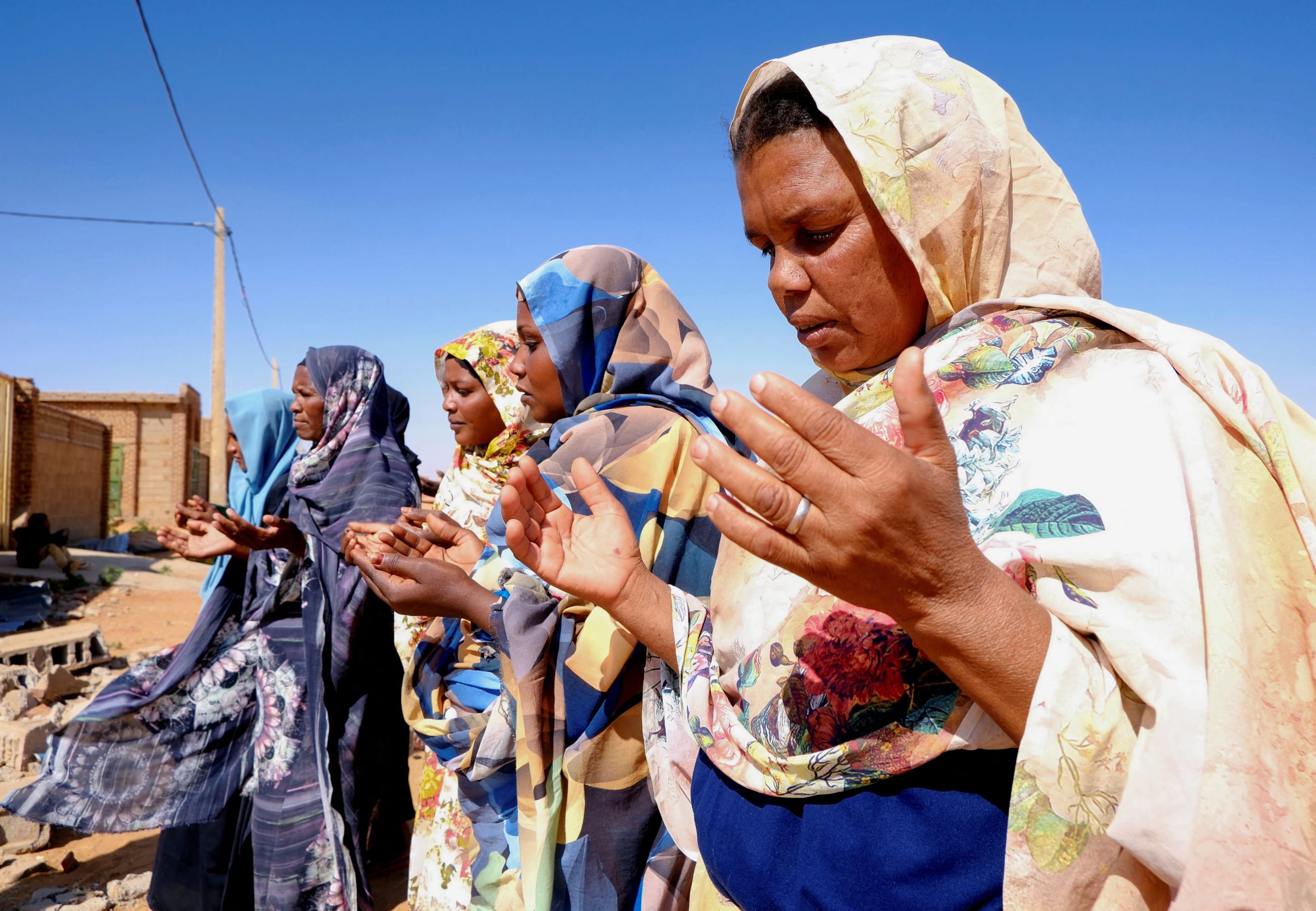
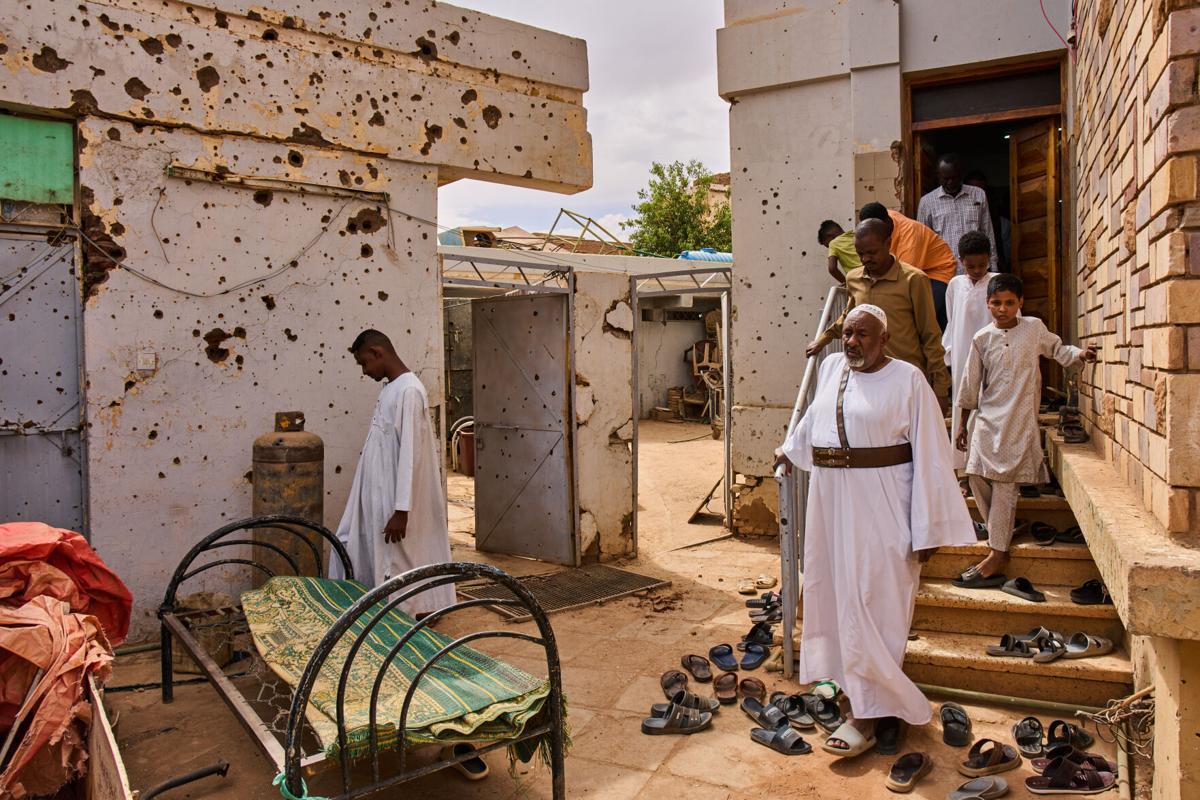
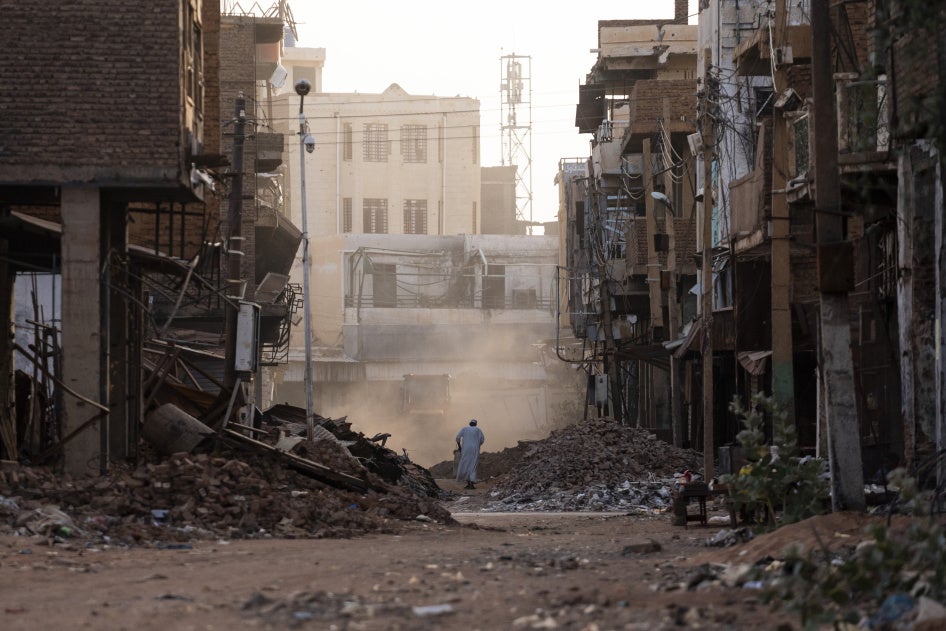
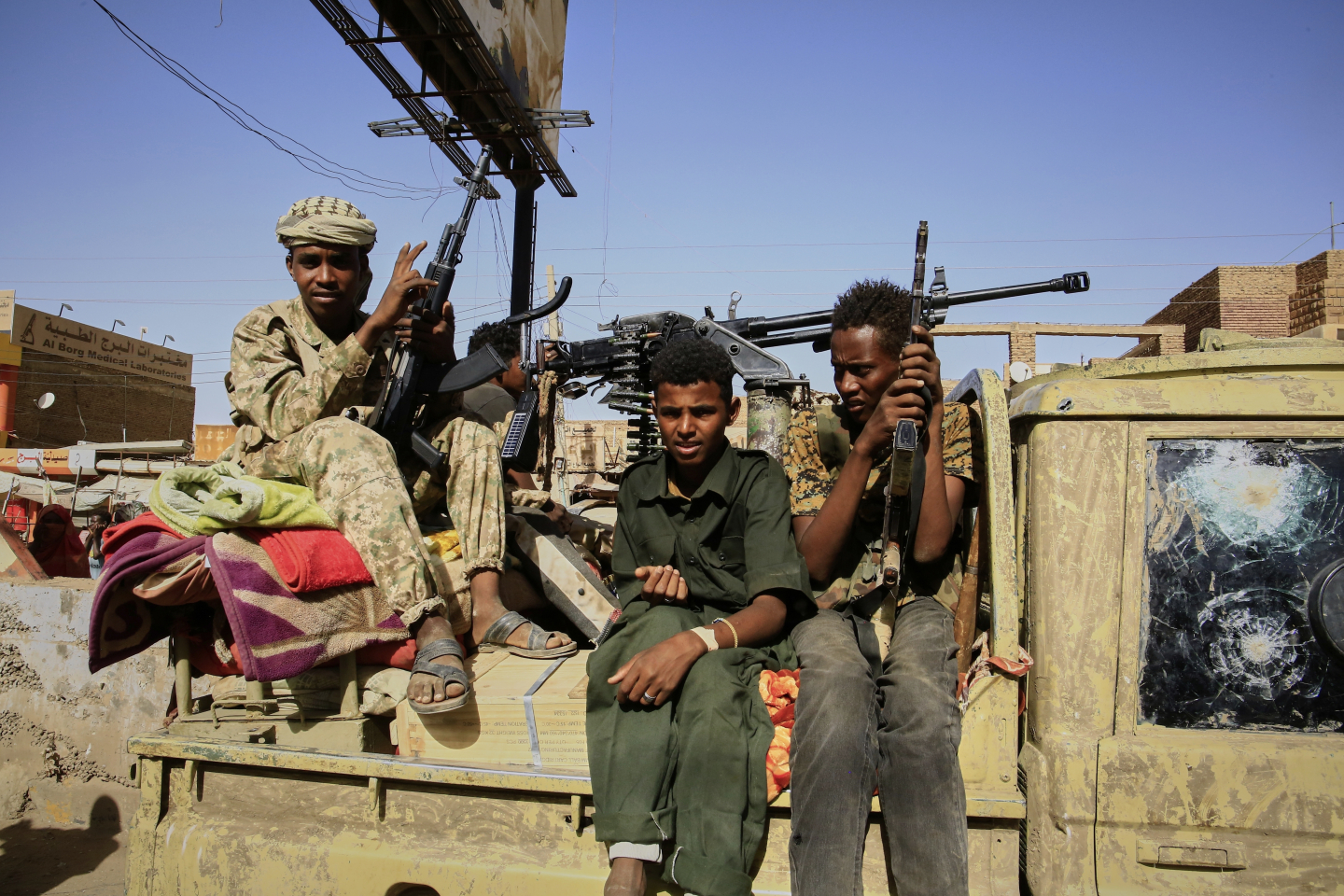
Sudan's escalating humanitarian crisis is creating unprecedented disruptions to global supply chains affecting cross-border e-commerce sellers, particularly those dealing in medical supplies, pharmaceuticals, and health-related products. Drone strikes have increased dramatically from 277 in 2024 to 3,472 in 2025—a 1,152% year-over-year surge—with over 500 civilian casualties reported in the first three months of 2026 alone. The conflict has stranded critical shipments: $130,000 in pharmaceutical supplies for the International Rescue Committee and $600,000 in essential medicines from Save the Children remain stuck in Dubai as of early April 2026. More critically, the closure of the Strait of Hormuz due to Iran-related conflicts has created a cascading logistics bottleneck affecting fuel, medicine, and humanitarian aid distribution globally.
For cross-border e-commerce sellers, this translates to immediate operational challenges. Sellers specializing in medical devices, over-the-counter pharmaceuticals, health supplements, and first-aid supplies face 3-6 week shipping delays and 15-25% cost increases on routes through the Middle East and Indian Ocean. The Safeguarding Health in Conflict Coalition reported 173,623 attacks on healthcare infrastructure in 2024—a 15% increase from 2023—indicating systematic targeting of supply chains. Sellers using Dubai as a transshipment hub (common for Asia-to-Europe routes) are experiencing inventory bottlenecks. The broader humanitarian funding gap ($2.6 billion shortfall against 38.6% coverage of 2025 needs) signals reduced purchasing power in affected regions, impacting demand for consumer goods in East Africa and the Middle East.
Strategic implications extend beyond immediate logistics. The conflict demonstrates how geopolitical instability in critical chokepoints (Strait of Hormuz, Red Sea routes) creates systemic vulnerabilities for sellers relying on traditional shipping corridors. Sellers should diversify routing through alternative ports (Singapore, Port Said alternatives) and consider nearshoring inventory to regional hubs. The 15% year-over-year increase in healthcare infrastructure attacks globally suggests this pattern will persist, making supply chain resilience a competitive advantage. Sellers in medical/health categories should evaluate 3PL providers with redundant routing capabilities and consider air freight for high-margin, time-sensitive products despite 40-60% cost premiums.
Questions 8
How do healthcare infrastructure attacks affect seller supply chains globally?
The Safeguarding Health in Conflict Coalition reported 173,623 attacks on healthcare infrastructure in 2024, a 15% increase from 2023, indicating systematic targeting of medical supply chains. These attacks disrupt pharmaceutical distribution networks, damage cold-chain infrastructure for temperature-sensitive medicines, and create insurance/liability complications for sellers. The Sudan conflict specifically documents 'double tap' strikes targeting hospitals, which disrupts local distribution hubs. For sellers, this means: (1) Increased insurance costs for medical shipments (5-10% premium increases); (2) Reduced demand in conflict-affected regions; (3) Longer customs clearance times as authorities prioritize humanitarian aid. Sellers should diversify geographic sourcing and consider supply chain insurance products covering geopolitical risks, which typically cost 2-4% of shipment value but protect against total loss scenarios.
What is the financial impact of supply chain disruptions on seller margins?
Supply chain disruptions from the Sudan conflict create a 15-25% cost increase on medical/health product shipments through affected routes, directly compressing seller margins. For a seller with 30% gross margins shipping $100,000 monthly in medical products, a 20% shipping cost increase ($15,000-20,000 additional monthly cost) reduces net margins to 15-18%. The $2.6 billion humanitarian funding gap also reduces demand in East African markets by an estimated 20-30%, affecting sellers targeting these regions. Sellers should model three scenarios: (1) Absorb 5-10% cost increase and reduce margins; (2) Pass 10-15% cost increase to customers (risking competitiveness); (3) Shift 20-30% inventory to air freight for high-margin products. Calculate break-even points: air freight becomes cost-effective when product margins exceed 40% and transit time value exceeds $0.50/unit/day.