

Mag-7 Tech Earnings April 2026 | Amazon & Meta Volatility Impact on Seller Advertising Costs & Consumer Spending
- S&P 500 at record 7,000+ points with Mag-7 flat YTD creates mean reversion opportunity; Meta advertising costs face 7% volatility vs. 9% historical average; Amazon platform investment uncertainty affects seller infrastructure stability


























Overview
The Critical Earnings Week for E-Commerce Sellers: April 2026 Mag-7 Announcements Signal Major Shifts in Advertising Costs and Platform Investment
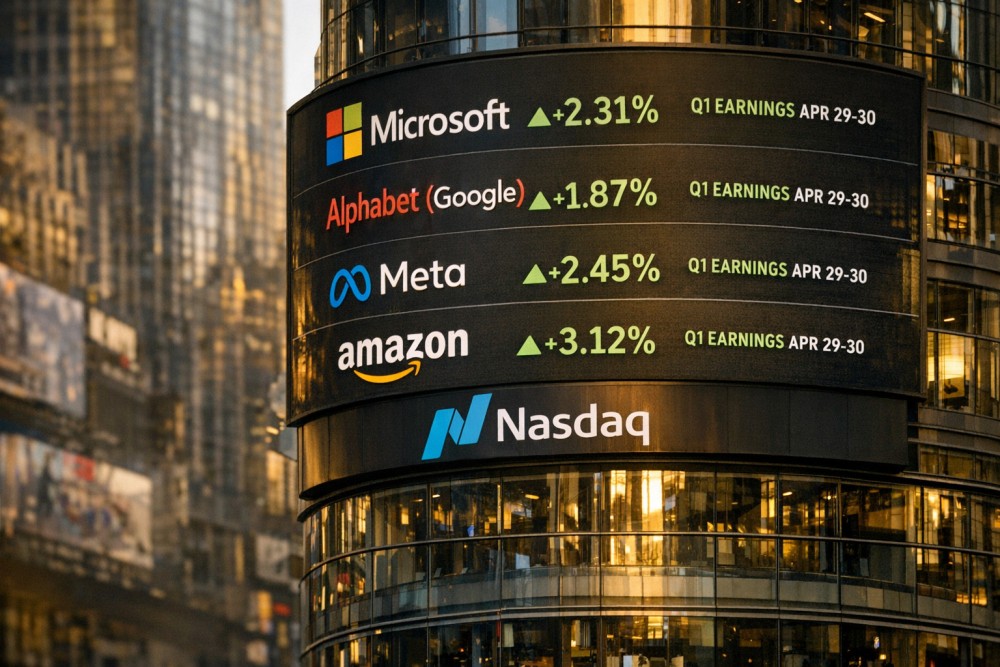
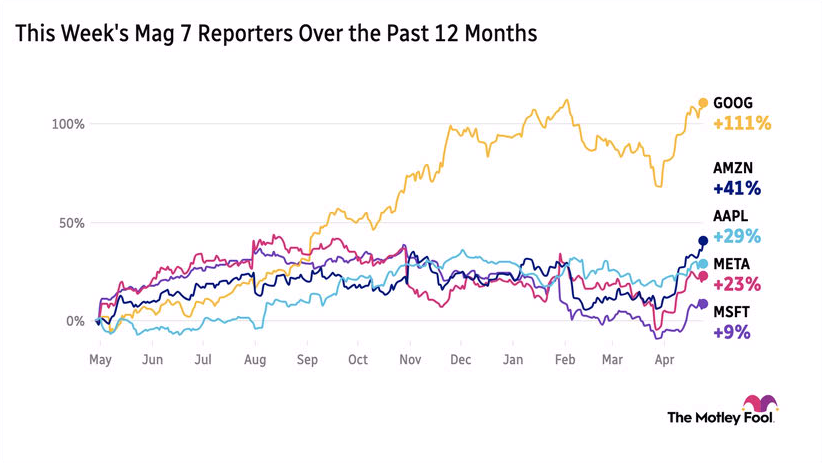
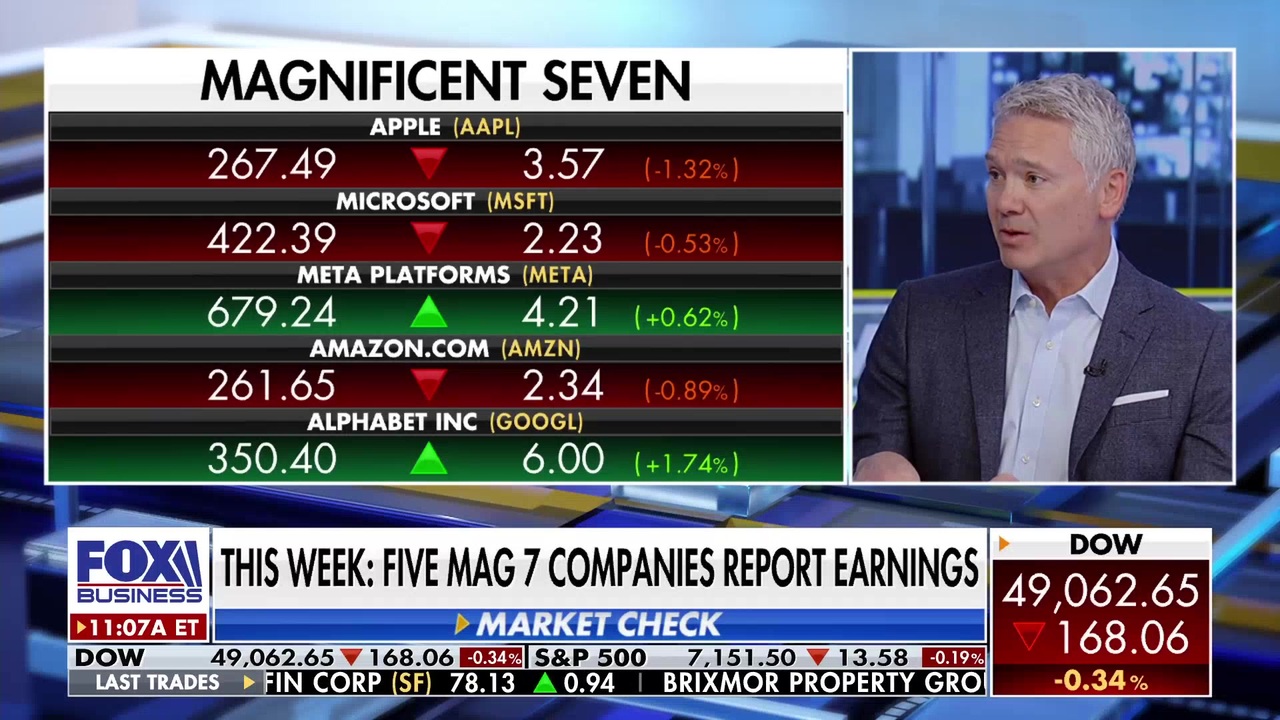
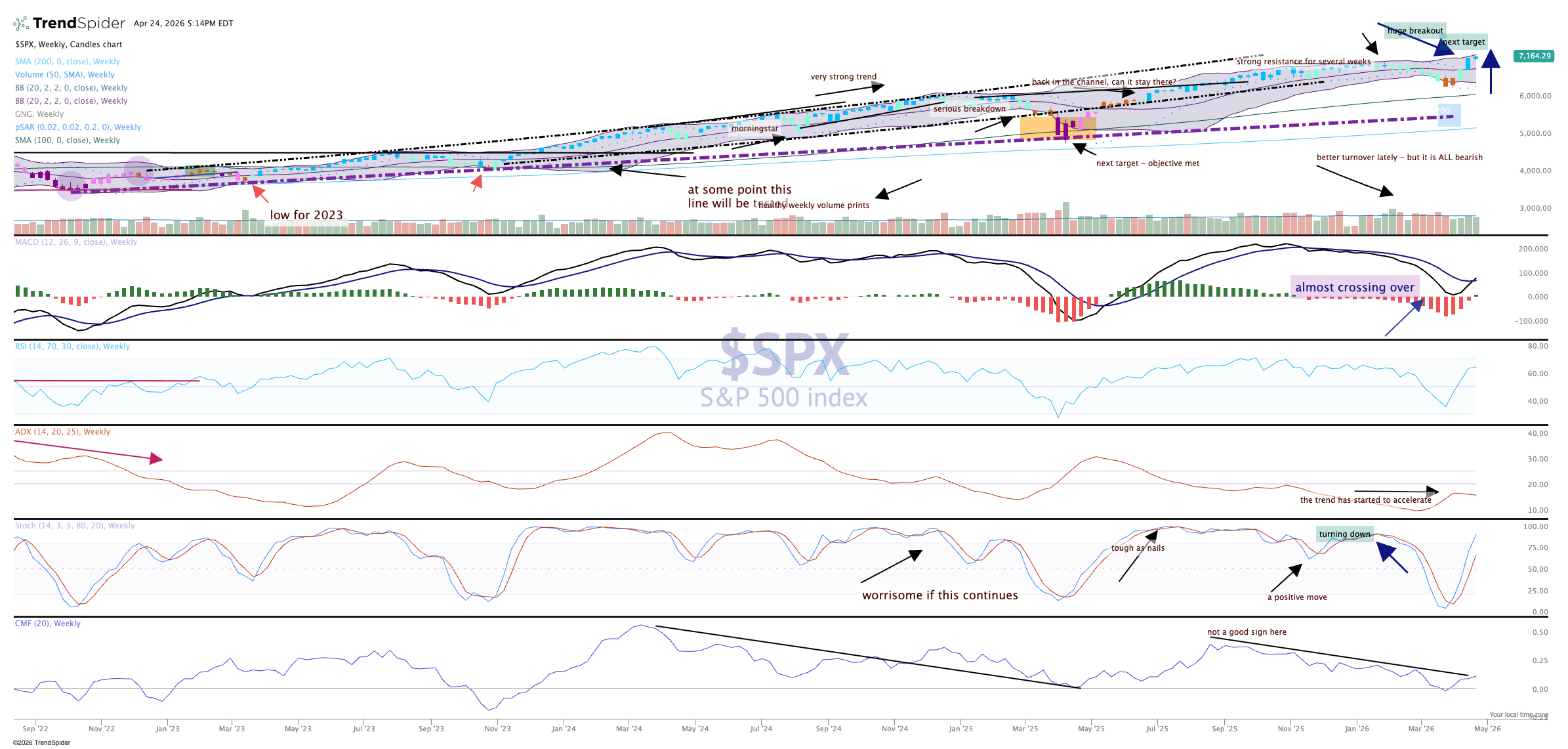
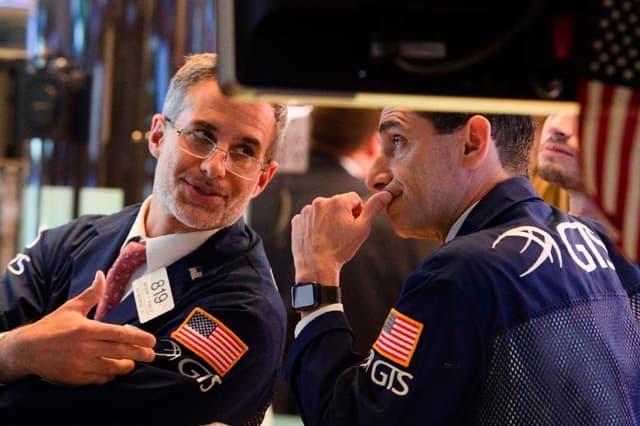
The week of April 27, 2026 represents a pivotal moment for cross-border e-commerce sellers as five Magnificent Seven technology giants—Apple, Alphabet, Amazon, Meta, and Microsoft—report earnings that will determine broader market direction and, critically, seller operating costs. While the S&P 500 has surged to record highs exceeding 7,000 points with a 2.4% year-to-date gain, the Mag-7 index remains essentially flat, creating significant mean reversion potential that directly impacts seller profitability through two primary channels: advertising platform valuations and infrastructure investment cycles.
For sellers relying on Meta and Google advertising, the earnings volatility presents immediate cost implications. Meta options are currently undervalued at 7% implied volatility versus a 9% historical average over the past four quarters, suggesting the market is underpricing potential stock movement. This underpricing typically precedes significant post-earnings volatility swings that compress advertising budgets and increase cost-per-click (CPC) rates. Conversely, Alphabet options show 5.25% implied moves against only 1% historical quarterly swings, indicating potential overpricing that could result in lower-than-expected volatility and more stable Google Ads pricing post-announcement. The Cboe Volatility Index (VIX) remains elevated in the mid-18s, reflecting broader market uncertainty that translates directly to advertising platform instability and unpredictable campaign performance for sellers.
Amazon's earnings announcement carries specific operational significance for FBA sellers and third-party merchants. The company's capital allocation decisions—particularly regarding fulfillment network expansion, logistics infrastructure, and technology investments—directly influence seller fees, storage costs, and service reliability. With semiconductor stocks achieving their longest winning streak on record and the broader tech sector rising nearly 20% since late March, Amazon faces pressure to justify continued infrastructure spending or risk disappointing investors. This earnings pressure could trigger fee increases or reduced service investments that compress seller margins. Additionally, Federal Reserve rate decisions announced during this critical week will influence Amazon's cost of capital for warehouse expansion and technology development, ultimately affecting the pricing of FBA services that sellers depend on.
The geopolitical context adds another layer of uncertainty. Iran peace negotiations mentioned in market coverage could influence supply chain costs, shipping rates, and tariff structures that affect cross-border sellers' landed costs. Semiconductor supply chain stability—critical for both platform infrastructure and seller product sourcing—depends partly on geopolitical stability in key manufacturing regions.
Questions 8
How long will advertising platform volatility last after earnings announcements?
Historically, advertising platform volatility peaks 24-48 hours after earnings announcements and gradually subsides over 5-10 business days. For the April 27, 2026 Mag-7 earnings, expect maximum volatility through May 1-2, with stabilization by May 5-8. During this 5-10 day window, CPC rates may fluctuate 15-30%, and algorithm performance becomes less predictable. Recommend pausing new campaign launches until May 8 and focusing on optimizing existing high-performing campaigns. After May 8, platform algorithms typically stabilize and you can resume normal campaign testing and budget allocation strategies. Document your CPC rates and conversion metrics daily during this period to identify optimal bidding strategies post-volatility.
Which Mag-7 company earnings matter most for my cross-border e-commerce business?
**Amazon and Meta earnings are most critical for sellers.** Amazon's announcement directly impacts FBA fees, fulfillment reliability, and platform investment in seller tools—affecting 2+ million third-party sellers globally. Meta's earnings influence advertising costs for sellers using Facebook/Instagram ads, which represent 30-40% of digital advertising spend for many e-commerce businesses. **Alphabet (Google) earnings are secondary but important** for sellers relying on Google Shopping, Google Ads, and YouTube advertising. Apple and Microsoft earnings have indirect effects through consumer spending patterns and B2B technology costs. Prioritize monitoring Amazon and Meta announcements (April 27-28, 2026) and adjust your operational budgets accordingly within 48 hours of announcements.