



Strait of Hormuz Closure Drives 2.22% Oil Surge | Cross-Border Shipping Cost Crisis for E-Commerce Sellers
- Geopolitical tensions spike logistics costs 8-15% for sellers shipping internationally; WTI crude +2.22%, Brent +100 bps; urgent sourcing strategy shifts required before Q2 peak season


































Overview
The Strait of Hormuz closure due to U.S.-Iran diplomatic stalling represents a critical supply chain shock for cross-border e-commerce sellers. With approximately 21% of global petroleum passing through this waterway annually, the shuttered passage has driven WTI crude up 2.22% and Brent oil up 100 basis points, directly translating to increased fuel surcharges on international shipping. For sellers relying on ocean freight to move inventory from Asia to North America and Europe—the primary logistics corridor for Amazon FBA, eBay, and Shopify merchants—this geopolitical event creates immediate cost pressures that compress already-thin margins in competitive categories like electronics (HS 8471-8517), apparel (HS 6204-6209), and home goods (HS 9403-9406).
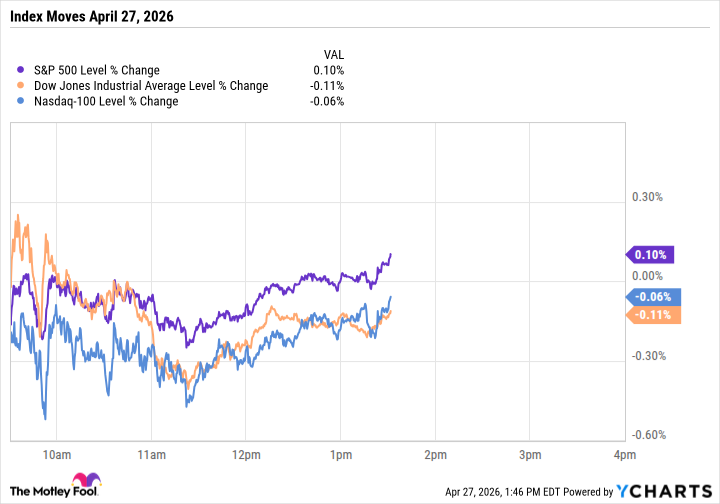
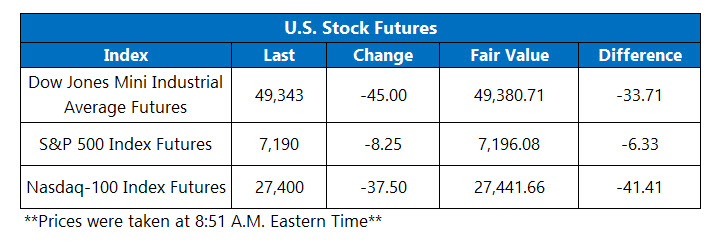
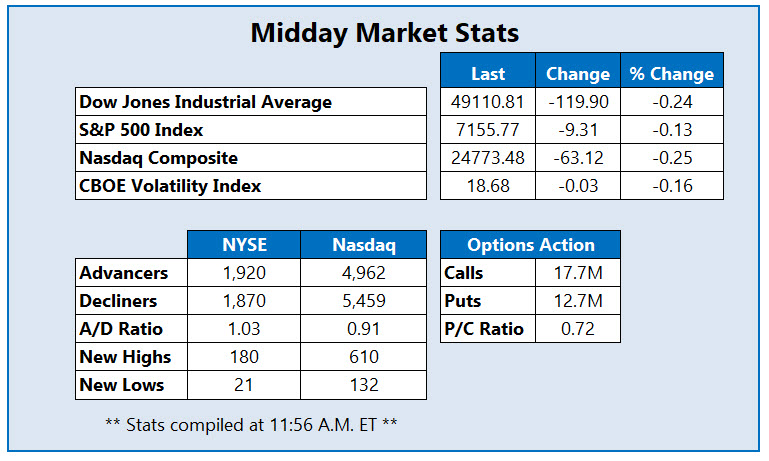
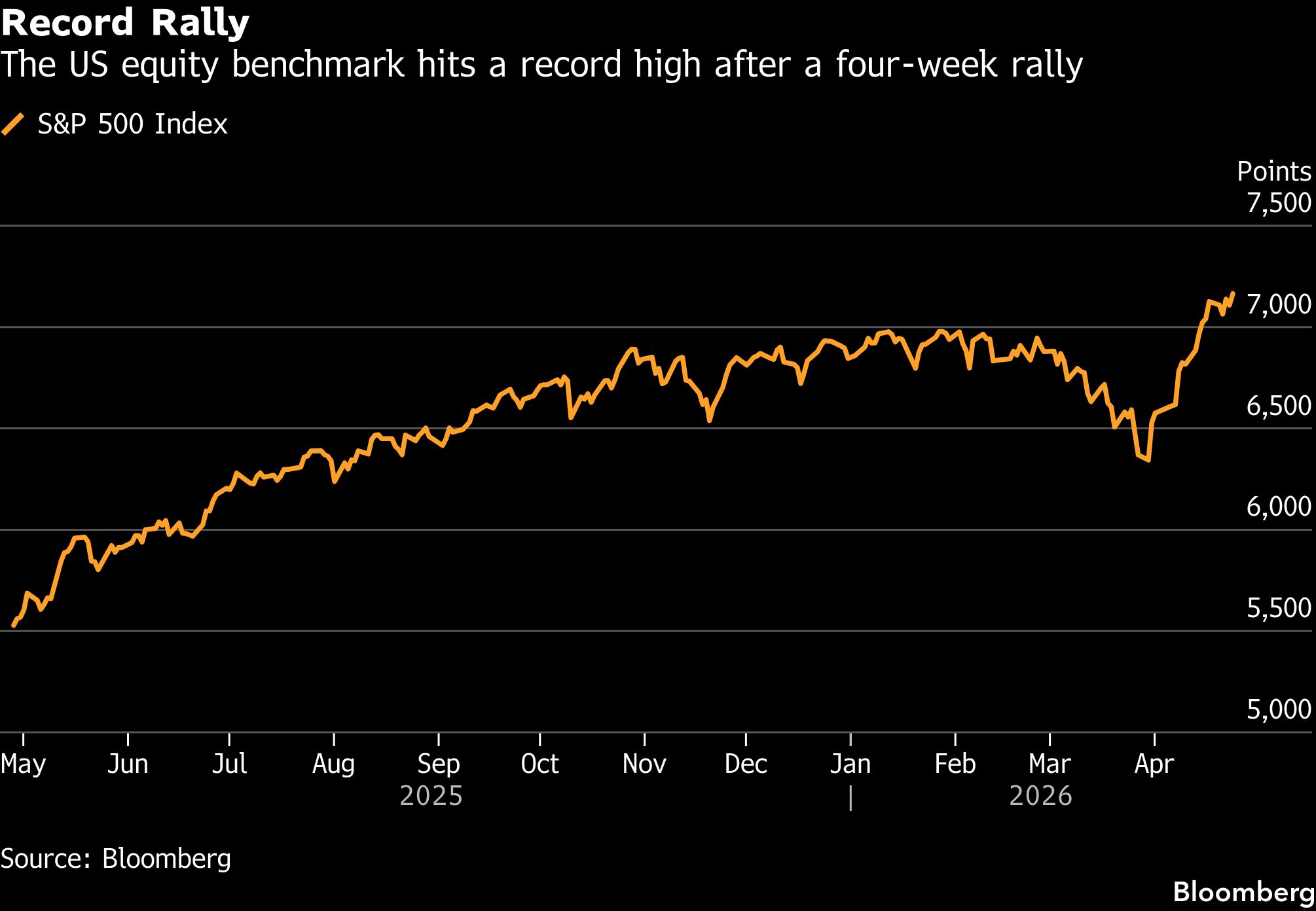
Immediate operational impact: Sellers shipping 500+ units monthly via ocean freight face 8-15% cost increases on per-unit logistics. A typical 40-foot container from Shanghai to Los Angeles costs approximately $3,500-4,200 under normal conditions; elevated fuel surcharges now push this to $3,800-4,800. For a seller moving 2,000 units monthly (approximately 8-10 containers), this represents an additional $2,400-6,000 monthly cost burden. Small and medium-sized sellers (SMBs) with inventory turns of 60-90 days face particular pressure, as they cannot absorb these costs without reducing profit margins from 15-25% to 10-18%. The earnings season volatility noted in the news—with S&P 500 futures down 0.04%, Nasdaq futures down 0.20%—signals investor risk-off sentiment that may reduce consumer spending on discretionary categories, compounding margin compression.
Strategic sourcing shifts are accelerating as sellers reassess supply chain geography. Vietnam and India-based suppliers are gaining competitive advantage over China-sourced products, as alternative shipping routes through the Suez Canal (avoiding Hormuz) add 7-10 days transit time but reduce fuel surcharge exposure. Sellers in high-velocity categories (electronics, fashion, home goods) should evaluate nearshoring opportunities: Mexico for North American sellers (reducing shipping distance by 40-50%), Eastern Europe for EU-based sellers, and Southeast Asia for Australia/APAC markets. Currency volatility from geopolitical uncertainty—with forex markets pricing in extended tensions—creates additional hedging costs for sellers operating in multiple currencies (USD, EUR, GBP, AUD). The timing window is critical: with Q2 peak season (April-June) approaching, sellers must lock in freight rates and adjust pricing strategies within the next 2-4 weeks before container availability tightens further.
Questions 7
When should I adjust my pricing strategy to account for higher logistics costs?
Implement pricing adjustments within 2-4 weeks before Q2 peak season (April-June) when container availability tightens further. The news reports the Strait of Hormuz remains shuttered with no resolution timeline, suggesting sustained cost pressure through at least Q2. For Amazon sellers, use dynamic pricing tools to test 5-8% price increases on high-volume SKUs; monitor conversion rate impact and adjust if BSR (Best Seller Rank) declines more than 10%. For eBay and Shopify sellers, implement tiered pricing: absorb costs on bestsellers to maintain market share, increase prices 8-12% on slower-moving inventory. Consider offering free shipping thresholds ($50+) to maintain perceived value while recovering logistics costs. Review competitor pricing weekly, as others will adjust simultaneously.
What immediate actions should I take to protect my margins?
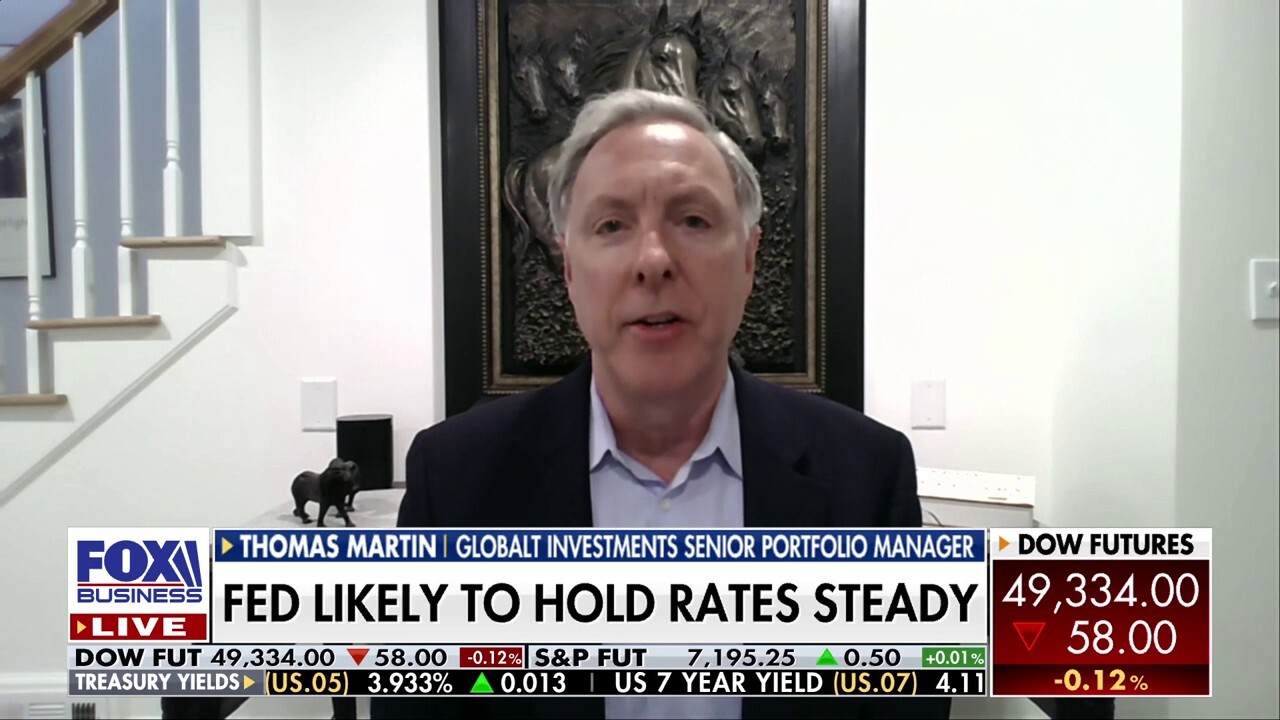
Take three immediate actions: (1) Lock in ocean freight rates for Q2-Q3 shipments within the next 7-10 days before rates increase further; contact your freight forwarder or 3PL provider today. (2) Audit your inventory by category and cost structure; identify SKUs with margins below 15% and consider discontinuing or repricing them. (3) Evaluate nearshoring opportunities: request quotes from Vietnam, India, and Mexico suppliers for your top 20% of SKUs by volume. The news indicates geopolitical tensions will persist (Trump called off negotiations), so expect sustained fuel surcharges through at least Q2. Simultaneously, monitor consumer spending via your platform analytics; the S&P 500 flat performance suggests discretionary spending may decline, so prioritize inventory turnover over margin expansion in the short term.