




OpenAI Governance Crisis Reshapes AI Tool Accessibility for E-Commerce Sellers
- $1 trillion AI platform faces restructuring; potential impact on ChatGPT API pricing, seller automation tools, and competitive landscape for Amazon/Shopify integrations





































Overview
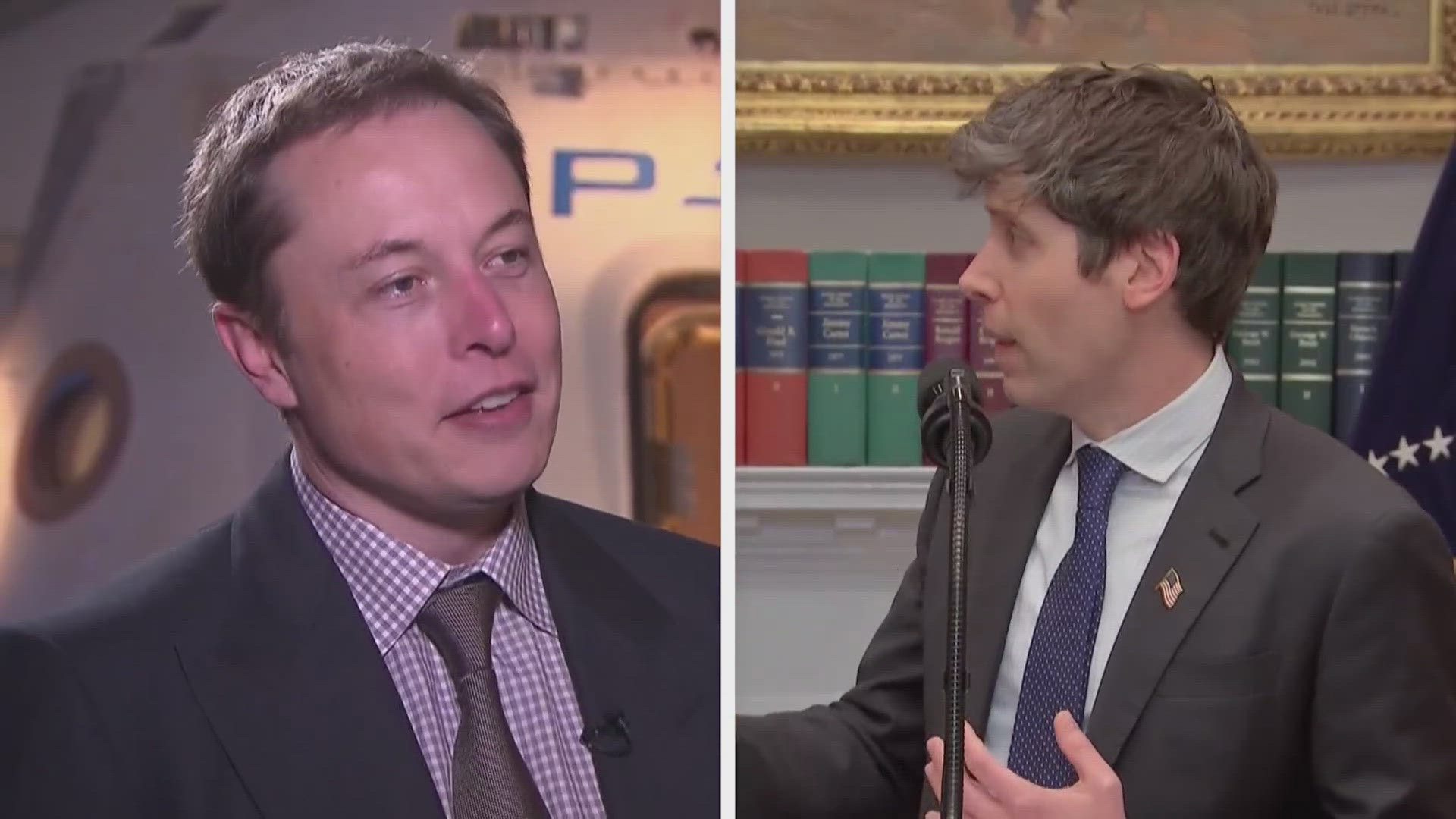
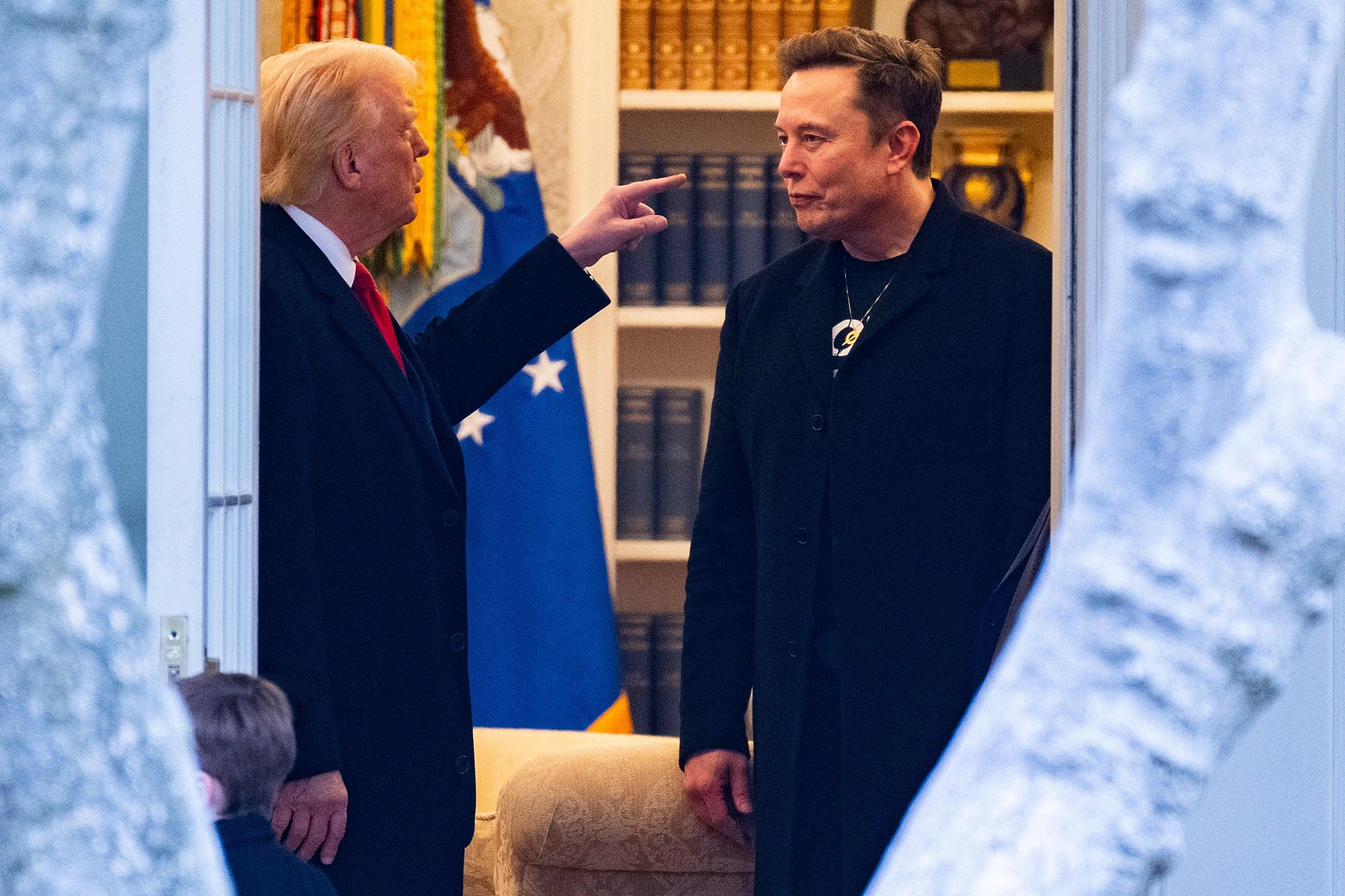
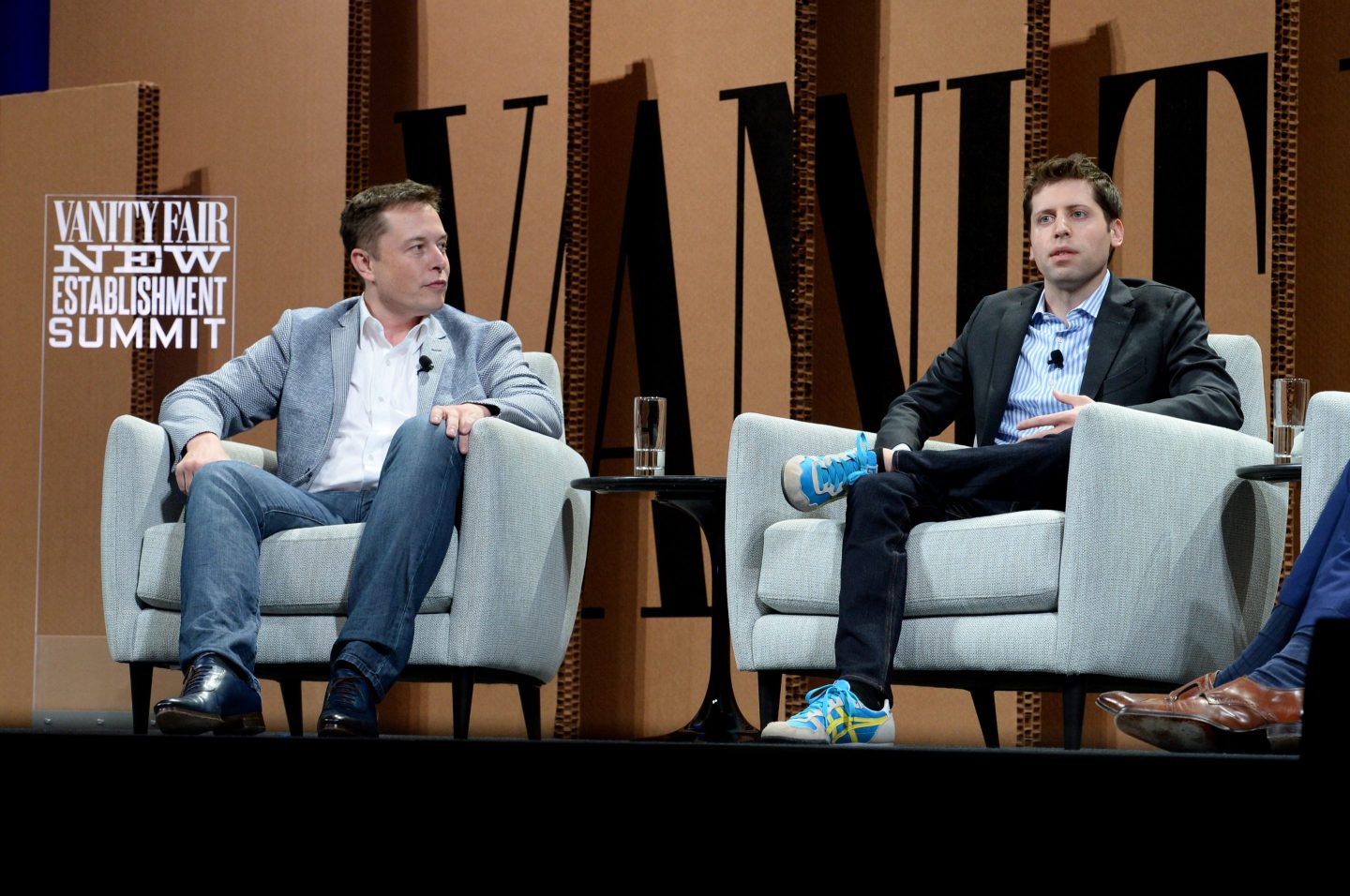
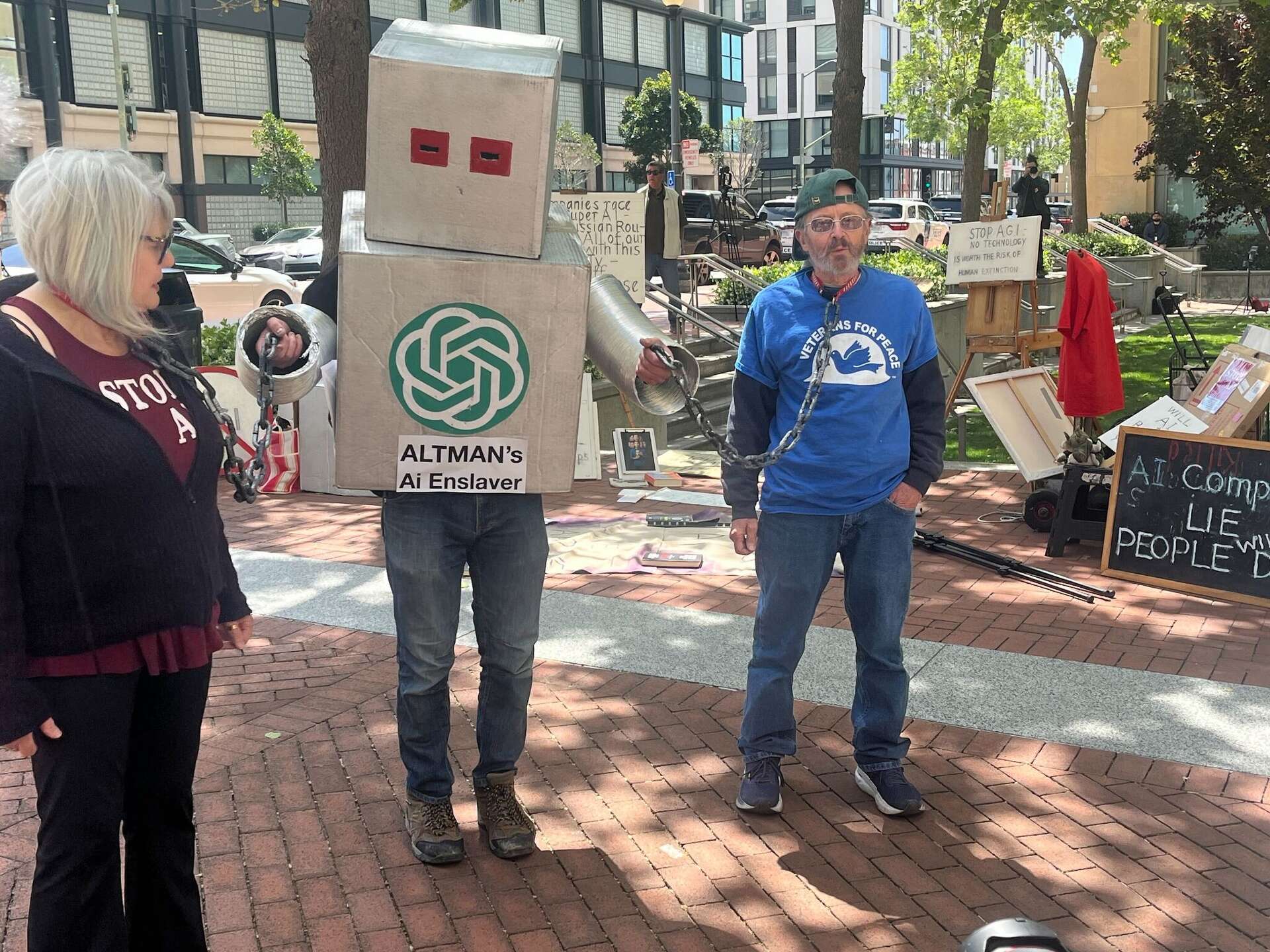
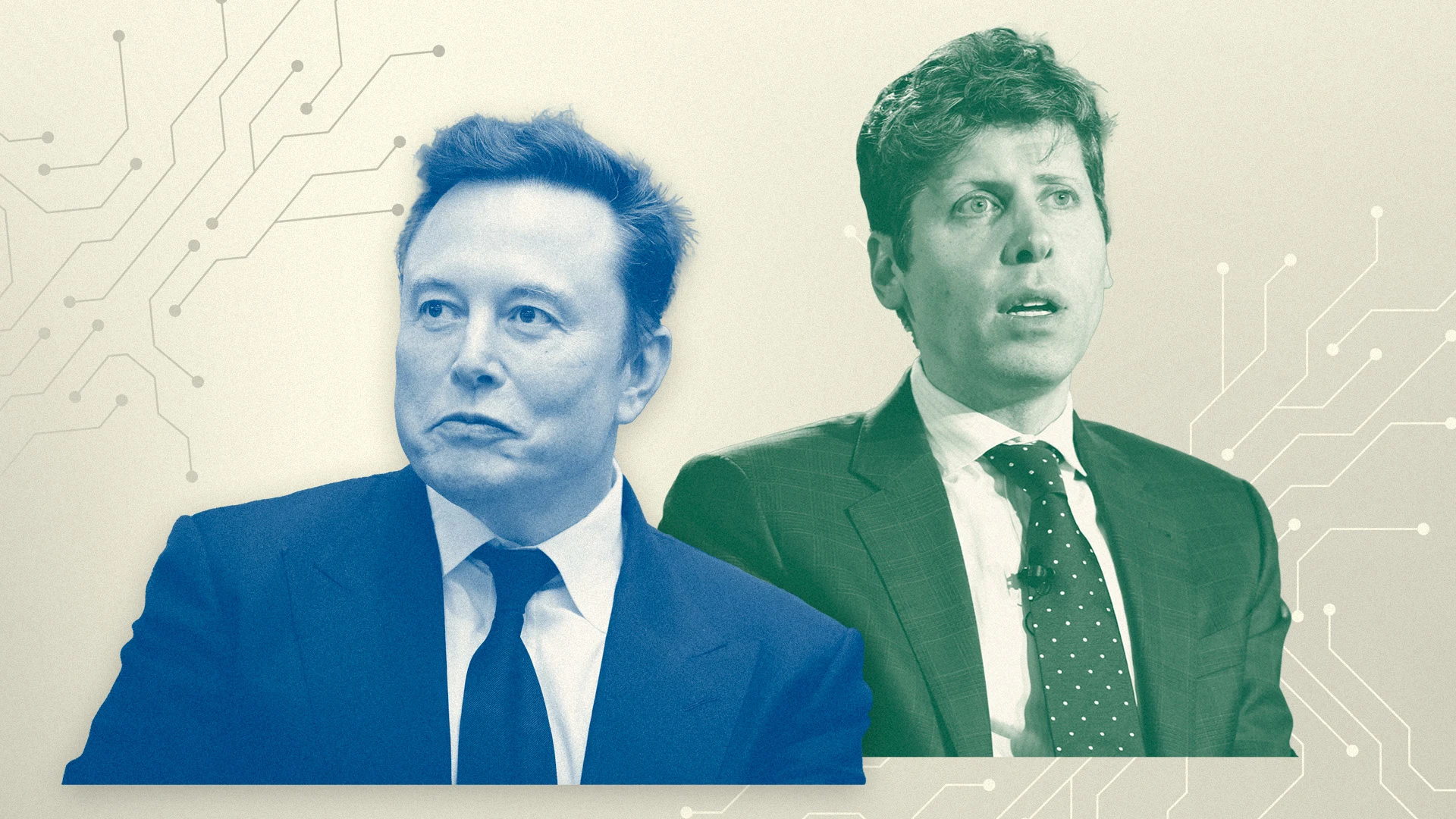
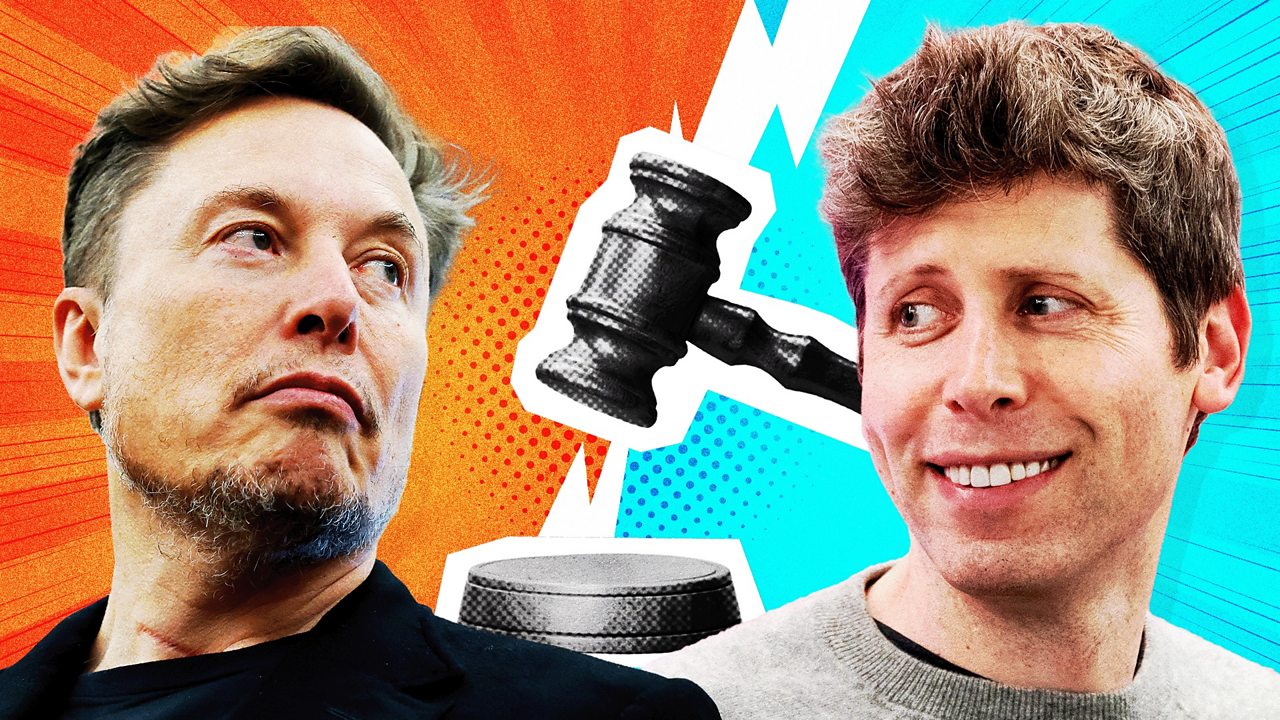
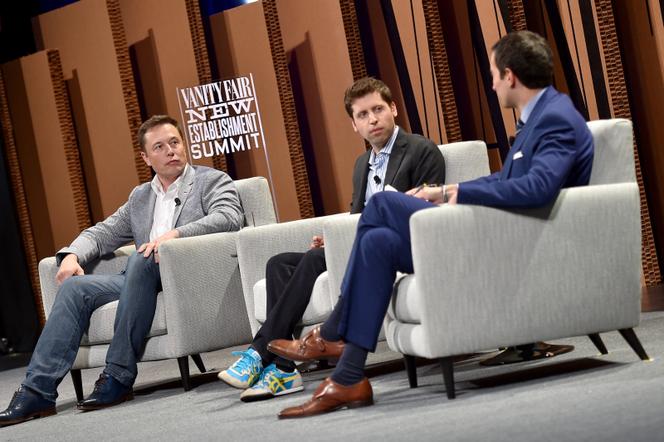
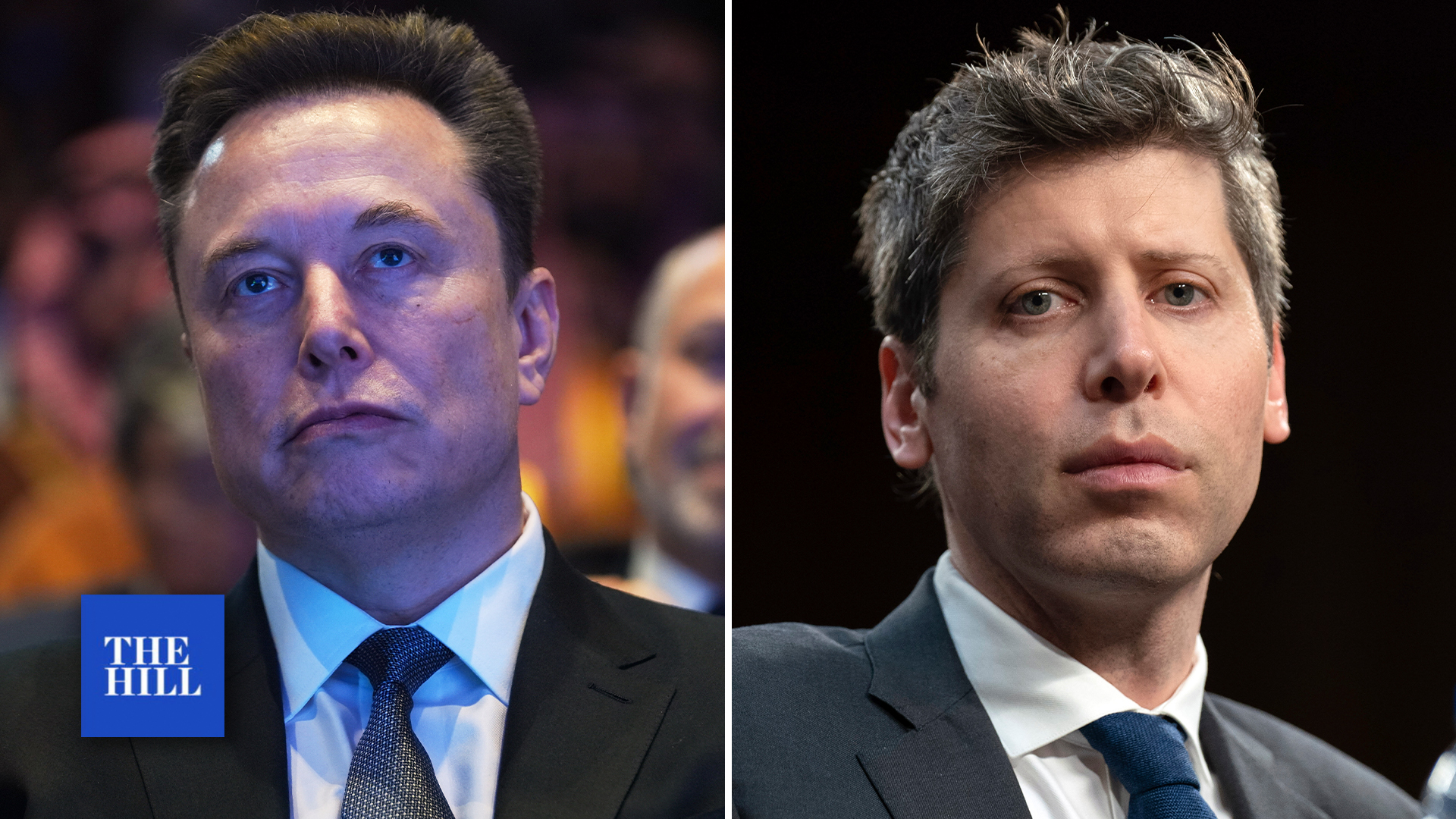
The high-stakes legal battle between Elon Musk and Sam Altman over OpenAI's 2019 nonprofit-to-for-profit conversion (trial begins April 27, 2026 in Oakland) carries significant implications for e-commerce sellers relying on AI-powered business tools. OpenAI's current $1 trillion valuation and 1 billion weekly active users underscore the platform's dominance in generative AI—technology increasingly embedded in seller automation, product research, listing optimization, and customer service solutions.
AI Tool Accessibility & Pricing Pressure: E-commerce sellers currently leverage OpenAI's ChatGPT API and GPT-4 models for inventory management, keyword research, and content generation at competitive rates. If Musk prevails and forces OpenAI's restructuring to nonprofit status, the company's $122 billion funding round and planned IPO would be unwound, potentially disrupting API pricing models and service availability. Alternatively, if OpenAI maintains for-profit status, continued capital raises could drive API costs upward—directly impacting sellers' operational budgets. Sellers using ChatGPT for product description automation, competitor analysis, and customer support chatbots face 15-30% cost increases if OpenAI prioritizes shareholder returns over accessibility.
Competitive Landscape Fragmentation: Musk's competing xAI platform (launched 2023) and Microsoft's $122 billion OpenAI investment create a three-way AI competition affecting seller tool ecosystems. Amazon, Shopify, and eBay are integrating AI capabilities into their platforms—Amazon's Selling Partner API now includes AI-powered demand forecasting, while Shopify offers AI-driven product recommendations. A destabilized OpenAI could accelerate platform-native AI adoption, forcing sellers to migrate from third-party ChatGPT integrations to proprietary tools with different pricing, capabilities, and data privacy terms. This fragmentation increases switching costs and reduces seller negotiating power.
Governance Precedent for Tech Platforms: The trial raises fundamental questions about corporate transformation rights and fiduciary responsibilities—directly relevant to sellers dependent on platform stability. If courts establish precedent that nonprofit-to-for-profit conversions can be unwound, it signals regulatory scrutiny of tech platform governance structures. This could influence how Amazon, eBay, and Shopify manage their own corporate structures and seller policies, potentially leading to more restrictive fee structures or policy changes justified by "fiduciary obligations to shareholders."
Immediate Seller Implications: Sellers should monitor API pricing announcements during the trial (April-May 2026) and evaluate alternative AI tools (Google's Gemini API, Anthropic's Claude, open-source models) to reduce OpenAI dependency. The trial's one-month duration and high-profile witness testimony (Satya Nadella, Microsoft CEO) will likely generate media coverage affecting investor sentiment in AI stocks—potentially impacting seller access to venture-backed tools and startup integrations.
Questions 8
When should sellers lock in ChatGPT API pricing before the trial verdict?
Sellers should secure long-term API pricing commitments before June 2026 (expected trial verdict). OpenAI currently offers no long-term price guarantees, but sellers can: (1) Prepay for API credits at current rates (typically 5-10% discount for $100+ prepayments); (2) Negotiate volume discounts directly with OpenAI's enterprise sales team if spending $5,000+/month; (3) Migrate critical workflows to alternative APIs with published pricing (Google Gemini, Anthropic Claude) to reduce OpenAI dependency. Sellers using ChatGPT for 100+ daily API calls should budget for potential 20-30% cost increases post-verdict and identify cost-saving alternatives (batch processing, caching, model downgrading from GPT-4 to GPT-3.5) to implement if pricing spikes.
How could the trial outcome affect AI tool availability on Amazon, Shopify, and eBay?
All three platforms are integrating OpenAI technology into seller tools: Amazon's Selling Partner API includes GPT-powered demand forecasting, Shopify's AI product recommendations use OpenAI models, and eBay's automated pricing tools leverage generative AI. If OpenAI's restructuring disrupts API availability or pricing, these platforms may accelerate development of proprietary AI models or switch to competing APIs. This could create a 3-6 month transition period where seller tools experience reduced functionality or temporary unavailability. Sellers should document their current AI tool dependencies (which features rely on OpenAI) and request platform roadmaps from Amazon, Shopify, and eBay regarding AI tool continuity. A trial verdict favoring Musk could trigger immediate platform announcements about AI tool changes, while an Altman victory would likely result in gradual, incremental updates.