



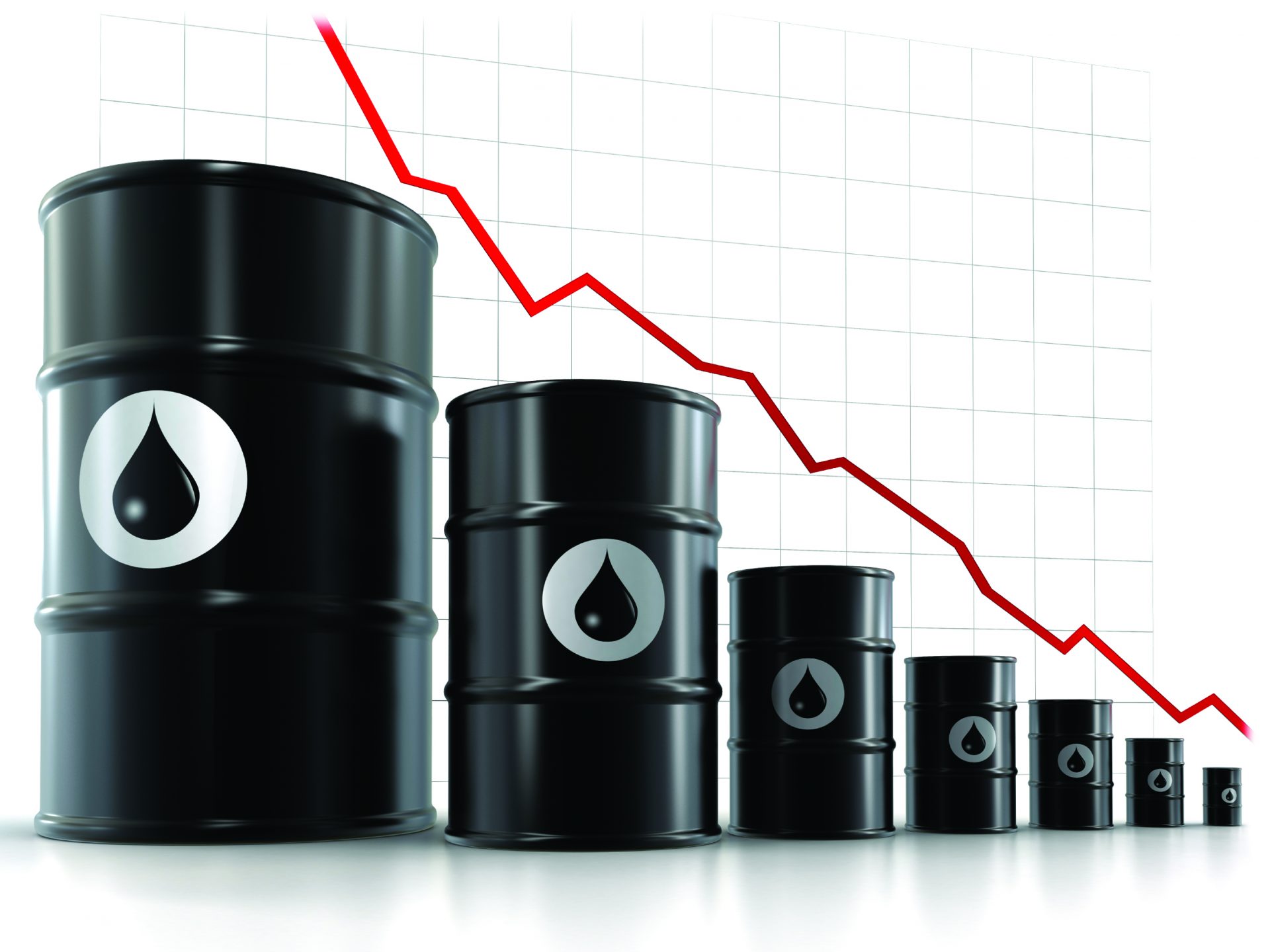
Hormuz Crisis Drives Oil Surge | Cross-Border Sellers Face 8-15% Shipping Cost Increases
- Goldman Sachs raises oil forecasts amid maritime tensions; sellers managing multi-region inventory face elevated fuel surcharges and logistics uncertainty through 2026
























Overview
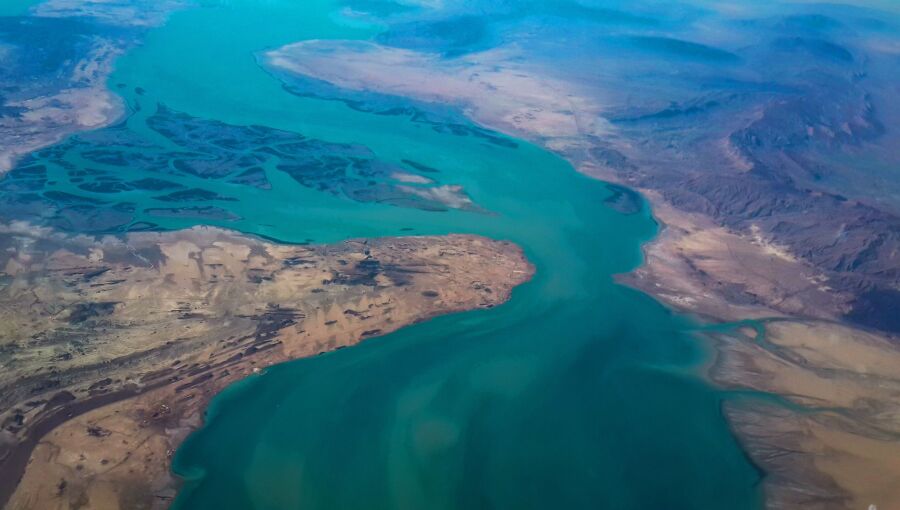
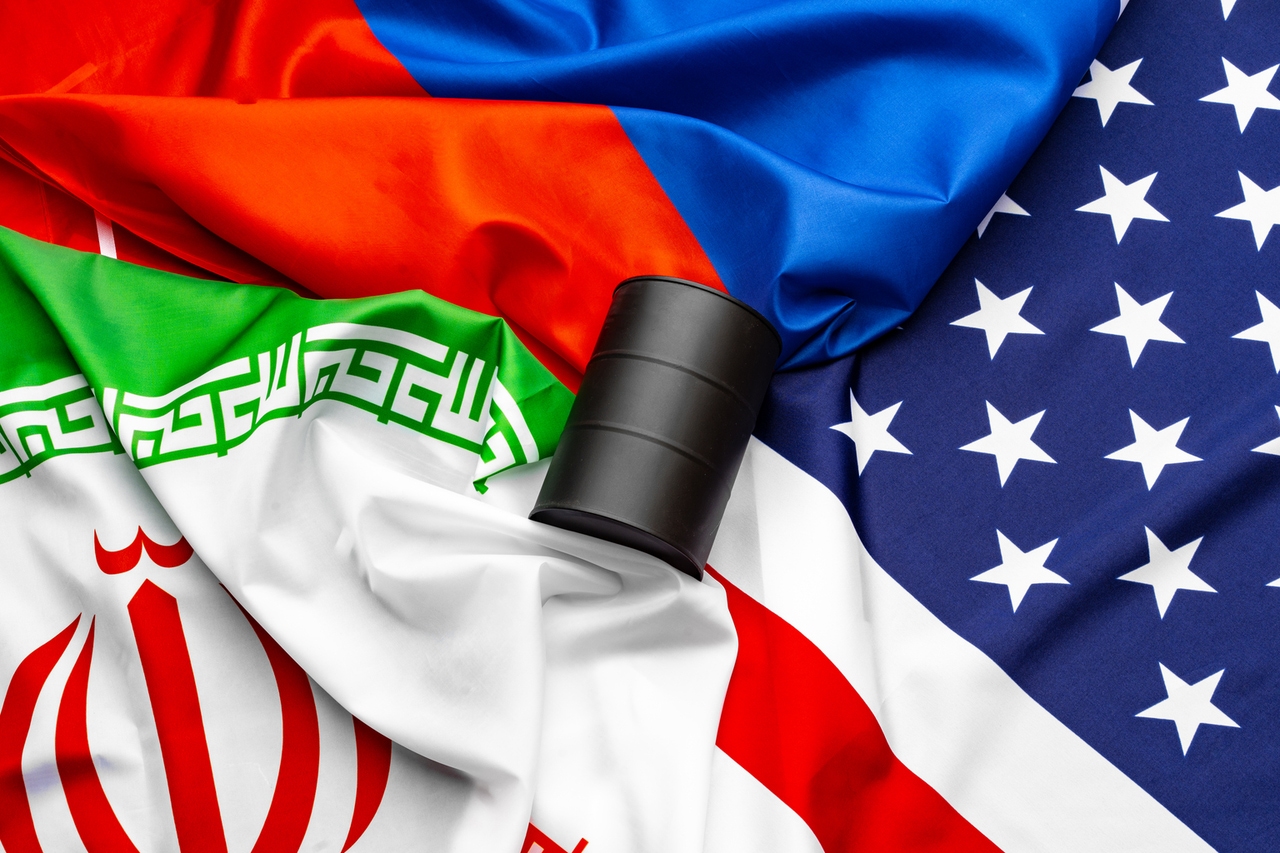
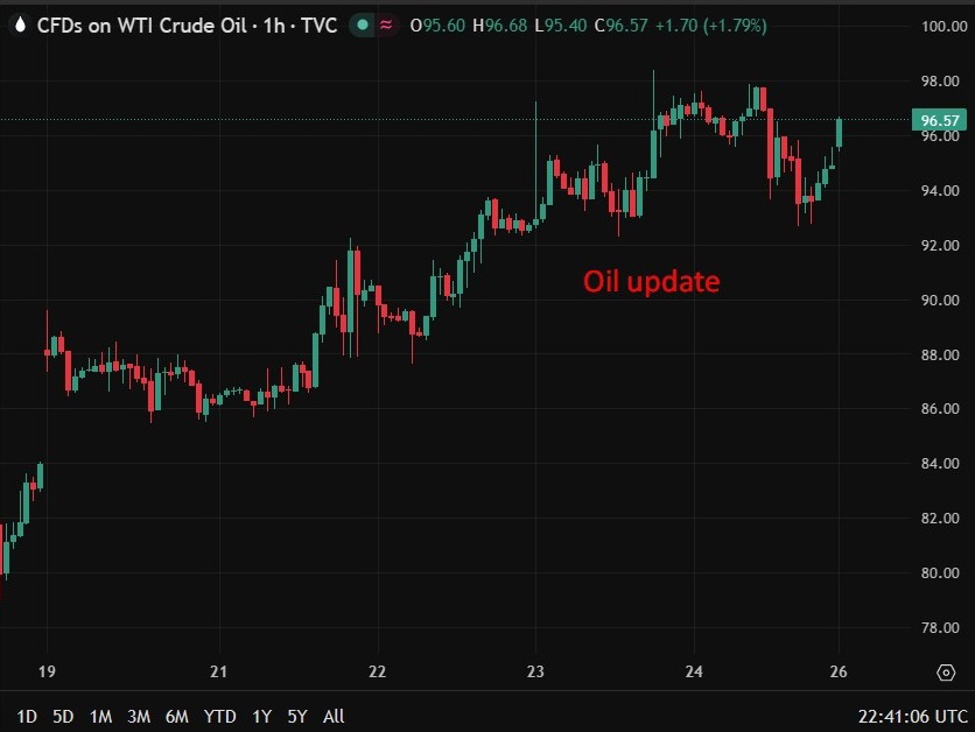
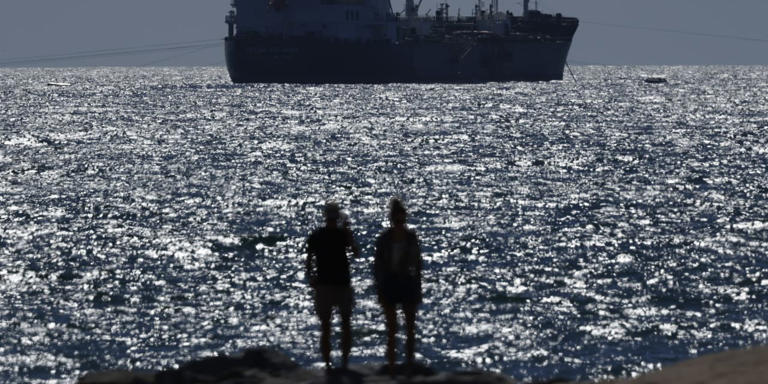
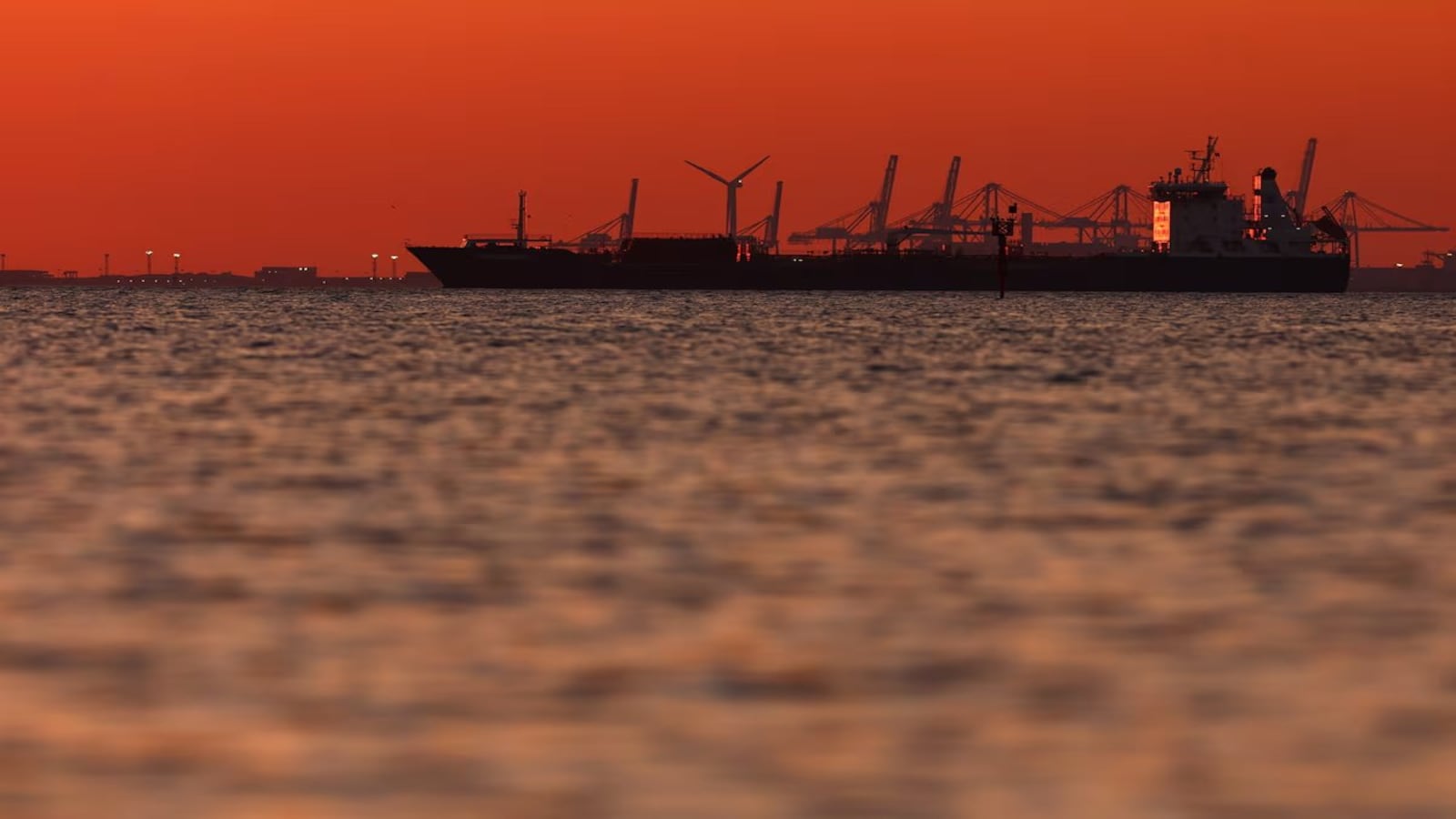
The escalating geopolitical standoff in the Strait of Hormuz since late February 2026 represents a critical supply chain risk for cross-border e-commerce sellers. Goldman Sachs analyst Jared Cohen describes ongoing "maritime trench warfare" between U.S. and Iranian forces, with Iranian fast-attack boats targeting commercial vessels while the U.S. Navy maintains blockades on Iran-linked shipping. This conflict directly impacts approximately one-third of global seaborne oil trade flowing through this strategic chokepoint. Goldman Sachs has repeatedly raised oil price forecasts, embedding a geopolitical risk premium that translates directly into elevated logistics costs for sellers.
For cross-border e-commerce sellers, this crisis creates immediate and structural cost pressures across fulfillment operations. Rising oil prices increase freight forwarding fees, carrier surcharges, and last-mile delivery expenses—with sellers relying on air freight or expedited shipping facing particularly acute cost pressures. Industry analysis suggests sellers managing multi-region inventory should anticipate 8-15% increases in shipping costs, with fuel surcharges potentially adding $200-400 monthly for sellers shipping 1,000+ units. The uncertainty extends beyond immediate price spikes; Goldman Sachs warns of potential economic disaster within two months if the standoff continues, creating volatility in logistics planning and cost forecasting.
The strategic dimension adds complexity: Gulf Cooperation Council states are actively diversifying energy routes to reduce Hormuz exposure. Saudi Arabia utilizes the East-West Pipeline to the Red Sea, while the UAE plans to reduce Hormuz dependency from 50% to zero within 2.5-3 years via pipelines to Fujairah on the Gulf of Oman. This infrastructure shift signals prolonged supply chain uncertainty rather than near-term resolution. Sellers should recognize this as a structural shift requiring strategic adjustments to pricing models, inventory positioning, and carrier relationships. The "sloppy peace" scenario outlined by Goldman Sachs—where oil tankers transit freely but Iran retains closure capability—suggests elevated baseline energy costs will persist indefinitely, fundamentally altering supply chain economics for cross-border commerce.
Questions 7
Which seller segments face the highest logistics cost impact from the Hormuz standoff?
Sellers managing multi-region inventory with just-in-time supply chains face maximum exposure, as they cannot absorb cost increases through inventory buffers. Small-to-medium sellers (SMBs) shipping 500-2,000 units monthly lack negotiating power with 3PL providers and face fixed surcharges that compress margins 5-8%. Sellers in high-margin categories (electronics, luxury goods) can absorb costs better than those in low-margin segments (apparel, home goods). Sellers relying on expedited shipping to maintain Amazon Buy Box eligibility face disproportionate cost increases, as premium shipping rates embed higher fuel cost percentages.
How much will the Hormuz crisis increase shipping costs for cross-border sellers?
Goldman Sachs' repeated upward oil price adjustments suggest sellers should anticipate 8-15% increases in overall shipping costs, with fuel surcharges adding $200-400 monthly for sellers shipping 1,000+ units. Sellers relying on air freight face particularly acute pressure, as aviation fuel represents 25-30% of air cargo costs. The geopolitical risk premium embedded in oil prices creates structural cost increases rather than temporary spikes, requiring sellers to adjust pricing models and carrier contracts immediately. Monitor freight forwarding quotes weekly and lock in rates where possible before further escalation.