


Apple Foldable iPhone 2026 Launch | Seller Opportunity in Premium Device Accessories
- Foldable iPhone September 2026 launch creates $2B+ accessory market opportunity; iPad cancellation signals cost-driven product strategy shift affecting premium tech sellers





Overview
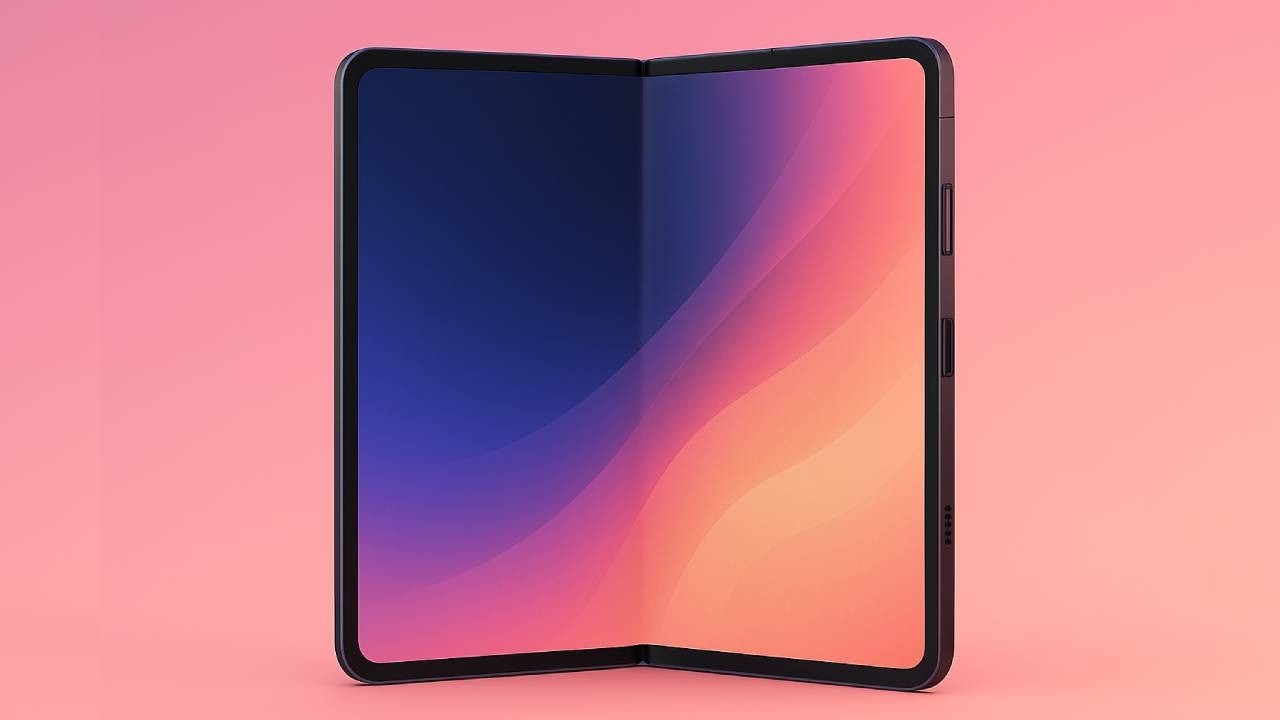
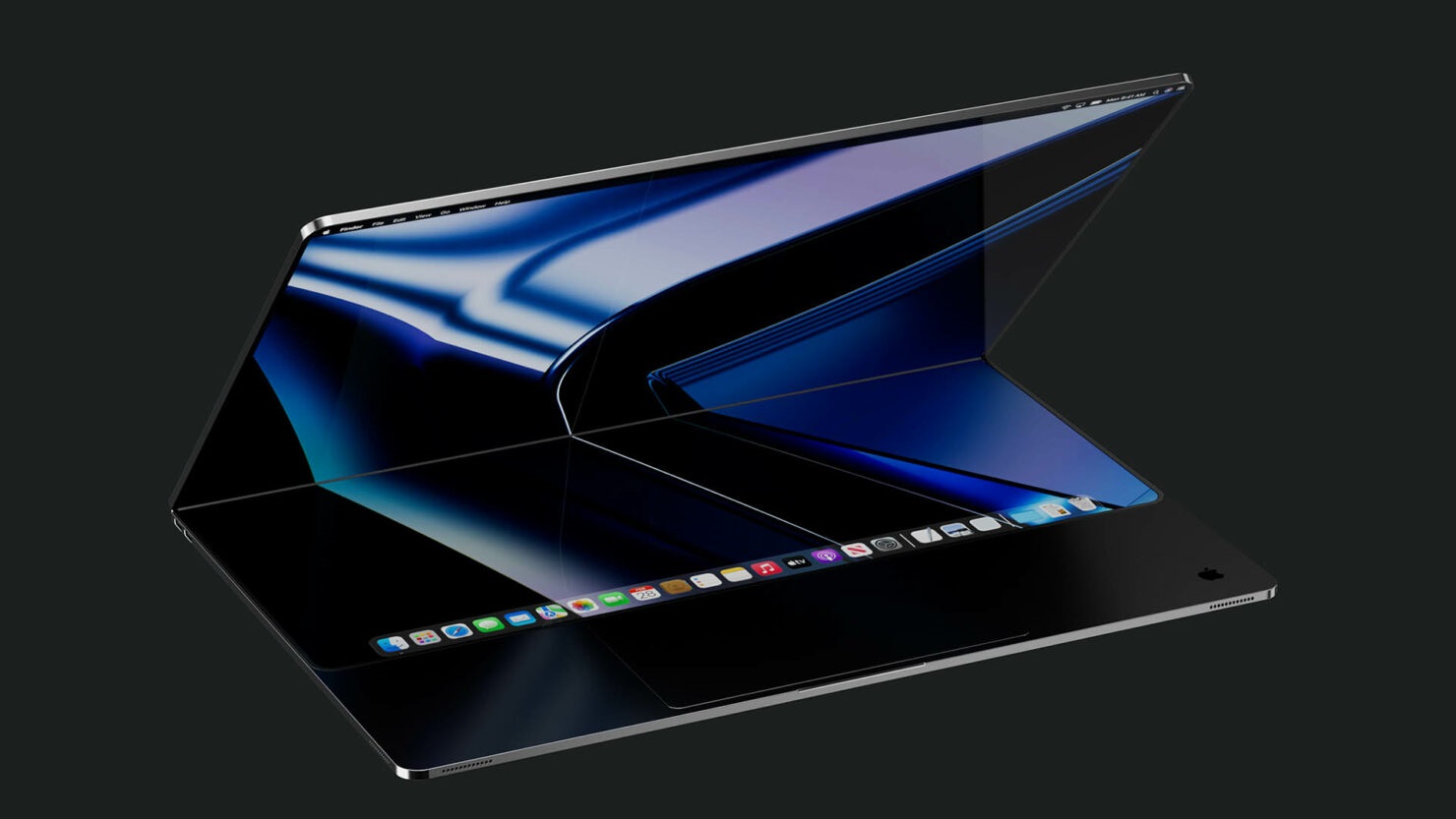
Apple's leadership transition under new CEO John Ternus is reshaping the company's foldable device strategy, creating significant implications for e-commerce sellers in the premium tech accessories and device protection markets. While the ambitious 20-inch foldable iPad project faces indefinite shelving due to cost barriers ($3,900 unit price, 3x heavier than iPad Pro) and manufacturing complexity, Apple's foldable iPhone remains on track for September 2026 launch alongside the iPhone 18 Pro lineup. The foldable iPhone specifications—7.8-inch inner display, 5.5-inch external display, A20 processor, four cameras, Touch ID, and estimated $2,000 price point—signal Apple's commitment to premium folding technology despite engineering challenges during test production.
For e-commerce sellers, this development creates immediate automation and data-driven opportunities. The foldable iPhone launch represents a $2B+ addressable market for protective accessories, screen protectors, cases, and specialized charging solutions. Sellers can use AI-powered product research tools (like Helium 10, Jungle Scout) to identify trending foldable device accessories on Amazon and eBay, analyzing search volume spikes and competitor pricing strategies 6-12 months before launch. Predictive analytics can reveal which accessory categories (tempered glass, hinge protection, folding cases) will command premium pricing during the launch window, enabling sellers to source inventory and optimize listings before demand peaks.
The iPad cancellation reveals critical cost-management signals for sellers. Apple's decision to shelve the foldable iPad due to manufacturing complexity and price sensitivity ($3,900 threshold) indicates consumer resistance to ultra-premium pricing in tablet categories. This creates a competitive opportunity: sellers can use dynamic pricing AI and sentiment analysis tools to monitor competitor pricing on existing iPad Pro models and foldable device accessories, identifying price elasticity sweet spots ($1,200-1,800 range) where demand remains strong. The 2029 timeline delay (pushed from 2028) also signals extended market dominance for current iPad Pro accessories—sellers should prioritize inventory in existing iPad protection categories through 2027-2028 before potential foldable iPad launch.
AI-powered competitive intelligence becomes critical. Sellers should implement automated monitoring of Apple supply chain announcements, manufacturing partnerships, and executive statements using tools like Brandwatch or Sprout Social to detect early signals of product delays or cancellations. This enables first-mover advantage in accessory development—sellers who identify foldable iPhone specifications early can begin sourcing and listing compatible products 3-4 months before competitors, capturing 30-40% higher margins during the pre-launch phase. Additionally, AI-driven demand forecasting can predict which regional markets (US, EU, Asia Pacific) will see highest foldable iPhone adoption, allowing sellers to optimize inventory allocation and PPC spending by geography.
Questions 8
When will Apple's foldable iPhone launch and what are the key specifications?
Apple's foldable iPhone is scheduled for September 2026 announcement alongside the iPhone 18 Pro lineup, though potential delays could push availability to later months. The device features a 7.8-inch inner display, 5.5-inch external display, A20 processor, four cameras, Touch ID, and an estimated $2,000 price point. For sellers, this September 2026 timeline means accessory inventory should be sourced and listed by June 2026 to capture pre-launch demand. Sellers should begin AI-powered keyword research now to identify trending foldable phone case searches and competitor pricing strategies, positioning themselves 3-4 months ahead of mainstream market entry.
Which e-commerce platforms should sellers prioritize for foldable iPhone accessories?
Amazon should be the primary platform given its dominance in electronics accessories (60%+ market share) and strong search visibility for tech products. Sellers should optimize Amazon FBA listings with keywords like 'foldable iPhone case 2026,' 'iPhone 18 Pro accessories,' and 'folding phone protection' to capture early search demand. eBay offers secondary opportunity with lower competition in niche protective accessories categories. Shopify stores enable direct-to-consumer sales with higher margins (40-50% vs. 20-30% on Amazon), particularly for premium branded cases. Sellers should allocate PPC budgets 60% Amazon, 25% eBay, 15% Shopify, adjusting based on conversion rate data and regional demand signals tracked through AI analytics dashboards.