

OpenAI AI Agent Phone 2028 | Sellers' Guide to Hardware-Software Integration Opportunities
- Mass production timeline creates 3-year runway for sellers to develop complementary AI accessories, services, and distribution strategies in $150B+ smartphone market






)





















Overview
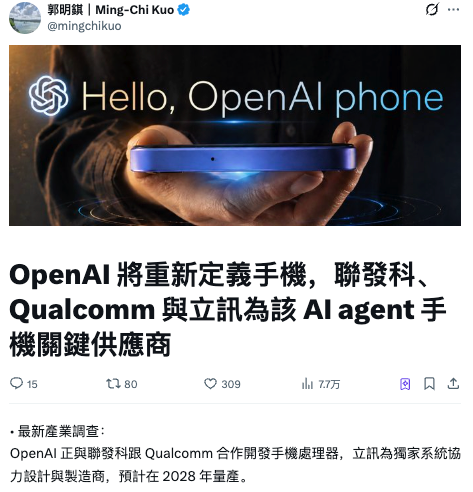
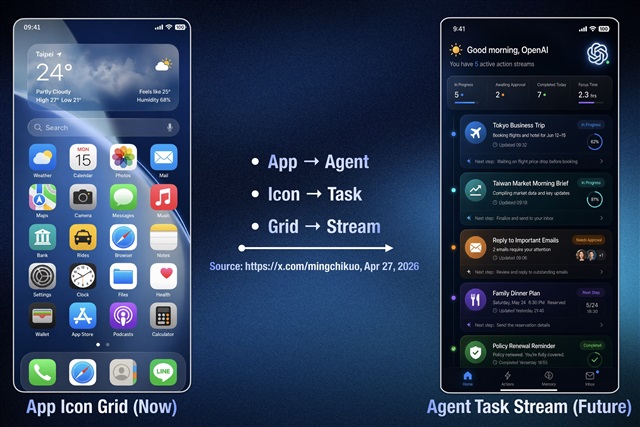
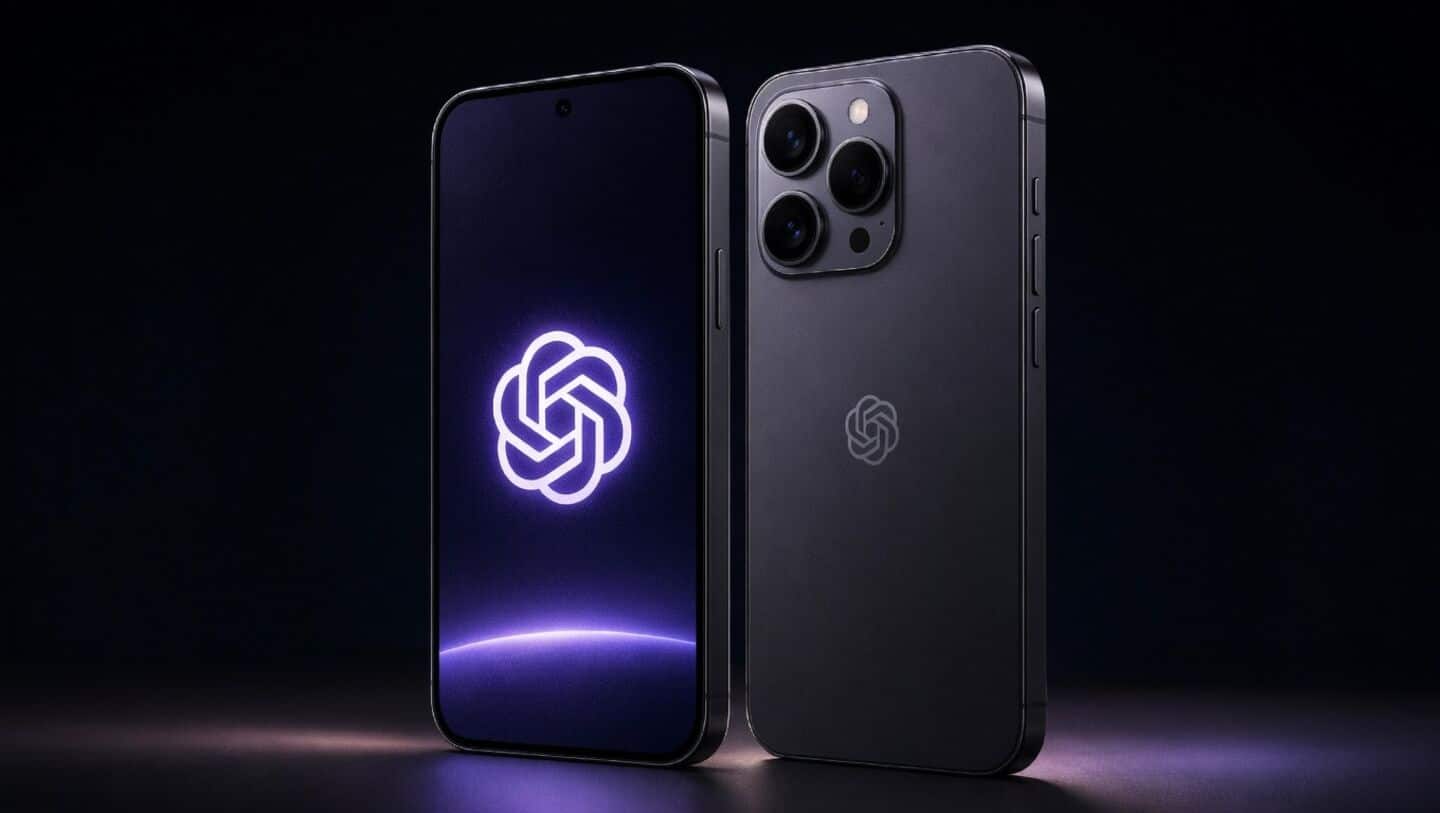
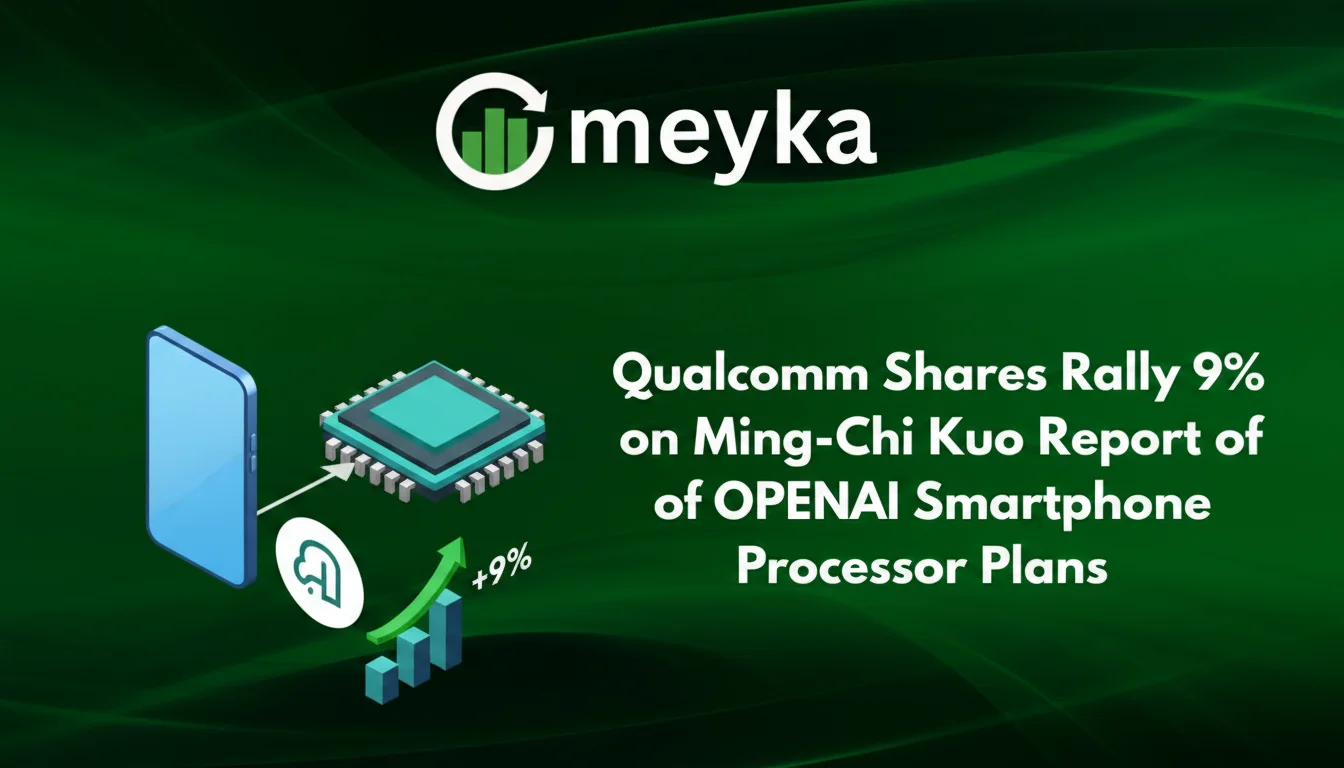
OpenAI's strategic partnership with Qualcomm, MediaTek, and Luxshare signals a fundamental shift in smartphone design philosophy—from app-grid interfaces to autonomous AI agents that perform tasks on users' behalf. Mass production is targeted for 2028, with Qualcomm shares surging 7% on the announcement while the chipmaker has declined 13% year-to-date. This represents a critical inflection point for cross-border e-commerce sellers, as the success of AI agent phones could reshape consumer purchasing patterns and create entirely new product categories within the $150B+ global smartphone market.
The competitive advantage lies in complete hardware-software integration. Unlike Humane's failed AI Pin accessory, OpenAI's approach mirrors Apple's potential advantage: controlling both operating system and hardware enables system-level permissions and deep user data access essential for effective AI agents. OpenAI's $6.4B acquisition of Jony Ive's design startup (io) and Luxshare's September 2025 production deal demonstrate serious execution capability. The device will likely run Android, leveraging existing telephony infrastructure rather than requiring custom OS development—accelerating time-to-market and reducing technical risk.
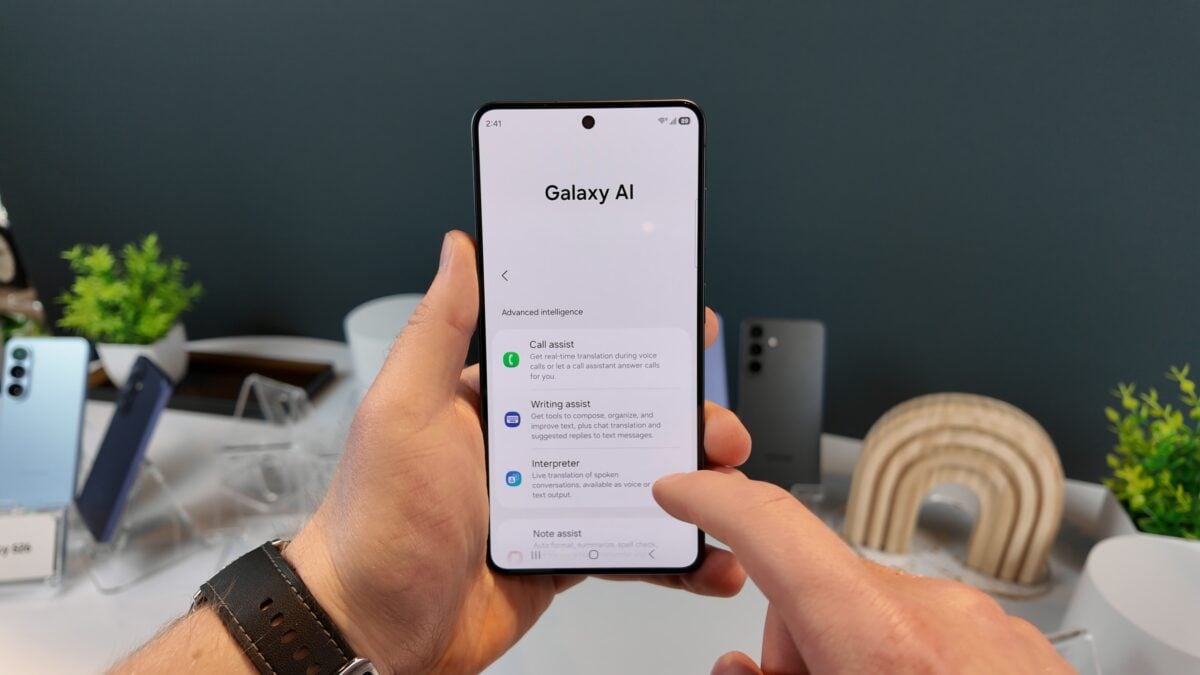
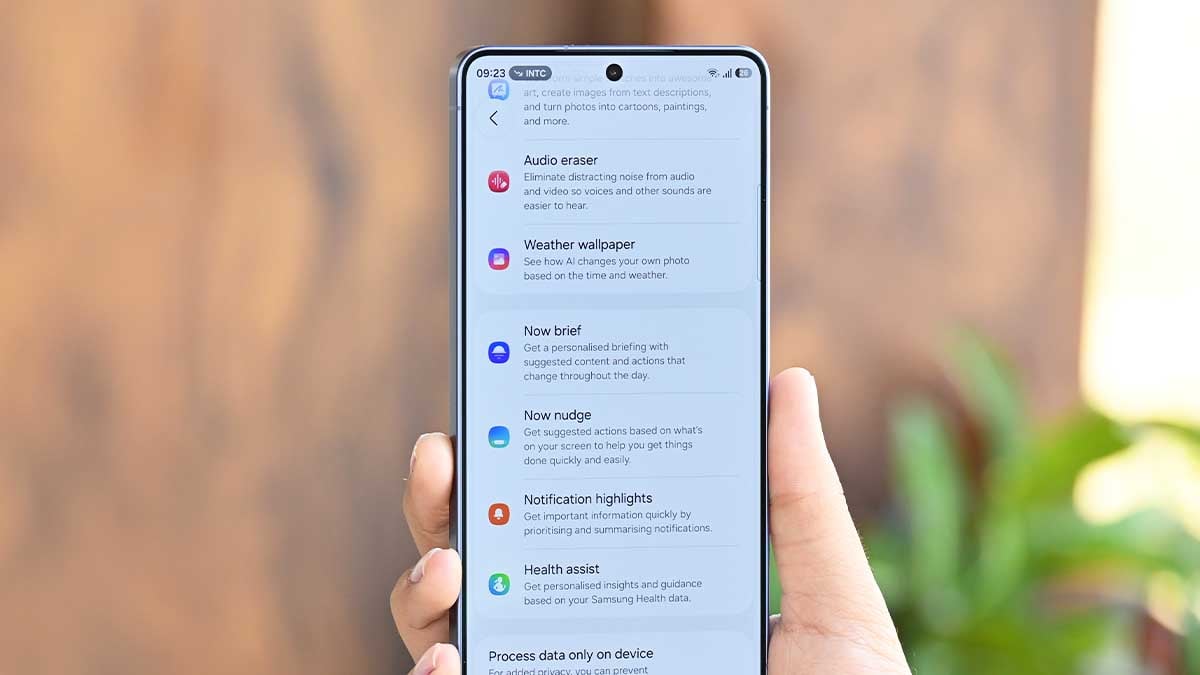
For e-commerce sellers, this creates immediate and long-term opportunities across multiple vectors. The 2028 production timeline provides a 3-year runway to develop complementary offerings: AI-optimized phone accessories (charging solutions, protective cases designed for agent-centric interfaces), productivity software integrations, and B2B supply chain solutions. The smartphone market is already shifting toward this model—Google's Pixel 10 series features Magic Cue task anticipation, Samsung's Galaxy S26 enables voice-controlled app automation, and China's Duobao Phone has already implemented comprehensive AI agent functionality. This indicates consumer demand is accelerating faster than OpenAI's hardware timeline.
Sellers should immediately focus on three strategic areas: (1) AI accessory development for devices optimized around voice/gesture interfaces rather than traditional touchscreen navigation; (2) Integration partnerships with emerging AI agent ecosystems that OpenAI may bundle with hardware subscriptions; (3) Supply chain positioning to capture demand from Luxshare's expanded manufacturing capacity, which elevates the company beyond typical Foxconn-like roles. The announcement's market impact—Qualcomm's 7% stock surge—demonstrates investor confidence in AI hardware as a multi-year growth driver, suggesting sustained demand for complementary products and services through 2028 and beyond.
Questions 8
How should sellers prepare for the 2028 OpenAI phone launch?
Sellers should immediately focus on three strategic areas: (1) develop AI-optimized accessories for voice/gesture-centric interfaces, including charging solutions and protective cases designed for agent-centric navigation; (2) explore integration partnerships with emerging AI agent ecosystems that OpenAI may bundle with hardware subscriptions; (3) position supply chain capabilities to capture demand from Luxshare's expanded manufacturing. The 3-year runway provides time to develop complementary offerings before mass production. Monitor how existing AI agent implementations (Google Pixel 10's Magic Cue, Samsung Galaxy S26's automation, Duobao Phone's features) influence consumer behavior, as these early adopters signal demand acceleration. Consider developing B2B solutions for the technology supply chain, as specialized hardware will be essential for next-generation AI applications.
How does OpenAI's approach differ from Apple's potential AI agent strategy?
OpenAI is building dedicated hardware optimized for AI agents, while Apple could deploy agentic AI features through a single software update to its 1.5 billion active iPhones. OpenAI's advantage is purpose-built hardware with custom processors optimized for AI inference, while Apple's advantage is instant distribution to an existing installed base. OpenAI's partnership with Jony Ive suggests sophisticated hardware design, but Apple's ecosystem control and user data access could enable rapid AI agent deployment. Industry analysts predict both approaches will coexist, with OpenAI capturing premium AI-first buyers while Apple leverages its existing customer base.