


Strait of Hormuz Geopolitical Risk | Critical Shipping Cost Impact for Cross-Border Sellers
- Handles 21% of global petroleum trade; ongoing blockade threatens 8-15% shipping cost increases for sellers using Asia-Europe routes through Q2 2026














Overview
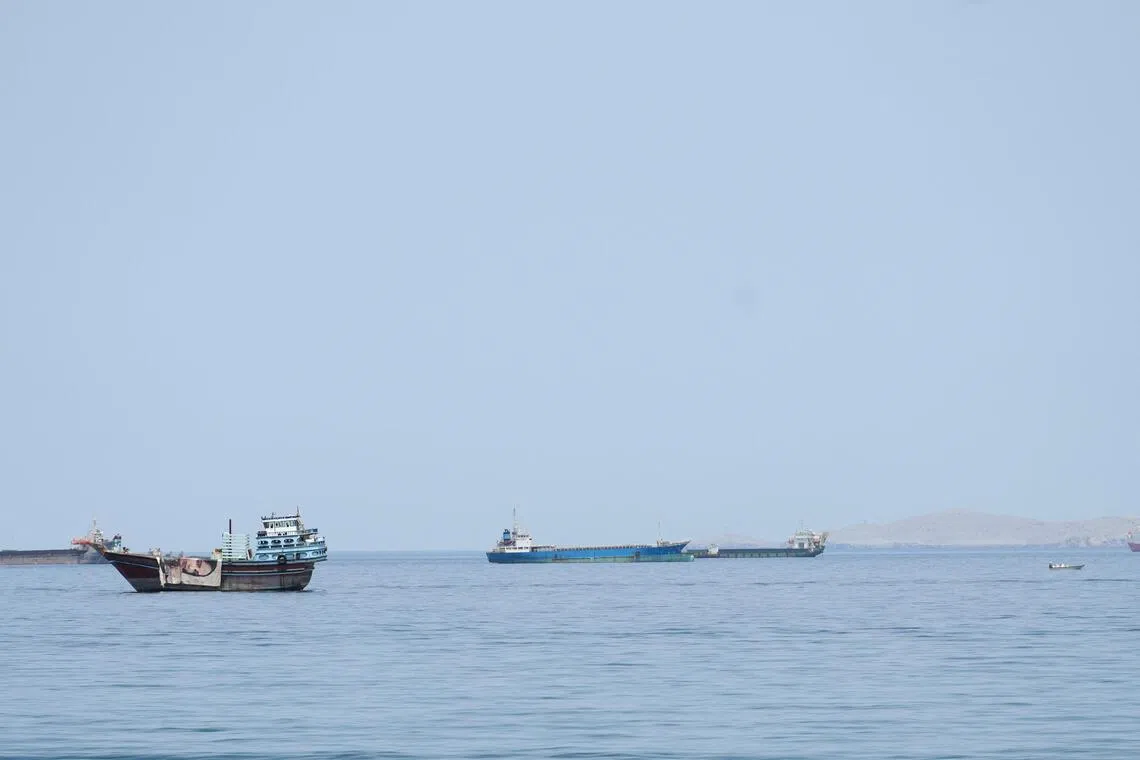
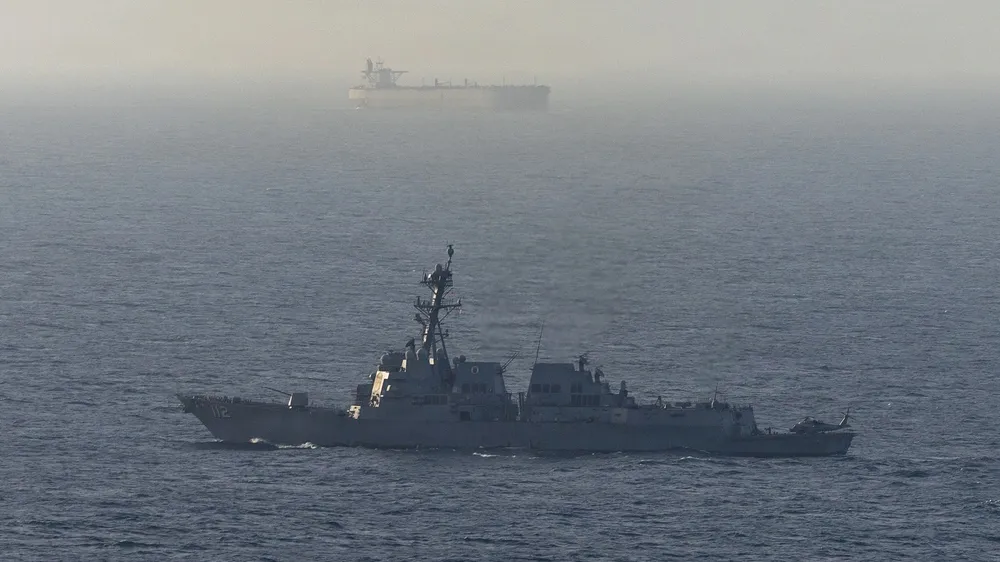
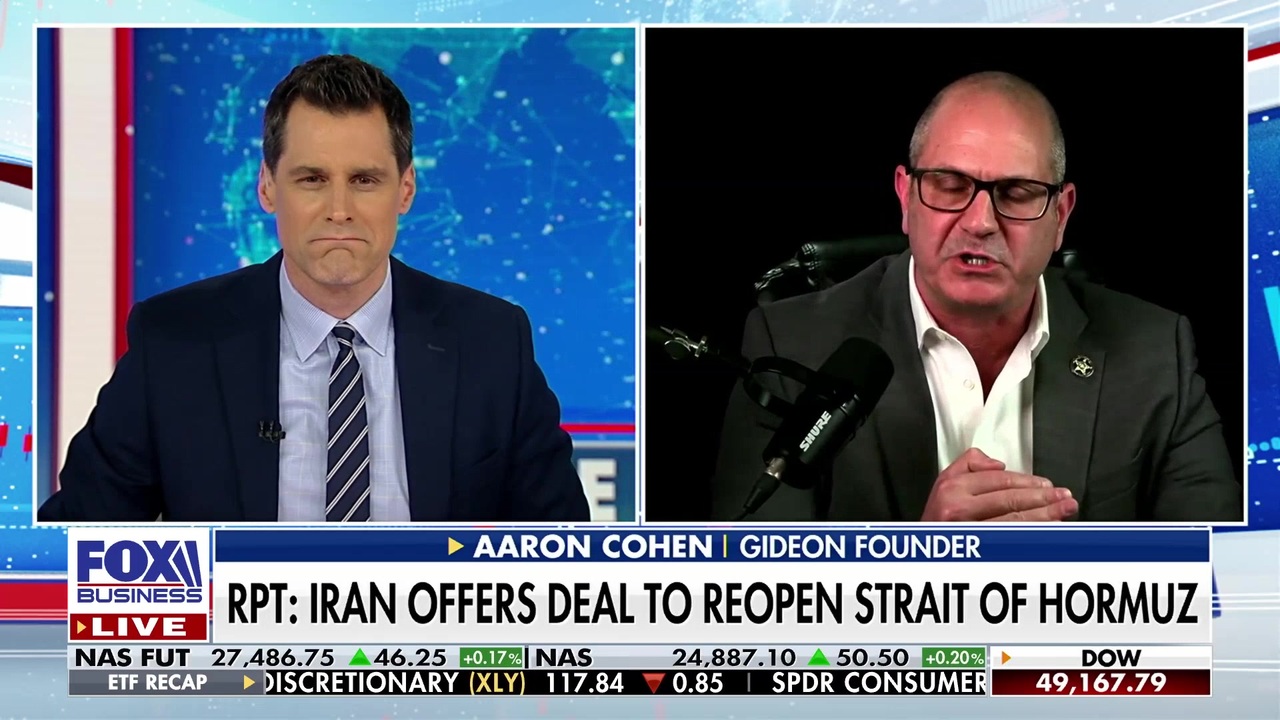
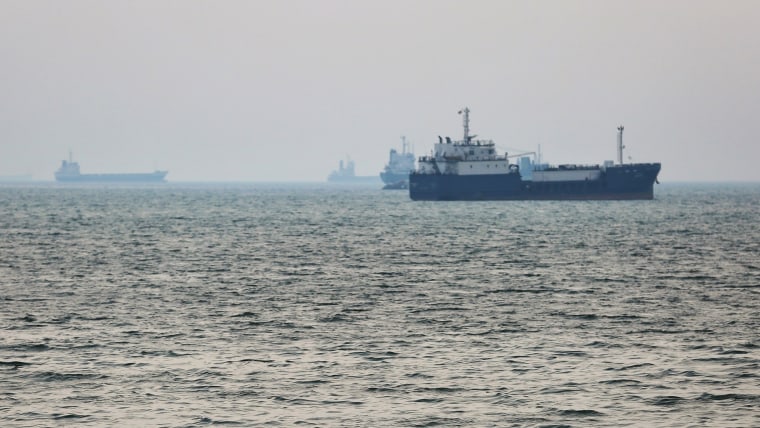
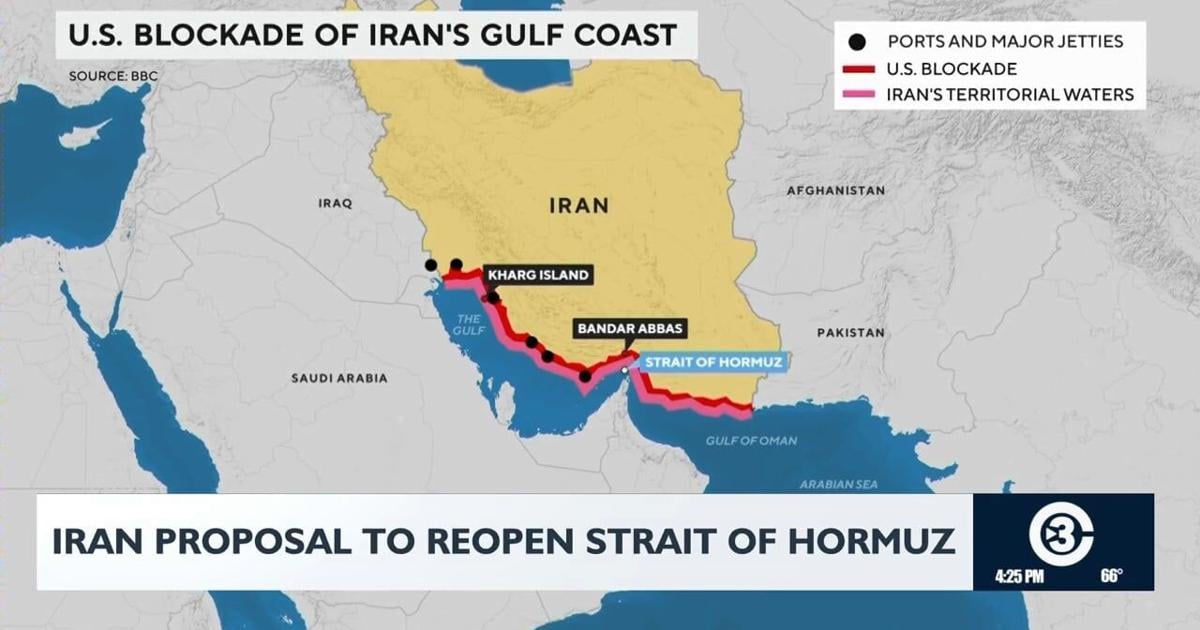
The ongoing U.S.-Iran negotiations regarding the Strait of Hormuz represent a critical supply chain risk for cross-border e-commerce sellers, particularly those shipping high-volume inventory between Asia and Europe. As of April 27, 2026, President Trump rejected Iran's proposal to reopen the strategic waterway, maintaining hardline demands on nuclear enrichment discussions. The Strait of Hormuz handles approximately 21% of global petroleum trade, making it one of the world's most critical shipping corridors. For e-commerce sellers, this geopolitical deadlock directly translates to elevated shipping costs, extended transit times, and increased insurance premiums on containerized goods moving through the region.
Immediate Shipping Cost Impact: Sellers utilizing Asia-Europe trade routes face 8-15% premium increases on freight rates due to extended routing around Africa (Cape of Good Hope alternative), adding 10-14 additional days to transit times. This affects sellers in high-volume categories including electronics (HS 8471-8517), apparel (HS 6204-6209), and consumer goods (HS 9406-9406). Small-to-medium sellers (SMBs) shipping 500-2,000 units monthly via FCL (full container load) face $1,200-$3,500 additional monthly costs, while larger sellers with 5,000+ unit monthly volumes experience $8,000-$18,000 cost increases. The blockade uncertainty also inflates insurance premiums by 3-5%, adding another $400-$1,200 monthly for typical SMB shipments.
Strategic Sourcing Implications: The prolonged uncertainty incentivizes sellers to diversify sourcing away from Asia-dependent supply chains. Sellers currently sourcing 70-80% from China/Vietnam should evaluate nearshoring opportunities to Mexico (HS 8517 electronics assembly), India (HS 6204 apparel), and Eastern Europe (HS 3004 pharmaceuticals). These alternatives reduce Hormuz exposure but typically carry 5-12% higher unit costs, requiring margin compression or price increases of 3-8% to maintain profitability. Sellers with existing inventory in Asian ports face immediate decisions: hold for potential route normalization (risking 2-4 week delays) or accept premium rerouting costs immediately.
Compliance and Risk Monitoring: The ongoing negotiations create a binary outcome scenario. A deal reopening the Strait could normalize shipping by Q3 2026, allowing sellers to recover margin compression. Continued blockade extends through 2026, making alternative sourcing strategies permanent. Sellers should monitor White House announcements weekly, establish contingency 3PL relationships with African routing capabilities, and consider hedging strategies through freight forwarding contracts with fixed-rate guarantees through Q2 2026. The policy uncertainty also affects inventory planning—sellers should reduce safety stock by 15-20% to minimize working capital exposure to extended transit times.
Questions 7
What are the insurance and compliance implications of Hormuz blockade for sellers?
Insurance premiums for shipments through alternative routes increase 3-5%, adding $400-$1,200 monthly for typical SMB shipments. Sellers must verify that existing cargo insurance covers extended transit times and alternative routing—many policies include Hormuz-specific exclusions. Compliance-wise, sellers should document supply chain disruption impacts for tax purposes (potential deductions for increased logistics costs) and maintain detailed freight records for customs authorities. Additionally, sellers should review trade credit insurance policies, as extended transits increase payment default risk with suppliers.
How can sellers hedge against Hormuz shipping cost volatility?
Implement three-part hedging strategy: (1) Lock fixed-rate freight contracts with 3PL providers through Q2 2026 at current premium rates rather than spot pricing; (2) Reduce safety stock by 15-20% to minimize working capital tied up in extended transits; (3) Establish backup sourcing relationships in Mexico/India to enable rapid pivots if costs exceed 12% premiums. Sellers should also consider freight insurance upgrades (3-5% premium) to protect against further route disruptions and negotiate extended payment terms with suppliers to improve cash flow during extended transit periods.