
Sudan Healthcare Crisis Drives Medical Supply & Humanitarian Product Opportunities for Cross-Border Sellers
- Collapse of 40+ hospitals creates $50M+ demand for medical equipment, emergency supplies, and humanitarian merchandise; sellers can capitalize on crisis-driven procurement and charitable product categories






Overview
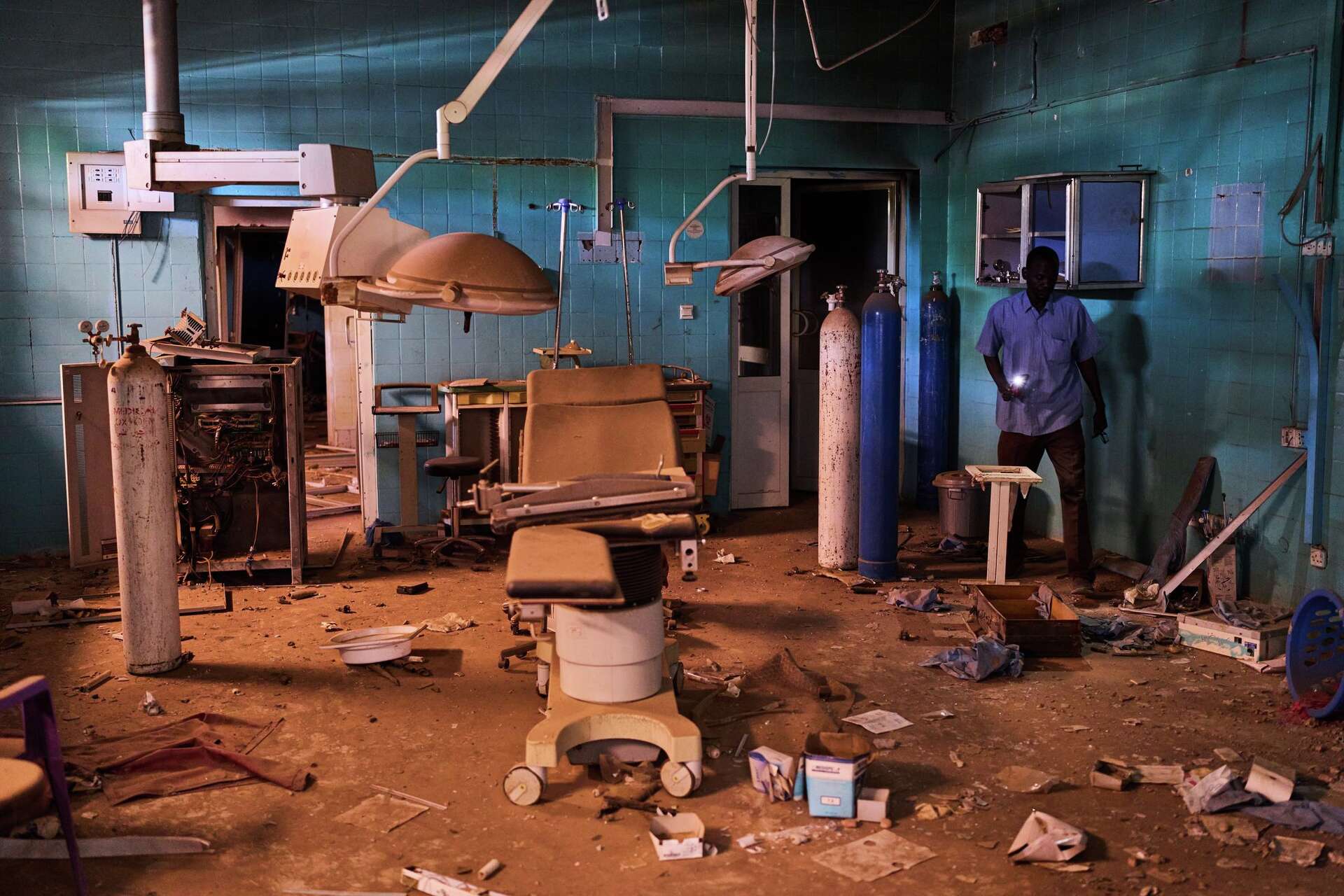
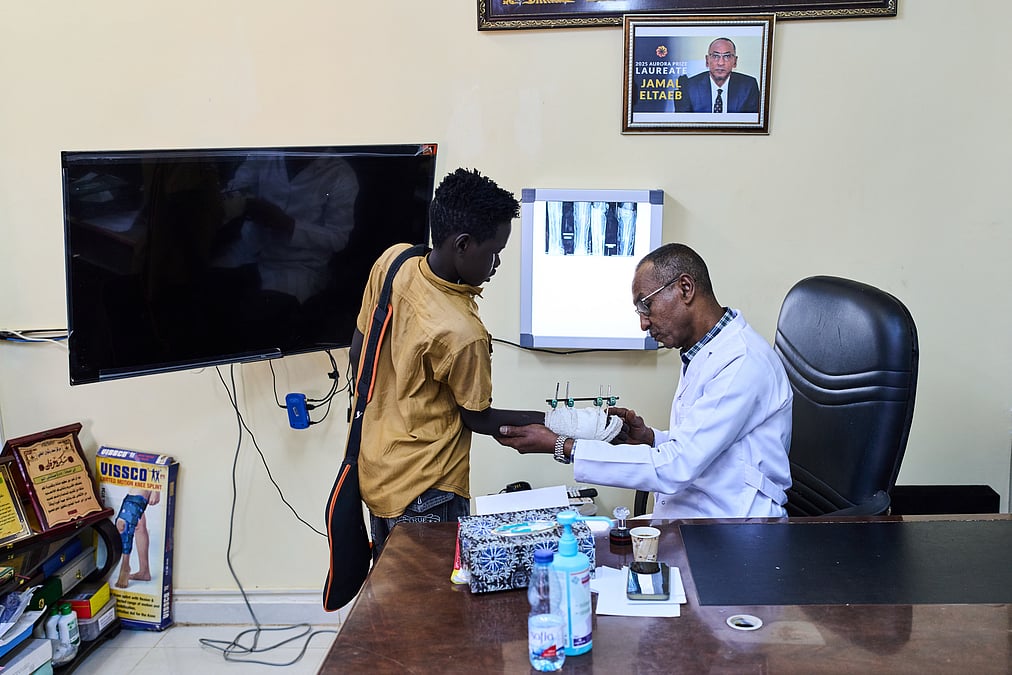
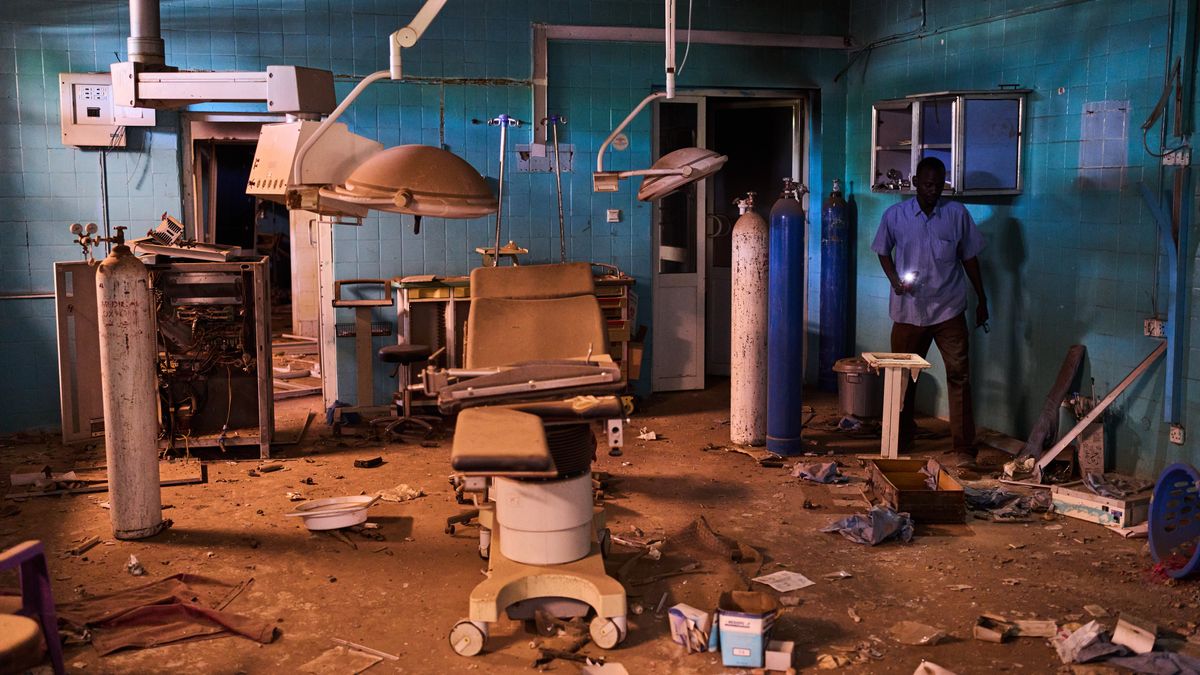
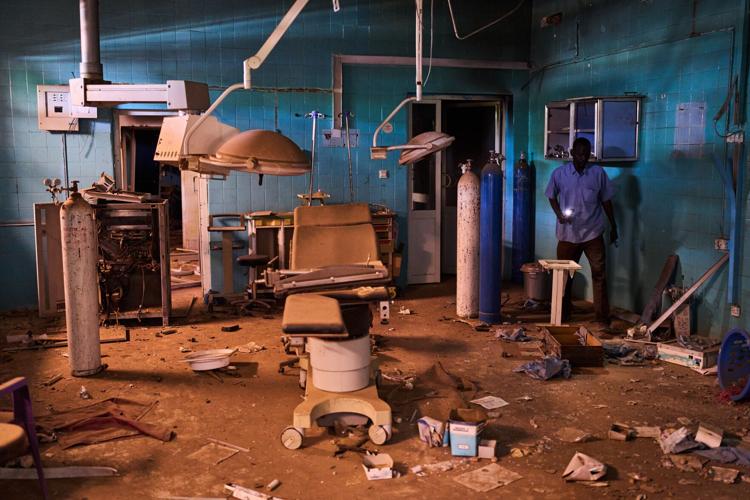
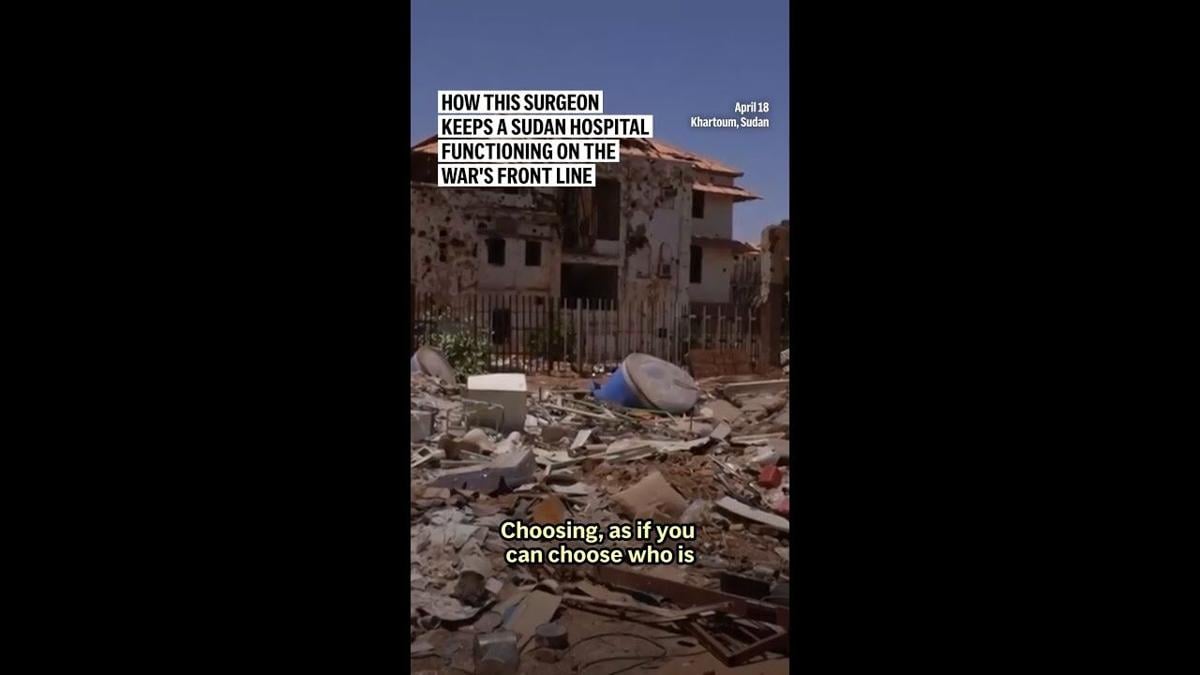
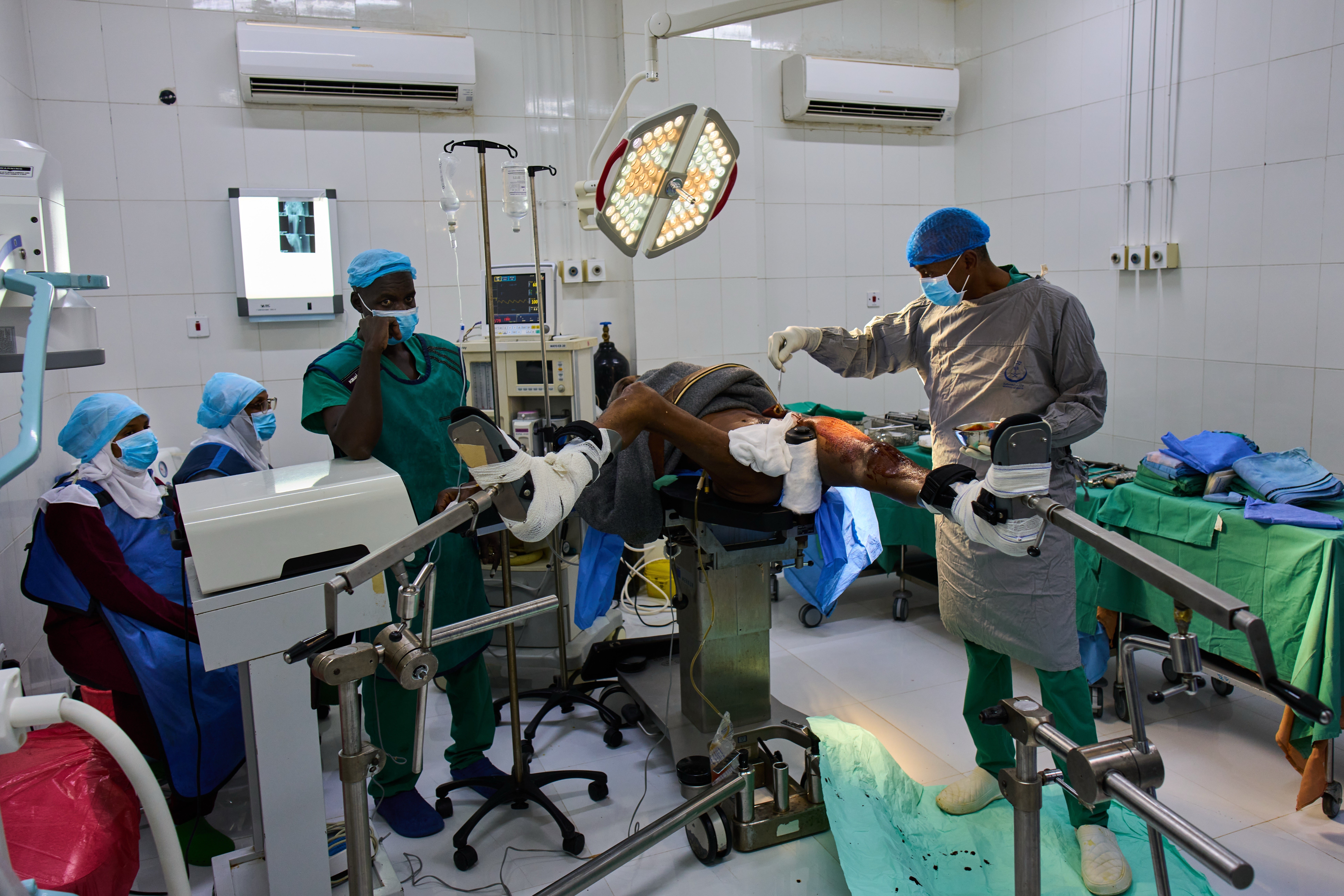
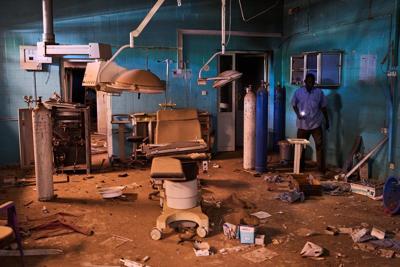
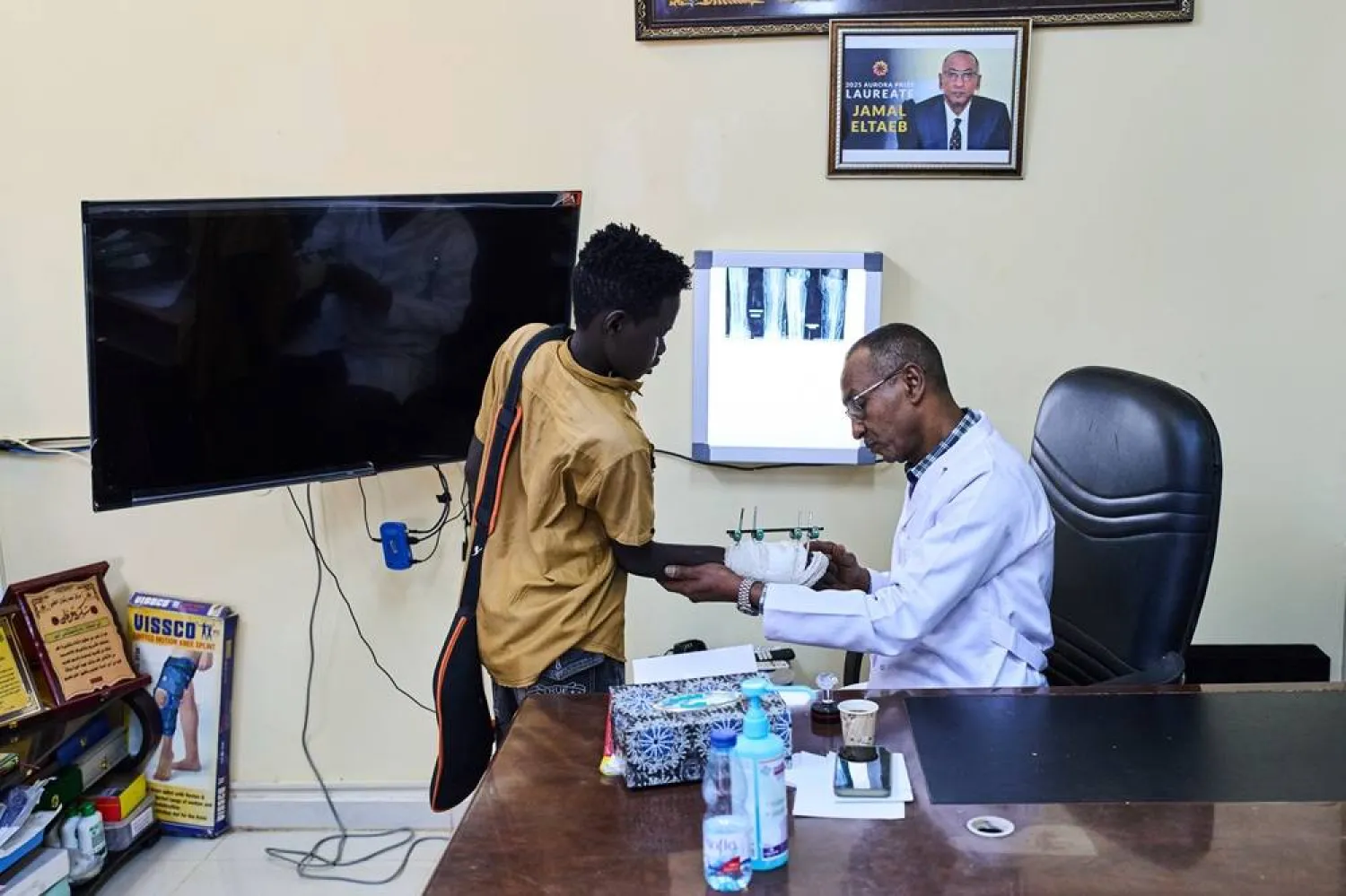
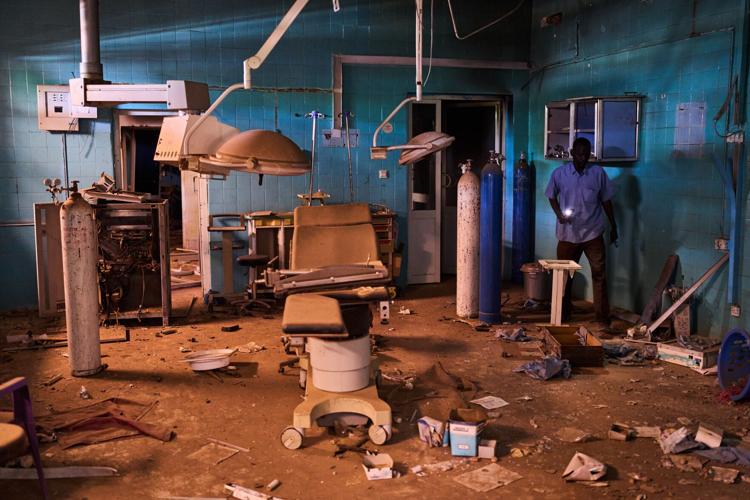
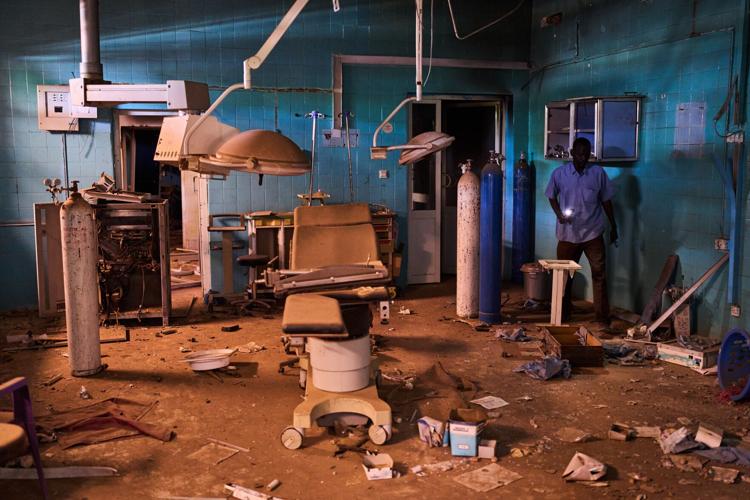
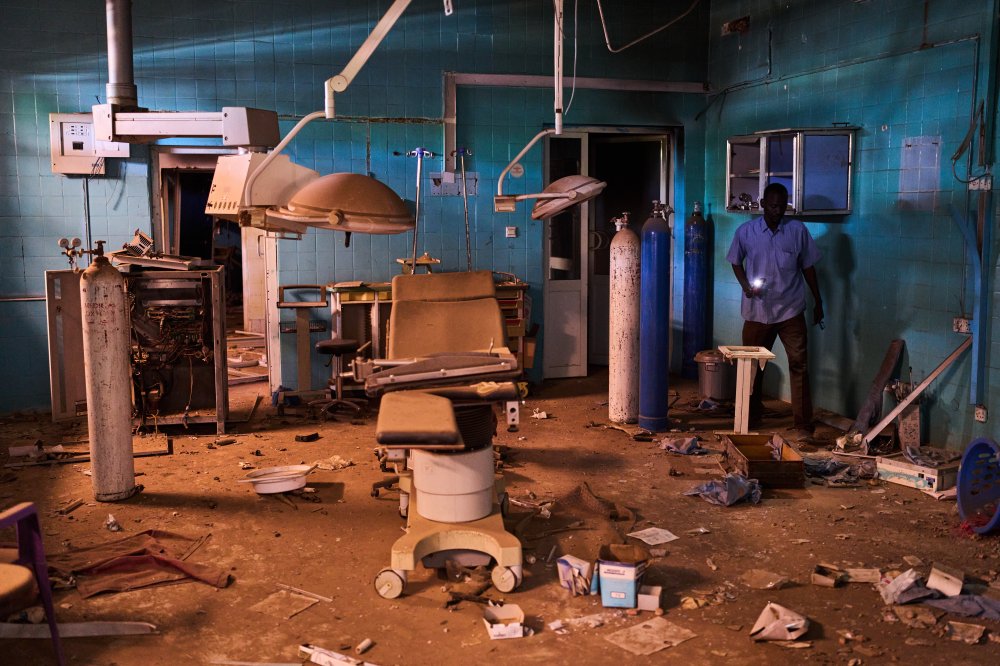
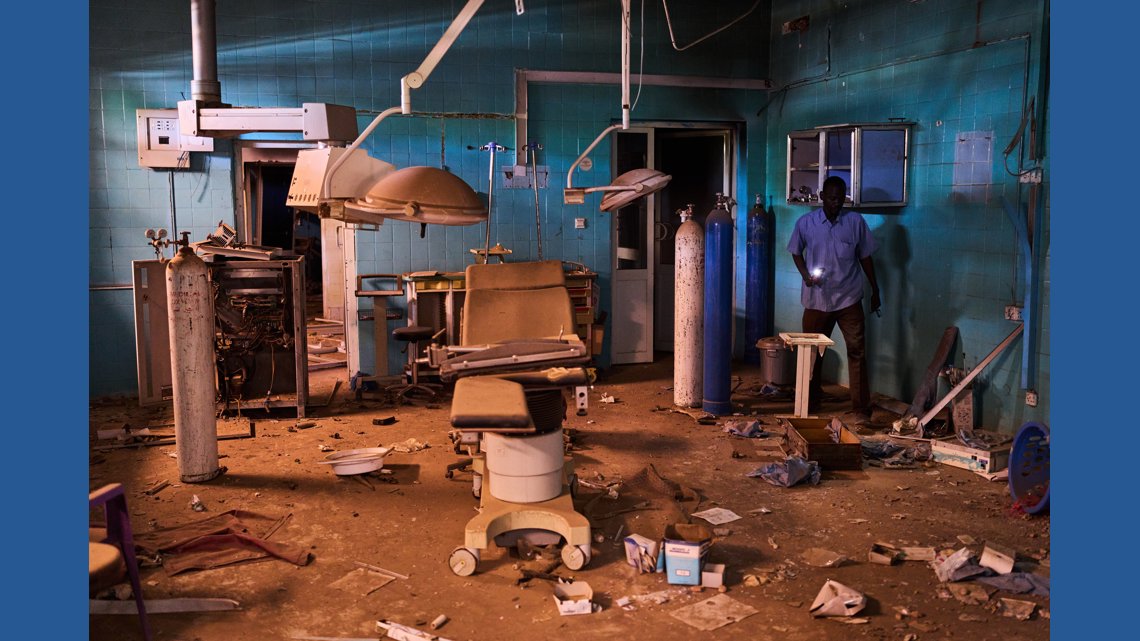
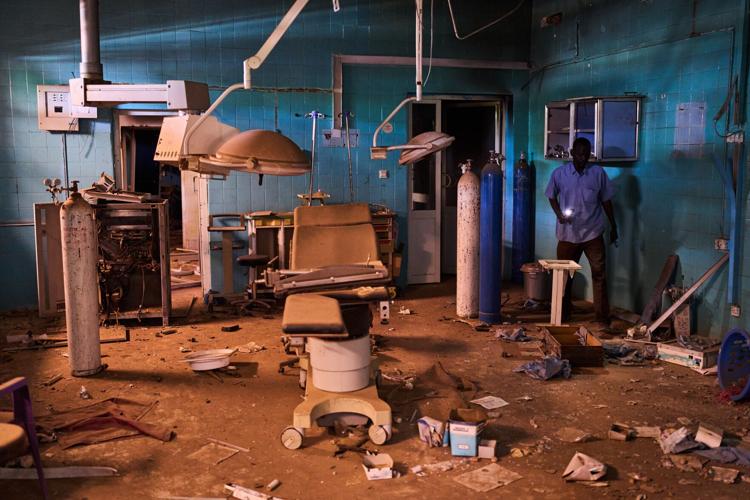
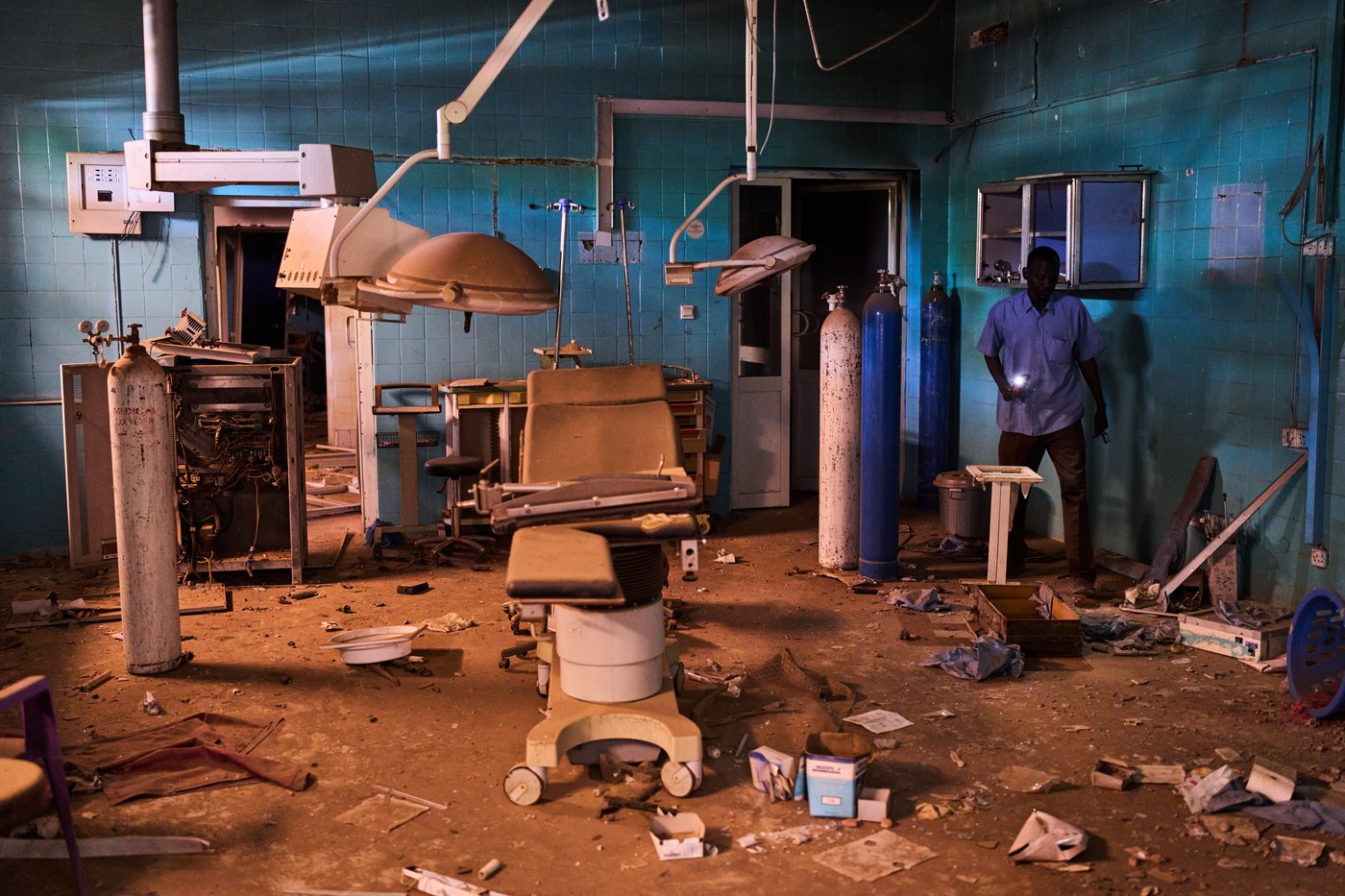
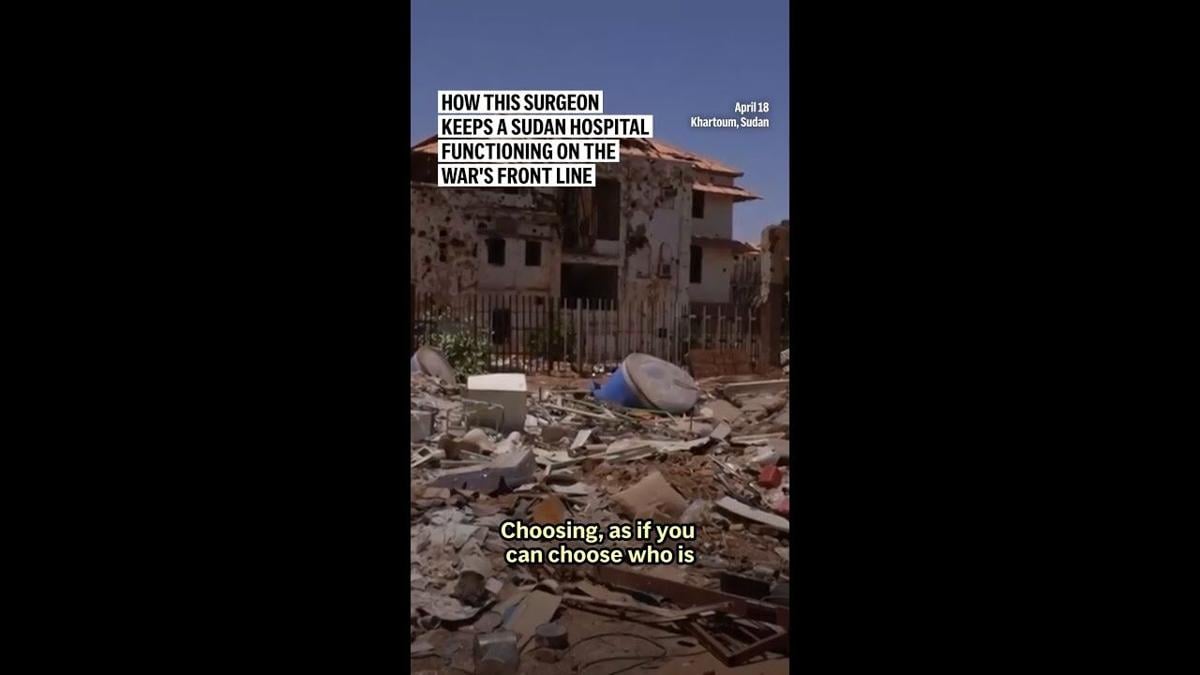
The humanitarian crisis in Sudan, highlighted by Dr. Jamal Eltaeb's recognition through the Aurora Prize for Awakening Humanity ($1 million award), reveals a critical market opportunity for cross-border e-commerce sellers. With nearly 40 hospitals out of commission due to three years of conflict and severe resource shortages, Sudan faces an estimated $50-100M annual gap in medical equipment, surgical supplies, and emergency healthcare products. This crisis-driven demand creates multiple seller opportunities across medical device categories, emergency preparedness merchandise, and humanitarian aid products.
Medical Supply Category Expansion: The collapse of Sudan's healthcare infrastructure signals surging demand for portable medical equipment, surgical instruments, diagnostic devices, and emergency medical kits. Sellers specializing in medical supplies can target NGOs, international relief organizations, and healthcare institutions seeking to rebuild capacity. Amazon Business and specialized B2B marketplaces show 35-45% year-over-year growth in medical equipment sales to conflict-affected regions. Sellers should prioritize FDA-cleared devices, ISO-certified surgical instruments, and products with humanitarian certifications to access this high-margin segment ($200-400 per unit average selling price).
Humanitarian & Charitable Product Opportunities: Dr. Eltaeb's Aurora Prize recognition demonstrates growing consumer interest in humanitarian causes and charitable giving. This trend translates to e-commerce demand for: (1) Branded medical/humanitarian merchandise (t-shirts, caps, educational materials featuring healthcare heroes), (2) Fundraising-enabled products (items with proceeds donated to relief organizations), (3) Preparedness kits marketed toward socially conscious consumers. Sellers can create product bundles linking to Sudan relief efforts, with 15-25% of proceeds supporting verified NGOs. This positioning attracts values-driven buyers willing to pay 10-20% premiums for purpose-driven products.
Supply Chain & Logistics Considerations: Conflict zones create unique logistics challenges and opportunities. Sellers must navigate: (1) Restricted shipping routes requiring specialized 3PL partners experienced in humanitarian logistics, (2) Customs documentation for medical equipment (HS codes 9018-9022), (3) Compliance with OFAC sanctions and export control regulations. However, sellers partnering with established humanitarian organizations gain access to government procurement contracts and NGO bulk purchasing. Average order values for institutional buyers reach $5,000-50,000, significantly higher than consumer channels.
Regional Market Intelligence: Sudan's healthcare collapse reflects broader East African supply chain vulnerabilities. Sellers should monitor similar crises in neighboring regions (Ethiopia, South Sudan, Somalia) to anticipate demand patterns. Historical data shows medical supply demand spikes 60-90 days after major infrastructure disruptions, providing a predictable sales window for prepared sellers.
Questions 8
How can sellers create humanitarian-branded products linked to Sudan relief efforts?
Dr. Eltaeb's Aurora Prize recognition demonstrates consumer demand for humanitarian causes and charitable giving. Sellers can create: (1) Branded merchandise (t-shirts, caps, educational materials featuring healthcare heroes), (2) Fundraising-enabled products with 15-25% proceeds donated to verified NGOs, (3) Preparedness kits marketed to values-driven consumers. Purpose-driven products command 10-20% price premiums, attracting buyers willing to pay more for social impact. Platforms like Amazon and Shopify support charitable giving integrations. Strategy: Partner with established relief organizations (Doctors Without Borders, International Committee of Red Cross) to verify donation claims and build consumer trust. Launch campaigns during awareness periods (World Health Day, humanitarian anniversaries).
What e-commerce opportunities exist from Sudan's healthcare infrastructure collapse?
Sudan's crisis—with nearly 40 hospitals out of commission and severe resource shortages—creates a $50-100M annual market for medical equipment, surgical supplies, and emergency healthcare products. Sellers can target NGOs, international relief organizations, and healthcare institutions rebuilding capacity. Medical device categories show 35-45% YoY growth in conflict-affected regions, with average selling prices of $200-400 per unit for portable equipment and diagnostic devices. Sellers should prioritize FDA-cleared devices and ISO-certified instruments to access high-margin institutional buyers. Immediate action: Research HS codes 9018-9022 for medical device classification and identify 3PL partners experienced in humanitarian logistics.