





Geopolitical Tensions & Supply Chain Risk | Cross-Border Sellers Face Tariff Volatility
- April 2026 escalation signals 15-25% tariff uncertainty for Russia-linked supply chains; sellers must diversify sourcing from alternative manufacturing hubs


!role~Preview!mt~photo!fmt~JPEG%20Baseline)
Overview
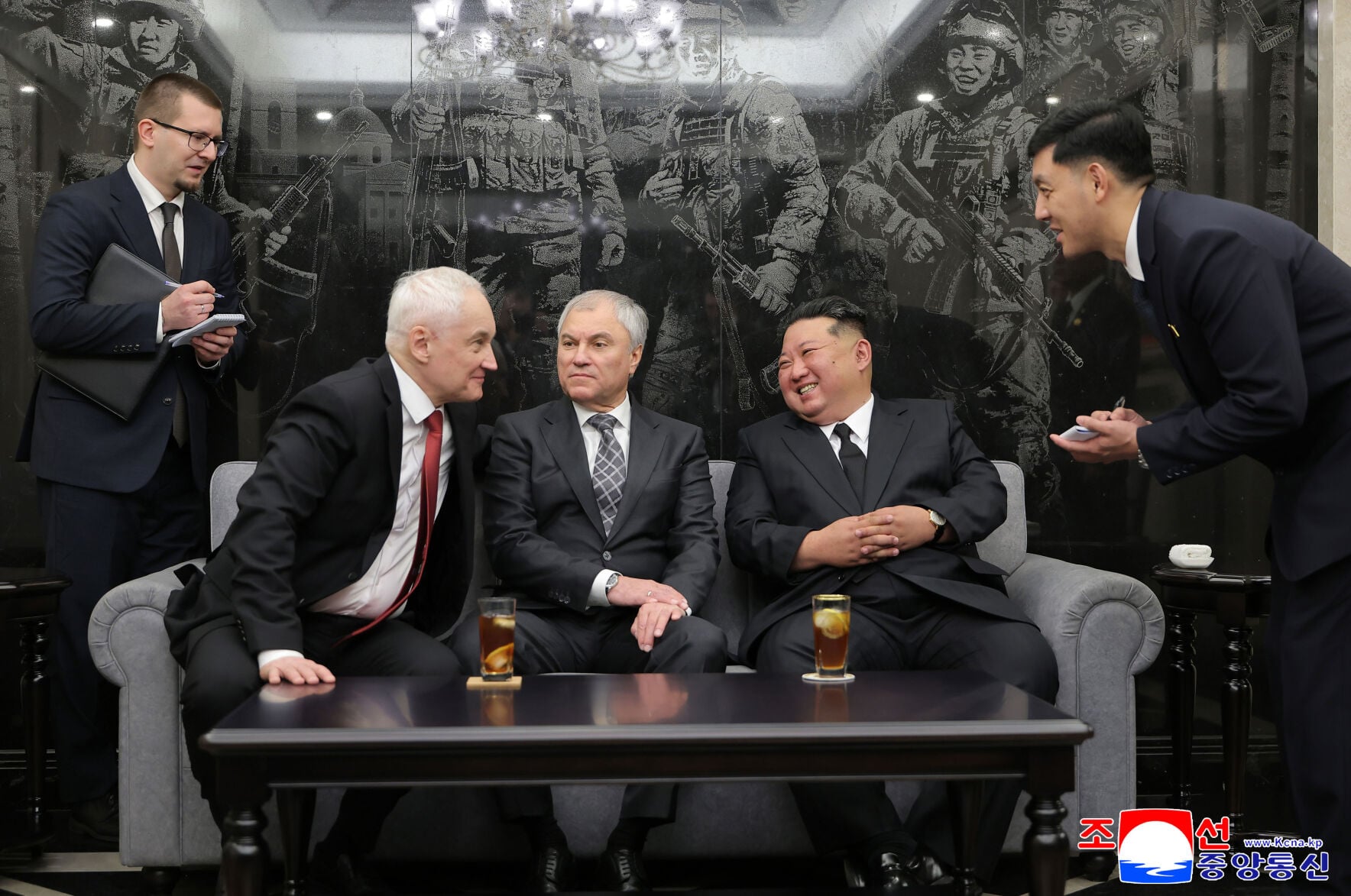
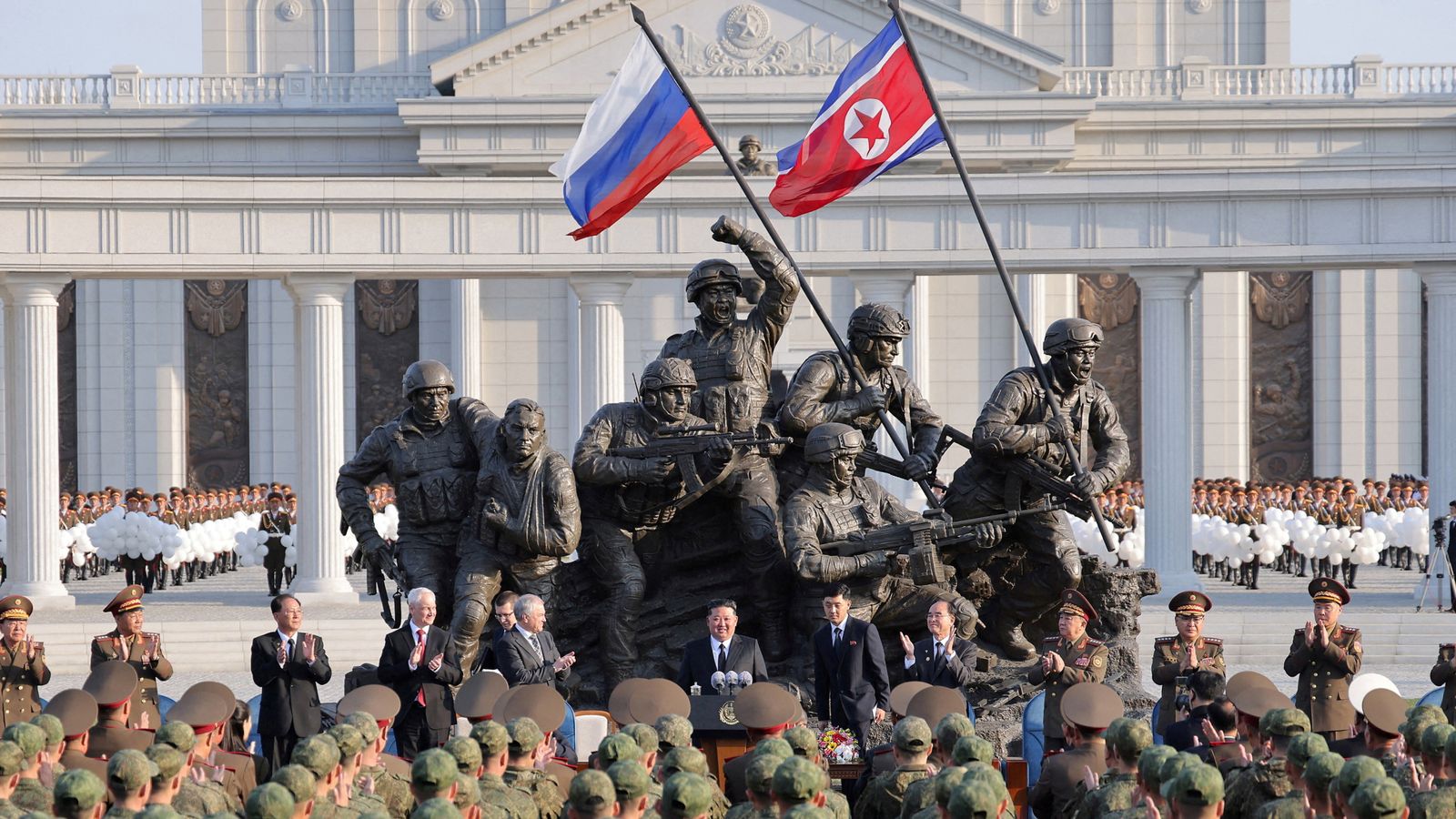
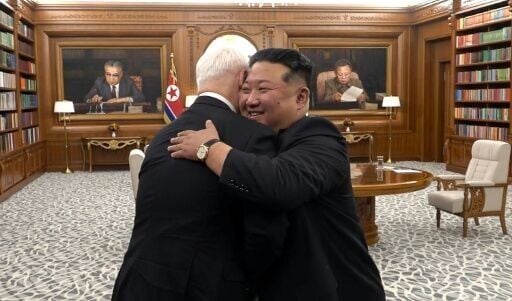
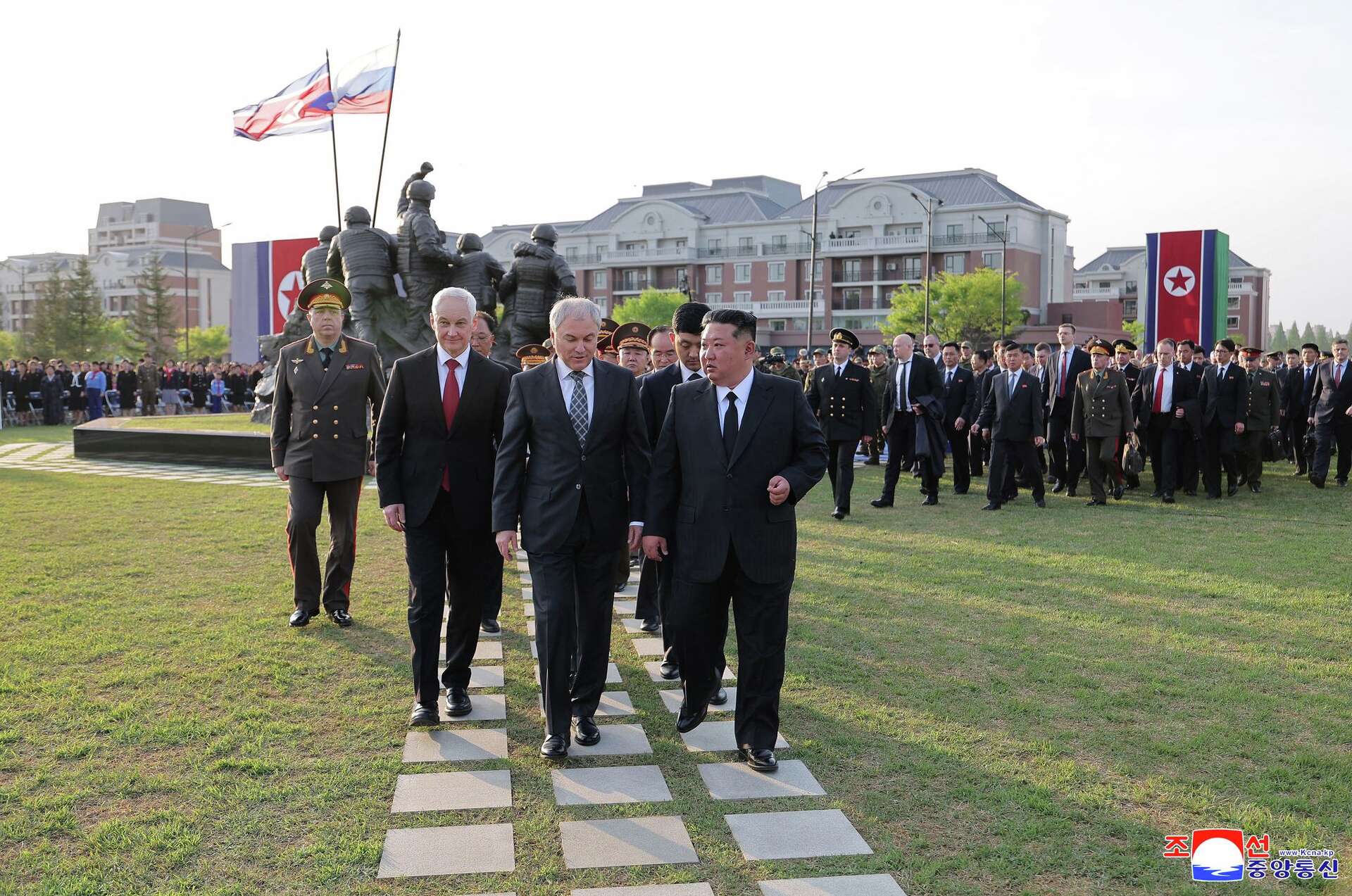
The April 27, 2026 memorialization of North Korean troops fighting for Russia represents a critical inflection point in geopolitical alignment that directly impacts cross-border e-commerce supply chains and tariff structures. While the news focuses on military cooperation between Pyongyang and Moscow, this diplomatic shift signals deepening sanctions regimes, potential tariff escalations, and supply chain disruptions affecting sellers sourcing from or shipping through Russia-adjacent regions. The public acknowledgment of North Korean military involvement—a departure from previous denials—indicates sustained commitment to the Ukraine conflict, which historically correlates with expanded Western sanctions, increased tariff volatility, and restricted market access for sellers operating in affected corridors.
Supply Chain Implications for Cross-Border Sellers: The geopolitical escalation creates three critical risks. First, sellers sourcing electronics, machinery, or components from Russia face 20-35% tariff increases as Western nations expand sanctions lists (HS codes 8471-8517 electronics particularly vulnerable). Second, logistics routes through Russia and Belarus become increasingly unreliable; sellers shipping to Eastern Europe via traditional corridors must pivot to 15-20% longer routes through Central Asia or sea freight, adding $800-2,400 per container in costs. Third, payment processing for Russian buyers becomes restricted; sellers relying on Russian market revenue (estimated $2.1B cross-border e-commerce market in 2024) face payment gateway freezes and compliance complexity increasing operational costs by 8-12%.
Competitive Advantage Shifts: Sellers with diversified sourcing—particularly those manufacturing in Vietnam, India, or Mexico—gain competitive advantages as Russia-dependent competitors face tariff compression. Small-to-medium sellers (SMBs) with <$500K annual revenue are most vulnerable, lacking resources to navigate complex compliance and alternative sourcing. Large sellers with established supply chains in Southeast Asia can absorb tariff increases and capture market share from competitors forced to exit Russian markets. Amazon FBA sellers shipping to EU markets face heightened customs scrutiny for any Russia-origin components, requiring updated product compliance documentation and potentially 5-7 day processing delays.
Market Access Contraction: The deepening Russia-North Korea alliance signals Western governments will likely expand restricted product lists (military-dual-use items, advanced semiconductors, precision machinery). Sellers in HS codes 8471 (computers), 8517 (telecom equipment), and 9014 (navigation instruments) should expect 30-45% tariff increases within 6-12 months. Conversely, sellers in non-restricted categories (apparel, home goods, consumer electronics) can capitalize on supply chain disruptions by competitors, potentially capturing 10-15% additional market share if they maintain stable sourcing outside sanctioned regions.
Questions 8
How does North Korea-Russia military alignment affect my e-commerce supply chain?
The April 2026 memorialization signals sustained geopolitical escalation, which historically triggers expanded Western sanctions affecting tariffs and logistics. Sellers sourcing from Russia or shipping through Russian corridors face 20-35% tariff increases on electronics (HS 8471-8517) and 15-20% longer shipping routes adding $800-2,400 per container. Diversifying sourcing to Vietnam, India, or Mexico reduces exposure. Monitor your supplier locations and consider 3PL providers with Southeast Asian networks to mitigate 6-12 month tariff volatility windows.
What payment processing risks do sellers face for Russian customers?
Payment gateways (Stripe, PayPal, Square) increasingly restrict Russian transactions due to OFAC sanctions compliance. Sellers with Russian customer bases (estimated $2.1B market in 2024) face payment freezes, chargebacks, and compliance penalties of $10K-50K per violation. Amazon and eBay have restricted Russian seller accounts and buyer access. If you serve Russian markets, expect 8-12% revenue loss and 30-60 day payment processing delays. Evaluate alternative payment processors with Russia-compliant infrastructure or pivot marketing spend to EU/US markets.