


Iran's 58-Day Internet Blackout Disrupts $31M Daily E-Commerce Operations | Seller Supply Chain Risk Alert
- Unprecedented connectivity crisis costs Iranian digital economy $31M daily; 20% workforce layoffs threaten supplier reliability for global sellers sourcing from Iran
















Overview
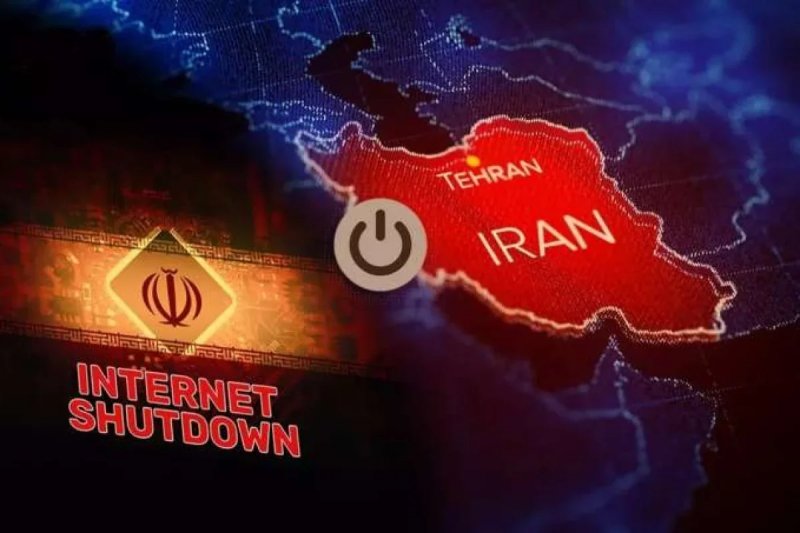
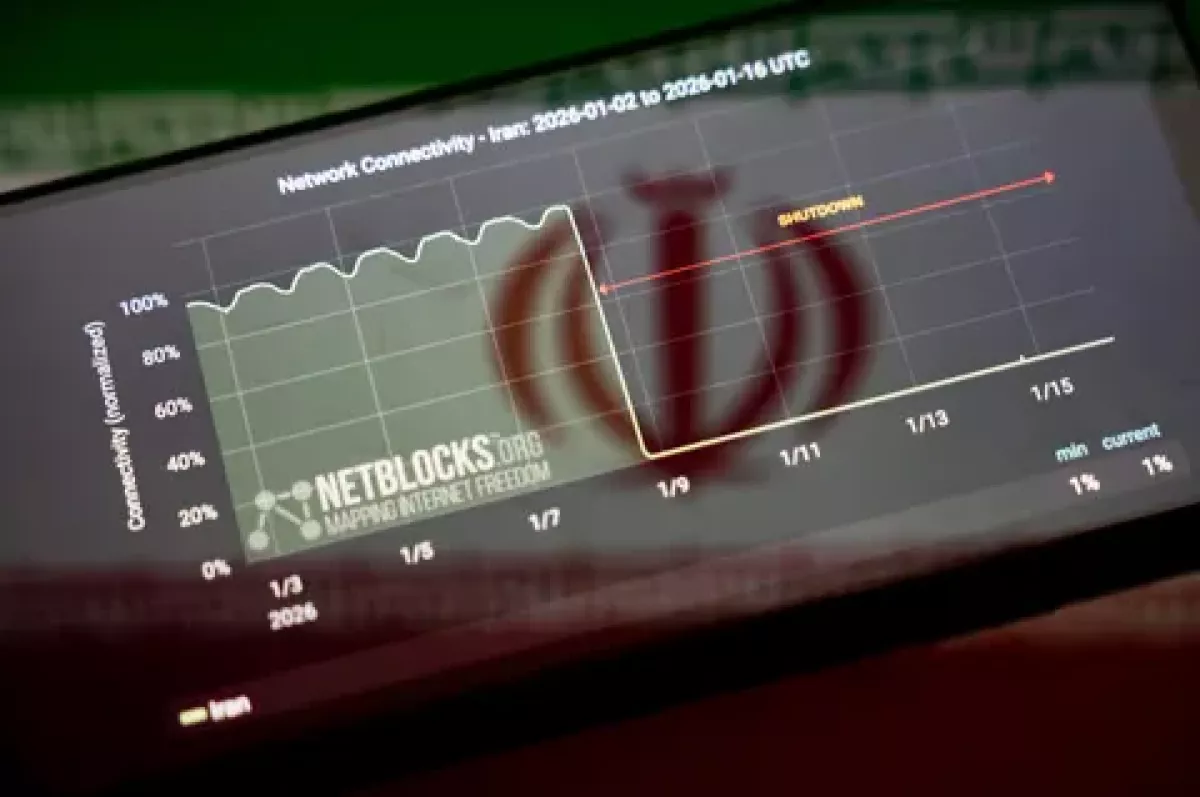
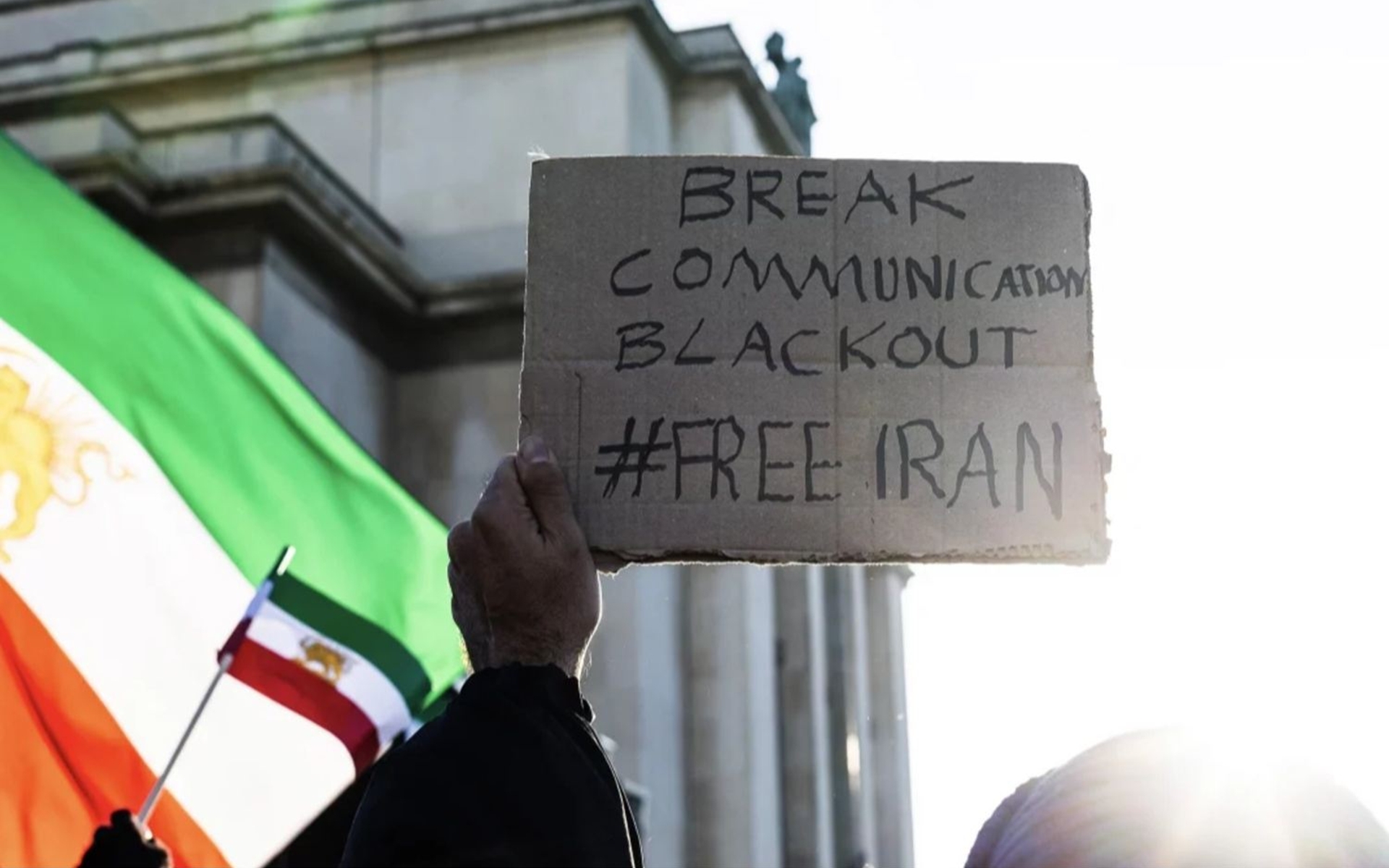
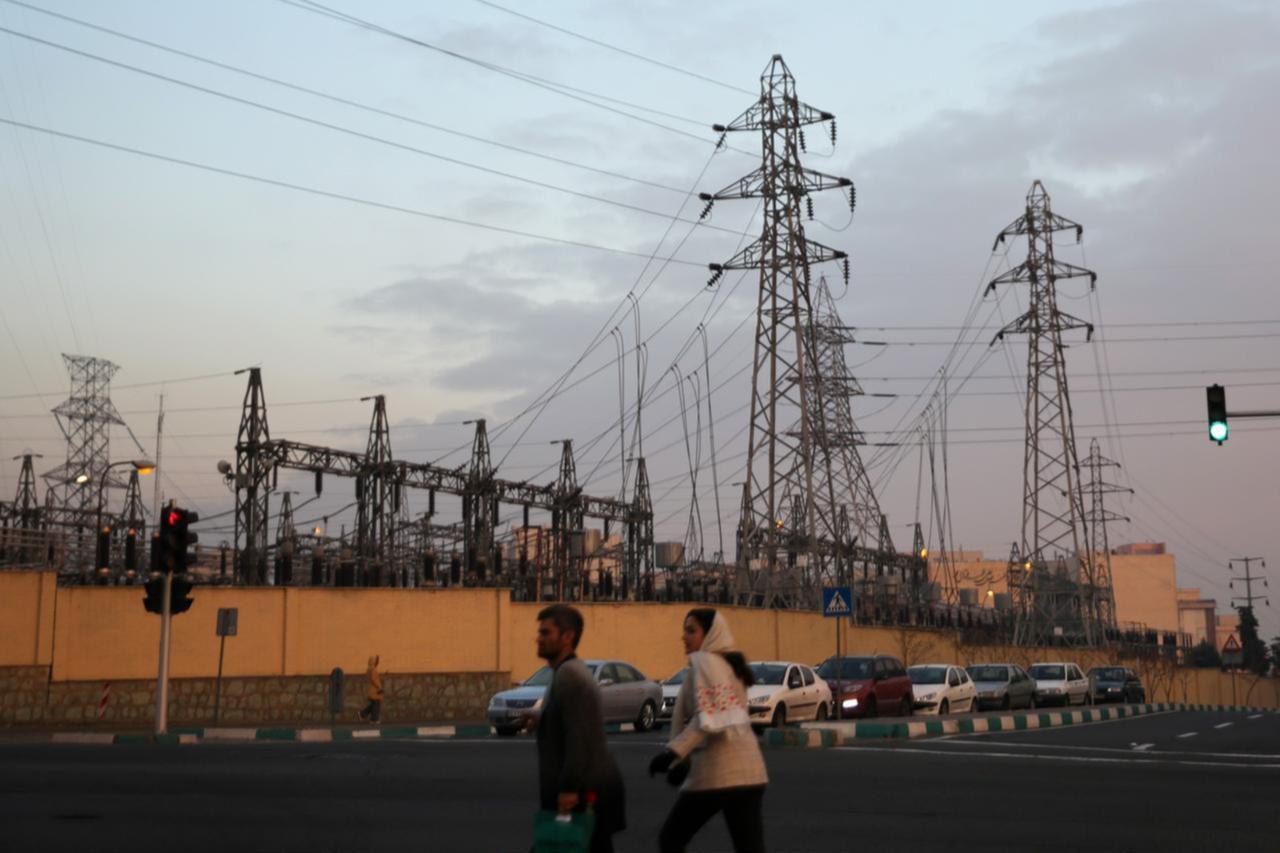
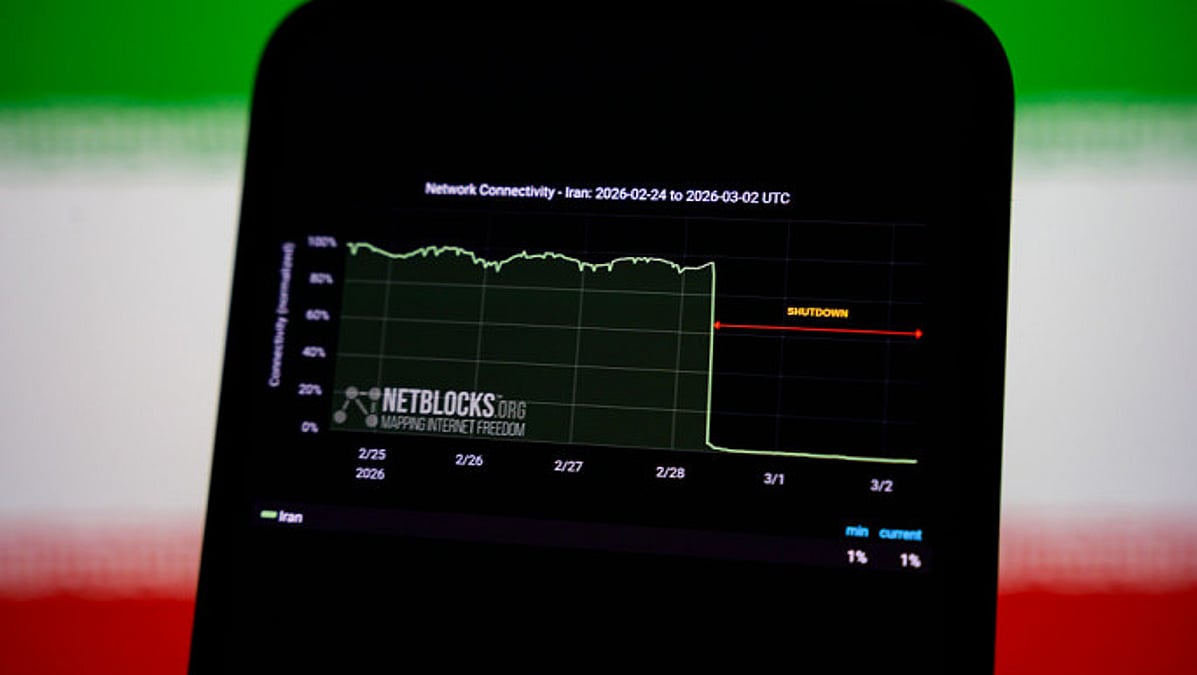
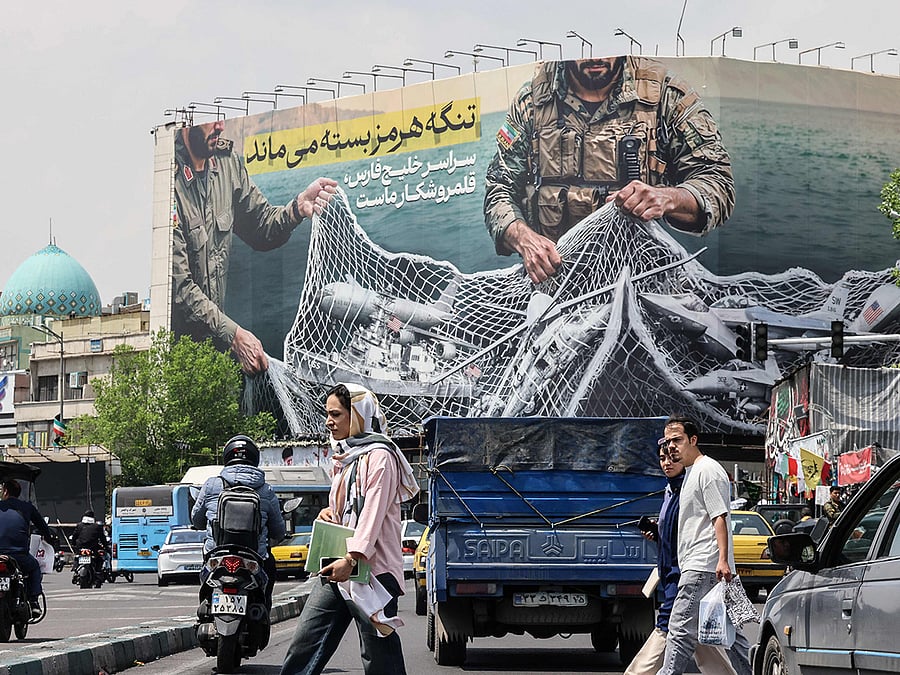
Iran's unprecedented 58-day internet blackout, triggered by US-Israeli military strikes beginning February 28, 2026, represents a critical supply chain disruption event for cross-border e-commerce sellers. According to Jahangir Aghazadeh, head of the Internet and Data Transfer Commission at Tehran's ICT Guild Organization, the shutdown costs Iran's digital economy approximately 50 trillion rials daily—equivalent to $31 million USD. This extended connectivity crisis, now exceeding 1,368 hours in its ninth week, creates cascading operational paralysis affecting Iranian-based sellers and global merchants relying on Iranian suppliers. The government's April 26, 2026 "Internet Pro" tiered access plan—offering preferential connectivity to selected businesses while restricting general population access—signals prolonged disruption rather than imminent restoration.
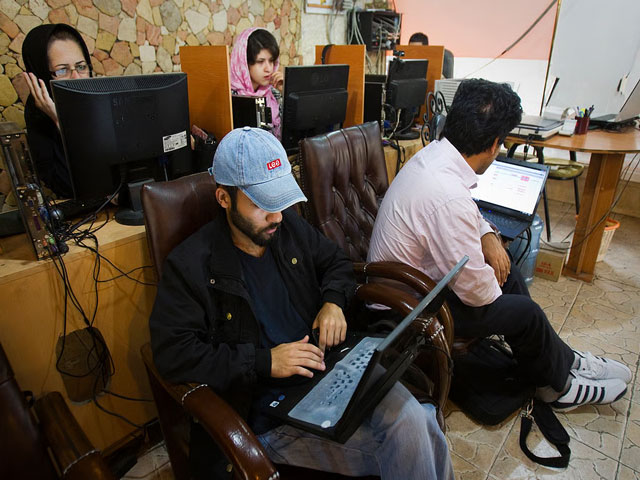
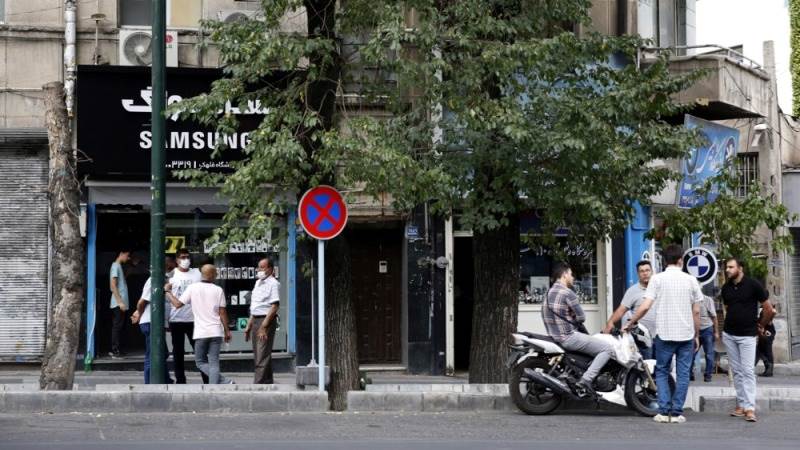
For cross-border e-commerce sellers, this situation presents severe operational challenges across multiple dimensions. Iranian merchants cannot access international e-commerce platforms (Amazon, eBay, Shopify, AliExpress), manage inventory systems, process payments, or maintain customer relationships. The disruption affects B2B supply chain communication, order fulfillment capabilities, and logistics coordination. Sellers worldwide sourcing products from Iran—including textiles, carpets, dried fruits, handicrafts, and specialty chemicals—face critical delays in supplier communication, order confirmation, and shipment tracking. The potential layoffs of approximately 20% of Iran's digital sector workforce indicates long-term damage to e-commerce infrastructure and human capital, suggesting recovery timelines extending beyond weeks into months.
This geopolitical event creates immediate competitive opportunities for sellers sourcing from alternative regions. Sellers currently dependent on Iranian suppliers should immediately diversify sourcing to Vietnam, India, Turkey, or Pakistan for comparable product categories. The supply chain disruption creates temporary market gaps in categories where Iranian suppliers typically dominate—including hand-knotted carpets, saffron, pistachios, dried fruits, and traditional handicrafts. Sellers can capitalize on reduced Iranian competition by increasing inventory in these categories from alternative suppliers, potentially capturing 15-25% market share gains during the 2-4 month recovery window. The workforce instability suggests that even after internet restoration, Iranian supplier capacity will remain constrained for 6-12 months as companies rebuild operations and rehire displaced workers.
Strategic sourcing shifts present immediate margin expansion opportunities. Sellers should evaluate tariff advantages of sourcing from non-Iran suppliers—Vietnam benefits from CPTPP tariff advantages for textiles, while India offers preferential access under GSP programs for certain categories. The temporary supply shortage allows sellers to increase prices on existing Iranian-sourced inventory by 8-15% without losing market share, as competitors face similar supply constraints. Establish alternative communication channels with Iranian suppliers now (WhatsApp, Telegram, email) to maintain relationships during the blackout, positioning for rapid reactivation once connectivity restores.
Questions 8
How does Iran's internet blackout affect sellers sourcing from Iranian suppliers?
Iranian suppliers cannot access international e-commerce platforms, manage inventory systems, or process orders during the 58-day blackout costing $31 million daily. Sellers relying on Iranian sources for textiles, carpets, saffron, and handicrafts face critical delays in order confirmation, shipment tracking, and payment processing. The disruption affects both B2B communication and B2C fulfillment capabilities. Sellers should immediately establish alternative communication channels (WhatsApp, Telegram, email) with suppliers and diversify sourcing to Vietnam, India, or Turkey for comparable products to maintain inventory levels during the 2-4 month recovery window.
Should sellers completely stop sourcing from Iran or maintain supplier relationships?
Maintain supplier relationships while diversifying sourcing immediately. Establish alternative communication channels and keep Iranian suppliers informed of your needs during the blackout. The disruption is temporary (2-4 months for connectivity, 6-12 months for full capacity recovery), and Iranian suppliers offer unique products (hand-knotted carpets, saffron quality) that competitors value. Sellers who abandon relationships entirely will face higher reactivation costs and supplier preference for competitors who maintained contact. Balance strategy: source 60-70% from alternative suppliers now, maintain 30-40% Iranian supplier relationships through alternative communication, then rebalance to 50-50 mix post-recovery based on cost and quality performance.