




Life Sciences M&A Consolidation | Supply Chain Implications for Lab Equipment Sellers
- $1.075B divestiture signals PE-driven consolidation in diagnostics; impacts B2B suppliers, lab equipment distributors, and pharmaceutical testing service providers globally








Overview
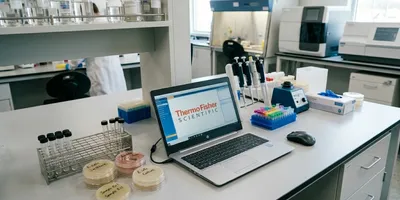
Thermo Fisher Scientific's $1.075 billion divestiture of its microbiology business to European private equity firm Astorg Partners (announced April 27, 2025, closing expected H2 2026) represents a significant strategic pivot with cascading implications for B2B sellers in the life sciences supply chain. The microbiology unit generated $645 million in 2025 revenue from antimicrobial susceptibility testing and culture media products serving clinical laboratories, pharmaceutical manufacturers, and food safety testing markets. This transaction exemplifies broader consolidation trends where large conglomerates optimize portfolios by spinning off specialized divisions to focused PE investors capable of operational efficiency and geographic expansion.
For B2B sellers and distributors, this divestiture creates both disruption and opportunity. The standalone microbiology platform will operate 13 manufacturing and R&D facilities with 2,400 employees under Astorg's ownership, signaling potential supply chain restructuring. Astorg's investment thesis targets "mature, cash-generative businesses" with recurring revenue models—indicating the new entity will likely pursue aggressive cost optimization, vendor consolidation, and margin expansion. Sellers currently supplying Thermo Fisher's microbiology division face potential renegotiation of contracts, volume commitments, and pricing terms as Astorg implements operational improvements. Conversely, the PE firm's identified market tailwinds (increasing infection complexity, stringent food safety standards, growing pharmaceutical quality control requirements) suggest expansion opportunities for suppliers of raw materials, equipment, and testing consumables to the newly independent platform.
Thermo Fisher's capital redeployment strategy directly impacts supplier relationships and market dynamics. The company expects $0.15 EPS dilution in the first full year post-closing, with capital freed from the microbiology sale redirected toward "higher-growth segments" and U.S. manufacturing onshoring initiatives. This signals reduced investment in traditional microbiology infrastructure and increased focus on advanced diagnostics and pharmaceutical services. Suppliers of legacy culture media equipment, traditional susceptibility testing platforms, and conventional laboratory consumables may experience reduced demand from Thermo Fisher, while suppliers of automation, digital diagnostics, and pharmaceutical quality control technologies should anticipate increased procurement. The Middle East geopolitical conditions noted by Thermo Fisher leadership may create "modest inflationary pressures" affecting raw material costs and logistics expenses for all parties in the supply chain.
Strategic implications for cross-border B2B sellers include geographic repositioning and product portfolio optimization. Astorg's European base and identified growth opportunities in European markets (where "regulatory standards and laboratory testing demand remain robust") suggest the new microbiology entity will prioritize European supplier relationships and distribution networks. Sellers currently serving Thermo Fisher's global microbiology operations should anticipate potential geographic fragmentation—with European suppliers gaining advantage in the Astorg-owned entity while non-European suppliers may face reduced access or renegotiated terms. The transaction demonstrates PE firms' increasing appetite for specialized life sciences divisions, creating a secondary market for B2B suppliers to establish direct relationships with newly independent platforms rather than relying solely on large conglomerate procurement channels.
Questions 8
What immediate actions should B2B suppliers take in response to this transaction?
Suppliers currently serving Thermo Fisher's microbiology division should immediately: (1) Review existing contracts for change-of-control provisions and renegotiation triggers; (2) Identify which products/services will transfer to Astorg and which may be discontinued; (3) Proactively contact Astorg management to introduce capabilities and understand procurement priorities; (4) Assess geographic exposure—European suppliers should emphasize local presence while non-European suppliers should highlight specialized capabilities; (5) Prepare for potential volume changes and pricing renegotiations in 2026 when closing occurs; (6) Monitor Thermo Fisher's onshoring initiatives to identify new procurement opportunities in advanced diagnostics and pharmaceutical services. The 6+ month timeline to closing provides opportunity to establish relationships and understand the new entity's strategic direction before operational integration.
How does this transaction reflect broader consolidation trends in life sciences?
The Thermo Fisher divestiture exemplifies a broader trend where large life sciences conglomerates optimize portfolios by spinning off specialized divisions to focused PE investors. This pattern reflects PE firms' increasing appetite for 'established businesses with strong market positions and recurring revenue models' in healthcare and life sciences sectors. The transaction demonstrates that large conglomerates view specialized divisions as non-core assets better managed by focused operators, while PE firms see opportunities for operational improvement and geographic expansion. For B2B sellers, this trend means the traditional large-conglomerate procurement model is fragmenting into multiple independent platforms, each with distinct supplier strategies. Sellers should develop capabilities to serve both large conglomerates and newly independent PE-backed platforms, as the market is increasingly bifurcating between global giants and specialized, regionally-focused operators.