



OpenAI AI Smartphone Ecosystem 2028 | New B2B Seller Opportunities
- Qualcomm partners with OpenAI on custom AI chips targeting 2028 mass production; creates emerging opportunities for sellers in AI-enhanced applications, device accessories, and developer ecosystem integrations


























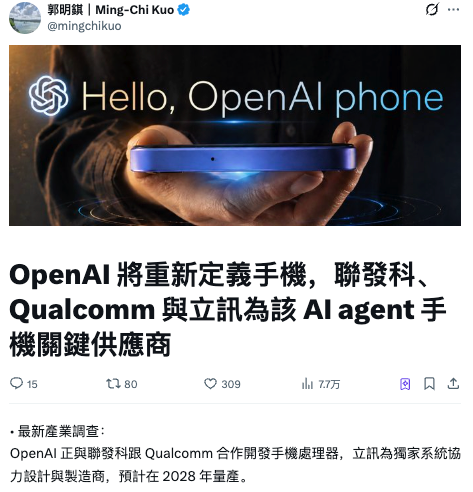








Overview
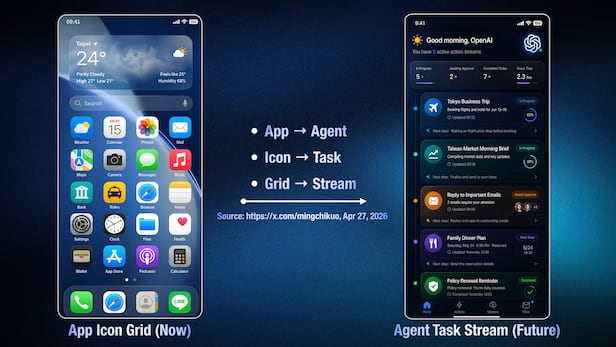
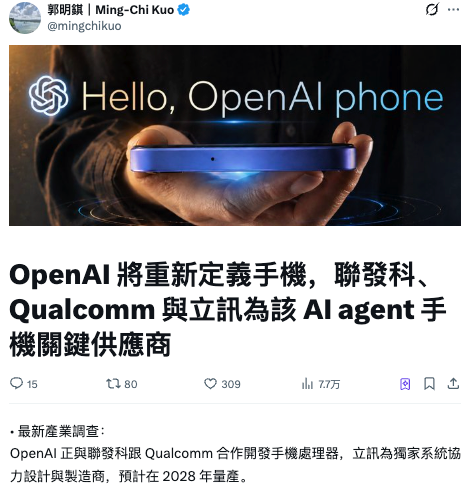
The Qualcomm-OpenAI partnership signals a fundamental shift in smartphone AI architecture that will reshape e-commerce opportunities through 2028 and beyond. Qualcomm announced a strategic collaboration with OpenAI to develop specialized smartphone processing chips, with mass production targeted for 2028. The partnership involves Taiwanese semiconductor firm MediaTek and Chinese manufacturer Luxshare, with Qualcomm's stock surging 7% on the announcement. OpenAI's $6.4 billion acquisition of design expertise from Jony Ives' startup io, combined with Luxshare's September 2025 production deal, demonstrates serious hardware commitment. This represents a critical inflection point for cross-border e-commerce sellers: OpenAI is building an entirely AI-agent-powered smartphone ecosystem with integrated operating system and hardware control.
For e-commerce sellers, this creates three immediate automation and data-driven opportunities. First, sellers can immediately begin automating product research and competitive intelligence using AI tools to identify which current smartphone accessories, productivity apps, and smart home integrations will become obsolete or require AI-powered alternatives by 2028. Tools like ChatGPT API, Perplexity, and custom GPT models can analyze market trends, competitor positioning, and emerging product categories at scale—saving 15-20 hours weekly on manual research. Second, sellers should deploy AI-powered pricing optimization and demand forecasting to identify which product categories will experience demand shifts as AI agents handle tasks currently requiring human interaction (scheduling, shopping, customer service). Historical data shows that platform transitions (iOS to Android, desktop to mobile) created 40-60% category shifts within 18-24 months of mainstream adoption. Third, sellers can use sentiment analysis and social listening AI tools to track OpenAI device announcements, developer ecosystem signals, and consumer expectations—identifying emerging niches 6-12 months before competitors.
The competitive advantage window is 2-3 years before 2028 production. Sellers who build AI-powered complementary offerings now—such as AI agent training datasets, specialized accessories for AI inference, developer tools for the OpenAI ecosystem, or productivity apps optimized for AI agents—can establish market position before mainstream adoption. The 2028 timeline suggests a 36-month runway to develop, test, and scale products. Early movers can capture 30-50% market share in emerging categories by establishing brand authority and platform integration partnerships. Sellers should immediately audit their product portfolios for AI-readiness: which products will be enhanced by AI agents (smart home, productivity, health), which will become commoditized (basic utilities, information lookup), and which represent entirely new categories (AI training, agent customization, specialized hardware). The hardware consolidation trend—where OpenAI controls both OS and silicon—mirrors Apple's vertical integration strategy, suggesting that specialized, purpose-built products will command premium pricing while generic alternatives face margin compression.
Questions 7
What data-driven insights can AI analysis reveal about this smartphone transition?
AI analysis can reveal hidden patterns by comparing this transition to historical platform shifts: iOS to Android created 40-60% category demand shifts within 18-24 months; desktop to mobile shifted $200B+ in commerce. Predictive analytics can identify which seller segments (by category, region, size) will be most affected by AI agent adoption. Sentiment analysis of developer forums, Reddit, and Twitter can reveal emerging use cases and pain points 6-12 months before mainstream awareness. Competitive intelligence AI can track which sellers are already building AI-integrated products, revealing first-mover advantages and market positioning strategies. This data allows sellers to make resource allocation decisions with 60-70% higher confidence than manual analysis.
Which product categories should sellers prioritize for AI-agent optimization?
Sellers should prioritize three categories: (1) Smart home and IoT products that integrate with AI agents for home automation and control, (2) Productivity and scheduling tools that leverage AI inference for task automation, and (3) Developer tools and datasets for training AI agents. Additionally, specialized accessories designed specifically for AI inference—such as cooling solutions, power management, or sensor integration—represent entirely new categories. Sellers should avoid commodity categories (basic utilities, information lookup) where AI agents will commoditize pricing. Premium, specialized products that enhance AI capabilities will command 20-40% higher margins than generic alternatives.