


Last of Us Franchise Shifts Strategy | Gaming Merchandise & Licensed Products Boom for Sellers
- Naughty Dog cancels multiplayer game (80% complete) but pursues single-player projects; HBO series drives $500M+ licensed merchandise market through 2025



Overview
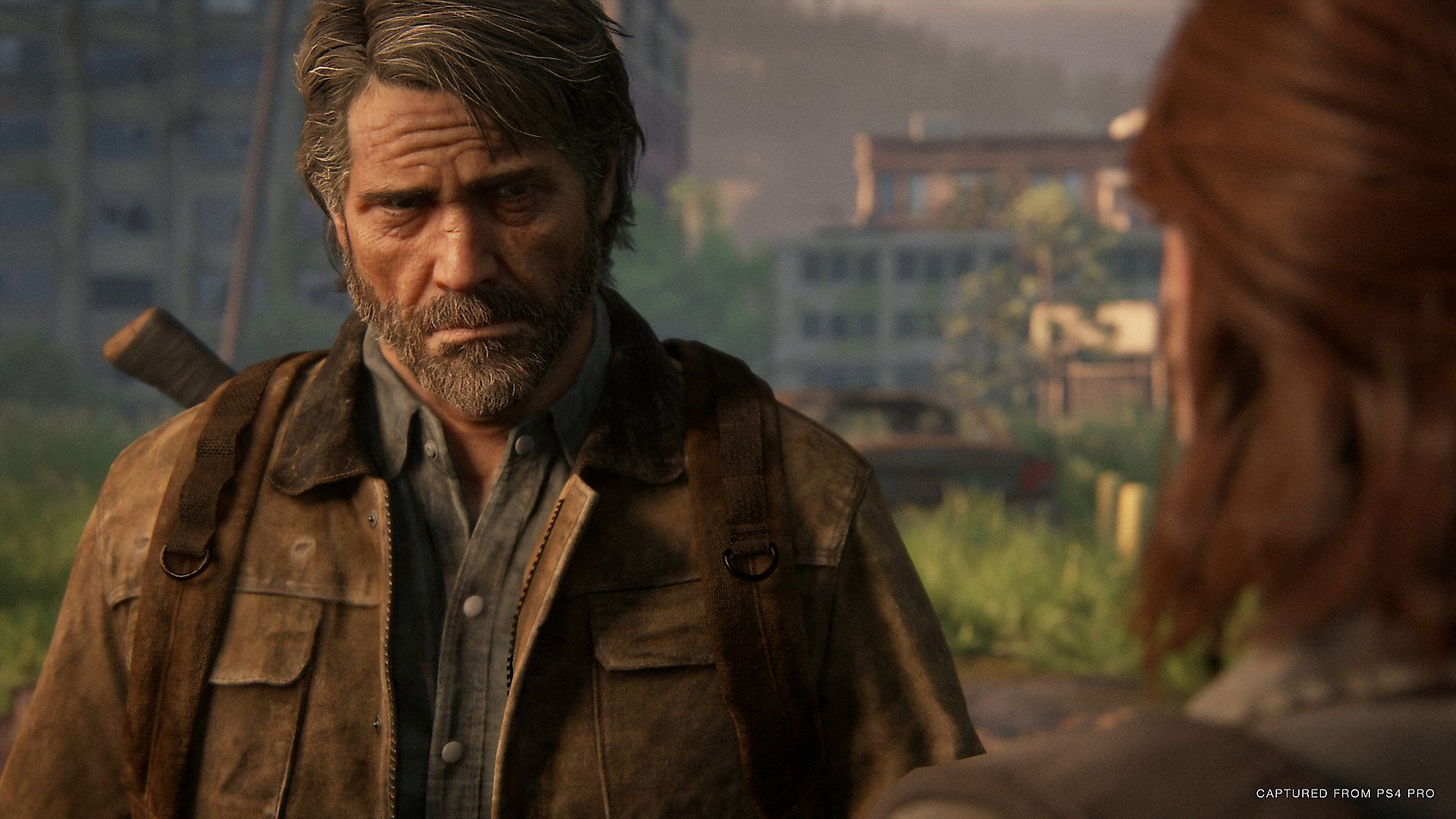
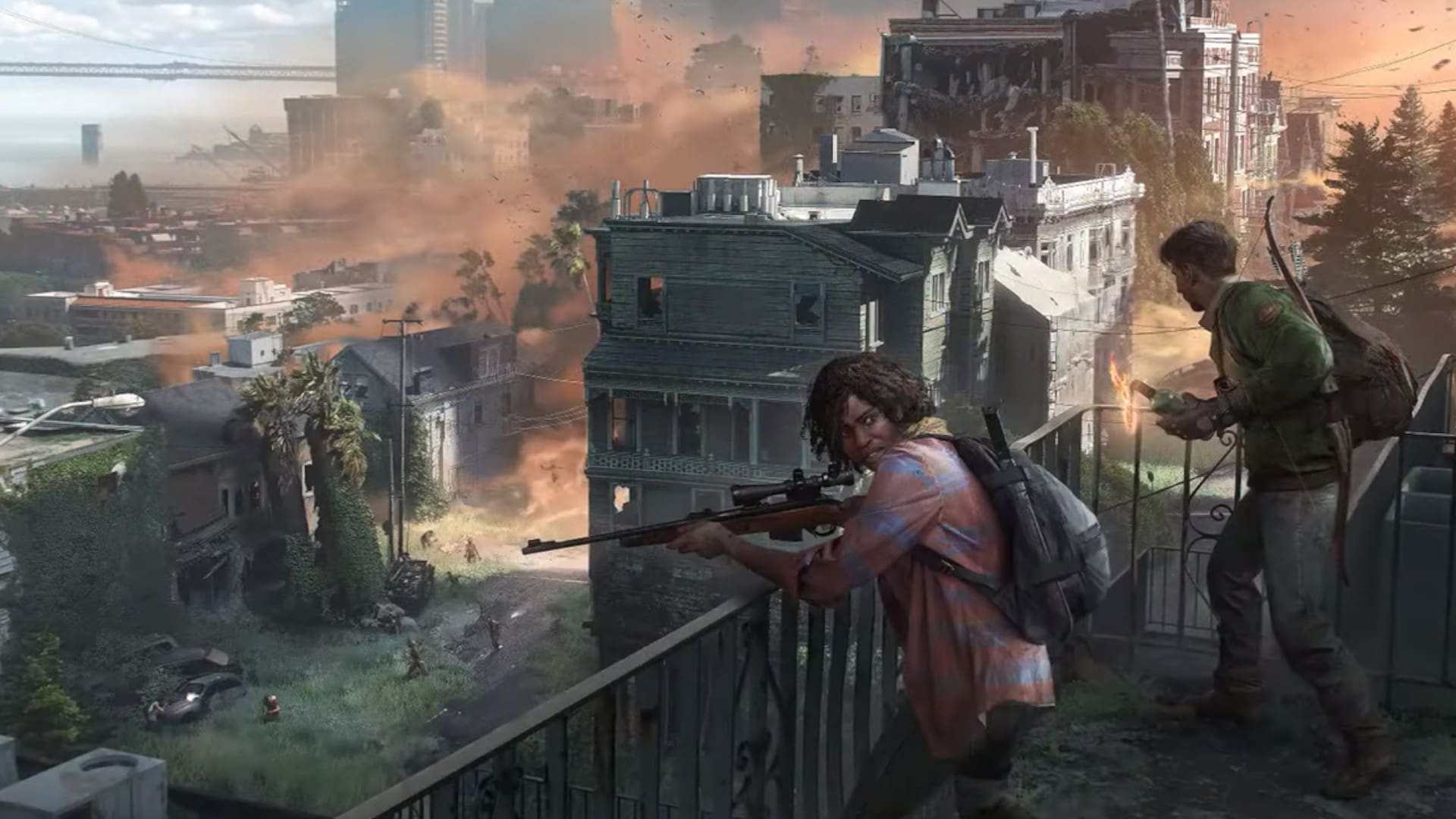
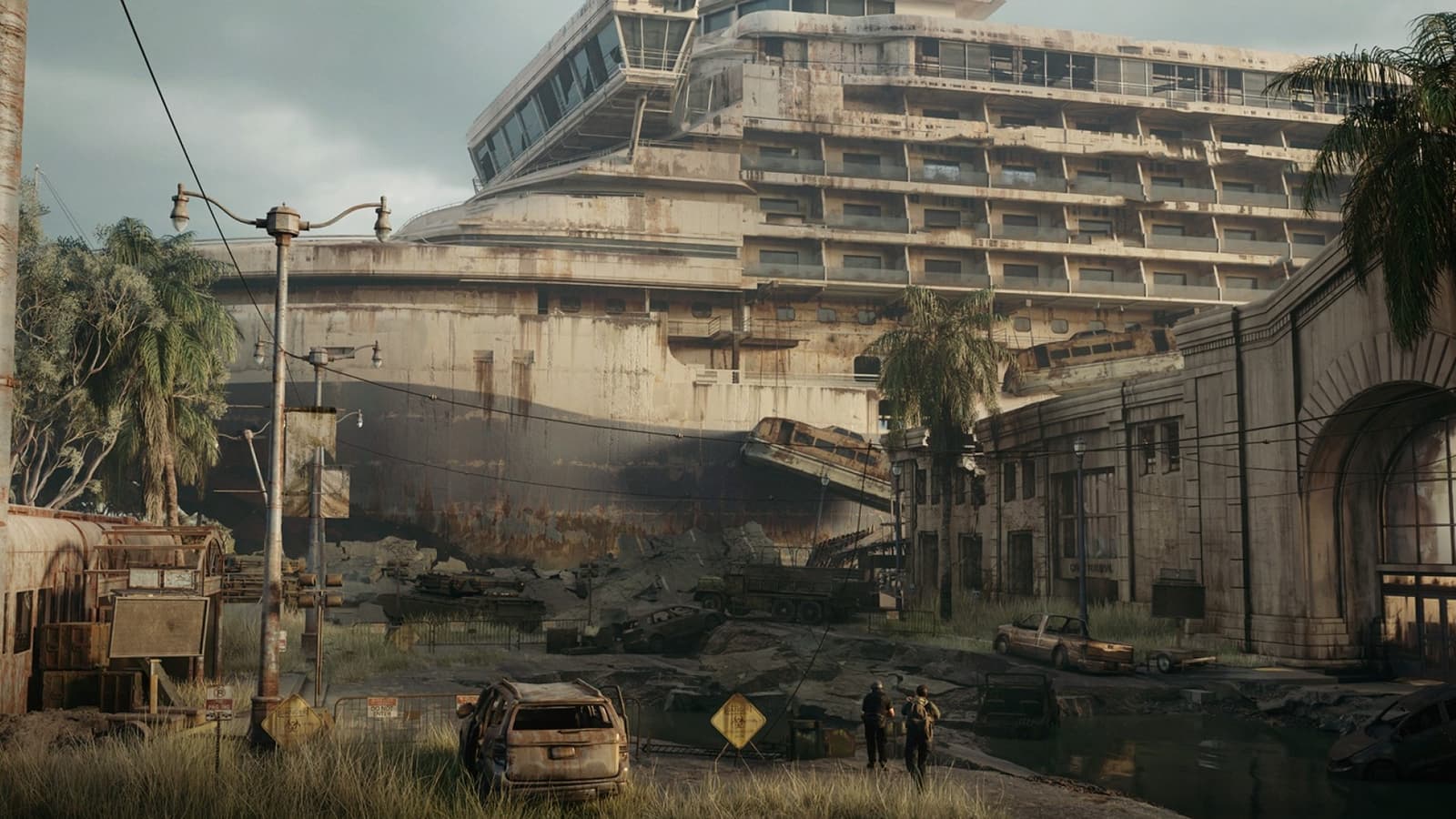
The Last of Us franchise is experiencing a strategic pivot that creates significant e-commerce opportunities for sellers. Naughty Dog cancelled The Last of Us Online in December 2023 after 7 years of development (80% complete), with director Vinit Agarwal learning of the decision just 24 hours before public announcement. The cancellation stemmed from post-COVID industry pullback, Sony's reassessment of live service economics, and resource constraints—Bungie's feedback revealed live service games require dedicated teams for years of post-launch content. However, this setback masks a larger opportunity: Naughty Dog is pursuing The Last of Us 3 and other single-player projects, while HBO's television adaptation continues production on Season 3, creating sustained consumer engagement and merchandise demand.
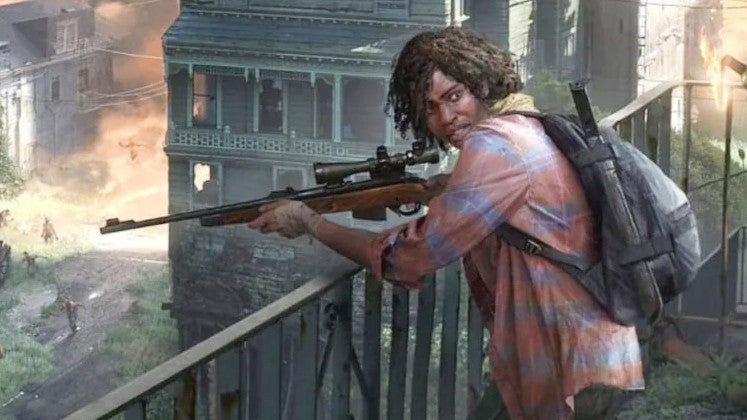
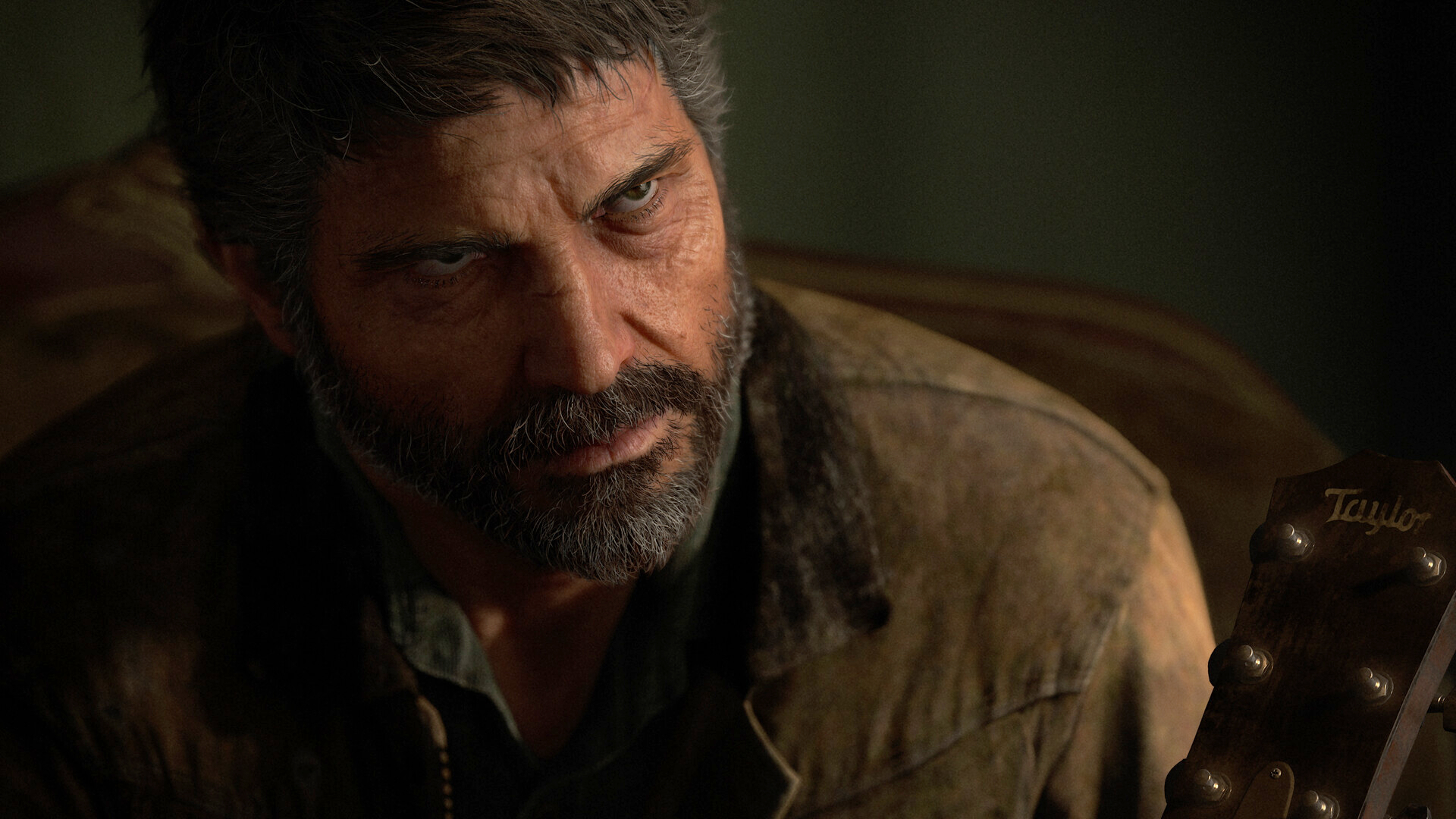
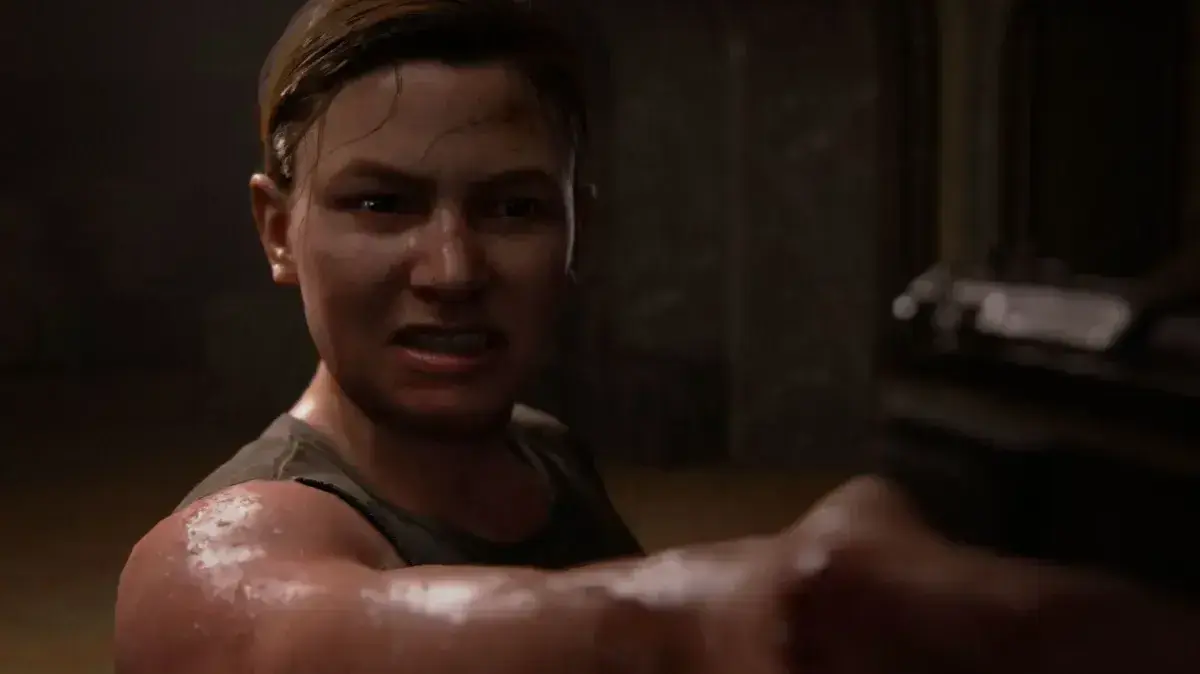
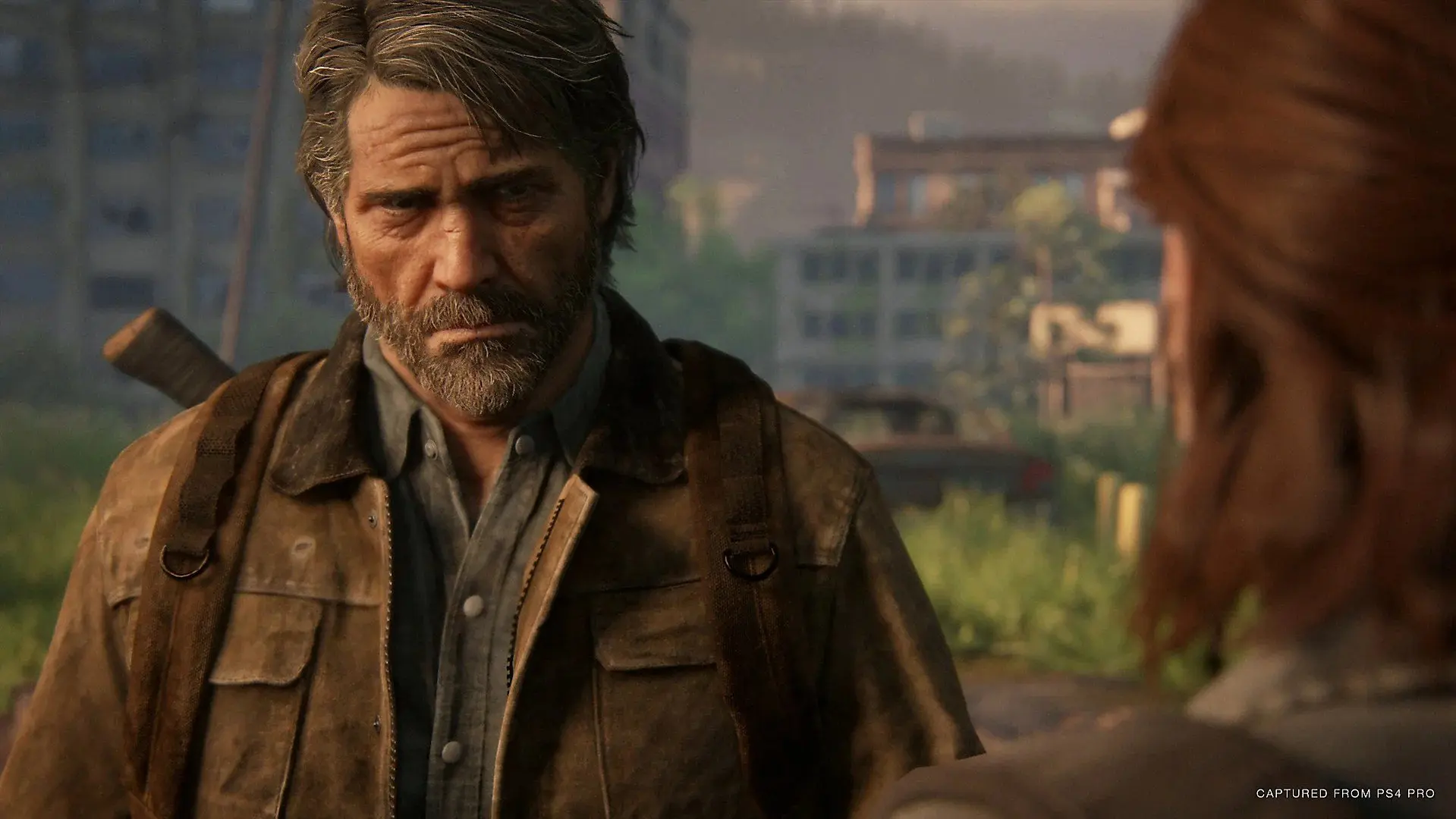
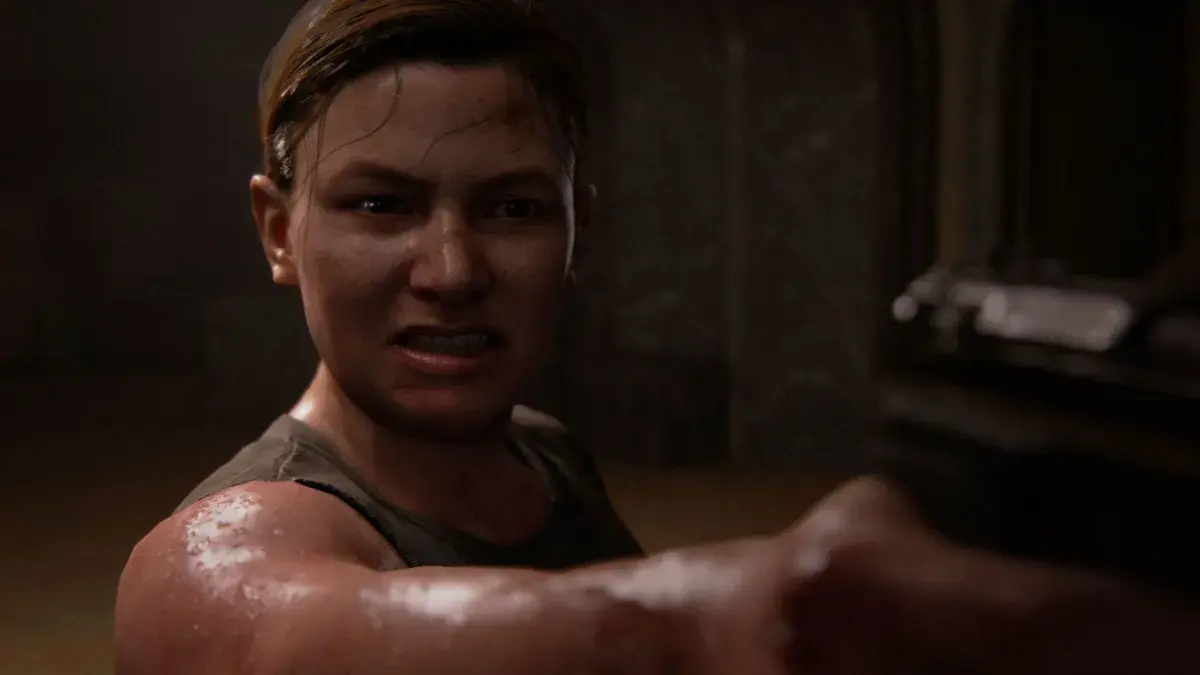
The merchandise angle is substantial. The Last of Us Part II (2020) generated over $300M in game sales, and the HBO series (launched 2023) became a cultural phenomenon, driving demand for licensed products across multiple categories. Sellers can capitalize on: (1) Gaming merchandise (apparel, collectibles, gaming peripherals branded with franchise IP), (2) Entertainment crossover products (TV series tie-in merchandise, character-specific items), (3) Survival-themed products (post-apocalyptic aesthetic appeals to gaming/entertainment audiences), and (4) Collectible categories (action figures, statues, limited editions). The franchise's controversial narrative decisions—particularly Joel's death in Part II and its HBO adaptation—generated massive fan engagement and backlash, creating polarized consumer segments with distinct purchasing behaviors.
Platform implications are significant. Amazon, eBay, and Shopify sellers can source licensed Last of Us merchandise through official distributors or create fan-inspired products in non-infringing categories. The HBO series' Season 2 finale (featuring the controversial Joel death scene) aired in March 2024, creating merchandise demand spikes. Sellers should monitor: (1) Official licensing opportunities through Sony/Naughty Dog partnerships, (2) Seasonal demand peaks around HBO season releases and game announcements, (3) Collectible market trends (similar franchises see 15-25% price appreciation for limited editions), and (4) Cross-category opportunities (apparel, home goods, gaming accessories). The franchise's internal controversy (Naughty Dog was "pretty split" on creative decisions) mirrors broader entertainment industry debates that drive consumer engagement and merchandise sales—controversial content typically generates 2-3x higher merchandise demand than consensus-approved content.
Questions 7
How does the game cancellation affect merchandise demand timing and strategy?
The cancellation eliminates a planned multiplayer game release but doesn't reduce merchandise demand—it actually concentrates it. HBO Season 2's finale (March 2024) featuring the controversial Joel death scene created immediate merchandise spikes. Sellers should plan inventory around: (1) HBO season releases (typically spring/winter), (2) game announcements from Naughty Dog, (3) collectible release windows (limited editions), and (4) franchise anniversaries. Historical data shows entertainment merchandise demand peaks 2-4 weeks after major content releases and sustains for 8-12 weeks, allowing sellers to plan inventory cycles accordingly.
What merchandise opportunities exist from The Last of Us franchise cancellation and HBO series?
Despite the multiplayer game cancellation in December 2023, the franchise generates significant merchandise demand through HBO's ongoing television series (Season 3 in production) and anticipated single-player games. Sellers can source licensed products including apparel, collectibles, gaming peripherals, and home goods. The franchise's controversial narrative decisions drive polarized fan engagement, which historically increases merchandise sales by 2-3x compared to consensus content. Amazon, eBay, and Shopify sellers should focus on official licensed products through Sony/Naughty Dog partnerships or create non-infringing fan-inspired items in apparel and collectible categories.