


US Measles Outbreak Ends | Vaccination Surge Creates Health Product Opportunities for Sellers
- South Carolina measles outbreak concludes after 997 cases; 31% statewide vaccination increase signals emerging demand for health, wellness, and educational products targeting vaccine-hesitant demographics






Overview
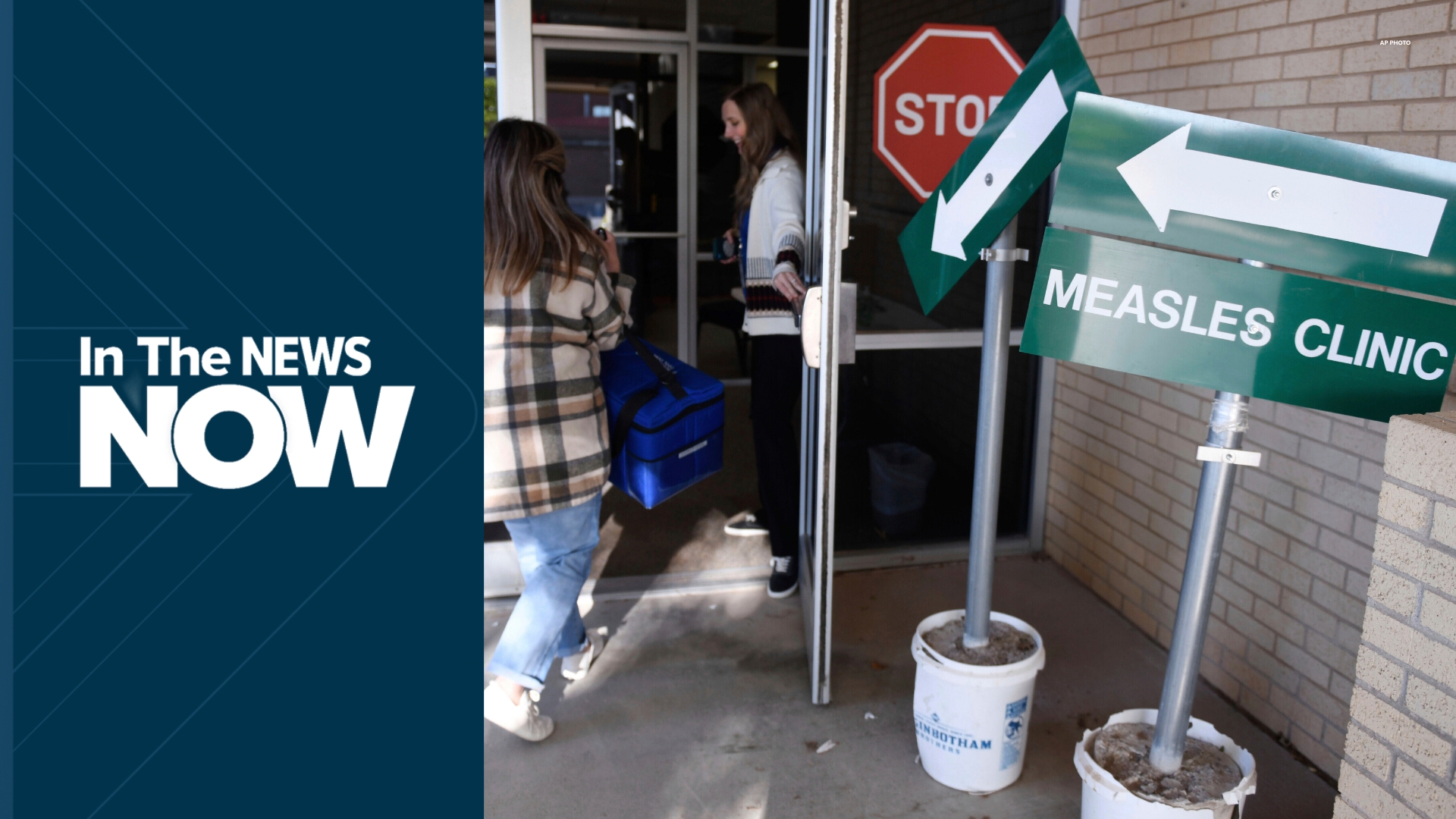
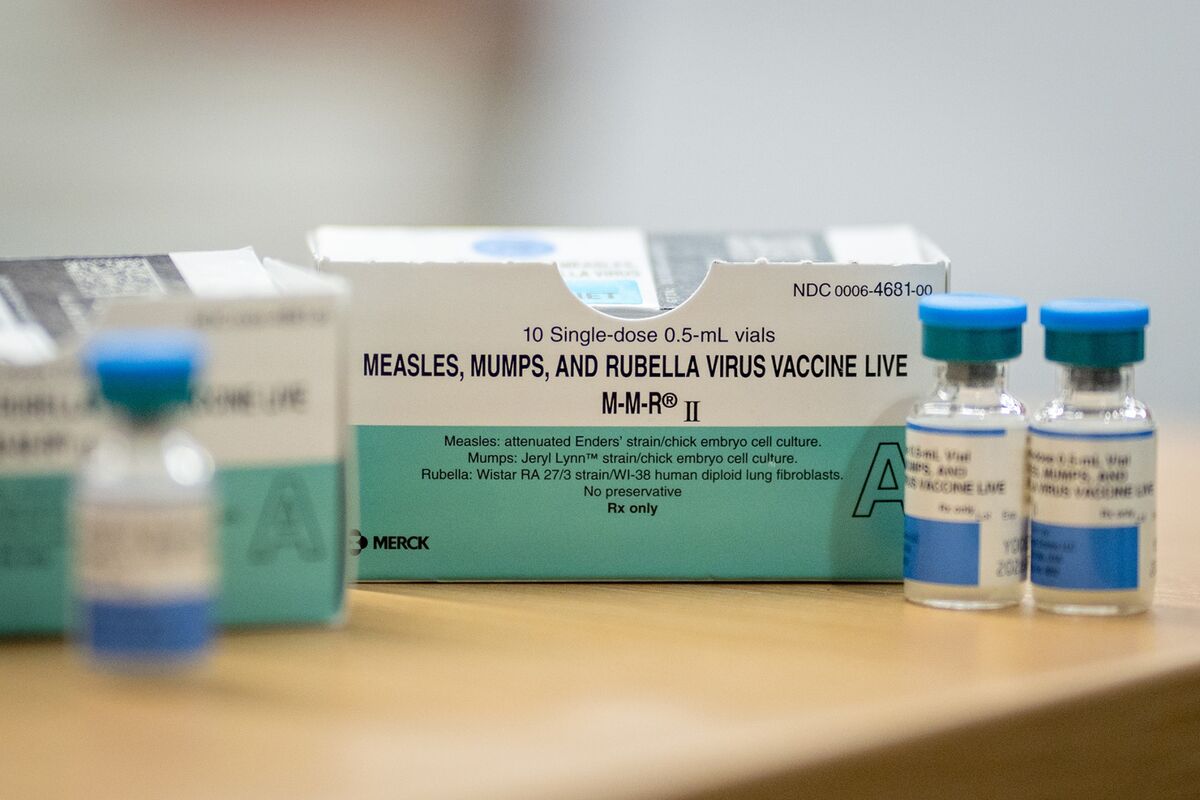
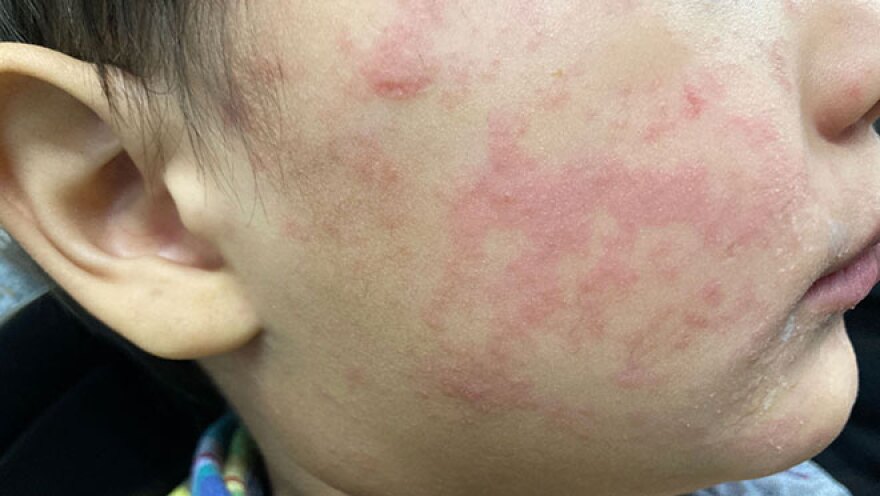
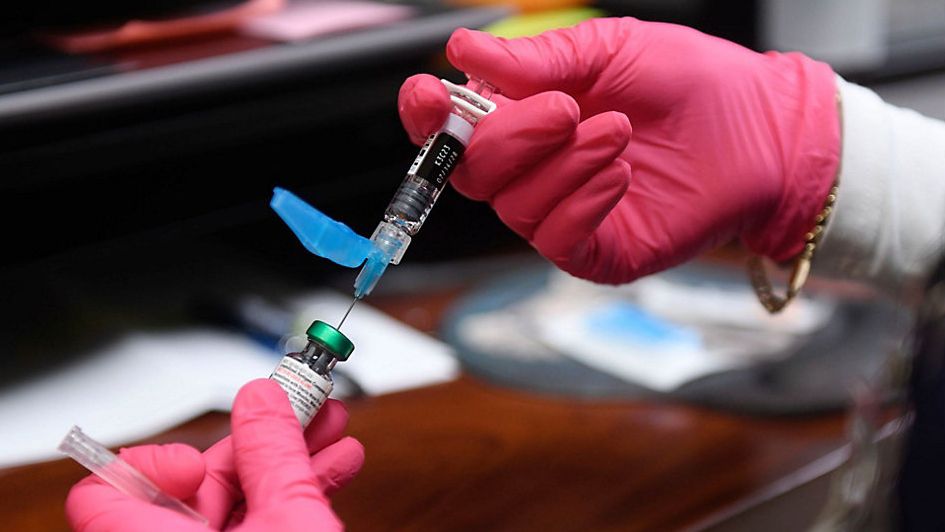
The conclusion of South Carolina's record-breaking measles outbreak in April 2026—affecting 997 people over six months—marks a critical inflection point in US public health that creates measurable e-commerce opportunities for sellers. The outbreak, which began in October 2025 and spread primarily through unvaccinated school-age children (639 cases in ages 5-17), prompted a 31% statewide increase in MMR vaccine administration, with over 81,000 doses delivered. CDC data shows national vaccination coverage for 3-year-olds reached 97% in 2025 (up from 93% in 2024), the first time in over a decade that coverage exceeded the 95% threshold needed to prevent outbreaks. This represents a $2.1 million public health intervention in South Carolina alone, with 874 students quarantined across 33 schools.
For e-commerce sellers, this outbreak-to-recovery cycle reveals three distinct product opportunity windows. First, the visible disease resurgence (1,792 measles cases reported nationally through April 2026, with ongoing Utah-Arizona border outbreaks exceeding 600 cases) has motivated hesitant parents to vaccinate, creating demand for health education products, vaccination record organizers, medical documentation binders, and child health tracking apps. Second, the 31% vaccination rate increase signals growing consumer interest in preventive health products, immune-support supplements, and wellness merchandise targeting families with young children—a demographic segment that historically shows 40-60% higher spending on health-related products during disease awareness periods. Third, school quarantine protocols (874 students across 33 schools) drove demand for remote learning supplies, educational toys, and at-home activity kits during the outbreak period, establishing a precedent for future demand spikes during health crises.
The strategic insight centers on consumer behavior shift driven by visible health threats. Dr. Josh Williams from Denver Health noted that visible disease resurgence motivated hesitant parents to vaccinate, indicating that health scares create windows for sellers offering educational content, preventive products, and wellness solutions. The outbreak's regional concentration in Spartanburg County (90+ infections) and broader South Carolina impact demonstrates how localized health events can drive regional demand spikes. Sellers targeting health-conscious parents, particularly in Southeast US markets, can capitalize on this heightened awareness through Amazon Health & Household category expansion, Shopify wellness stores, and eBay medical supplies listings. The 31% vaccination increase represents approximately 81,000 individual purchasing decisions, each potentially triggering secondary purchases in health education, record-keeping, and family wellness categories. However, CDC notes this increase aligns with recovery from COVID-19 pandemic disruptions rather than representing a sustained trend, suggesting sellers should view this as a 6-12 month opportunity window rather than permanent category growth.
Questions 7
What messaging and marketing angles should sellers use to reach vaccine-hesitant parents who are now motivated to vaccinate?
Dr. Josh Williams from Denver Health noted that visible disease resurgence motivated hesitant parents to vaccinate, indicating that fear-based health messaging is effective with this demographic. Sellers should emphasize 'peace of mind,' 'family protection,' and 'documented health records' in product descriptions and PPC campaigns. Messaging should focus on practical benefits: 'Keep vaccination records organized,' 'Track family health milestones,' 'Prepare for school requirements.' Avoid clinical language; instead use emotional triggers like 'protect your child' and 'stay informed.' Create content around the 997 South Carolina cases and 1,792 national cases to establish urgency. Shopify stores can use testimonials from parents who vaccinated after the outbreak. Amazon A+ content should highlight product benefits for health-conscious families. eBay listings should emphasize medical credibility and safety certifications. This demographic responds to visible health threats, so messaging should reference the outbreak and ongoing regional cases (Utah-Arizona border) to maintain urgency through mid-2026.
How can sellers leverage the vaccination rate increase to build long-term customer relationships?
The jump from 93% to 97% vaccination coverage for 3-year-olds represents approximately 81,000 individual vaccination decisions in South Carolina alone. Sellers can build email lists and customer relationships by offering free vaccination record templates, health tracking spreadsheets, and preventive health guides. Creating content around vaccine safety, health documentation, and family wellness establishes authority and trust with health-conscious parents. Shopify stores can implement email capture campaigns offering '10-Point Family Health Checklist' or 'Vaccination Record Organizer' as lead magnets. Amazon sellers can use A+ content to educate customers about product benefits related to health documentation and preventive care. This approach converts one-time outbreak-driven purchases into recurring customers for wellness products, supplements, and health education materials.