




College Football's Strategic Realignment Signals Major Conference Transformation in 2026
- SEC's Nine-Game Schedule Revolution Reshapes Competitive Landscape for Teams and Fans

















Overview
The Southeastern Conference (SEC) is orchestrating a profound strategic transformation in college football scheduling, signaling a pivotal moment of inter-conference evolution. The 2026 season represents more than just a routine schedule update—it's a calculated reconfiguration of competitive dynamics that will fundamentally reshape how collegiate athletic programs interact and compete.
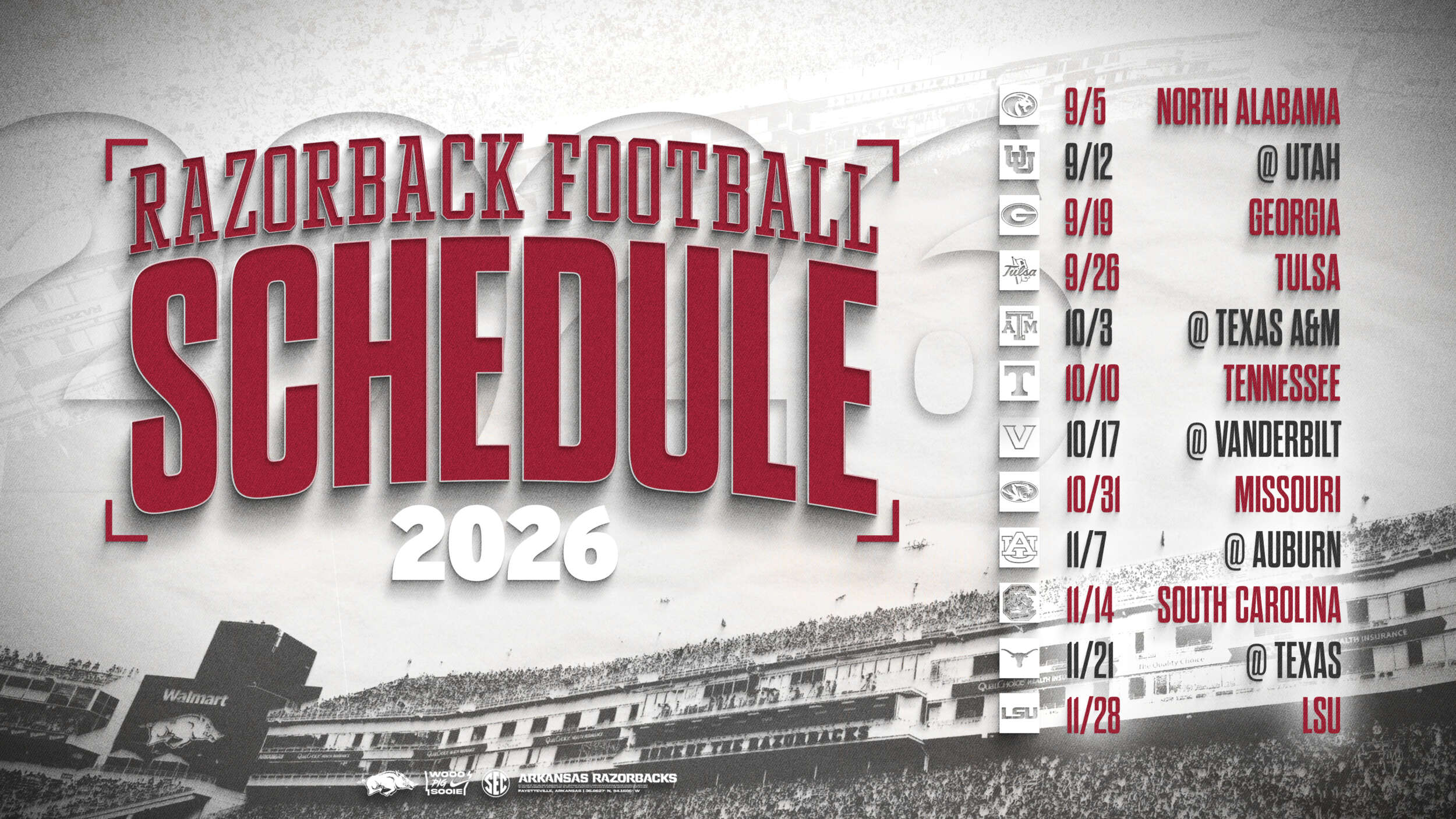
Strategic Schedule Redesign emerges as the core narrative, with the SEC introducing a groundbreaking nine-game conference schedule that ensures each team faces every conference program once every two years. This isn't merely an administrative adjustment, but a sophisticated approach to maximizing competitive exposure and maintaining traditional rivalries while adapting to the expanding collegiate athletic ecosystem.
The schedule's architectural complexity reveals several critical strategic insights. Inter-conference matchups now become mandatory, with teams required to schedule at least one non-conference opponent from prestigious conferences like the ACC, Big Ten, Big 12, or Notre Dame. This requirement transforms scheduling from a logistical exercise into a strategic chess match, where program reputation, competitive balance, and fan engagement intersect.
Highlight matches like Lane Kiffin leading LSU into Oxford to face his former team Ole Miss and the Georgia-Alabama championship game rematch underscore the human drama embedded in these structural changes. These aren't just games—they're narrative-driven sporting events that capture audience imagination and drive broader conference dynamics.
The nine-game format represents a competitive intensity amplification, providing more inter-conference exposure and creating a more rigorous testing ground for teams. By ensuring more frequent interactions between conference members, the SEC is essentially creating a more interconnected, transparent competitive ecosystem that benefits teams, fans, and the broader college football landscape.
For stakeholders—from athletic directors to passionate fans—this scheduling revolution signals a new era of strategic complexity. Teams must now balance traditional rivalries, conference dynamics, and non-conference prestige in an increasingly sophisticated athletic marketplace.
Questions 3
Why is the SEC switching to a nine-game conference schedule in 2026?
The nine-game schedule ensures each SEC team faces every conference program once every two years, maximizing competitive exposure and maintaining traditional rivalries. It represents a strategic approach to creating more interconnected and transparent conference interactions.
What are the key requirements for non-conference games under the new format?
Starting in 2026, SEC teams must schedule at least one non-conference opponent from prestigious conferences like the ACC, Big Ten, Big 12, or Notre Dame. This requirement transforms scheduling into a strategic decision that balances competitive opportunities and program reputation.