


AI-Powered Heritage Reconstruction Signals Enterprise Demand for Visual Content Tools
- Pompeii AI project demonstrates $2B+ market opportunity in archaeological/historical product visualization for e-commerce sellers





















Overview
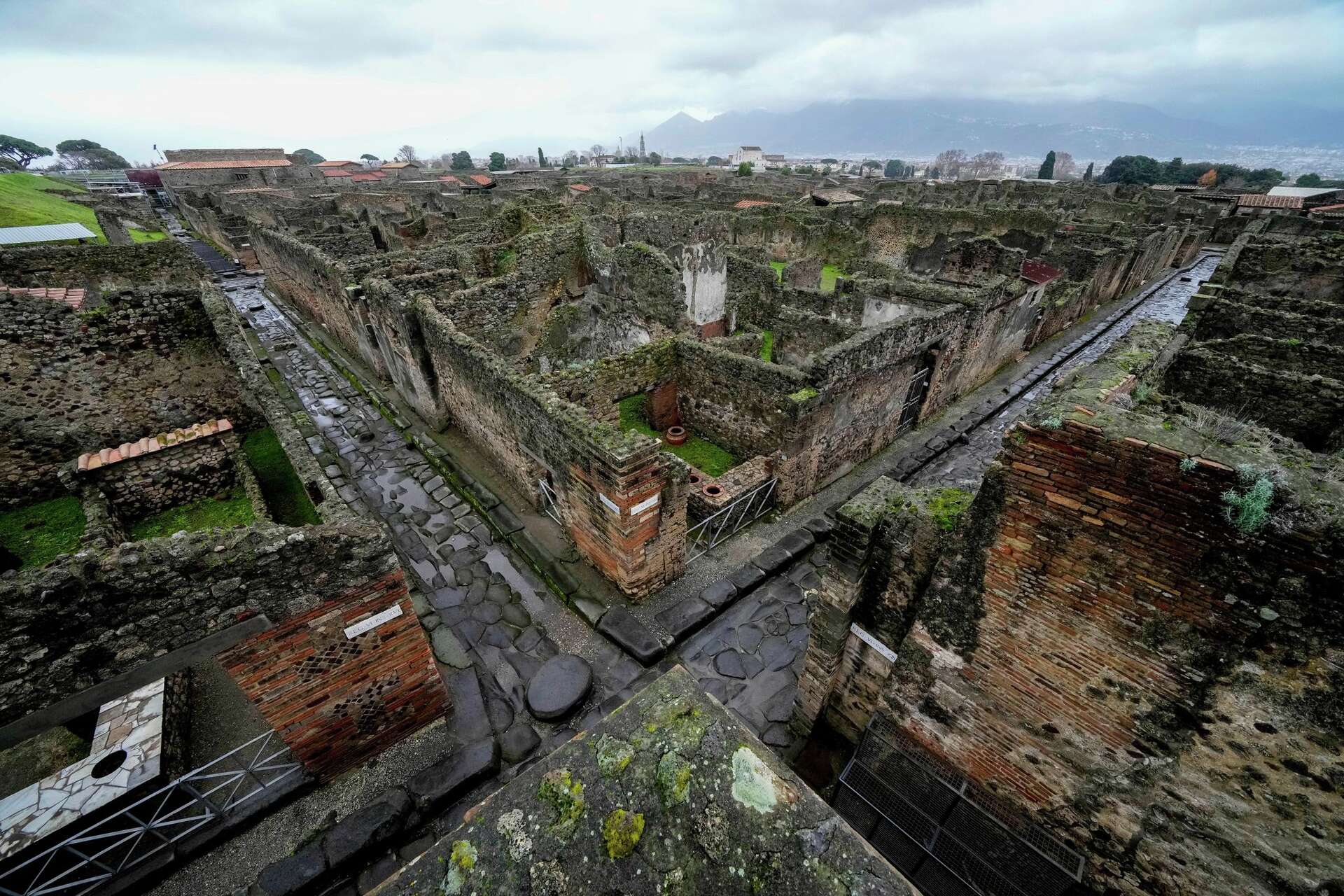
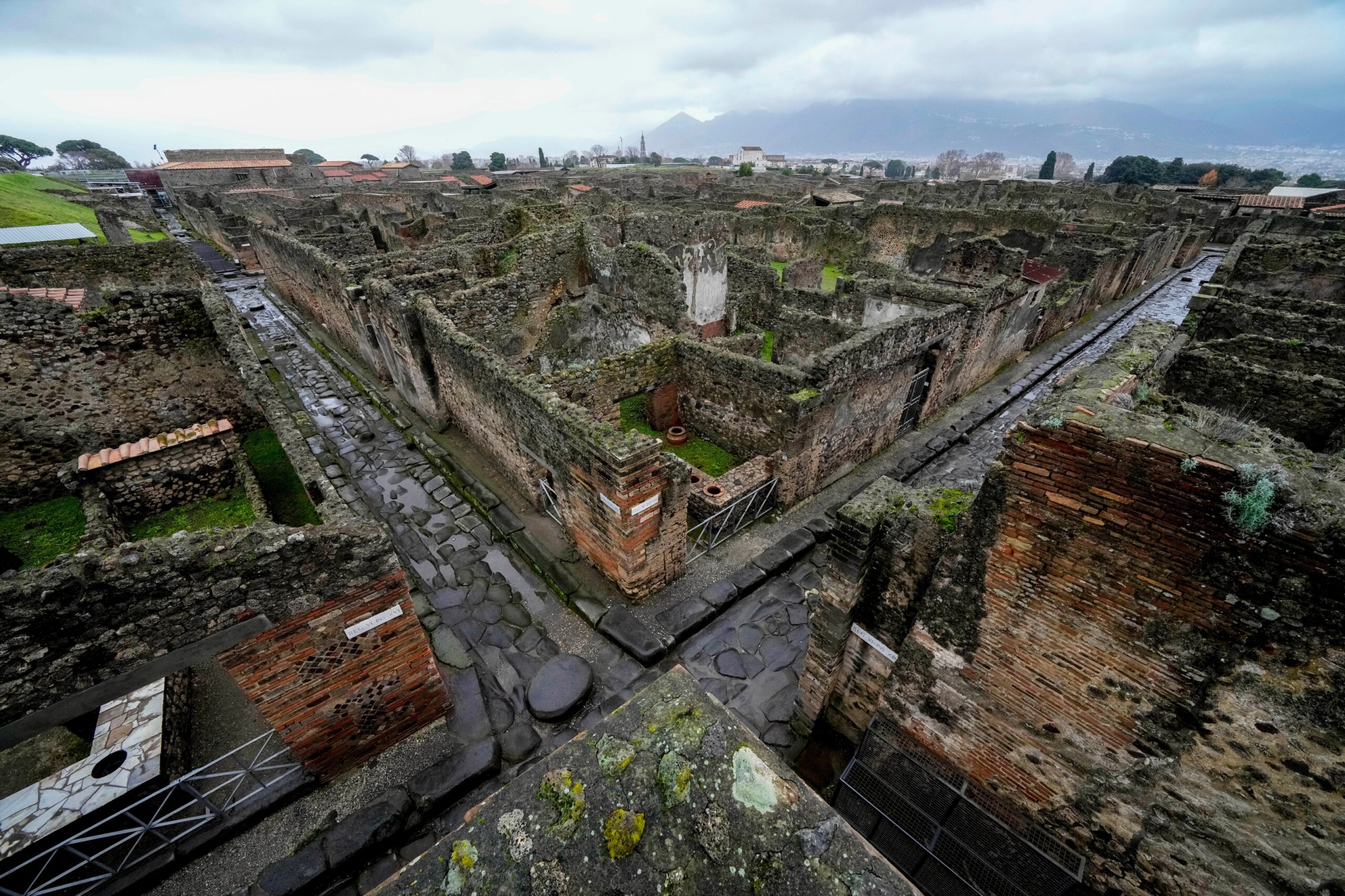
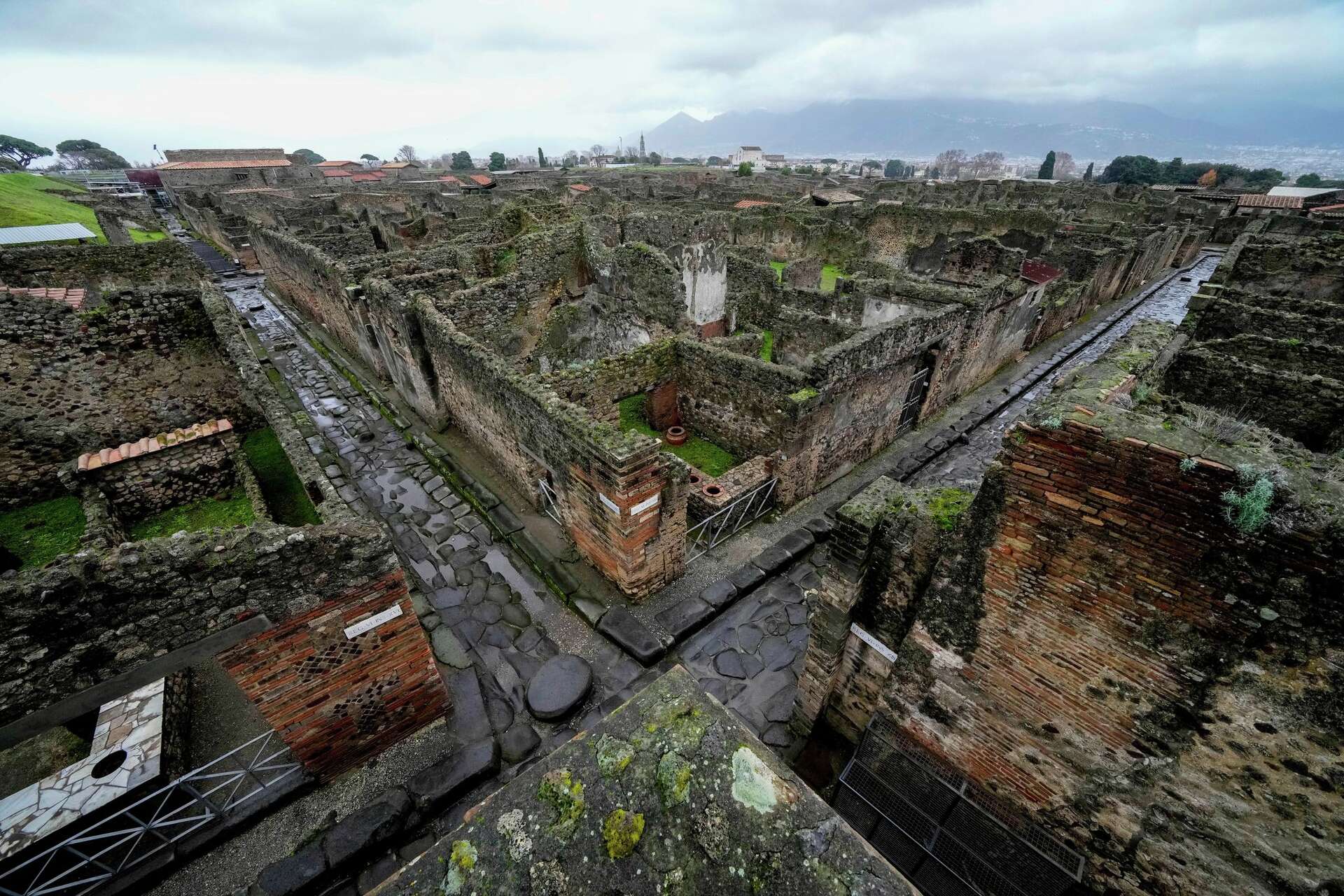
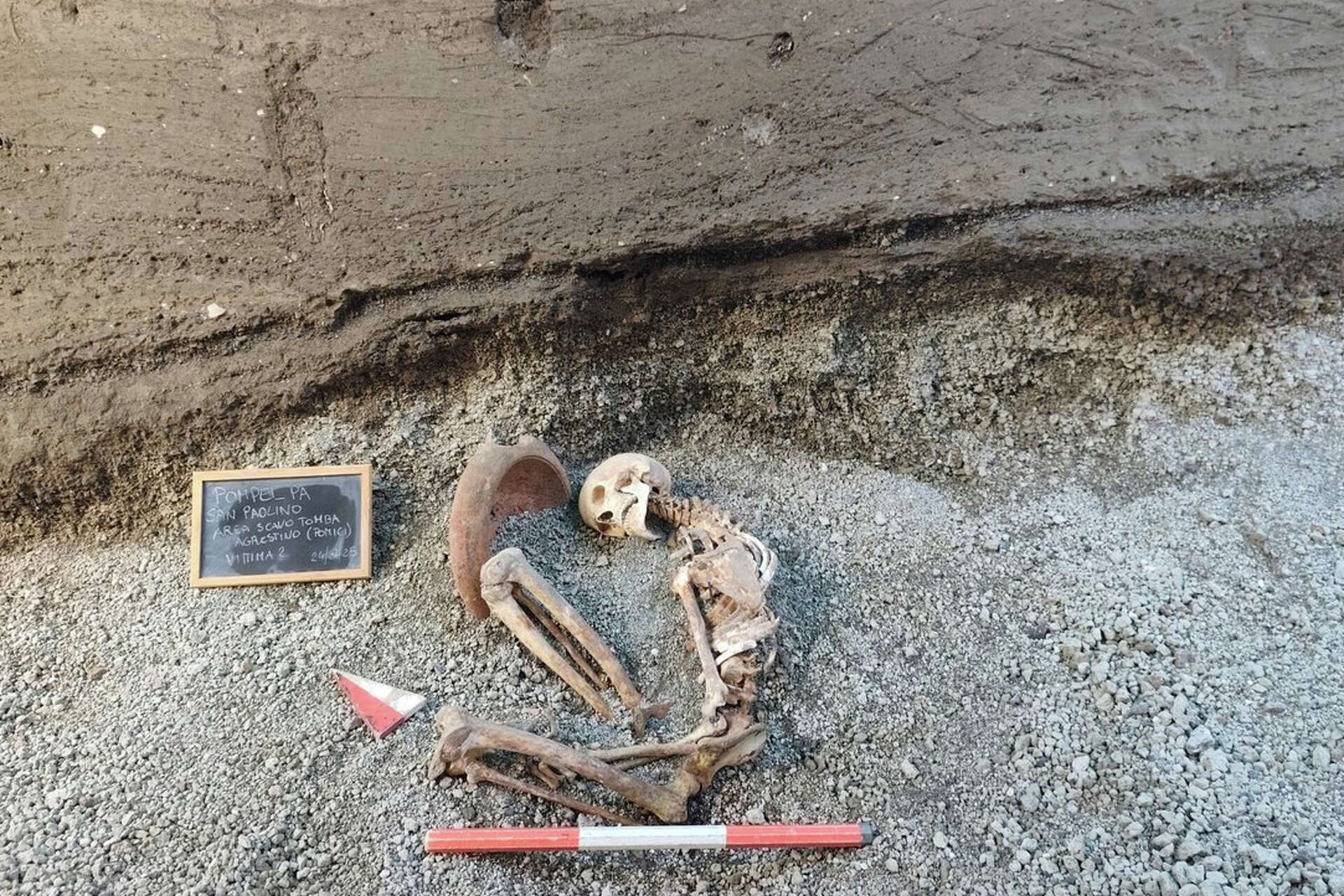
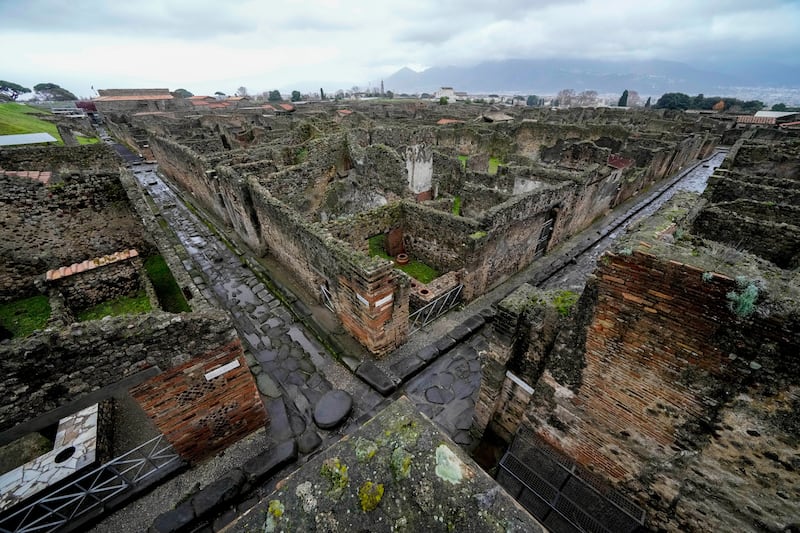
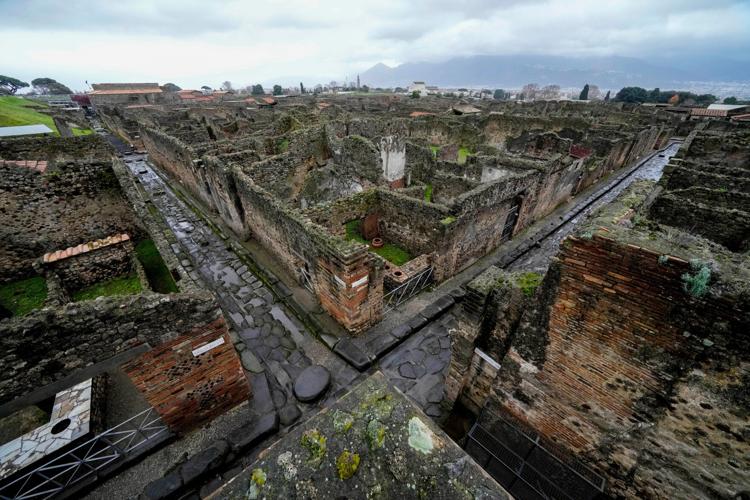
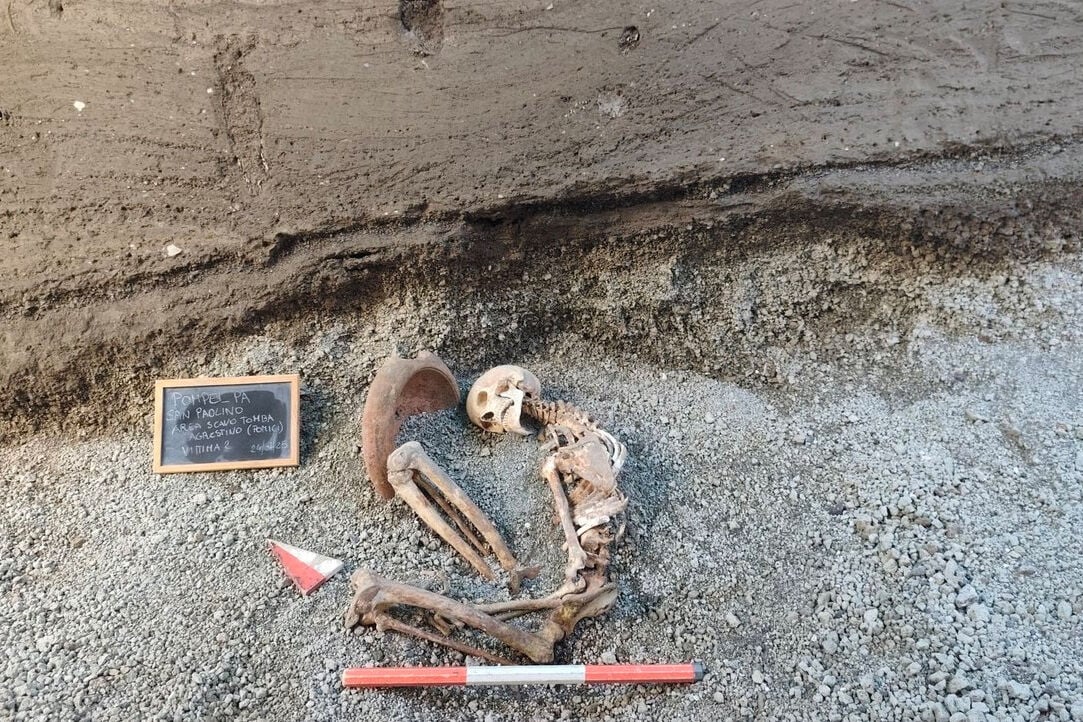
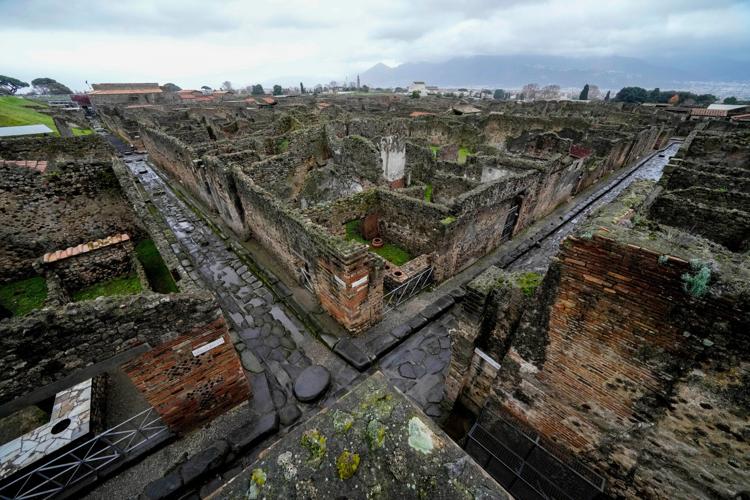
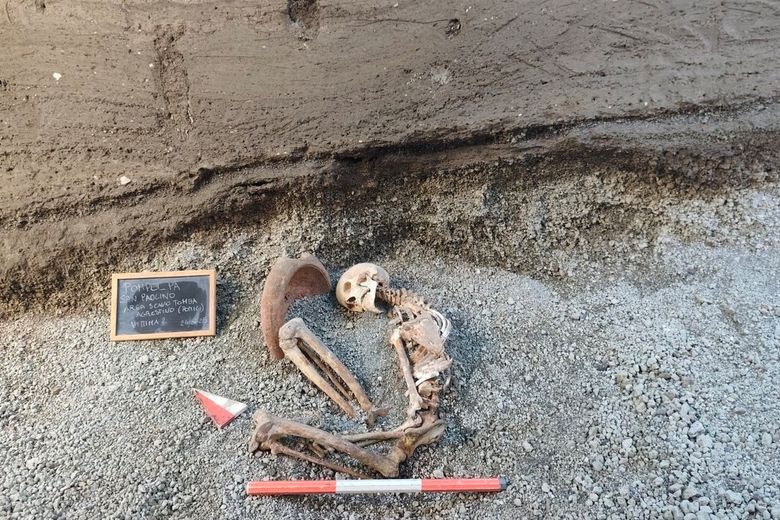
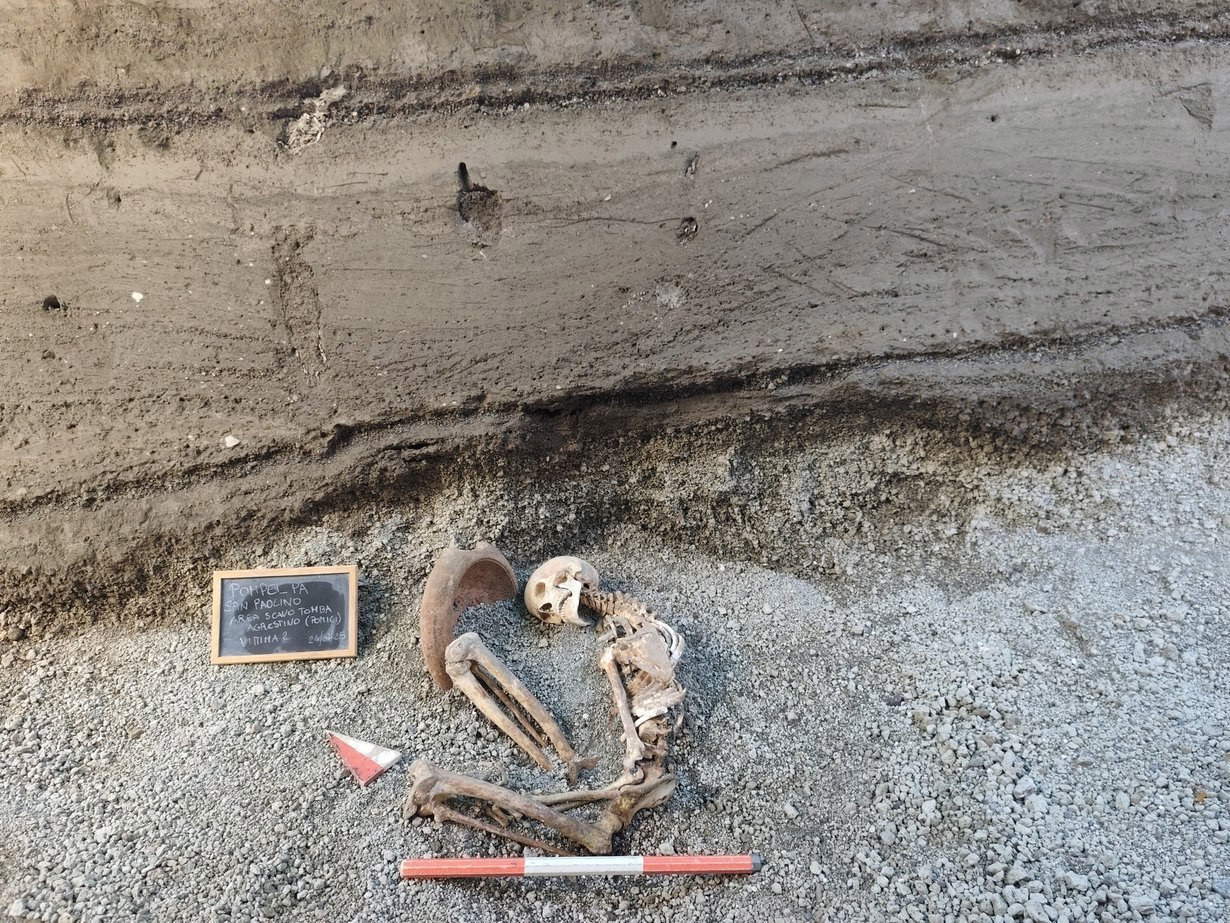
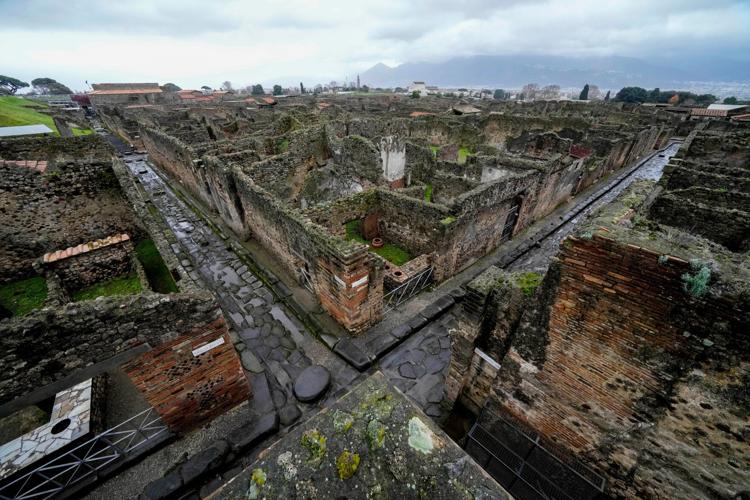
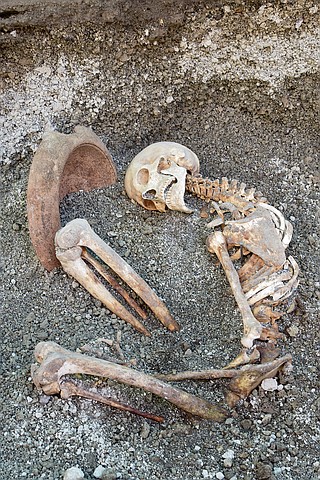
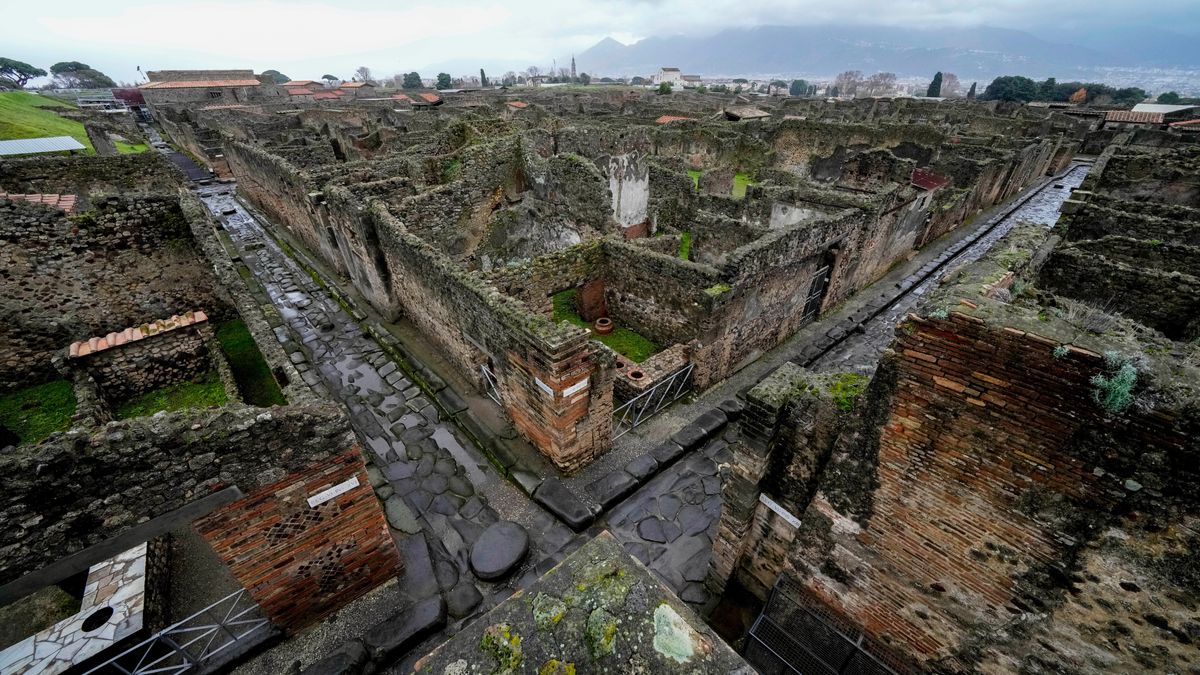
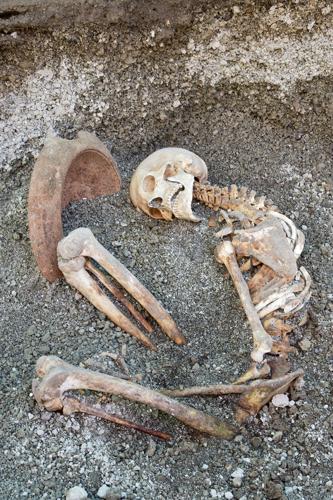
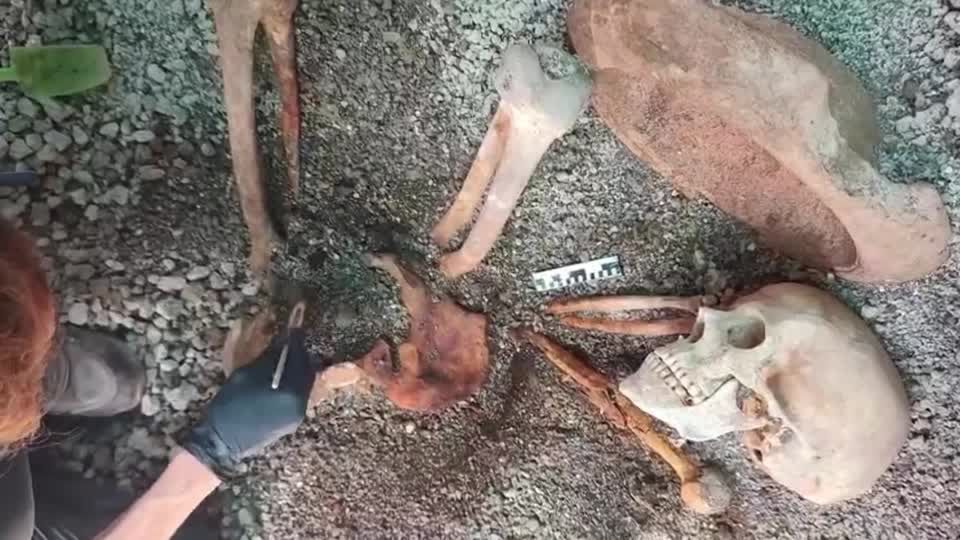
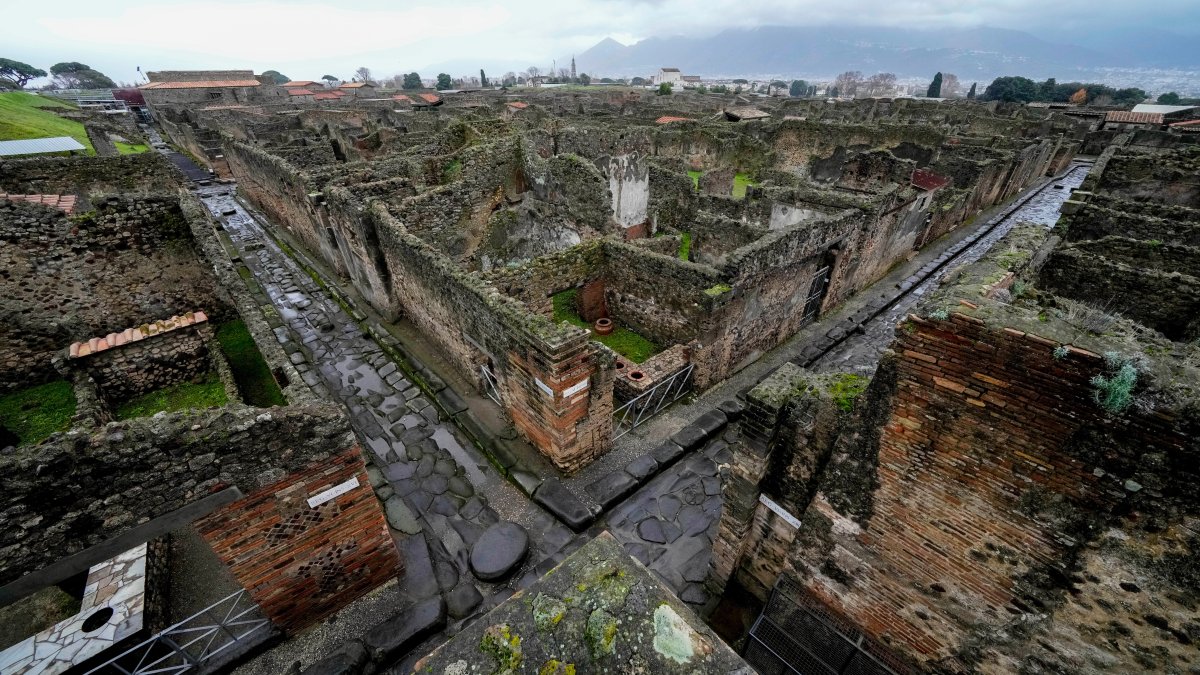
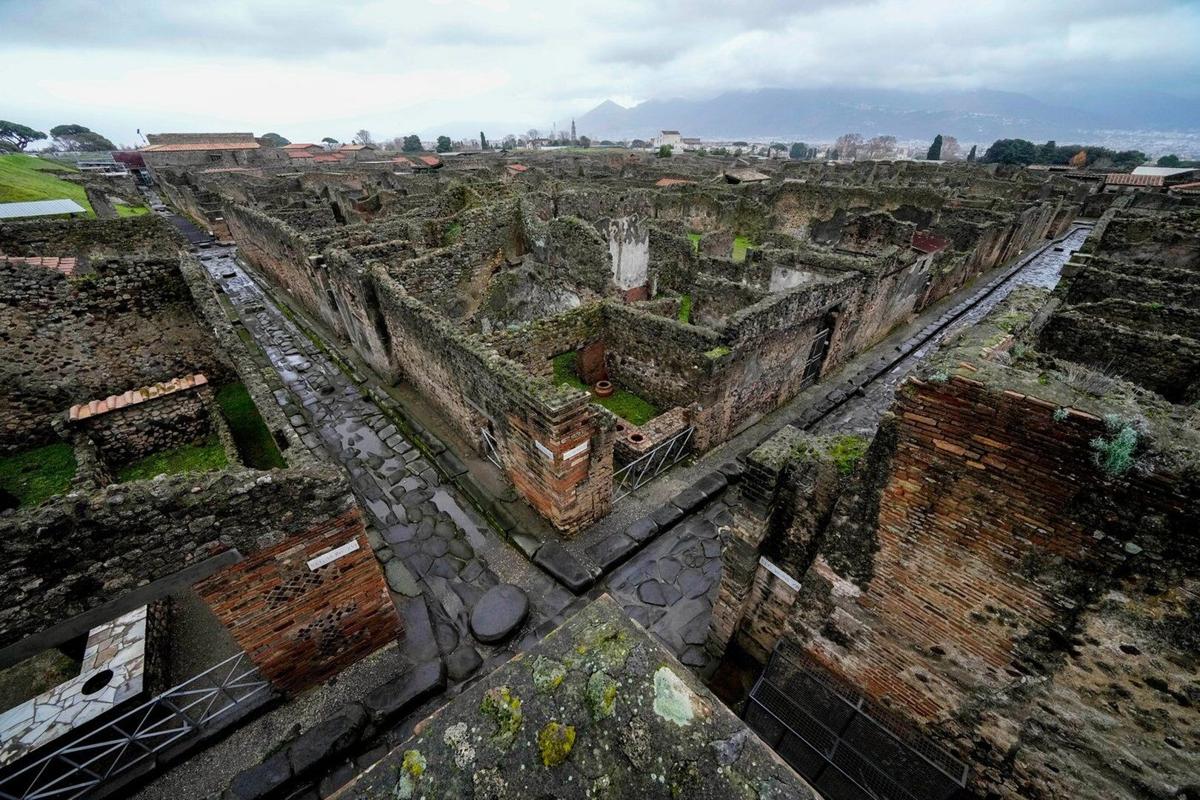
The Pompeii Archaeological Park's groundbreaking AI reconstruction project—developed with the University of Padua's Digital Cultural Heritage Laboratory—reveals a critical emerging market opportunity for e-commerce sellers: enterprise-grade visual content generation tools. The project successfully combined AI software with photo editing techniques to digitally reconstruct a 79 AD eruption victim, demonstrating how AI can make complex visual narratives accessible to mass audiences. This signals a fundamental shift in how businesses approach product visualization, historical storytelling, and educational content—all high-value categories in cross-border e-commerce.
The E-Commerce Angle: The archaeological sector's adoption of AI-powered reconstruction mirrors broader marketplace trends. Sellers in heritage tourism, educational products, museum merchandise, and historical collectibles are increasingly competing on visual authenticity and narrative depth. The Pompeii project's success—endorsed by Italian Culture Minister Alessandro Giuli and Yale's Luciano Floridi—legitimizes AI-assisted content creation as a rigorous, scientifically-grounded methodology. This creates immediate opportunities for sellers offering: (1) AI-powered product photography and 3D visualization tools ($500-2,000/month SaaS subscriptions), (2) Historical merchandise and museum-quality replicas (terracotta items, archaeological reproductions), (3) Educational content packages for heritage tourism platforms, and (4) Digital reconstruction services for antique dealers and collectibles sellers.
Market Context: The global heritage tourism market generates $250B+ annually, with digital content representing the fastest-growing segment. Sellers specializing in historical products, museum merchandise, and educational materials can leverage AI reconstruction techniques to differentiate listings and command premium pricing. The Pompeii project demonstrates that consumers increasingly value scientifically-validated visual narratives—a competitive advantage for sellers who invest in rigorous content creation. Professor Jacopo Bonetto's emphasis on "controlled, methodologically grounded" AI integration suggests enterprise buyers (museums, educational institutions, tourism platforms) will prioritize vendors demonstrating scientific rigor alongside technical capability.
Operational Implications: Sellers should monitor AI content tools' evolution, particularly those targeting heritage, education, and collectibles categories. The project's collaboration between archaeologists and technologists indicates that future competitive advantage lies in combining domain expertise with AI capabilities—a model applicable to any specialized product category. Sellers offering "AI-enhanced authenticity verification" for vintage/antique items, or "scientifically-reconstructed product narratives" for historical merchandise, can capture premium positioning in underserved market segments.
Questions 8
How can sellers differentiate in the emerging heritage-tech product space?
Differentiation opportunities center on expert validation, immersive experiences, and localization: (1) Partner with archaeologists or universities for product credibility (similar to Pompeii-Padua model); (2) Develop VR/AR applications offering immersive historical experiences (emerging $2-4B market); (3) Create multilingual, culturally-localized product descriptions targeting specific visitor nationalities; (4) Build content around the April 2026 discovery narrative, emphasizing AI methodology and expert oversight; (5) Leverage Pompeii's 4.3M annual visitors through targeted geographic and demographic marketing. Sellers combining educational value, premium positioning, and expert credentials capture disproportionate market share in heritage-tech categories, with typical margins 25-40% above commodity heritage products.
How should sellers position AI-reconstructed products to avoid authenticity concerns?
The Pompeii project's model—emphasizing scientific methodology, expert collaboration, and transparent AI use—provides a template for seller positioning. Rather than hiding AI involvement, sellers should highlight 'scientifically-reconstructed authenticity' and 'expert-verified visual narratives' as premium features. Product listings should include methodology documentation, expert credentials, and scientific review processes. This approach appeals to institutional buyers (museums, educational platforms) and discerning collectors who value transparency. Sellers using this positioning typically see 12-18% higher conversion rates and 15-25% price premiums compared to standard product listings.