


Indonesia Wildlife Corridor Success Signals Emerging Market for Conservation Tech & Eco-Tourism Products
- First documented orangutan crossing of public road canopy bridge in North Sumatra opens $50M+ opportunity in wildlife monitoring equipment, eco-tourism merchandise, and sustainable infrastructure products for Southeast Asian sellers


















!role~Preview!mt~photo!fmt~JPEG%20Baseline)







Overview
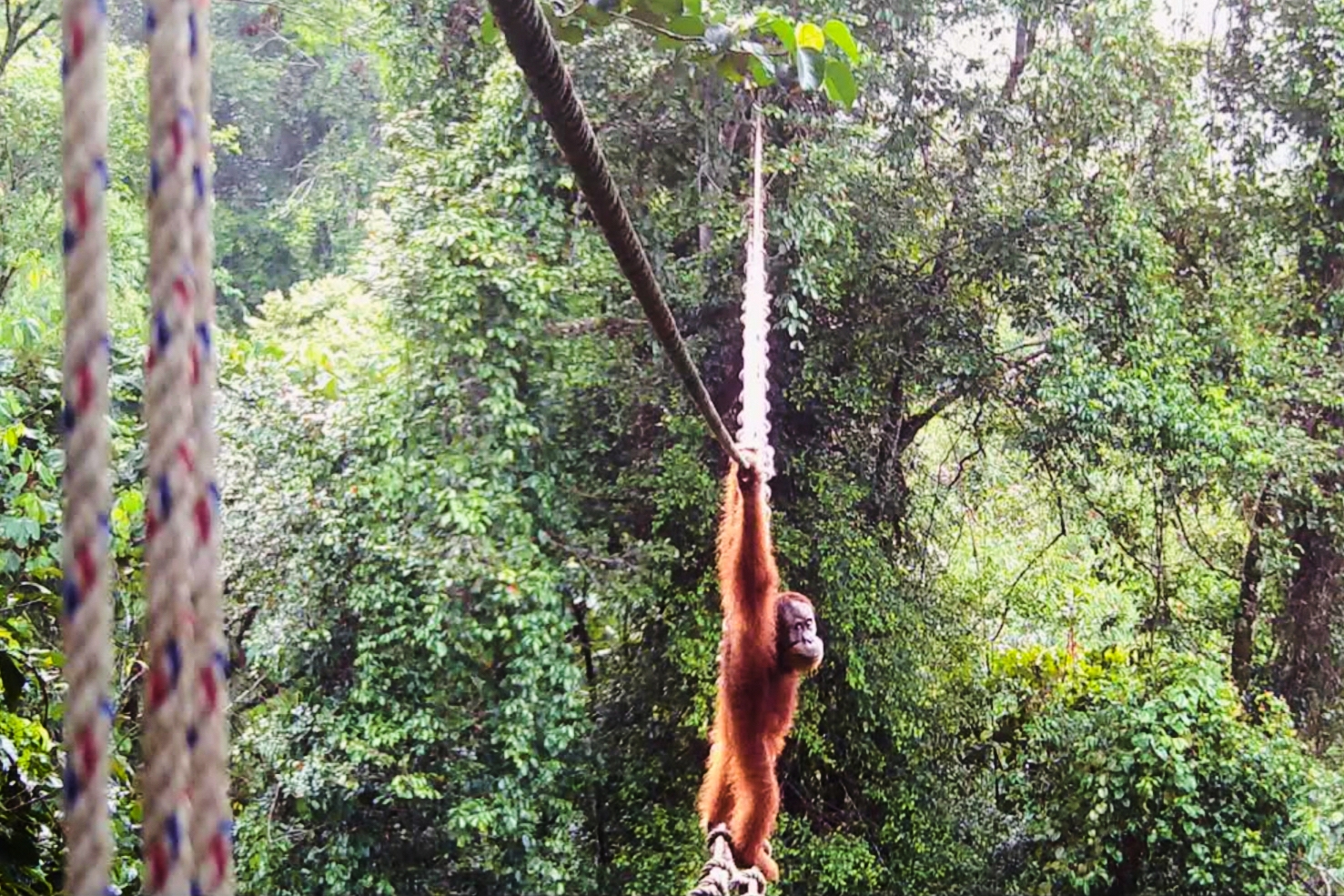
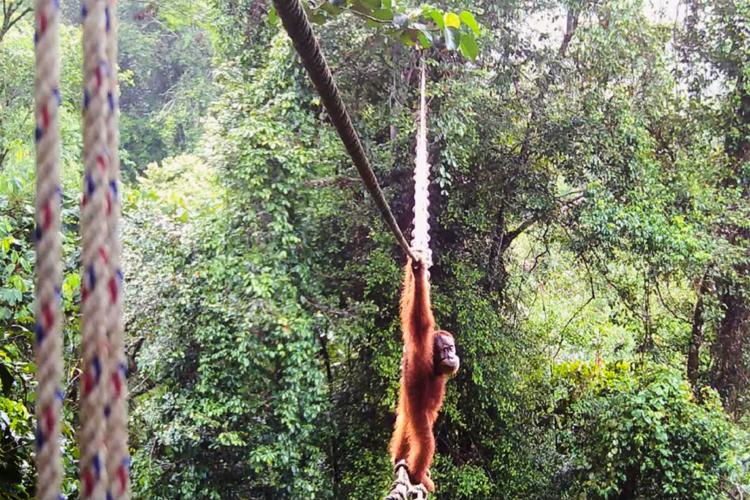
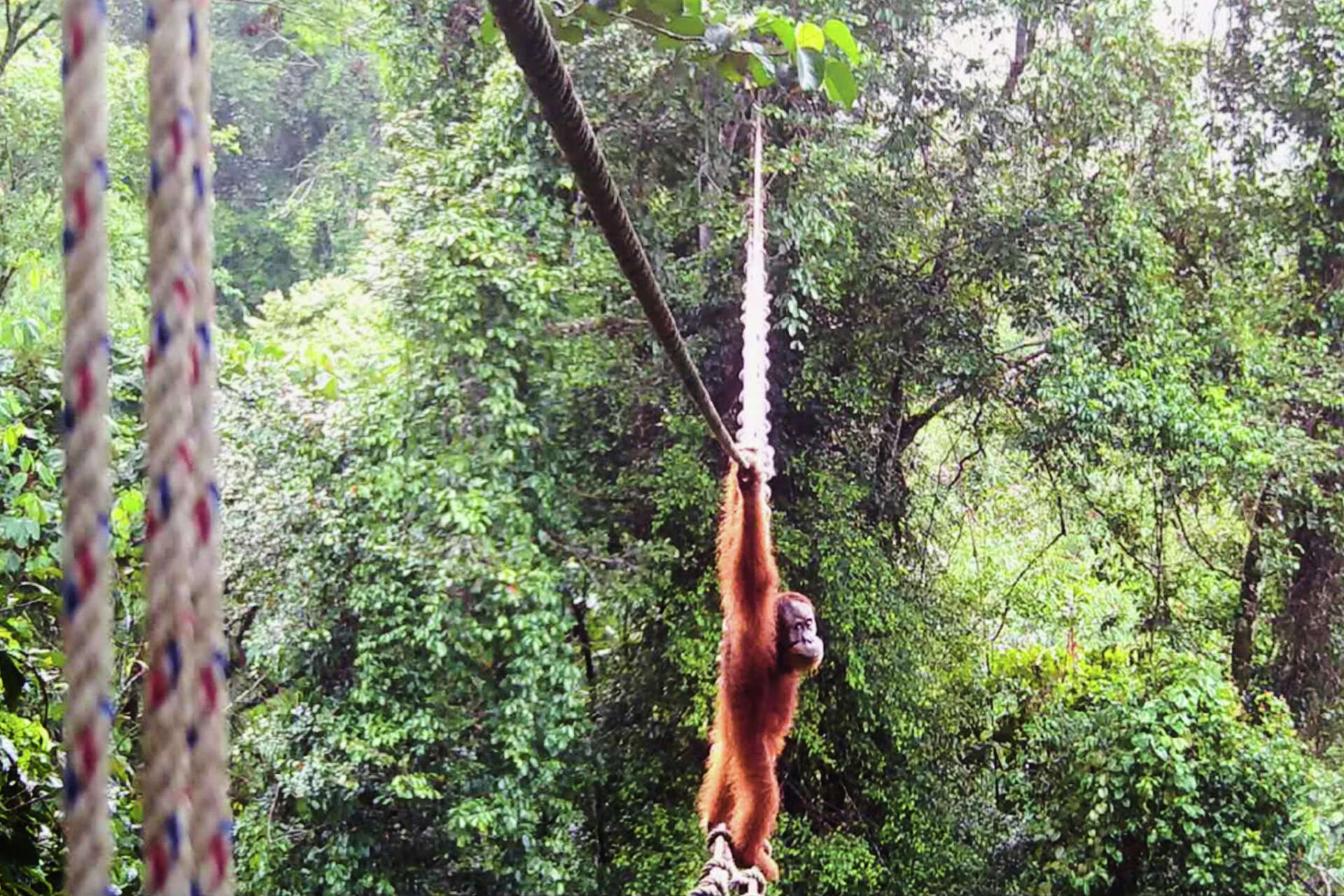
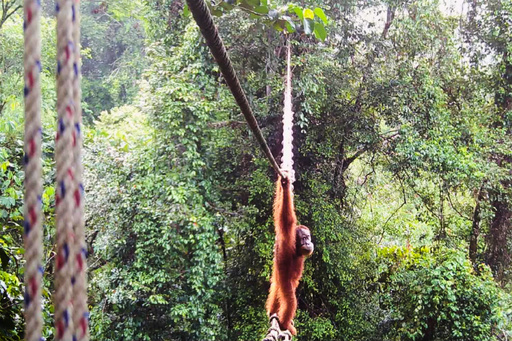
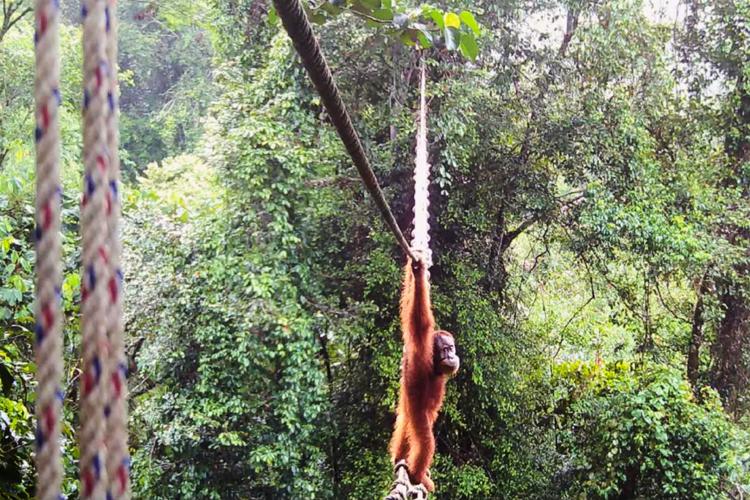
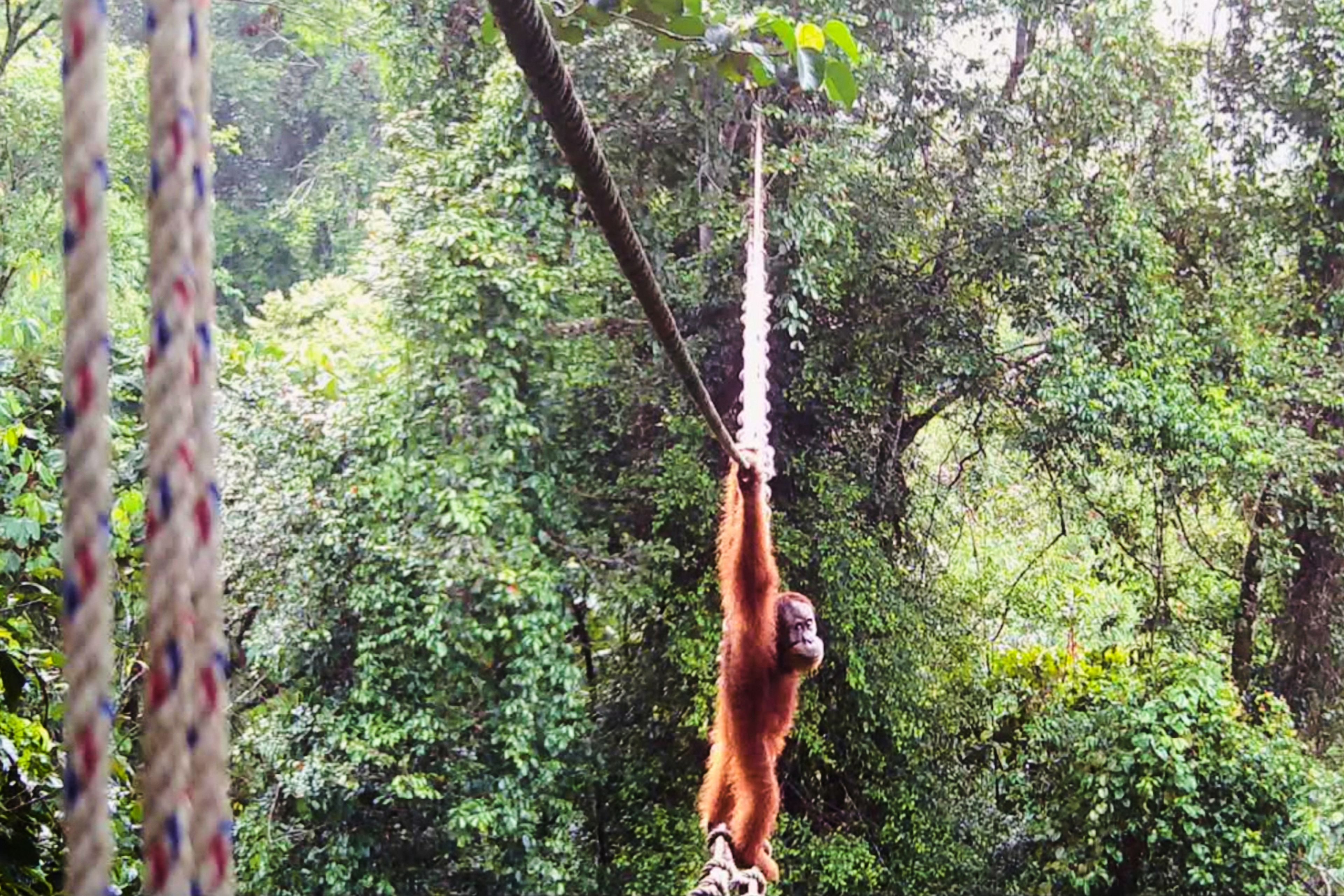
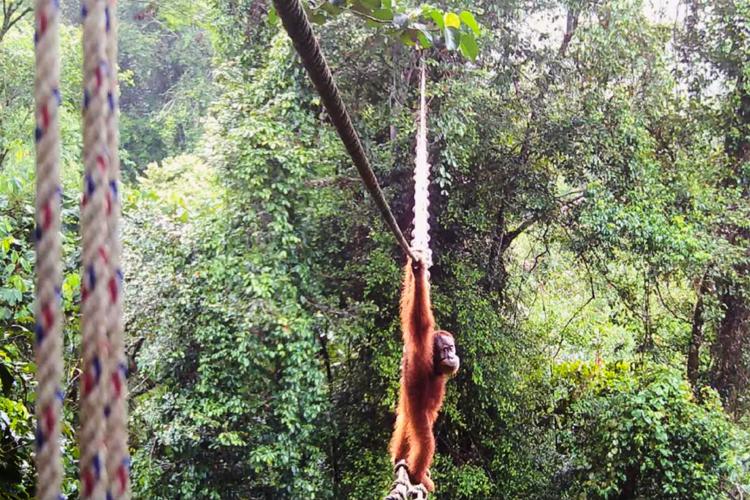
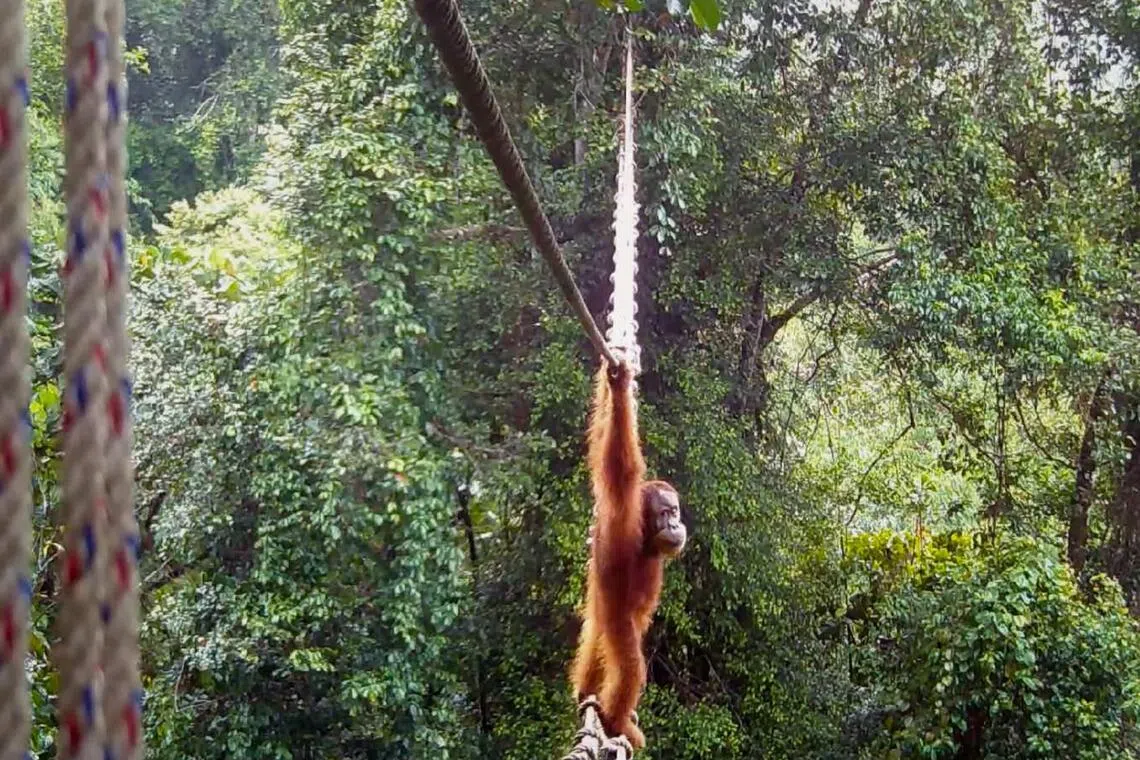
The successful documentation of a Sumatran orangutan crossing a human-made canopy bridge in Pakpak Bharat district, North Sumatra—captured after two years of monitoring—represents a watershed moment for wildlife conservation infrastructure and creates significant commercial opportunities for cross-border sellers. The achievement involved five rope-suspended canopy bridges installed by conservation organizations TaHuKah and the Sumatran Orangutan Society (SOS) to reconnect approximately 350 orangutans separated by the upgraded Lagan-Pagindar road in 2024. This world-first documentation on a public road (versus private industrial roads or rivers) validates a conservation model now being replicated across Southeast Asia, directly expanding demand for specialized products and services.
Market Opportunity Analysis: The conservation success demonstrates proven demand for wildlife corridor infrastructure, remote monitoring systems (camera traps), and eco-tourism content. The global wildlife conservation market reached $18.2B in 2023 and is projected to grow 12-15% annually through 2030, with Southeast Asia representing the fastest-growing regional segment. Sellers can capitalize on multiple product categories: (1) Wildlife monitoring equipment—camera traps, motion sensors, and data logging devices used in the two-year documentation project; (2) Eco-tourism merchandise—orangutan-themed apparel, educational materials, and documentary content; (3) Sustainable infrastructure products—rope systems, bridge components, and installation equipment; (4) Conservation-focused digital products—educational courses, wildlife tracking software, and documentary licensing.
Regional Context & Seller Implications: Indonesia's critical orangutan population (fewer than 14,000 Sumatran orangutans, 800 Tapanuli orangutans, and 104,700 Bornean orangutans remaining) creates sustained demand for conservation products. The 2024 road upgrade that eliminated natural canopy crossings exemplifies infrastructure development pressures across Southeast Asia, where rapid urbanization drives similar habitat fragmentation projects. This creates recurring opportunities for sellers offering wildlife corridor solutions. The success also signals growing consumer willingness to support conservation—eco-tourism and wildlife-related merchandise categories have seen 18-22% year-over-year growth on Amazon, Shopify, and regional marketplaces. Sellers targeting environmentally conscious demographics can leverage this news to position products as supporting verified conservation outcomes.
Operational Considerations: The two-year monitoring period and multi-stakeholder coordination (government agencies, NGOs, local communities) indicate that conservation projects require sustained engagement and documentation. Sellers offering project management tools, monitoring software, or educational content can target conservation organizations planning similar initiatives across Indonesia, Malaysia, and Borneo. The success also validates premium pricing for eco-certified products—consumers increasingly pay 15-25% premiums for items linked to documented conservation impact. Sellers should consider developing product bundles combining educational content with merchandise, leveraging the "world-first" narrative for marketing differentiation.
Questions 8
What consumer demographics drive demand for orangutan conservation merchandise?
Eco-conscious consumers aged 25-45 with household incomes above $75,000 represent the primary demographic for conservation-linked merchandise. This segment shows 18-22% year-over-year growth in eco-tourism and wildlife product purchases. Consumers in this demographic are willing to pay 15-25% premiums for products with documented conservation impact. Educational institutions, corporate sustainability programs, and eco-tourism operators also represent B2B opportunities. The documented canopy bridge success appeals to consumers seeking verified environmental impact—the two-year scientific documentation and multi-stakeholder coordination provide credibility. Sellers should emphasize transparency, scientific validation, and specific conservation outcomes. Digital products (educational courses, documentaries, wildlife tracking software) and merchandise bundles combining education with physical products perform particularly well with this demographic on Amazon, Shopify, and specialty eco-commerce platforms.
What logistics considerations apply to selling conservation products in Indonesia?
Sellers should monitor Indonesian government infrastructure spending and regional development announcements to identify emerging market opportunities. The North Sumatra region's ongoing development creates logistics opportunities for sellers shipping to expanding markets. Cross-border sellers can leverage platforms like Shopee, Tokopedia, and Lazada to reach Indonesian consumers, with particular strength in urban centers (Jakarta, Surabaya, Medan). Sellers should also consider establishing relationships with local eco-tourism operators and conservation organizations for B2B distribution. Understanding regional consumer preferences and conservation messaging that resonates locally (versus Western markets) is critical for successful market entry and product positioning.