



Strait of Hormuz Blockade Triggers 21% Global Supply Shock | Seller Cost Impact Analysis
- Shipping costs surge $1+/gallon; packaging prices spike 15-25%; emerging market demand collapses 0.3% GDP; US sellers face 8-12% margin compression






















Overview
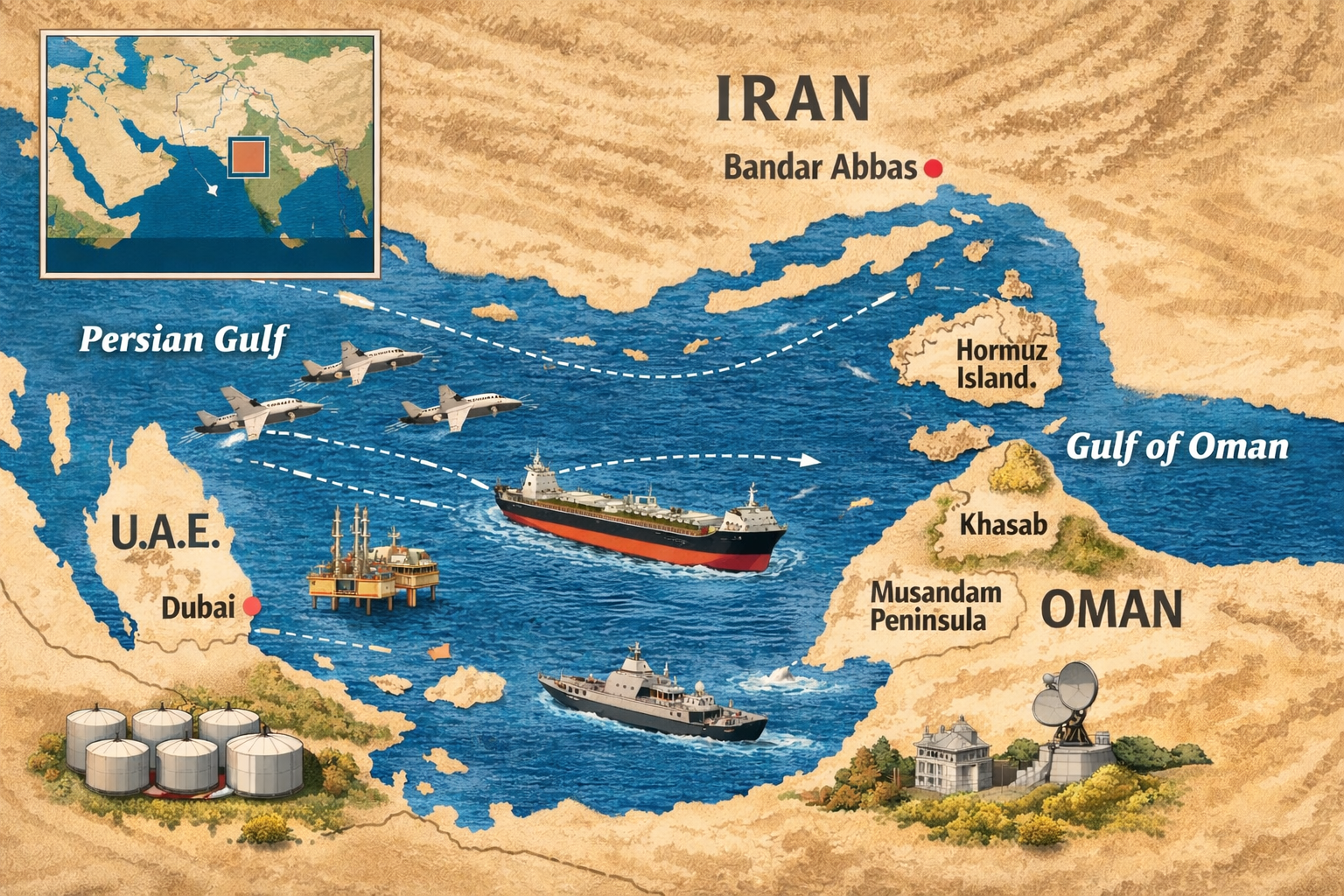
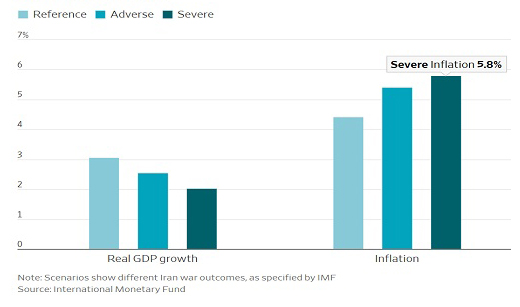
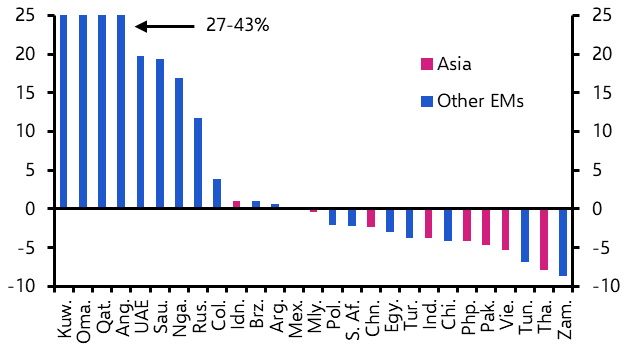
The two-month Iran conflict has created a bifurcated global economy with severe implications for cross-border e-commerce sellers. The Strait of Hormuz—through which 21% of global petroleum transits—faces potential closure, directly impacting the $1.9 trillion cross-border e-commerce market. The International Monetary Fund has downgraded emerging market growth from 4.2% to 3.9%, while Qatar's economy is projected to contract 9% this year following a $1.2 billion trade deficit in March alone.
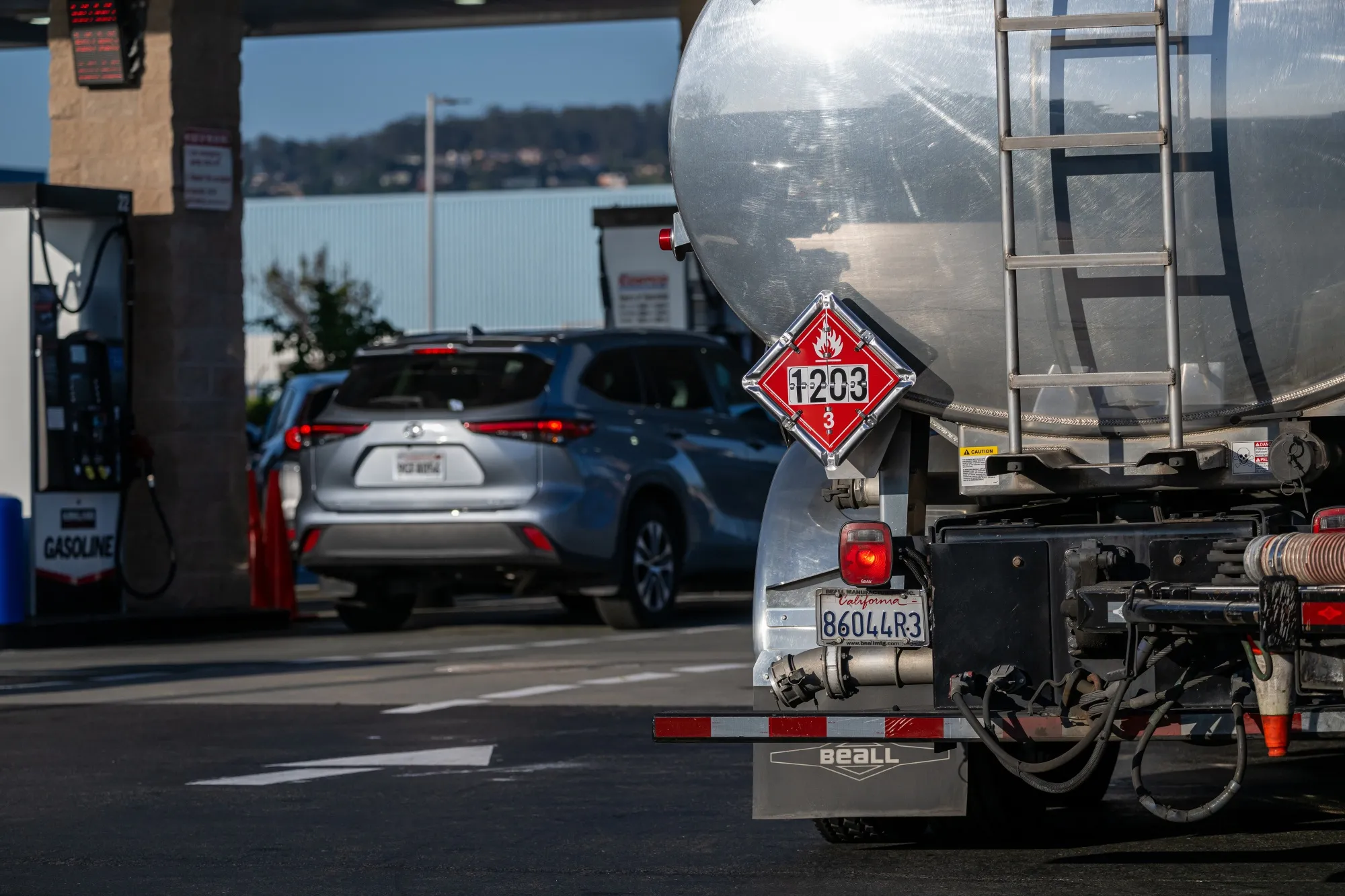
For e-commerce sellers, the operational impact is immediate and multifaceted. Shipping costs have jumped over $1 per gallon in fuel surcharges, translating to 8-12% margin compression for sellers shipping 1,000+ units monthly via FBA or 3PL networks. Jet fuel prices have doubled, forcing all 20 major global carriers to reduce flights by 20,000+ routes (Lufthansa alone canceled 20,000 summer flights), creating critical delays for time-sensitive air freight shipments. Plastic packaging prices are surging 15-25% due to naphtha shortages, directly impacting sellers in electronics, apparel, and consumer goods categories reliant on protective packaging. Helium, aluminum, and urea fertilizer shortages disrupt supplies for microchip sellers, condom manufacturers, and food/beverage categories.
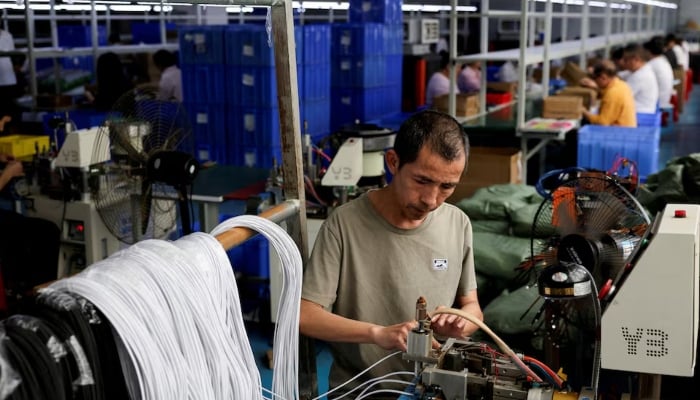
Regional market dynamics reveal stark divergence. US-based sellers benefit from domestic energy insulation—the US produces more energy than it consumes—but face rising logistics costs. Conversely, Asia-Pacific sellers are devastated: over 50% of crude imports and one-third of gas imports transit the Strait, forcing India, Vietnam, South Korea, and Thailand into energy rationing. Chinese toy factories, already pressured by US tariffs, face worker discontent from production cuts. Emerging market sellers in Egypt, Pakistan, and Sub-Saharan Africa confront currency depreciation (Egypt's 9% devaluation increases debt repayment costs on $30 billion annual obligations) and collapsing consumer demand as governments abandon subsidy programs. Brazil and Kazakhstan benefit from 9% currency appreciation due to higher commodity prices.
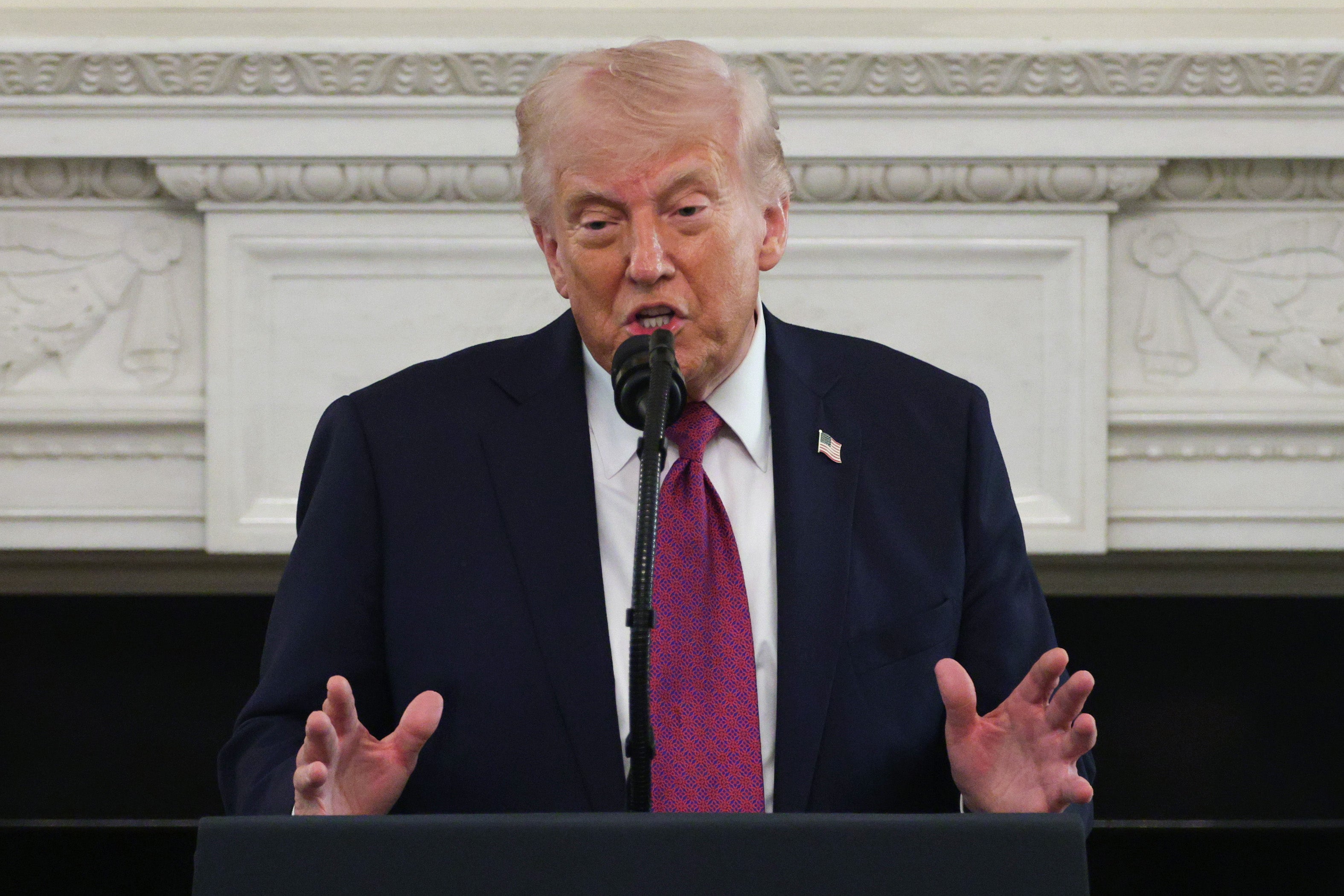
The timing window is critical. Analysts project a 2-3 month blockade would trigger global recession, with oil price spikes to $150/barrel increasing US recession risks significantly. However, the most likely scenario involves prolonged uncertainty: Iran's Islamic Revolutionary Guard Corps controls the strait with power distributed among 31 regional commanders, making rapid negotiations unlikely. Even if the war ends immediately, analysts doubt Strait traffic will normalize—the demonstrated vulnerability raises permanent shipping risk premiums for global e-commerce operations. Government intervention is expanding: the Trump administration has positioned itself as a major shareholder across 16 companies with $21 billion invested, including rare-earth mineral companies (MP Materials) and airlines (Spirit Airlines receiving $500 million bailout), signaling potential tariff protections and supply chain favoritism that could reshape competitive dynamics for connected sellers.
Questions 8
How much will Strait of Hormuz shipping disruptions increase my FBA fulfillment costs?
Shipping costs are rising $1+ per gallon in fuel surcharges, translating to 8-12% margin compression for sellers shipping 1,000+ units monthly via FBA or 3PL networks. Jet fuel prices have doubled, forcing all 20 major global carriers to reduce flights, creating 2-3 week delays for air freight shipments. For a typical seller shipping 2,000 units monthly via FBA, expect additional costs of $400-800/month in fuel surcharges alone. Expedited shipping premiums are increasing 15-25% due to reduced air freight capacity. Monitor your 3PL provider's rate cards weekly, as fuel surcharges are being recalculated every 7-10 days based on crude oil prices.
What tariff and government intervention opportunities exist for US-based sellers?
The Trump administration is expanding government control over American businesses, positioning itself as a major shareholder across 16 companies with $21 billion invested, including rare-earth mineral companies (MP Materials) and airlines (Spirit Airlines receiving $500 million bailout). This signals potential tariff protections and supply chain favoritism. Sugar import restrictions and producer payments exemplify this trend. US-based sellers in rare-earth minerals, semiconductors, and critical supply categories should monitor government procurement opportunities and tariff changes. However, this also creates 'crony capitalism' risks—connected sellers may gain advantages through government contracts while competitors face tariff barriers. Diversify your supply chain to avoid over-reliance on government-protected categories, as policy shifts can reverse quickly.