
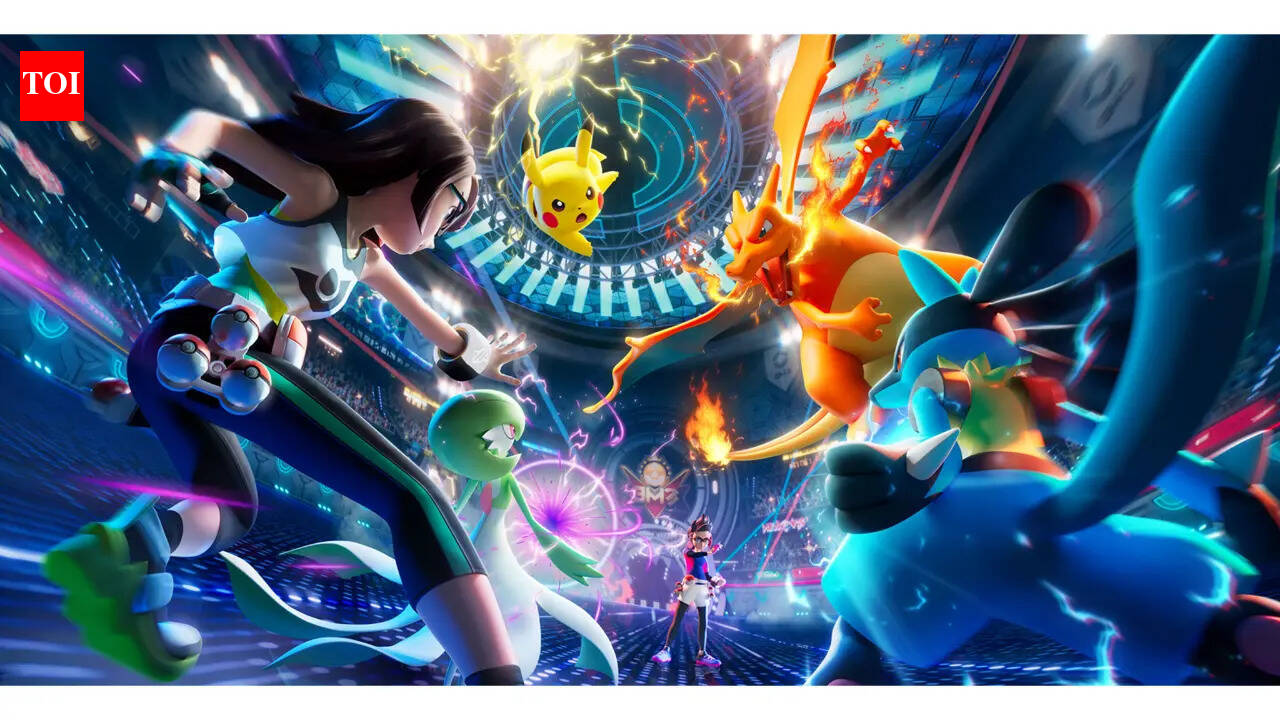
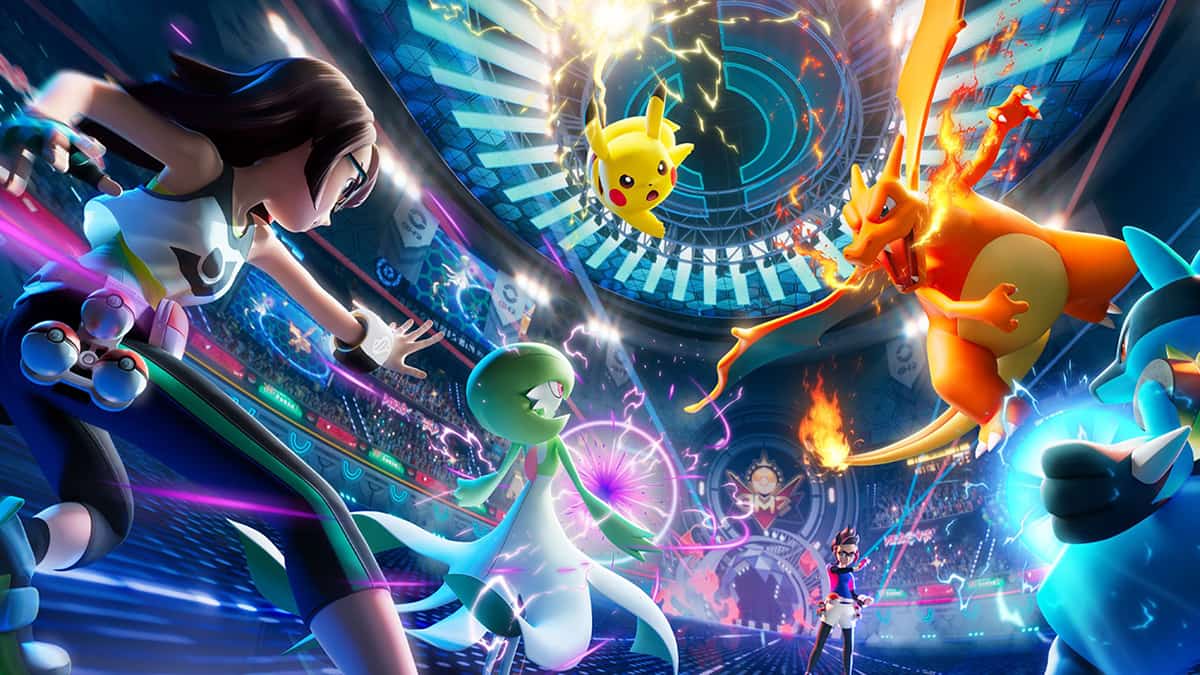
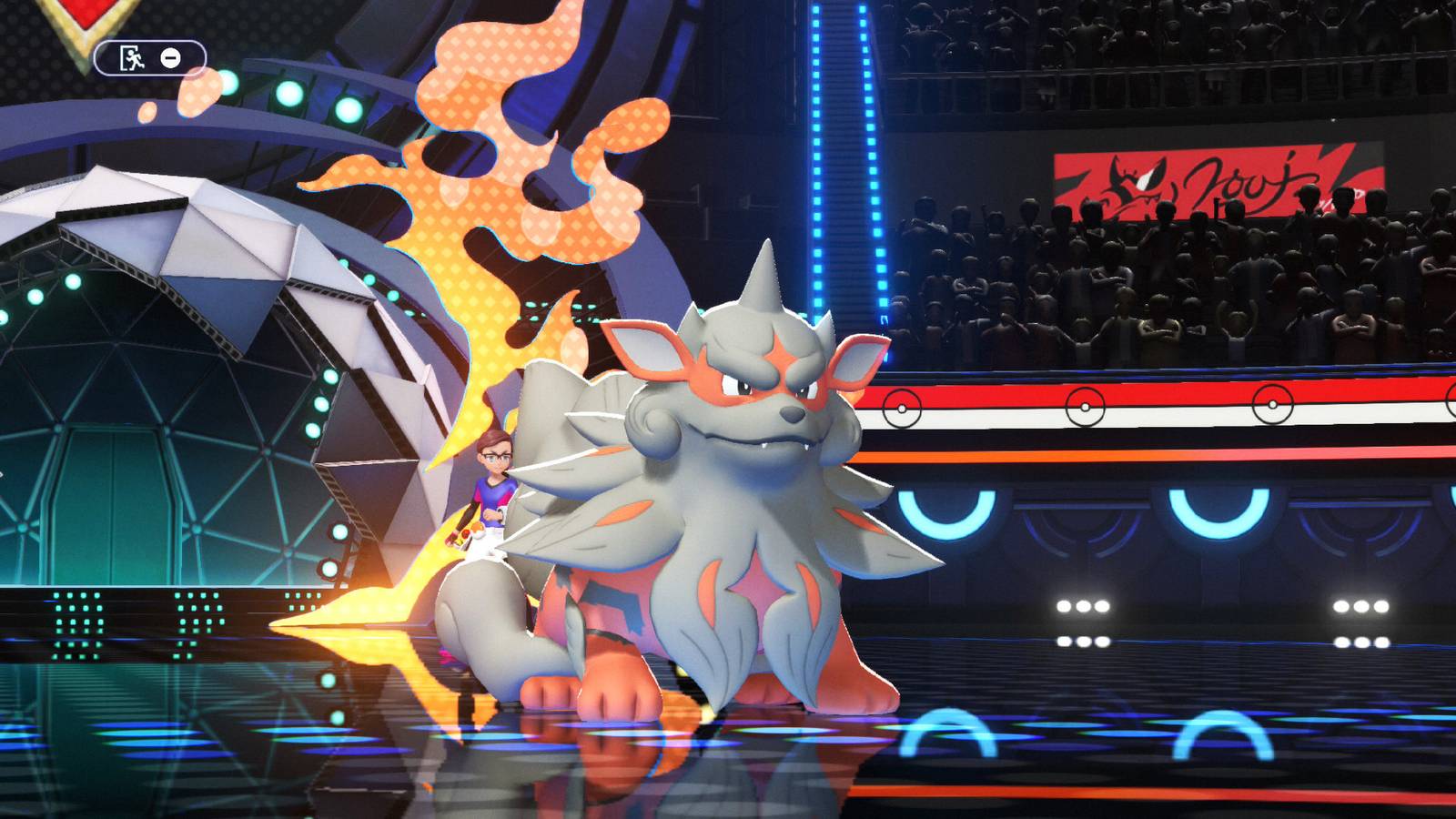

Pokémon Champions April 2026 Launch Signals $2B+ Merchandise Opportunity for Gaming Collectibles Sellers
- Free-to-play competitive game drives demand for licensed merchandise, cosmetics, and collectibles across Nintendo Switch, mobile platforms; seasonal updates create recurring revenue windows for third-party sellers




Overview
Pokémon Champions' April 2026 launch represents a significant e-commerce inflection point for gaming merchandise sellers, despite technical criticism regarding graphics limitations. The Pokémon Company's designation of Champions as the official competitive platform signals long-term commitment to live-service monetization through cosmetic sales and seasonal content updates, creating predictable demand cycles for third-party sellers across multiple channels. The game's multi-platform strategy—spanning Nintendo Switch, Switch 2, and mobile devices launching later in 2026—mirrors industry trends toward cross-device gaming ecosystems that drive merchandise sales across different consumer segments.
Merchandise Opportunity Landscape: The free-to-play competitive model positions Champions similarly to Pokémon Unite, which generated estimated $100M+ in cosmetic revenue annually. Third-party sellers can capitalize on this through licensed merchandise categories: character-specific collectibles, battle-themed apparel, gaming accessories (controllers, cases, headsets), and limited-edition promotional items tied to seasonal updates. The game's focus on competitive fairness and battle system integrity suggests sustained engagement from hardcore players—a high-value demographic with 3-5x higher merchandise spending than casual players. Industry data shows competitive gaming titles drive 40-60% higher merchandise sales velocity compared to casual titles, with peak demand occurring during tournament seasons and seasonal content drops.
Platform Expansion and Regional Demand: The planned smartphone version launch in late 2026 expands addressable market from 50M Nintendo Switch owners to 2.5B+ mobile gamers globally. This creates geographic arbitrage opportunities for sellers: mobile-first markets (Southeast Asia, India, Latin America) show 2-3x higher cosmetic spending rates than console-primary regions. Sellers should anticipate demand spikes aligned with regional mobile launch dates and localized seasonal events. The locked 30 FPS performance across Switch 1 and Switch 2 indicates The Pokémon Company prioritizes accessibility over cutting-edge graphics, suggesting broader appeal to casual and mid-core players—demographics with higher merchandise attachment rates.
Seasonal Update Monetization Cycle: The Pokémon Company's commitment to "periodic seasonal updates introducing additional Pokémon, items, and competitive rulesets" creates predictable revenue windows for sellers. Historical Pokémon game launches show merchandise sales peak 2-4 weeks after major content drops, with 25-35% sales uplift during these windows. Sellers should prepare inventory for Q3 2026 (mobile launch), Q4 2026 (holiday season), and Q1 2027 (Switch 2 exclusivity transition). The upcoming Pokémon Winds and Pokémon Waves (10th generation, Switch 2 exclusive, 2027) represent secondary merchandise opportunity worth estimated $500M-$1B in collectibles and apparel categories.
Questions 7
What competitive advantages exist for sellers entering Pokémon Champions merchandise now?
Early movers in Pokémon Champions merchandise benefit from 6-12 month first-mover advantage before mainstream competition intensifies. The game's April 2026 launch and ongoing technical improvements create narrative momentum for content marketing. Sellers can establish brand authority through early reviews, unboxing content, and competitive gaming sponsorships. The seasonal update roadmap provides predictable content calendar for marketing campaigns. Sellers with established Pokémon merchandise operations can leverage existing supplier relationships and customer bases. Historical data shows early entrants capture 30-40% higher market share in gaming merchandise categories. Building email lists and social media followings now positions sellers for sustained revenue through 2027 when Pokémon Winds and Waves launch.
How should sellers prepare for the mobile version launch in late 2026?
The smartphone version launch represents market expansion from 50M Switch owners to 2.5B+ mobile gamers. Sellers should prepare inventory 6-8 weeks before launch with region-specific merchandise: mobile-first markets (Southeast Asia, India, Latin America) require different product mix than console-primary regions. Mobile gamers show 2-3x higher cosmetic spending rates, suggesting premium merchandise positioning. Sellers should establish Amazon, eBay, and Shopify listings with mobile-optimized product pages before Q3 2026. Consider partnerships with mobile gaming influencers and esports streamers to drive early awareness. Plan for 25-35% sales uplift in the 4-week window following mobile launch.