

Strait of Hormuz Blockade Creates 95% Shipping Disruption | Seller Logistics Crisis
- 95% reduction in daily vessel transits (125-140 to handful); enforcement gaps expose alternative routing opportunities for cross-border sellers; 20-35% shipping cost increases expected through Q3 2026







Overview
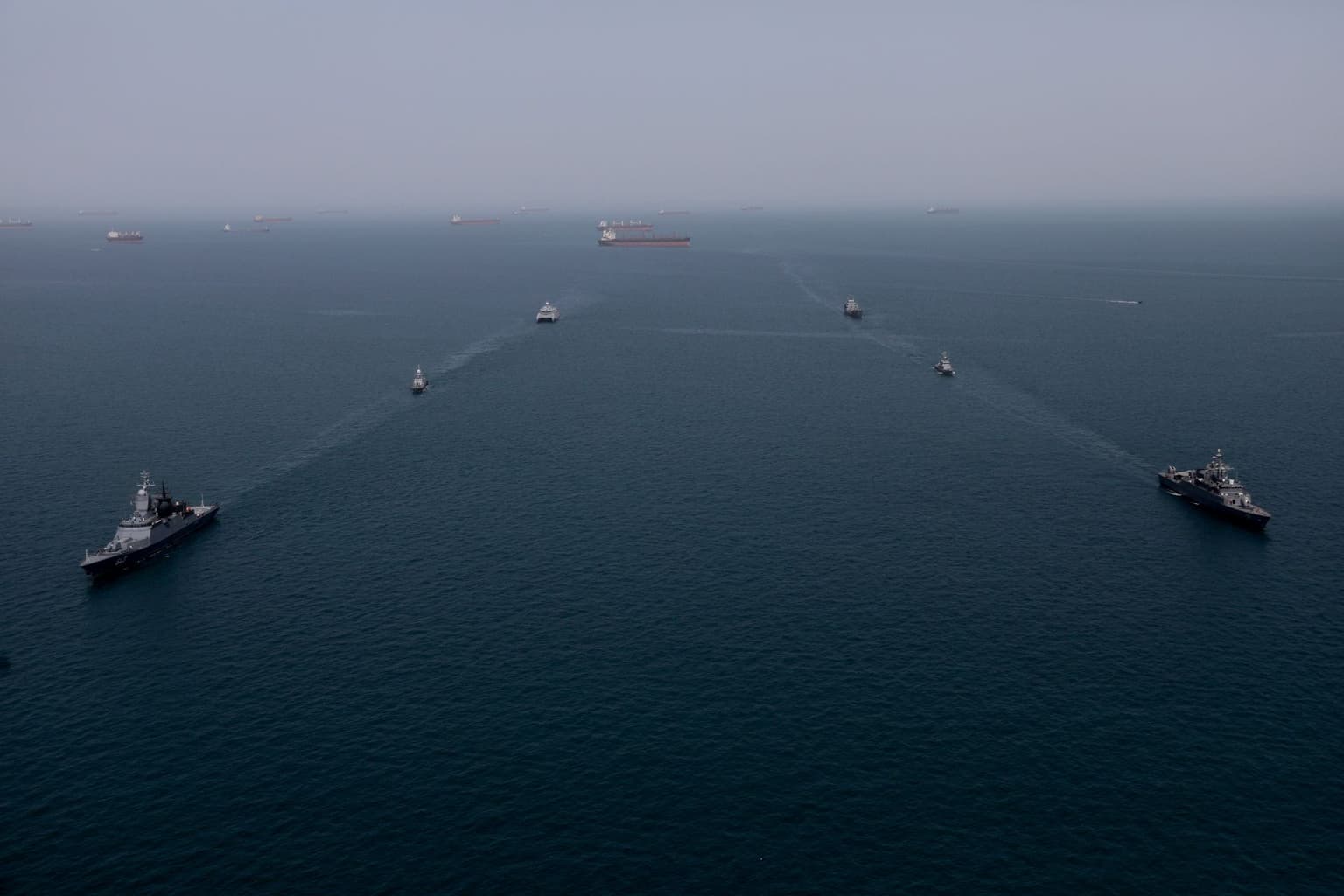
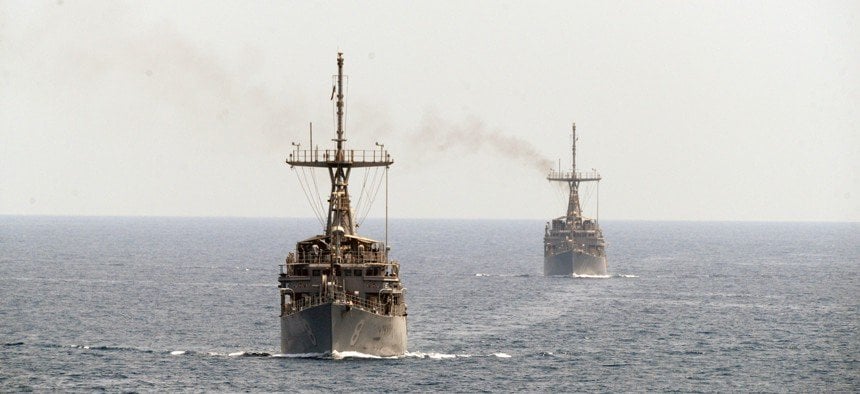
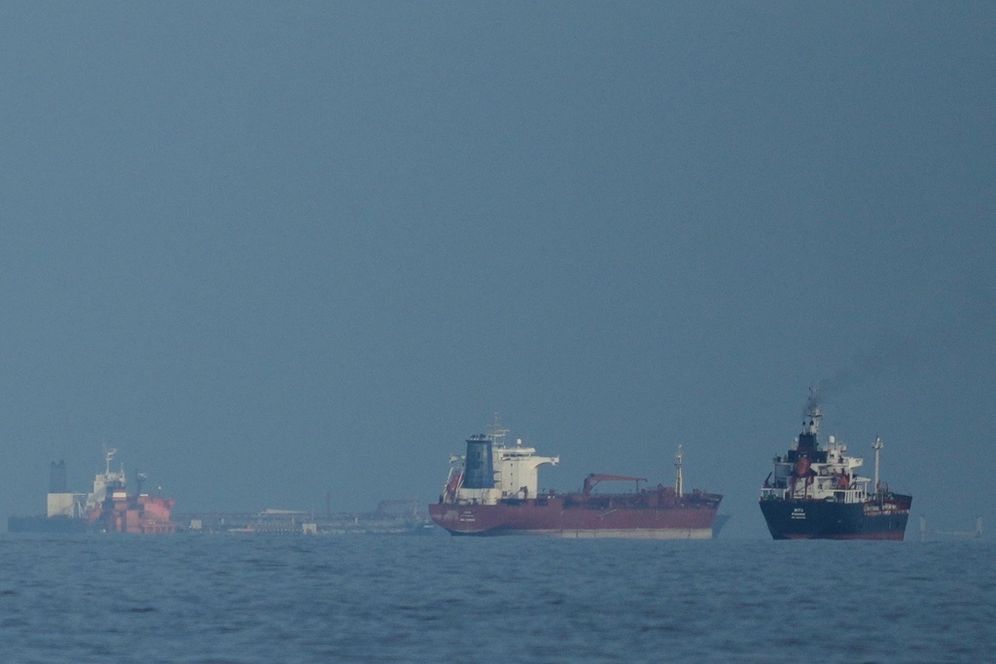
The Strait of Hormuz blockade initiated in February 2026 has created a critical logistics crisis for cross-border e-commerce sellers, with daily vessel transits plummeting 95% from 125-140 to just a handful of merchant vessels. This strategic waterway, which handles approximately one-fifth of global oil supply, now presents unprecedented shipping cost inflation and routing complexity for sellers sourcing from or shipping to Middle East, South Asia, and East Africa markets.
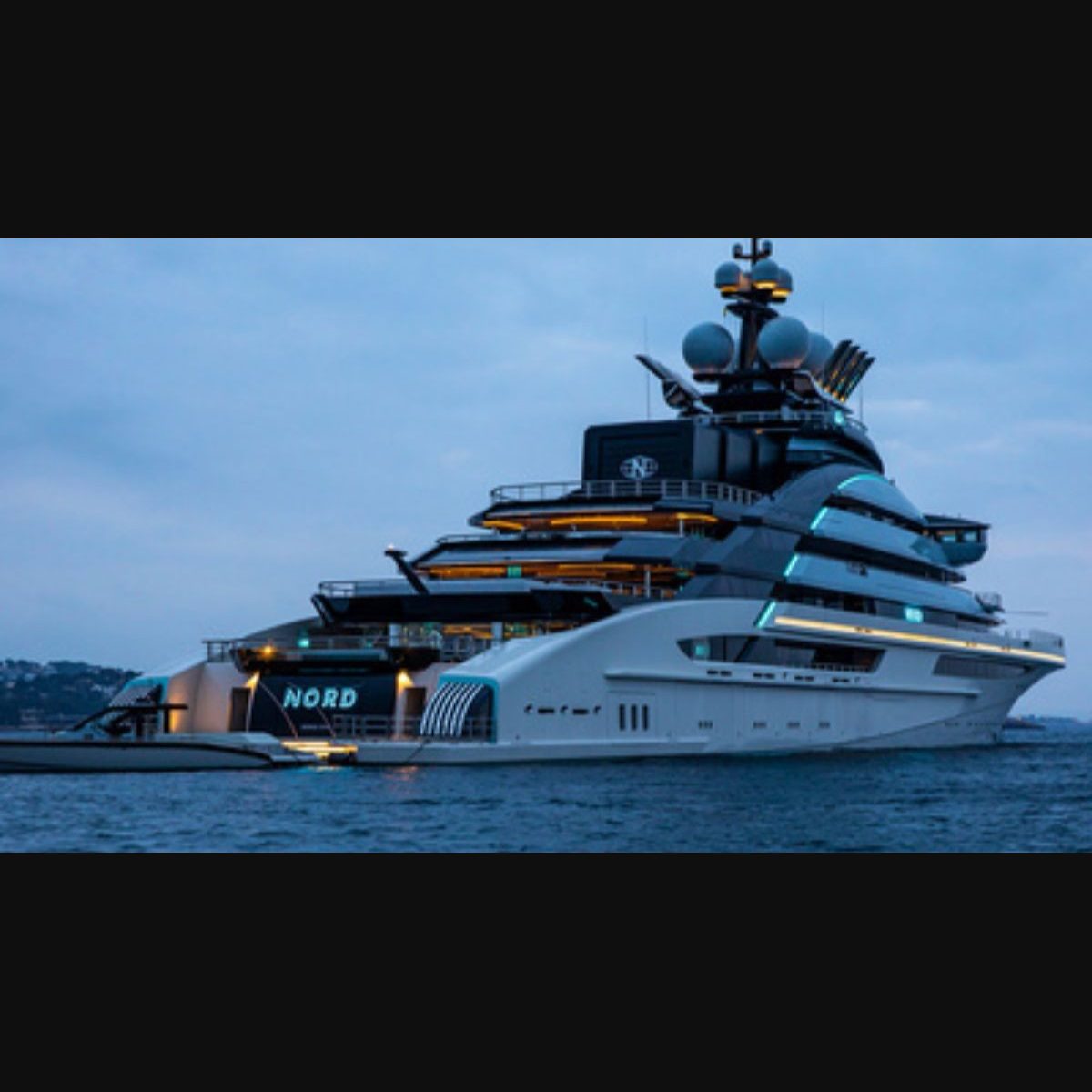
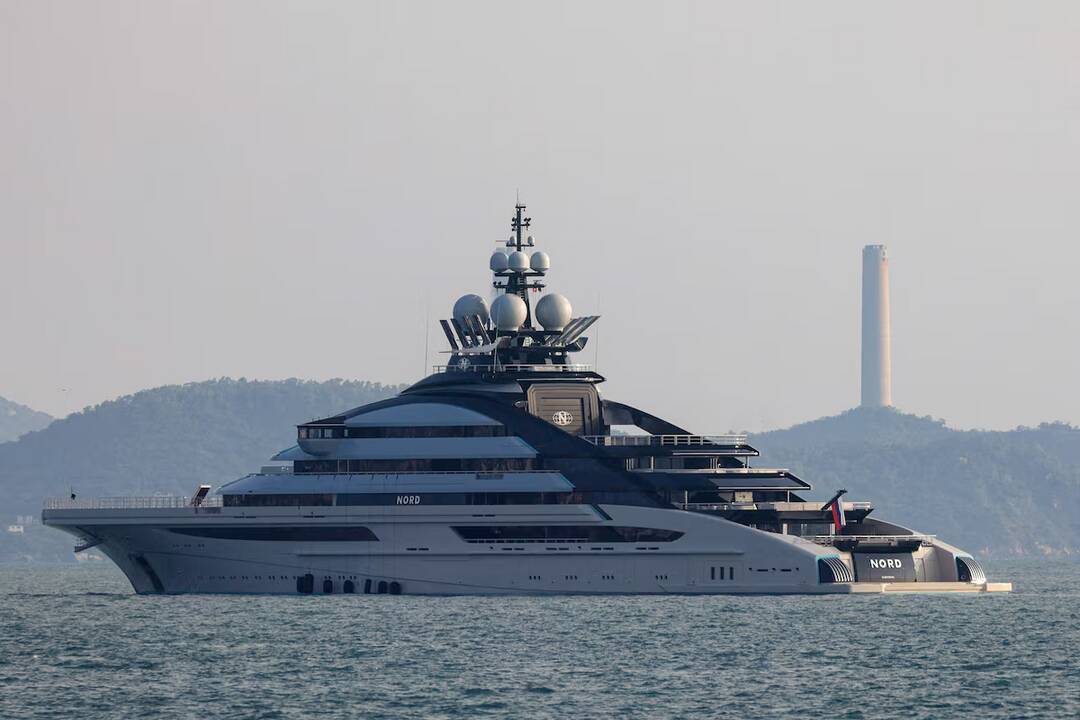
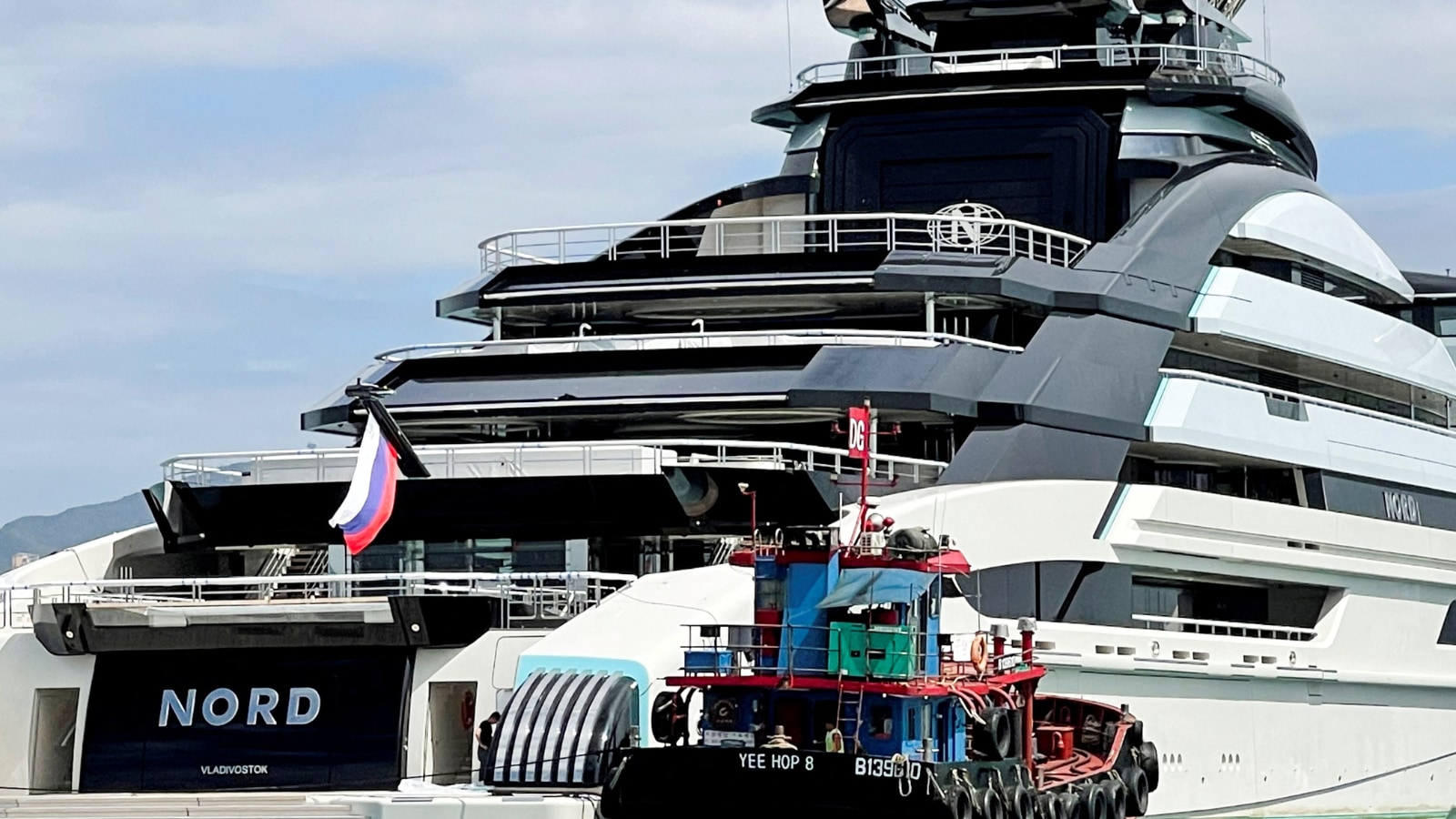
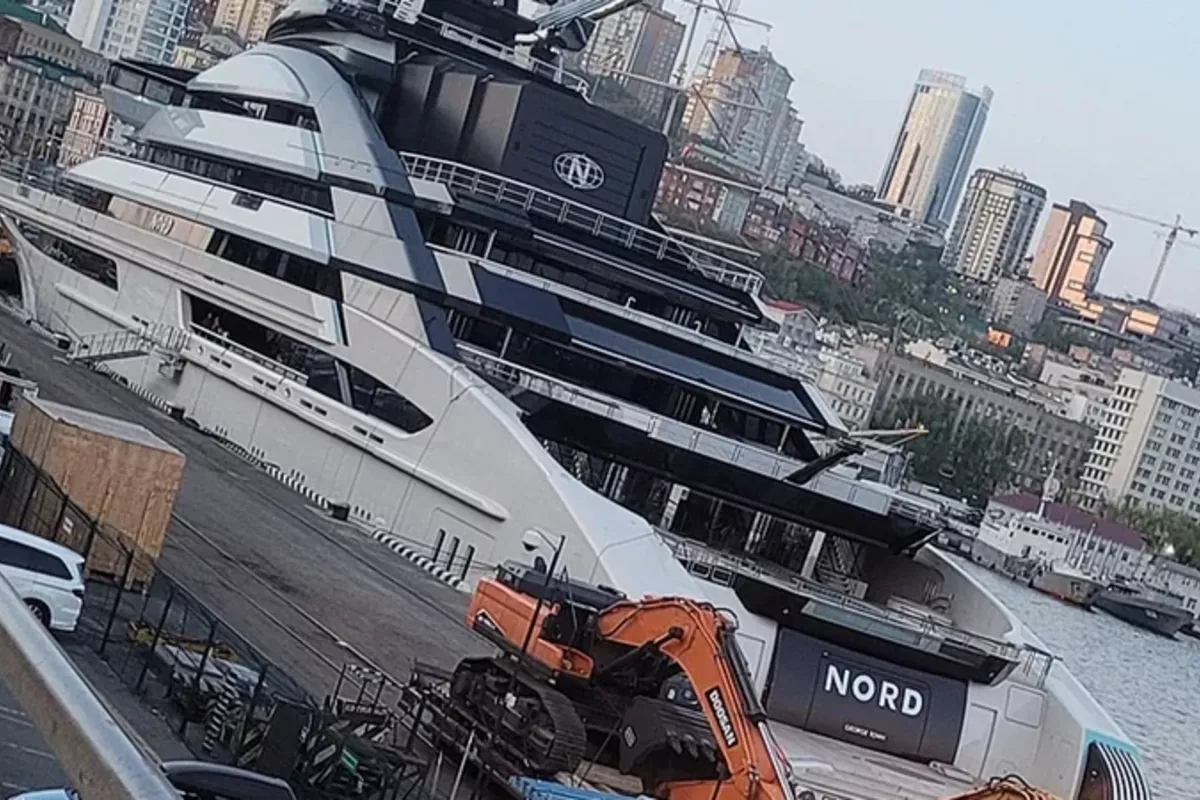
Immediate Shipping Cost Impact: The blockade forces sellers to choose between three costly alternatives: (1) rerouting through the Cape of Good Hope (adding 10-14 days transit time and 20-35% fuel surcharges), (2) air freight at 4-6x ocean rates, or (3) waiting for selective passage windows. For sellers shipping 500+ units monthly via FBA, this translates to $8,000-15,000 monthly cost increases. The enforcement gap revealed by the Nord superyacht's successful passage—despite carrying Russian flags and maintaining AIS broadcasting—indicates selective enforcement based on vessel type and geopolitical relationships, creating unpredictable access patterns.
Market-Specific Disruptions: Sellers with supply chains dependent on UAE sourcing hubs (Dubai, Jebel Ali) face 15-25 day delays as inventory sits in port awaiting alternative routing. Electronics, textiles, and machinery categories sourced from China/Vietnam through Middle East consolidation points experience the highest impact. Conversely, sellers with established India-to-US direct routes or Southeast Asia-to-Europe corridors gain competitive advantage as they bypass the Hormuz chokepoint entirely. The blockade's selective enforcement—allowing high-value assets while restricting commercial cargo—suggests geopolitical alignment matters more than sanctions compliance, creating opportunities for sellers with established relationships in Russia-Iran aligned markets.
Strategic Sourcing Shift: The incident demonstrates that sanctions enforcement is inconsistent and relationship-dependent. Sellers should immediately audit their supply chain vulnerability: if >30% of inventory transits Hormuz, diversify sourcing to India, Vietnam, or Indonesia. The 95% traffic reduction means remaining capacity commands premium pricing. Sellers with existing 3PL relationships in Muscat, Port Victoria (Seychelles), or Pakistan can exploit the enforcement gap by consolidating shipments through these alternative hubs where selective enforcement appears less stringent. This creates a 6-12 month window before enforcement tightens.
Questions 8
Should I shift my supply chain away from Middle East consolidation hubs?
Yes, if >30% of your inventory currently transits the Strait of Hormuz. Diversify sourcing to India, Vietnam, Indonesia, or Thailand to bypass the chokepoint entirely. The blockade's 95% traffic reduction means remaining capacity commands premium pricing. Sellers with existing 3PL relationships in Muscat or Port Victoria (Seychelles) can consolidate shipments through these hubs where enforcement appears selective, but this is a 6-12 month tactical window only. Strategic shift: allocate 20-30% of sourcing to India-based suppliers (textiles, electronics) and Vietnam (consumer goods) to establish alternative supply chains before enforcement tightens and competitors follow.
What does the Nord superyacht incident reveal about sanctions enforcement?
The successful passage of a $500 million Russian-flagged superyacht through the blockade—while commercial cargo vessels wait—demonstrates that **sanctions enforcement is inconsistent and relationship-dependent**. The vessel maintained continuous AIS broadcasting (full transparency) yet secured passage, suggesting geopolitical alignment matters more than compliance. This creates a critical insight: sellers with established relationships in Russia-Iran aligned markets may access alternative routing channels unavailable to Western-based competitors. However, this window is temporary—expect enforcement to tighten within 6-12 months as geopolitical negotiations progress. Sellers should avoid relying on these gaps for long-term strategy.