
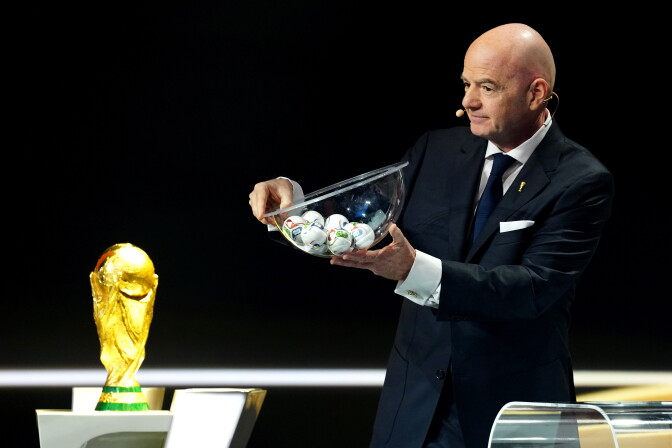



FIFA's Pricing Playbook: Transforming the World Cup from Global Sport to Luxury Experience
- Unprecedented ticket pricing strategy signals fundamental shift in international football's economic model




















Overview
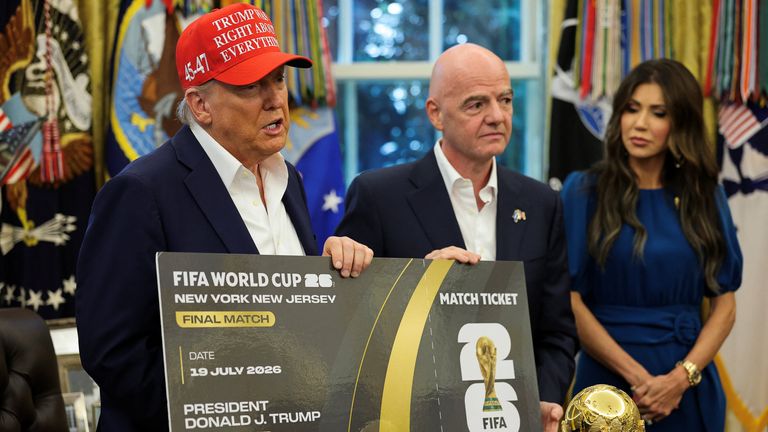
The 2026 World Cup represents a watershed moment in international sports economics, where FIFA's pricing strategy fundamentally redefines the tournament's accessibility and cultural significance. By implementing ticket prices approximately six times higher than the previous Qatar tournament, FIFA is deliberately engineering a transformation from a global sporting event to an exclusive high-income entertainment experience.
Organizational manipulation lies at the heart of this strategic shift. FIFA's unique voting mechanism, which grants equal power to smaller nations like Bosnia-Herzegovina and larger football markets like Brazil, enables leadership to implement radical pricing policies with minimal internal resistance. This approach allows FIFA to maintain its power structure while prioritizing revenue generation over the democratic spirit of international football.
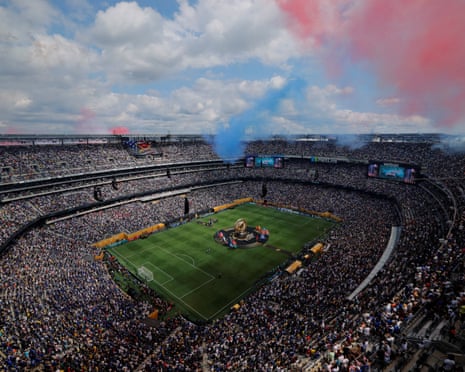
The United States emerges as the ideal testing ground for this new economic model. With sports fans already accustomed to high ticket prices, the market provides perfect conditions for FIFA's exclusionary pricing strategy. Group stage matches might still attract traditional fan bases, but knockout stages are becoming increasingly inaccessible—effectively creating a two-tiered spectator experience based on economic status.
The broader implications extend far beyond ticket pricing. FIFA is signaling a fundamental reimagining of international sporting events, where fan engagement is secondary to financial optimization. By transforming the World Cup from a global cultural phenomenon to a luxury entertainment product, the organization risks alienating its traditional fan base while courting high-net-worth consumers.
This strategic pivot represents more than a pricing adjustment—it's a systemic recalibration of how international sporting events are conceptualized, monetized, and consumed. The 'monumental betrayal' narrative emerging from fan communities suggests growing tension between organizational leadership and the grassroots football culture that historically sustained these tournaments.
Questions 3
What makes the United States an ideal market for this pricing strategy?
The U.S. sports market is uniquely positioned with fans already accustomed to high ticket prices across multiple sports. This cultural acceptance of premium pricing, combined with a large high-net-worth population, makes the United States the perfect testing ground for FIFA's new exclusionary pricing model.
Why is FIFA implementing such dramatically higher ticket prices for the 2026 World Cup?
FIFA appears to be strategically repositioning the World Cup from a mass-market sporting event to a luxury entertainment experience. By dramatically increasing prices, they're targeting high-income consumers while effectively excluding traditional middle-class football fans. This approach maximizes revenue and transforms the tournament's fundamental economic model.