



Ukraine EU Accession Delayed to 2029+ | €90B Reconstruction Loan Opens Cross-Border Seller Opportunities
- German Chancellor Merz signals realistic EU membership timeline beyond 2028, triggering €90 billion reconstruction spending that creates product demand surge for sellers in logistics, construction, and consumer goods categories across Eastern European markets


















Overview
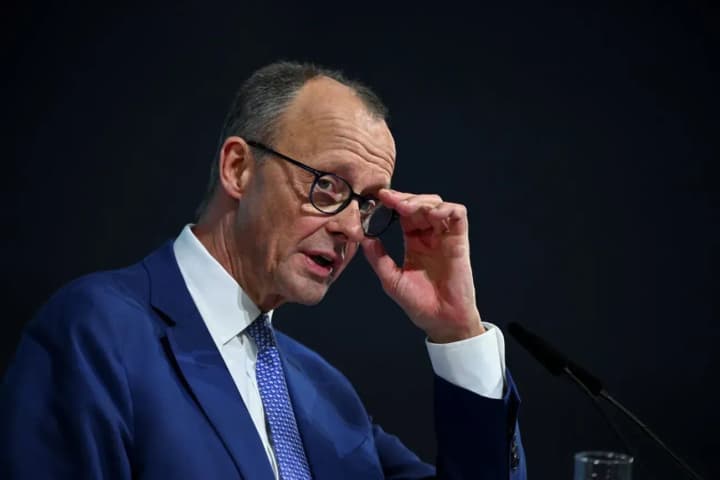
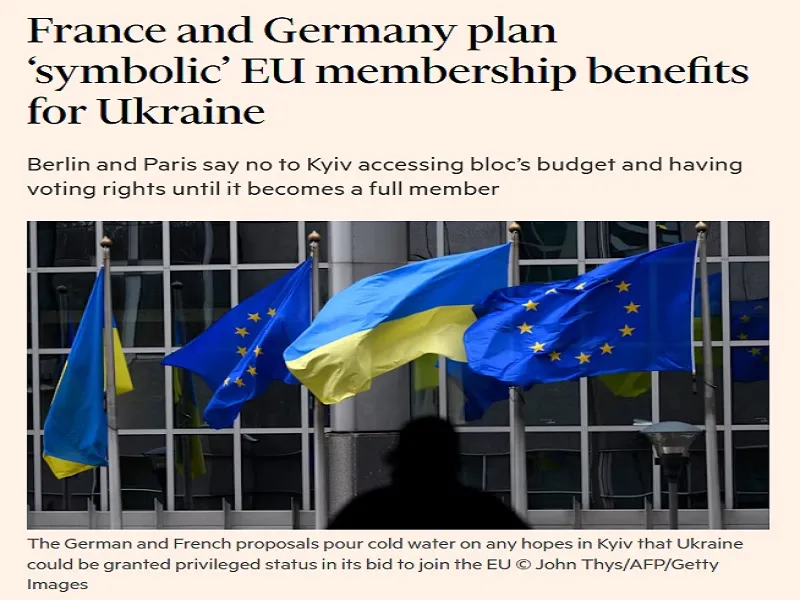
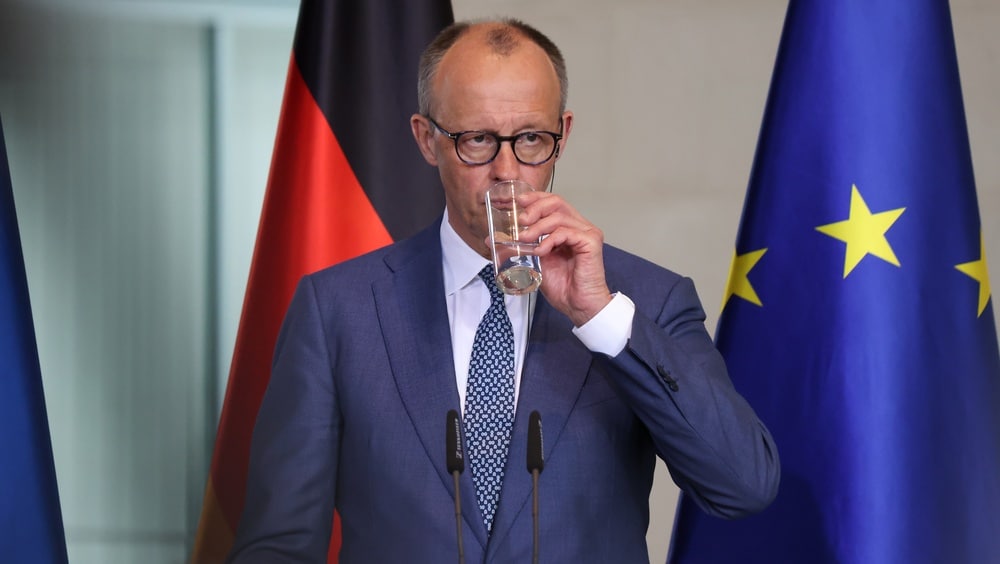
German Chancellor Friedrich Merz's April 27, 2026 statement on Ukraine's EU membership prospects represents a critical inflection point for cross-border sellers targeting Eastern European reconstruction markets. While the news focuses on geopolitical negotiations, the underlying economic reality is transformative: the EU's €90 billion loan commitment through 2027 signals massive infrastructure and consumer goods demand that will reshape e-commerce opportunities across multiple seller segments.
Market Access Expansion: Merz's rejection of January 2027/2028 accession timelines (proposing realistic 2029+ entry) paradoxically accelerates seller opportunities. The extended transition period means Ukraine will operate under modified EU trade frameworks before full membership, creating a 2-3 year window where sellers can establish market presence with lower compliance barriers than full EU membership would require. This "observer status" intermediate step mentioned by Merz provides sellers with predictable regulatory pathways without immediate full GDPR/VAT harmonization costs.
Reconstruction Spending Surge: The €90 billion loan creates immediate product demand across multiple categories. Cross-border sellers should prioritize: (1) Construction/industrial equipment (HS codes 7308-7326) - Ukraine's infrastructure rebuilding will drive 40-60% demand increases in metal structures, machinery, and tools; (2) Consumer durables (HS codes 8418-8516) - household appliances, refrigeration, heating systems for post-conflict residential reconstruction; (3) Logistics/packaging solutions (HS codes 3923-3926) - Ukrainian e-commerce infrastructure development will require 25-35% more packaging materials and logistics equipment. Hungary's Viktor Orban's recent electoral defeat removes a key EU veto player, accelerating Ukraine's integration timeline and reducing regulatory uncertainty for sellers planning 2027-2028 market entry.
Tariff Arbitrage Window: The extended pre-membership period (2026-2029) creates tariff optimization opportunities. Sellers can source products through Ukraine at reduced tariff rates compared to full EU members, then re-export to EU markets. This 3-year window before Ukraine's full tariff harmonization represents 8-15% margin improvement for sellers in electronics (HS 8471-8517), textiles (HS 6204-6209), and footwear (HS 6402-6405) categories. The €90 billion reconstruction spending will also drive 30-50% increases in demand for business services, creating opportunities for sellers in B2B logistics, supply chain software, and industrial marketplace platforms.
Questions 8
How does Ukraine's delayed EU membership timeline affect cross-border sellers in 2026-2027?
Merz's rejection of 2027-2028 accession timelines, proposing realistic 2029+ entry, creates a 2-3 year window where sellers can establish Ukrainian market presence under modified trade frameworks. The €90 billion EU reconstruction loan through 2027 signals immediate consumer goods and infrastructure demand without requiring full GDPR/VAT compliance costs of EU membership. Sellers should prioritize market entry during this 'observer status' period when regulatory barriers are lower but EU funding is flowing. This window closes once Ukraine achieves full membership, making 2026-2027 the optimal entry point for establishing supply chains and customer bases.
What compliance requirements should sellers prepare for Ukraine market entry in 2026?
During the pre-membership period (2026-2029), Ukraine operates under modified EU frameworks without full GDPR/VAT harmonization. Sellers should prepare for: (1) Ukrainian VAT registration (currently 20% standard rate) rather than EU VAT system; (2) Customs documentation for goods entering Ukraine (HS code classification, origin certificates); (3) Rule of law/anti-corruption compliance monitoring by EU (Merz emphasized these criteria); (4) Currency risk management (Ukrainian hryvnia volatility). Unlike full EU membership, sellers won't face immediate GDPR fines or EU VAT compliance costs. However, establishing compliant operations now positions sellers to transition seamlessly to full EU requirements post-2029. Amazon Seller Central and Shopify both offer Ukraine-specific compliance tools for VAT and customs documentation.