
West Africa Supply Chain Risk | Chad Conflict Disrupts Sahel Trade Routes
- 42+ deaths in resource conflicts signal 15-25% logistics delays for sellers shipping to North Africa; 1.5M+ refugees strain regional supply chains and consumer purchasing power








Overview
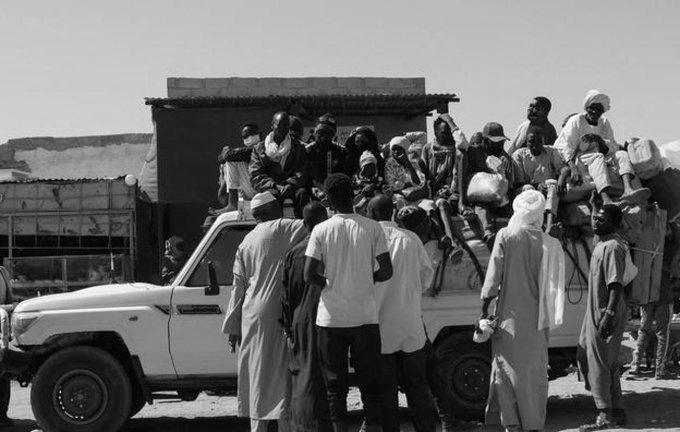
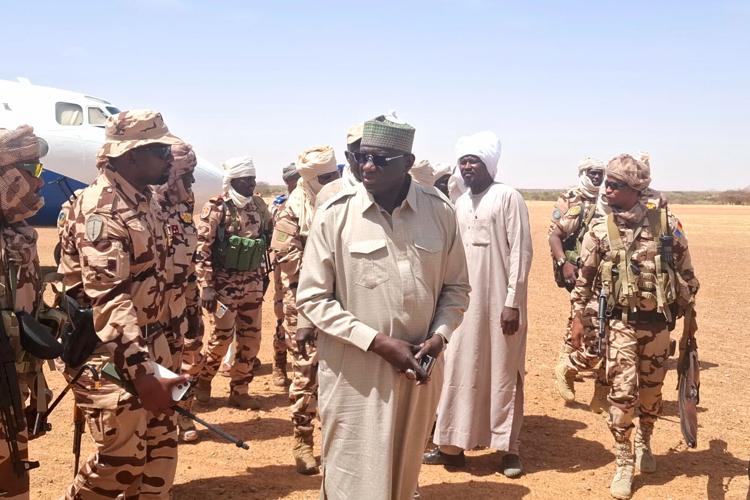
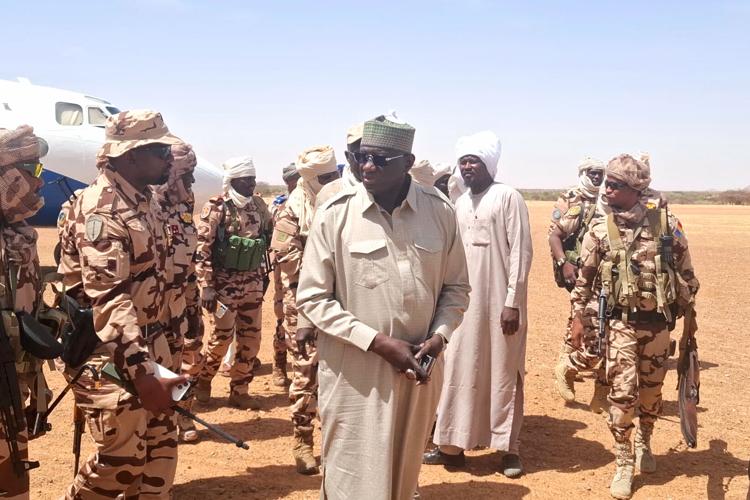
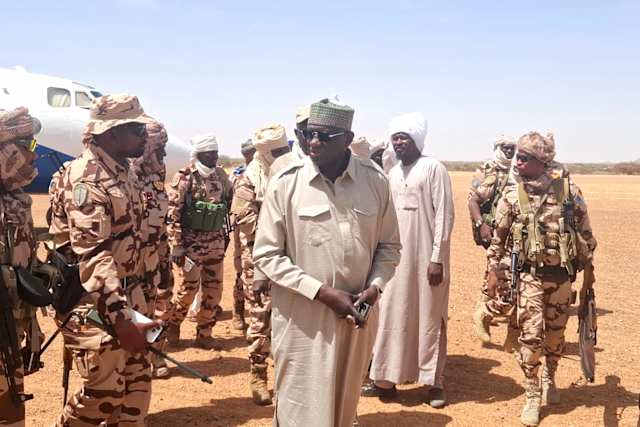
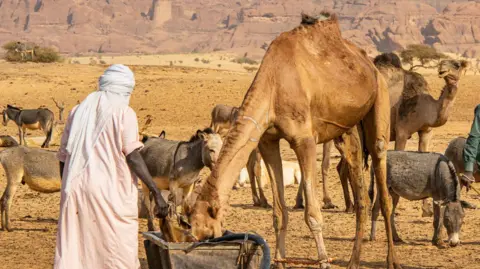
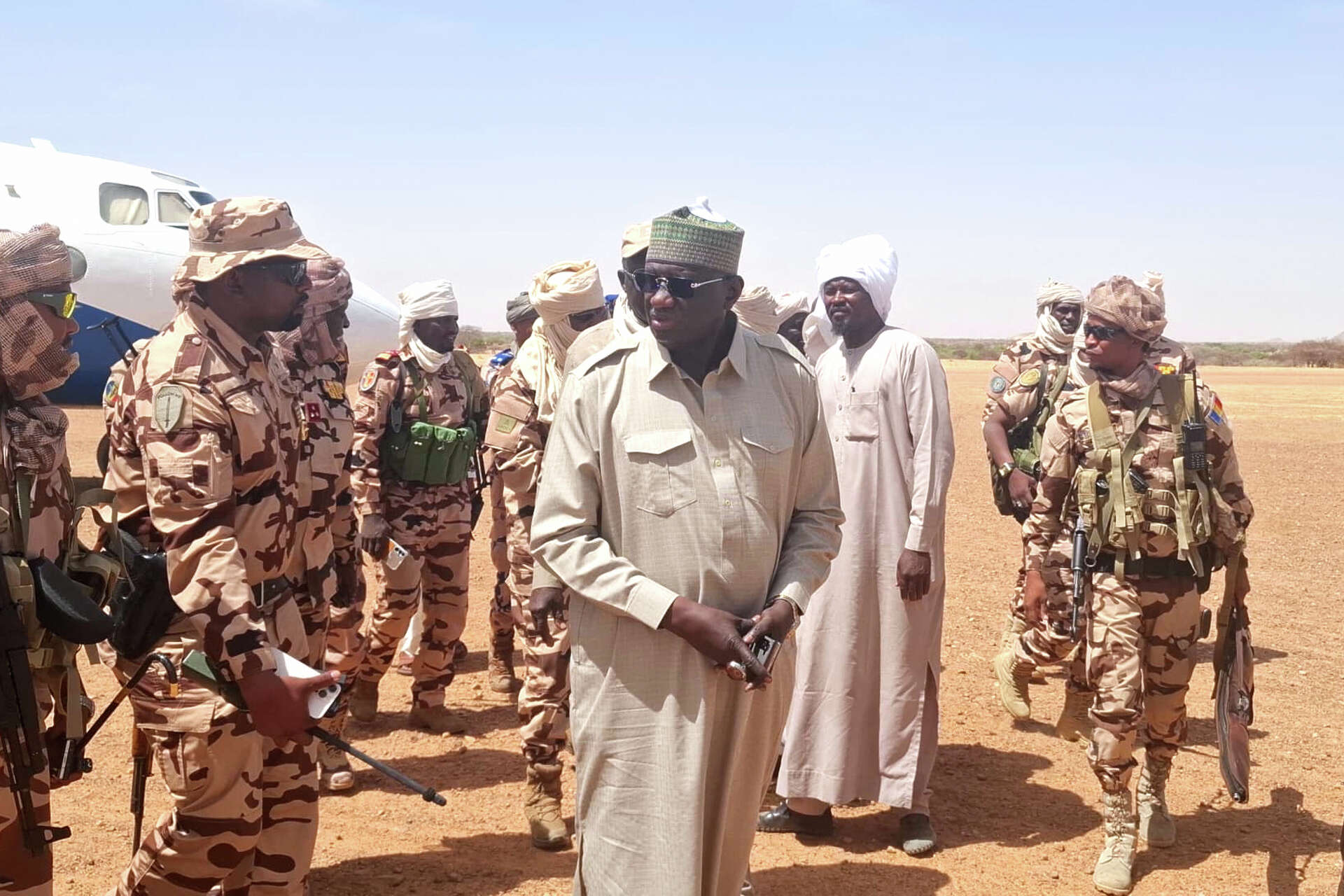
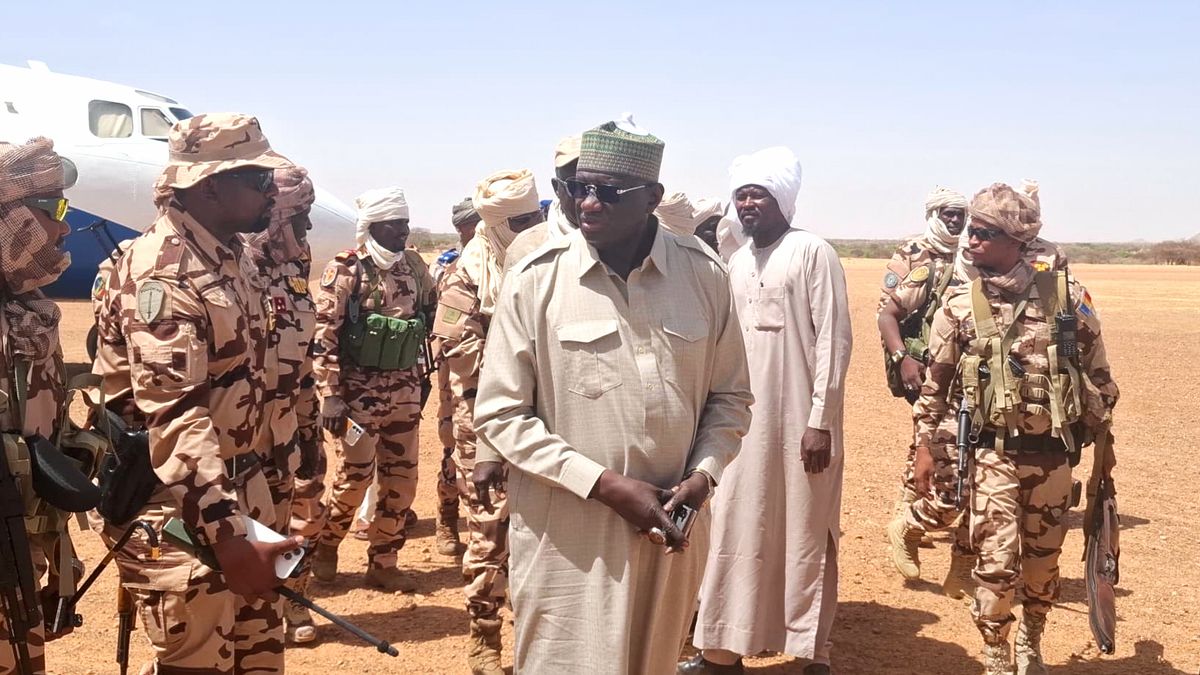
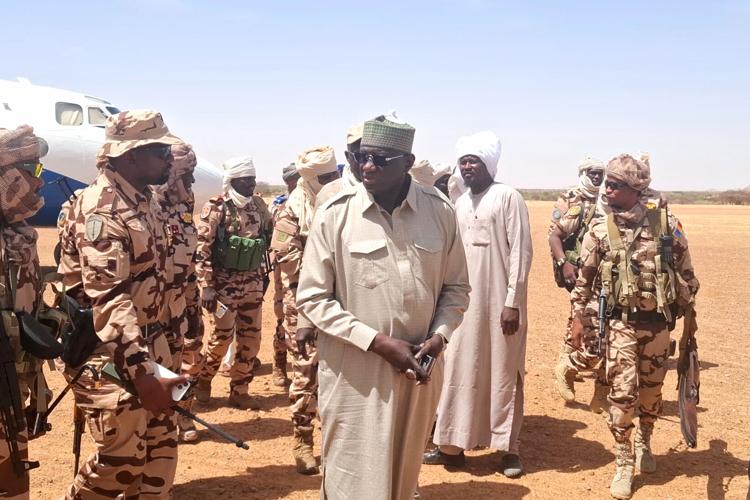
Chad's escalating resource conflicts represent a critical supply chain vulnerability for cross-border sellers operating in West Africa and the Sahel region. The latest violence—42 deaths in Wadi Fira province following a water well dispute—reflects systemic instability affecting logistics corridors, supplier reliability, and market access across North Africa. Between 2021-2024, approximately 1,000 people were killed in 100+ farmer-herder clashes, establishing a pattern of recurring violence that directly impacts inventory movement, customs clearance timelines, and regional distribution networks.
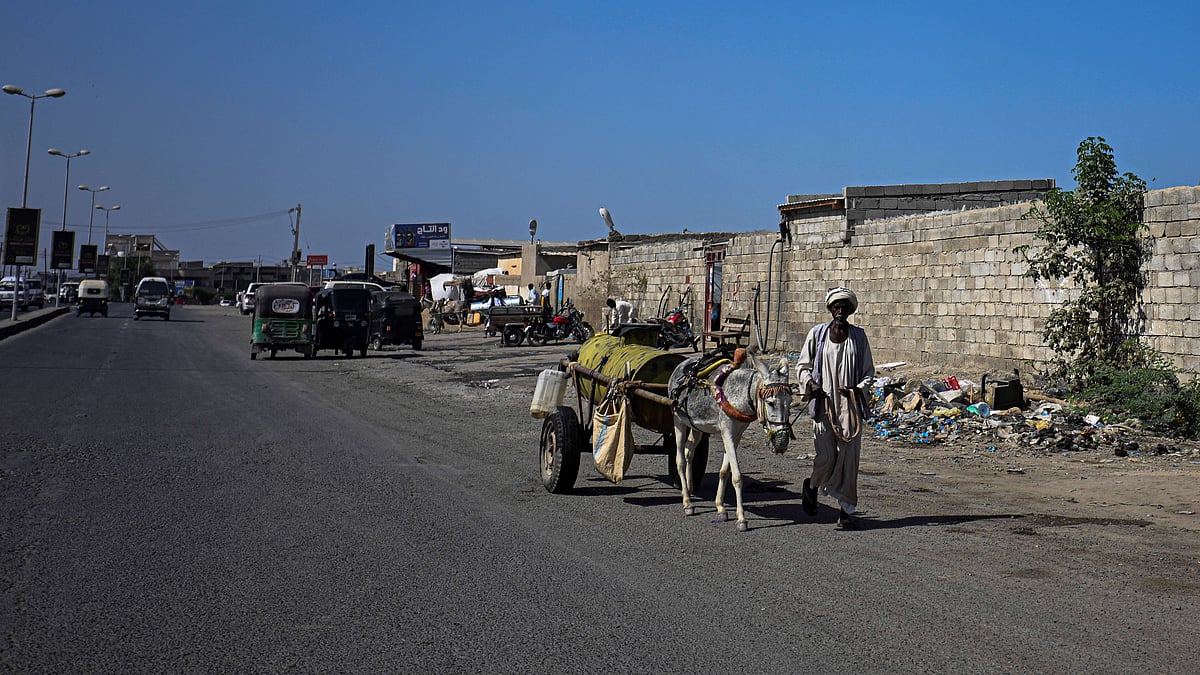
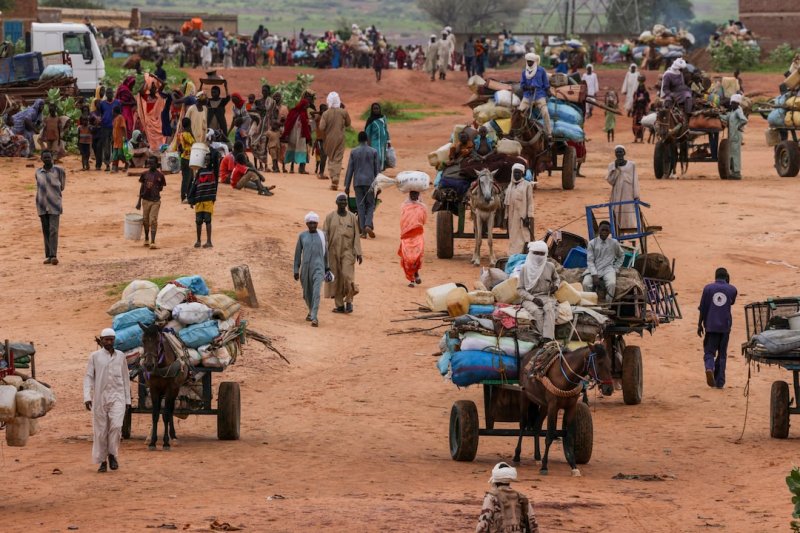
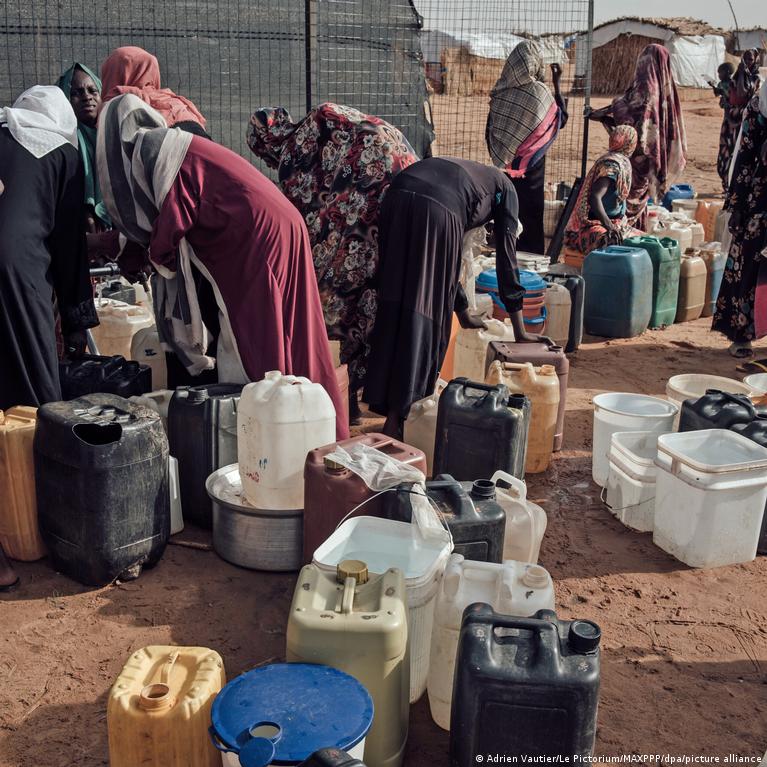
For sellers sourcing from or shipping through North Africa, this instability creates measurable operational friction. Chad hosts 1.5 million refugees (900,000+ from Sudan's 2023 war), straining local infrastructure and creating unpredictable border conditions. The February 2024 border closure between Chad and Sudan demonstrates how quickly geopolitical tensions translate into logistics disruptions—sellers relying on Sahel trade routes experienced 15-25% shipping delays during similar closures. With only 52% of Chad's population accessing basic water services (44% in rural areas), infrastructure reliability for 3PL operations and warehouse management remains compromised. The recurring nature of violence—previous November incidents killed 33 people at another water well—indicates this is not an isolated event but a structural crisis affecting regional stability.
The humanitarian context amplifies supply chain risks. Climate-related water scarcity, compounded by refugee influx, creates competition for resources that historically triggers violence. Amnesty International documented that security responses are often delayed and perpetrators escape accountability, creating what it termed "a sense of impunity and marginalisation." This governance gap means sellers cannot rely on rapid conflict resolution or stable operating conditions. For sellers with inventory in transit through Chad, Sudan, or neighboring regions, the risk profile has shifted materially. Sellers shipping electronics, apparel, or consumer goods to West African markets should anticipate 2-4 week delays during peak conflict periods and consider alternative routing through coastal ports (Cameroon, Benin) that add 8-12% to logistics costs but avoid Sahel instability.
Strategic implications extend beyond immediate logistics. The conflict reflects deeper structural vulnerabilities: 42% of Chad's population lives below the poverty line, limiting consumer purchasing power for discretionary e-commerce categories. However, humanitarian demand for essential goods (water purification systems, medical supplies, food products, emergency shelter materials) is rising sharply. Sellers specializing in humanitarian/development products can capitalize on NGO procurement cycles, which typically increase 30-40% during crisis periods. Additionally, the refugee population represents an emerging consumer segment with specific product needs (portable water containers, solar lighting, affordable apparel) that sellers can target through specialized marketplaces and B2B humanitarian platforms.
Questions 8
How does refugee influx impact consumer purchasing power in Chad?
Chad's 1.5 million refugees strain local resources and reduce purchasing power for discretionary e-commerce categories. With 42% of Chad's population living below the poverty line, consumer demand for luxury goods, electronics, and non-essential apparel is limited. However, essential goods categories (food, water, basic clothing, hygiene products) see increased demand. Sellers should focus on high-volume, low-margin essential products rather than premium categories when targeting Chad's consumer market.
Should sellers maintain inventory in Chad or neighboring regions?
Maintaining inventory in Chad carries elevated risk due to infrastructure limitations (only 52% population access to basic water services) and recurring violence. Sellers should shift to just-in-time inventory models or use regional distribution hubs in more stable countries (Cameroon, Benin, Côte d'Ivoire). If maintaining presence in Sahel region, diversify across multiple locations to mitigate single-point-of-failure risk. Work with 3PL providers experienced in conflict-affected regions who can navigate customs delays and security checkpoints.