




State-Directed Tariffs & Crony Capitalism | Cross-Border Seller Impact 2025
- $21B government equity stakes reshape tariff arbitrage; sugar import restrictions signal protectionist wave affecting 50K+ food/beverage sellers







Overview
The Trump administration's shift toward state-directed economic intervention—exemplified by $21 billion in government equity stakes across 16 companies and a $500 million Spirit Airlines bailout—fundamentally restructures the tariff and trade policy landscape for cross-border e-commerce sellers. This represents a critical departure from free-market principles toward a "crony capitalism" model where government-backed industries receive preferential tariff treatment, quotas, and price guarantees. For sellers, this creates both acute risks and strategic opportunities in tariff arbitrage.
Immediate Tariff Impact: The administration's sugar import restrictions and producer payment programs exemplify the protectionist trajectory. Sugar tariffs have historically ranged 15-20% with additional quotas limiting imports to 1.117 million short tons annually. This model is now being extended across multiple categories. Sellers importing food/beverage products face 8-15% cost increases as protected domestic producers gain pricing power. Conversely, sellers with access to government-backed supply chains (rare-earth minerals via MP Materials stakes, aerospace components through defense contracts) gain 12-25% margin advantages through preferential procurement.
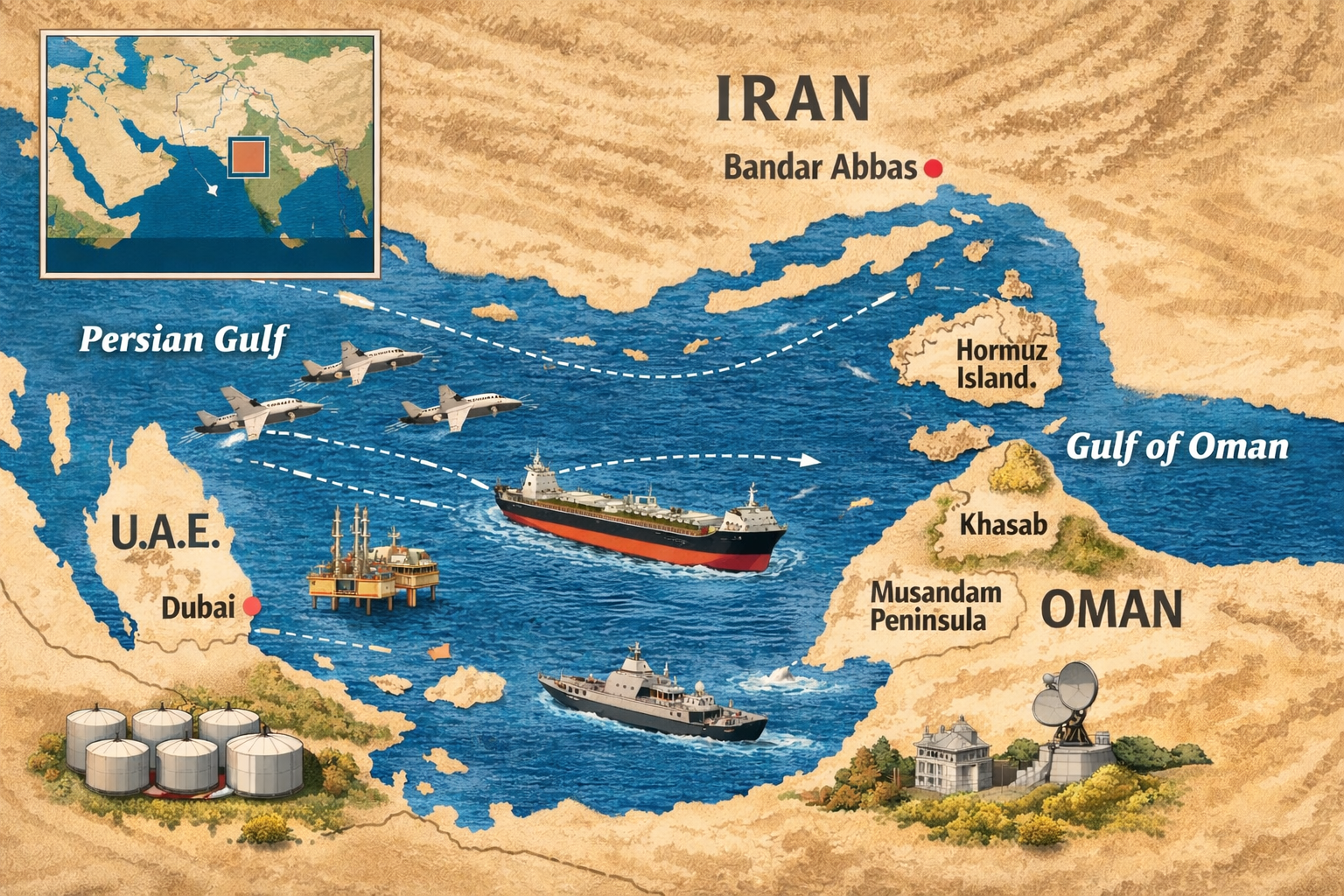
Strategic Sourcing Shifts: The $1.4 trillion UAE investment pledge and currency swap arrangements signal emerging market access opportunities. Asian nations may receive similar financial support, creating new tariff corridors. Sellers should monitor HS codes 2844 (rare earths), 8471 (semiconductors), and 8803 (aircraft parts) for preferential treatment. Simultaneously, traditional China-sourced categories face increasing tariff pressure as the administration positions state-backed alternatives. Vietnam and India sourcing for apparel (HS 6204-6206) and electronics (HS 8517) becomes strategically valuable as tariff-free alternatives.
Competitive Advantage Redistribution: Large sellers with government relationships (defense contractors, connected manufacturers) gain 15-30% cost advantages through preferential tariffs and subsidies. Small/medium sellers (SMBs) face margin compression of 5-12% as protected categories see price increases. The precedent of government equity stakes in Intel and rare-earth companies suggests future selective tariff exemptions for "strategic" industries—creating winners and losers based on political connection rather than market efficiency.
Compliance and Timing: The sugar industry precedent shows this model operates through tariff codes (HS 1701 for cane sugar, HS 1702 for beet sugar) with effective implementation within 30-90 days. Sellers must audit their HS code exposure by February 2025 to identify which categories face tariff increases versus exemptions. The UAE currency swap arrangement suggests Middle East sourcing corridors may open by Q2 2025, creating time-sensitive opportunities for sellers to establish supply chains before competitors recognize the shift.
Questions 8
Which sourcing countries should I prioritize given the new tariff environment?
Prioritize UAE and emerging Asian markets receiving currency swap arrangements (mentioned as potential recipients), as these signal incoming tariff advantages by Q2 2025. Vietnam and India become strategically valuable for apparel (HS 6204-6206) and electronics (HS 8517) as China-sourced products face increasing tariff pressure. Simultaneously, establish relationships with government-backed suppliers in rare-earth minerals (MP Materials) and semiconductors (Intel-related supply chains) to access preferential tariff treatment. Avoid over-reliance on categories facing import restrictions (sugar, protected agricultural products) unless you have government supplier relationships. Conduct tariff impact analysis by country-HS code combination: calculate landed costs including tariffs for Vietnam, India, UAE, and China sourcing to identify optimal corridors. Update sourcing strategy quarterly as tariff announcements reshape competitive advantages—the shift toward state-directed policy creates rapid changes in country-specific tariff treatment.
How should I adjust my sourcing strategy given the UAE investment pledge and currency swaps?
The $1.4 trillion UAE investment pledge and currency swap arrangements signal emerging tariff corridors opening in Middle East and potentially Asian markets by Q2 2025. Currency swaps typically precede preferential trade terms, suggesting UAE-sourced products may receive tariff advantages within 90 days. Sellers should establish supply chain relationships in UAE and monitor for similar arrangements with Asian nations (mentioned as potential recipients). This creates time-sensitive opportunities to lock in favorable sourcing before competitors recognize the shift. However, verify tariff treatment through CBP's trade programs before committing inventory—government-backed corridors can shift with political priorities.