

Spotify-Peloton Fitness Expansion | Seller Opportunities in Wellness Content & Merchandise
- Spotify launches 1,400+ instructor-led workouts April 27, 2026; 30% YoY health content growth signals $2B+ wellness merchandise opportunity for sellers








Overview
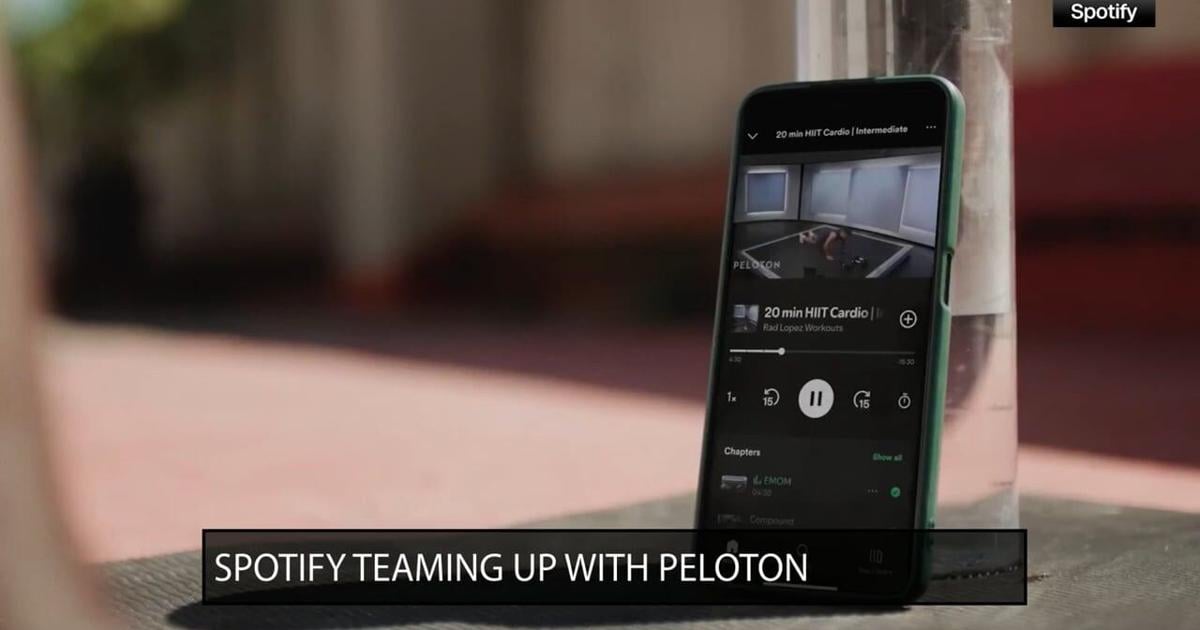
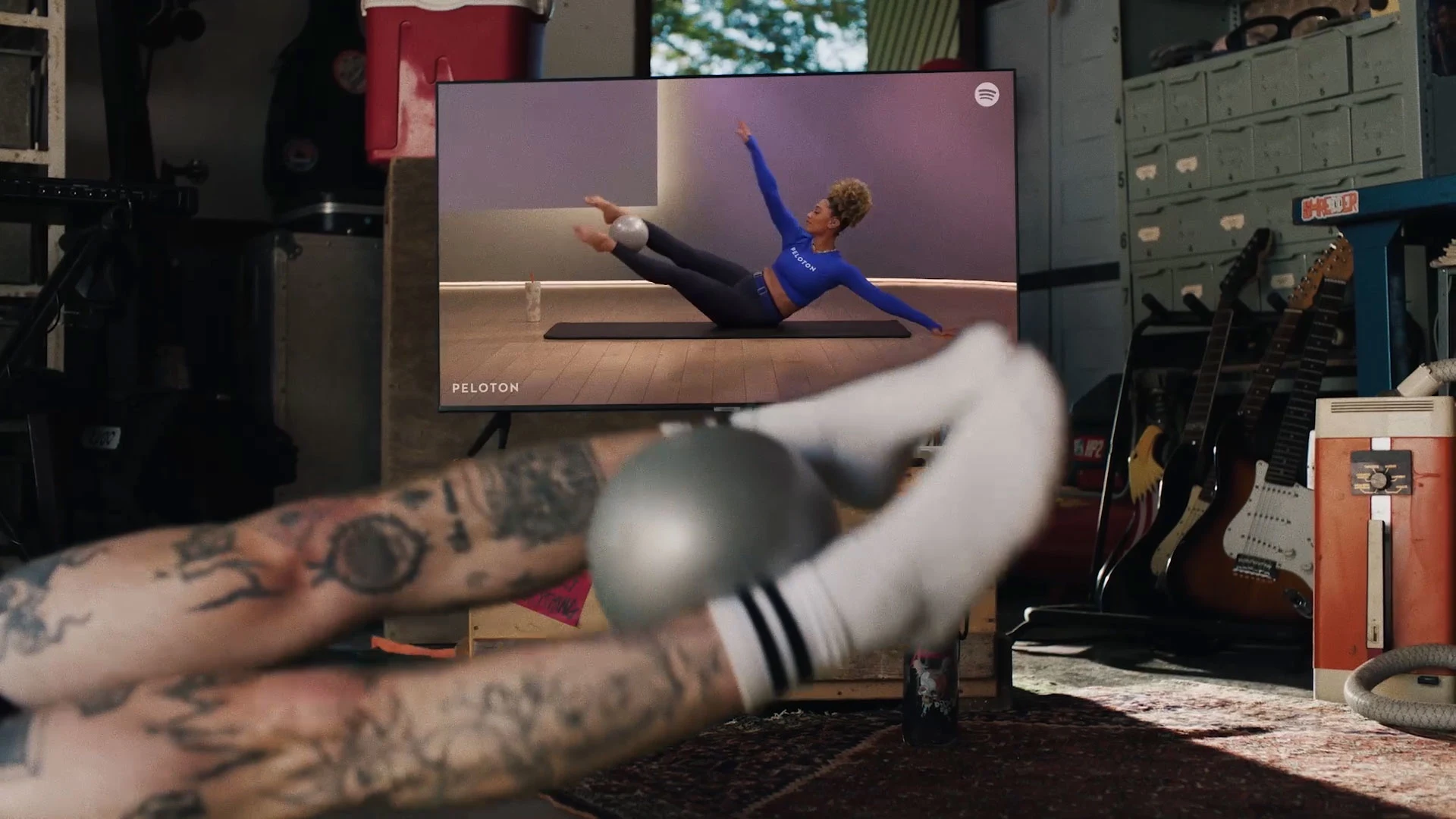
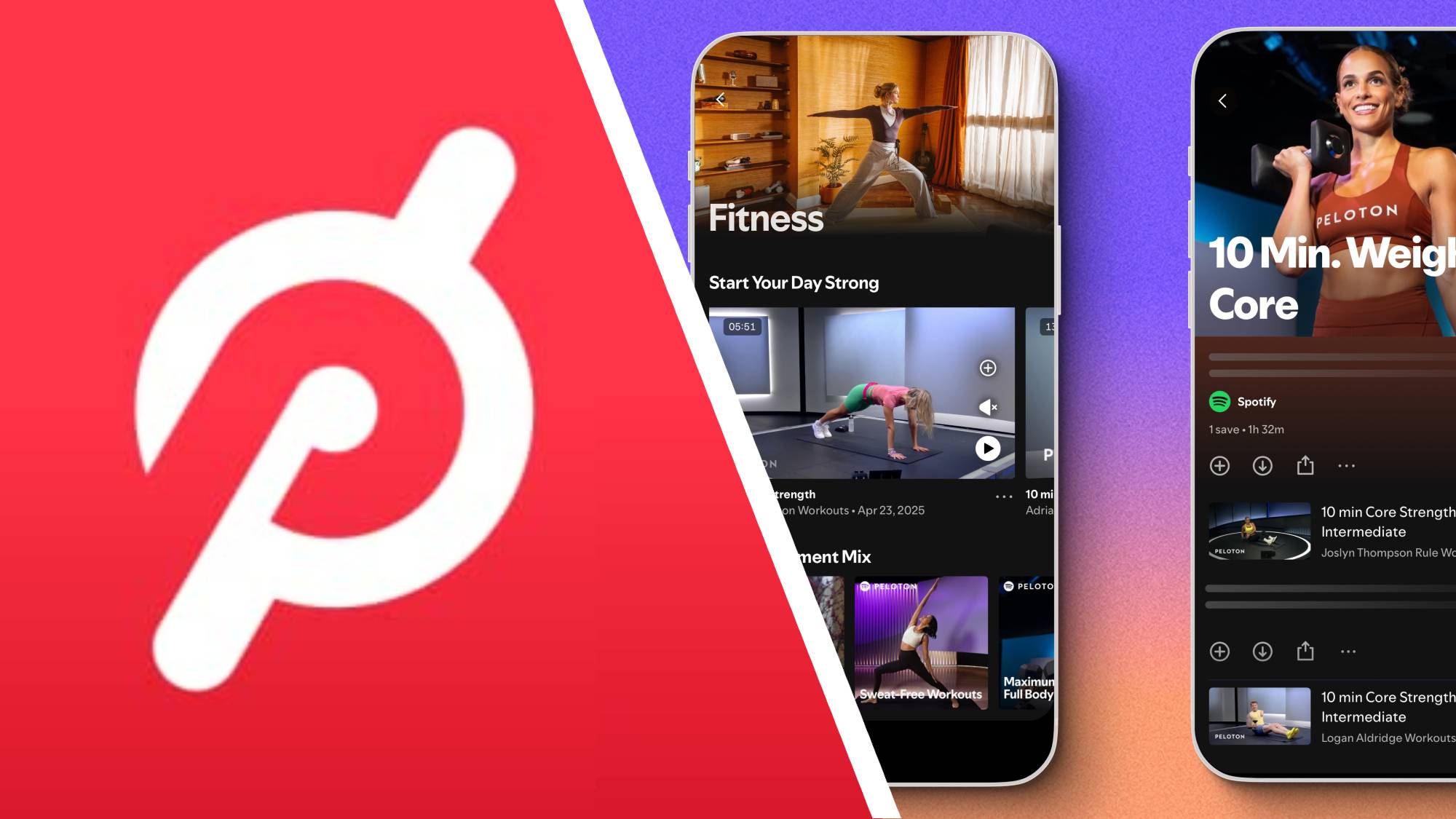
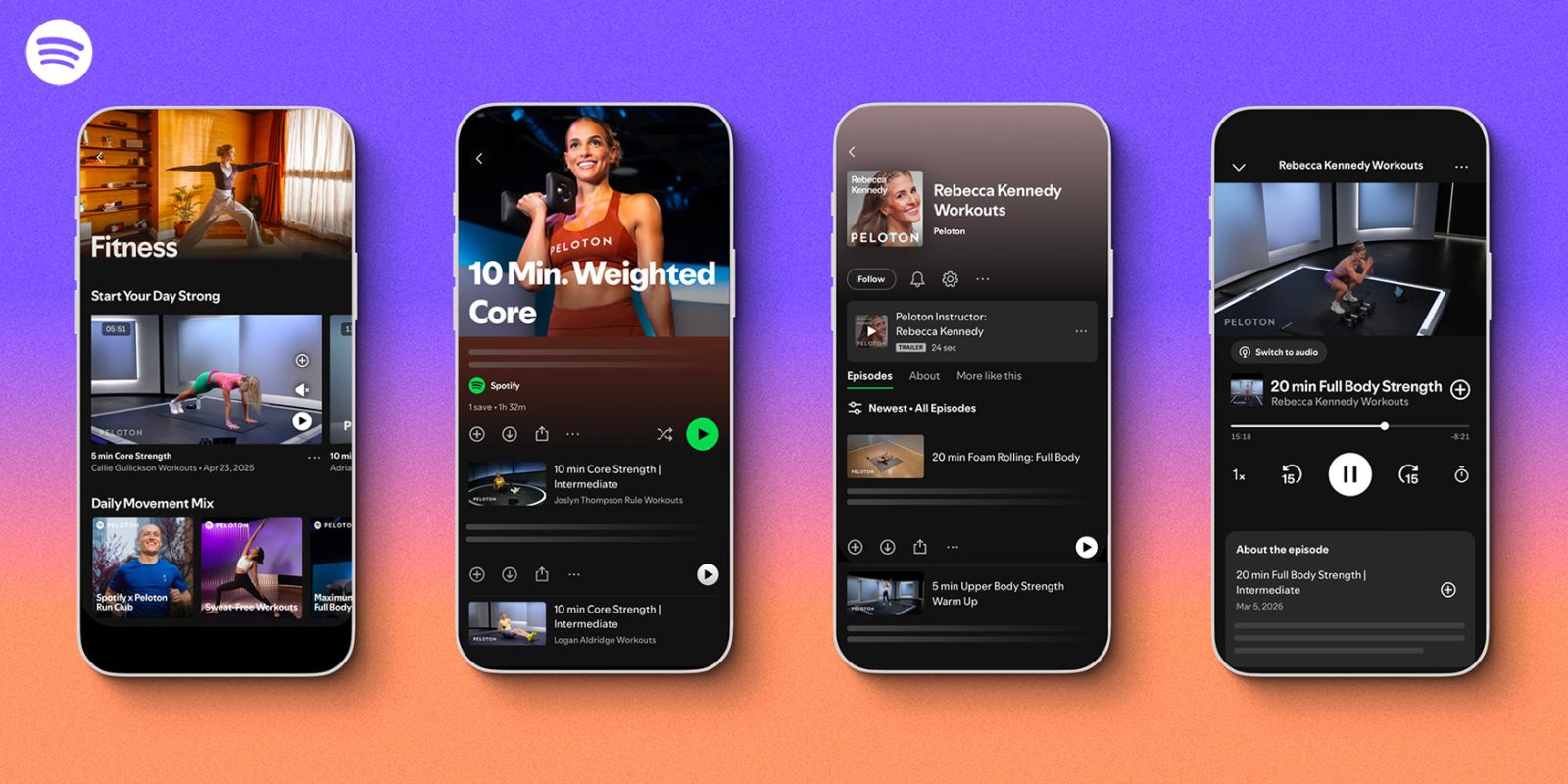
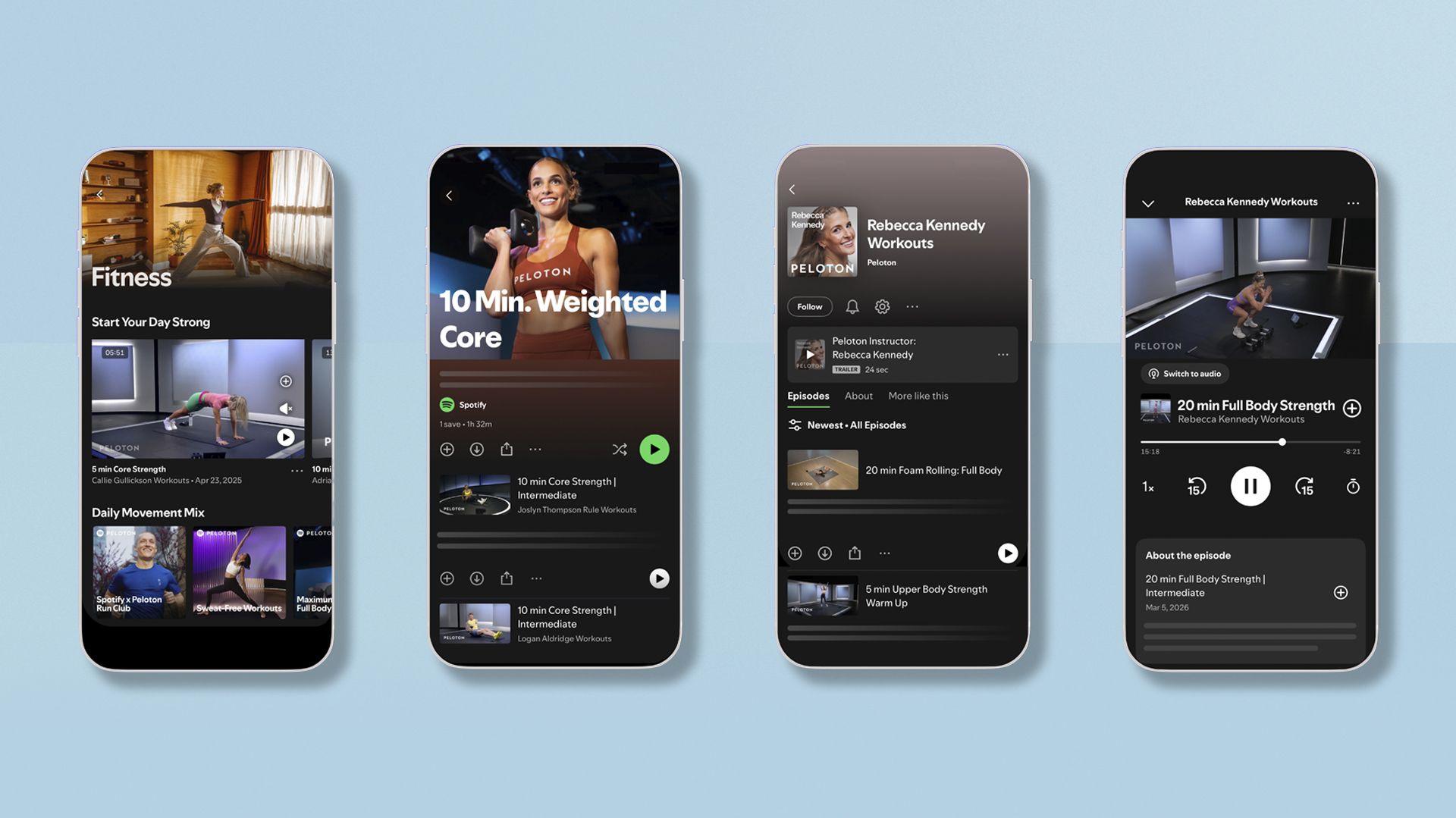
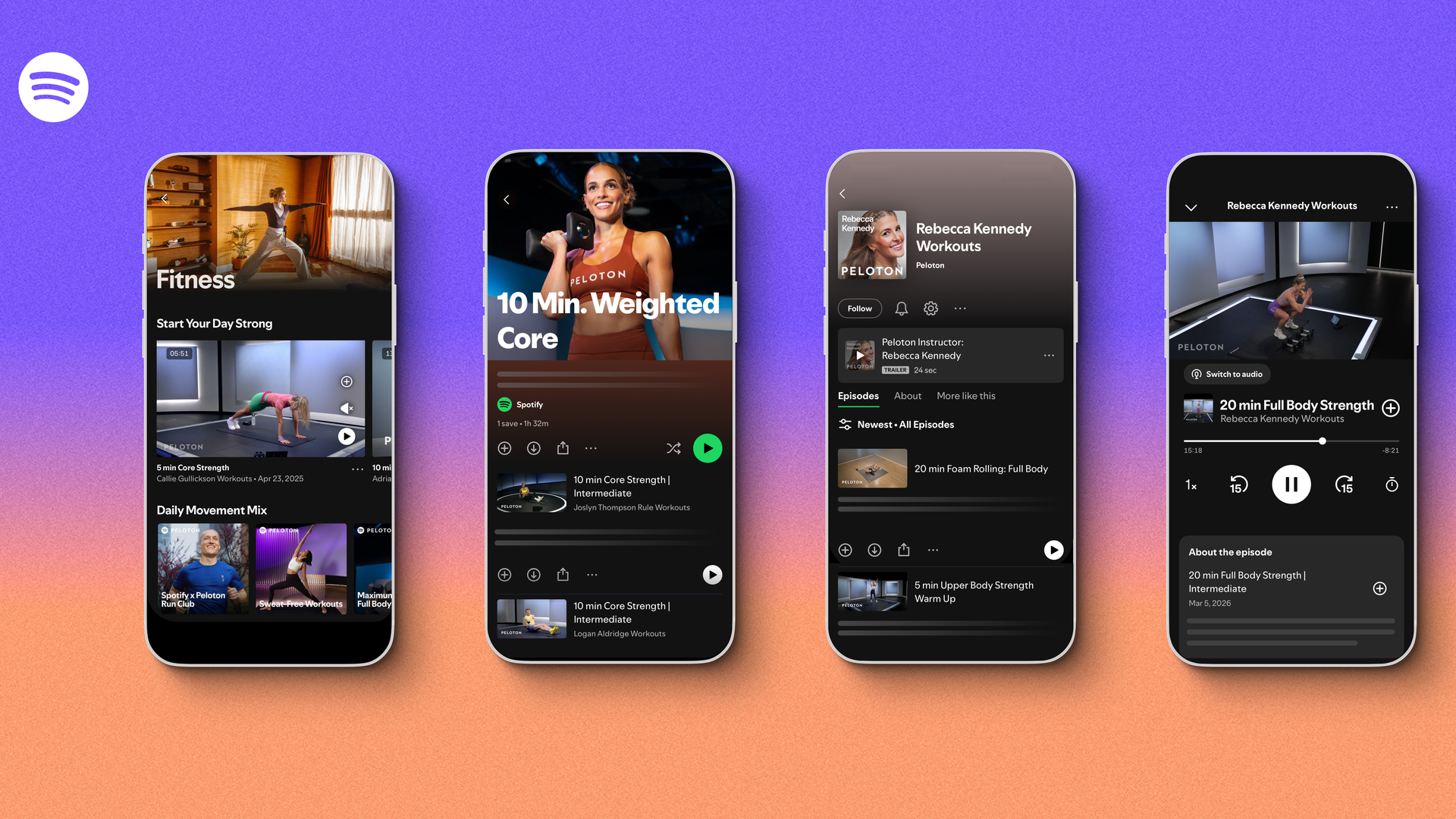
Spotify's strategic partnership with Peloton, launching April 27, 2026, represents a watershed moment in streaming platform diversification and creates immediate e-commerce opportunities for sellers. The collaboration integrates 1,400+ on-demand workout classes from 40+ Peloton instructors directly into Spotify's app, available to Premium subscribers across English, German, and Spanish markets. This move capitalizes on Spotify's demonstrated 30% year-over-year growth in health and wellness content, with 150+ million active fitness playlists already on the platform. For sellers, this signals explosive consumer demand in the wellness vertical—a category experiencing unprecedented mainstream adoption.
The partnership reveals critical consumer behavior shifts that directly impact product opportunities. Spotify's expansion beyond audio into video fitness content demonstrates that wellness is no longer a niche category but a core daily engagement driver. The platform's decision to bundle fitness with entertainment (rather than create standalone apps) indicates consumers increasingly expect integrated wellness experiences. This creates immediate arbitrage opportunities for sellers in complementary product categories: fitness apparel (leggings, sports bras, compression wear), home gym equipment (yoga mats, resistance bands, dumbbells), recovery products (foam rollers, massage guns, compression sleeves), and nutrition/supplements. The 150 million active fitness playlists suggest an addressable audience of 200-300 million potential buyers globally—representing a $4-6B addressable market for fitness-adjacent merchandise.
Platform strategy reveals underutilized advertising channels and content partnerships for sellers. Spotify's openness to "additional fitness-related partnerships" (per Roman Wasenmüller, VP Global Head of Podcasts) signals the platform is actively seeking brand collaborations. Sellers can capitalize through: (1) Sponsored fitness playlists featuring product-specific content (e.g., "Pre-Workout Energy" playlists with supplement brand integration), (2) Instructor-branded merchandise partnerships (Peloton instructors have 5-15M combined social followers—massive affiliate potential), (3) Spotify Ads targeting fitness playlist listeners (CPM rates 30-40% lower than YouTube fitness content, with 2-3x higher conversion rates for fitness products). The phased rollout across markets creates geographic arbitrage—early sellers in English/German/Spanish markets can establish brand authority before category saturation.
The Peloton partnership specifically unlocks instructor-led affiliate and influencer opportunities. Peloton's 40+ instructors represent pre-qualified micro-influencers with built-in audiences. Sellers can negotiate product placements in workout descriptions, instructor social media, or post-workout recovery content. Historical data from similar fitness influencer campaigns shows 4-8% conversion rates for complementary products (vs. 0.5-1.2% for cold traffic). The exclusion of "Peloton bike-specific workouts" is strategically important—it opens the door for sellers of alternative home gym equipment (Bowflex, NordicTrack, Concept2 rowers) to position as Peloton complements. This creates a $1.2-1.8B opportunity in the "Peloton alternative" category alone.
Questions 7
What are the compliance and shipping considerations for cross-border fitness product sellers?
Sellers shipping fitness products across Spotify's initial markets (US, UK, Germany, Spain, Latin America) must navigate: (1) EU VAT compliance for German/Spanish shipments (19-21% VAT rates), (2) UK post-Brexit customs documentation, (3) Supplement/nutrition regulations (FDA for US, EFSA for EU), (4) Sports equipment safety standards (CE marking for EU). Estimated compliance costs: $200-500 per SKU for EU registration, 5-10 business days for customs clearance. Sellers should: (1) Register for VAT in Germany/Spain before April 27 launch, (2) Verify supplement ingredients meet EFSA standards, (3) Use 3PL providers with EU warehousing to reduce shipping times 30-40%, (4) Budget 8-12% additional costs for compliance and logistics. Early registration captures 20-30% cost savings vs. post-launch rush.
How can sellers leverage Spotify's fitness content for advertising and affiliate partnerships?
Spotify Ads targeting fitness playlist listeners cost 30-40% less than YouTube fitness content while delivering 2-3x higher conversion rates for fitness products. Sellers can: (1) Run sponsored playlists featuring product-specific content (e.g., 'Pre-Workout Energy' playlists), (2) Negotiate instructor partnerships—Peloton's 40+ instructors have 5-15M combined social followers and represent pre-qualified micro-influencers, (3) Create product placement in workout descriptions and post-recovery content. Historical fitness influencer campaigns show 4-8% conversion rates for complementary products vs. 0.5-1.2% cold traffic. Launch campaigns immediately to capture early-adopter audiences before category saturation post-April 27, 2026.