



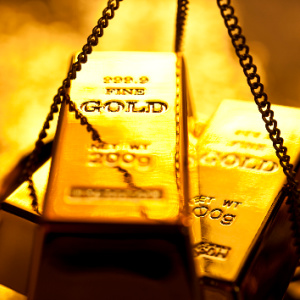
Precious Metals Supply Chain Crisis | Sellers Face New Compliance Burden
- US & Canadian government mints exposed sourcing cartel-linked gold; regulatory crackdown on precious metals sellers expected within 6-12 months













Overview
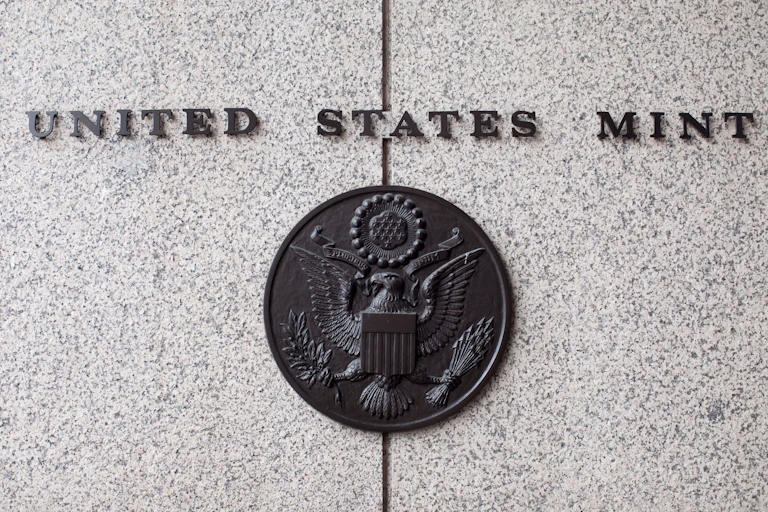
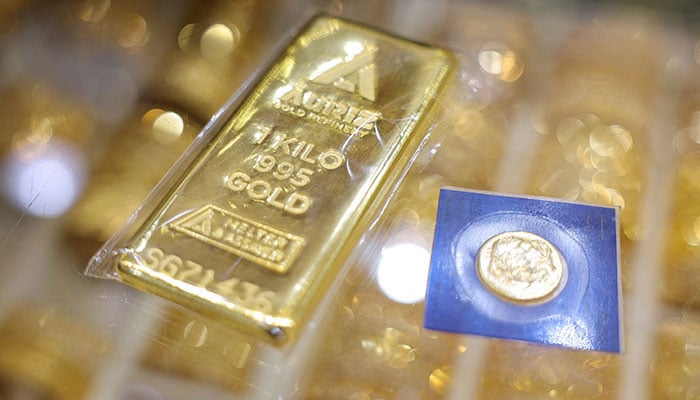
A New York Times investigation published April 26-27, 2024 exposed a critical supply chain vulnerability affecting the entire precious metals sector: both the US Mint and Royal Canadian Mint have been sourcing gold traced to Colombia's Clan del Golfo drug cartel despite legal prohibitions and public claims of ethical sourcing. The US Mint violated a 1985 Congressional ban on foreign gold in bullion, while Canada's Mint contradicted its "Bullion Genesis" blockchain traceability claims by purchasing cartel-connected Colombian gold from the Antioquia region. This scandal directly impacts cross-border e-commerce sellers in jewelry, luxury goods, and precious metals categories—a market segment generating $8-12B annually in global cross-border transactions.
The compliance risk is immediate and severe. The investigation reveals how illegally mined gold enters legal supply chains through licensed local buyers, receives valid export documentation, and becomes commingled with domestic gold during refining—making origin verification nearly impossible without enhanced tracking systems. Treasury Secretary Scott Bessent committed to reviewing Mint procurement practices, signaling imminent regulatory tightening. For sellers, this means regulatory bodies will likely impose conflict minerals-style documentation requirements similar to existing frameworks for diamonds and rare earth minerals. Sellers sourcing gold-containing products (jewelry, watches, luxury goods) must now implement rigorous due diligence beyond supplier certifications, potentially increasing operational costs 15-25% through enhanced documentation, third-party audits, and blockchain-based traceability systems.
Market opportunity exists for compliant sellers. As gold prices approach $5,000/ounce, demand for ethically sourced precious metals is accelerating among conscious consumers. Sellers who implement transparent supply chain documentation now—before regulatory mandates—can capture premium positioning in luxury categories. The scandal creates a competitive advantage window for sellers willing to invest in blockchain traceability, third-party certifications (Fairmined, Responsible Jewellery Council), and detailed origin documentation. Expect regulatory changes within 6-12 months requiring sellers to provide chain-of-custody documentation, source country verification, and conflict minerals declarations—similar to existing SEC Rule 13p-1 requirements for conflict minerals in electronics. Non-compliant sellers face inventory seizures, account suspensions on platforms like Amazon and eBay, and potential criminal liability under anti-money laundering statutes.
Questions 7
Are there market opportunities for sellers who implement ethical sourcing early?
Yes—significant premium positioning exists. Conscious consumers increasingly demand ethically sourced luxury goods, with willingness to pay 10-20% premiums for certified Fairmined or Responsible Jewellery Council products. Sellers implementing blockchain traceability and third-party certifications now can capture market share before regulatory mandates level the playing field. Jewelry sellers with transparent supply chains can differentiate on Amazon and eBay, potentially increasing conversion rates 15-25% in luxury categories. The scandal creates a 6-12 month window before competitors catch up—early movers can establish brand authority in ethical precious metals, capturing premium positioning worth $100-500K annually for mid-sized sellers.
What are the financial penalties for selling non-compliant precious metals?
While specific penalties for precious metals aren't yet codified, the scandal suggests enforcement will mirror conflict minerals regulations. Potential penalties include: account suspension on Amazon/eBay (immediate revenue loss of 30-60% for jewelry sellers), inventory seizure (loss of $50-500K+ in stock), civil penalties of $10-50K per violation under anti-money laundering statutes, and criminal liability for knowingly selling cartel-linked gold (up to 10 years imprisonment). The US Treasury's involvement signals criminal enforcement priority. Sellers should view compliance as mandatory, not optional—the reputational damage of cartel-linked gold sales could permanently damage brand value in luxury markets.