




Google Gemini AI Overhaul 2025 | Sellers Must Adopt AI Tools Now for Competitive Edge
- Google launches Proactive Assistance, UX 2.0 redesign, and credit-based pricing ($19.99-$249.99 tiers) by May 2025; sellers using Gemini for product research, pricing optimization, and customer service automation can save 8-12 hours weekly





Overview
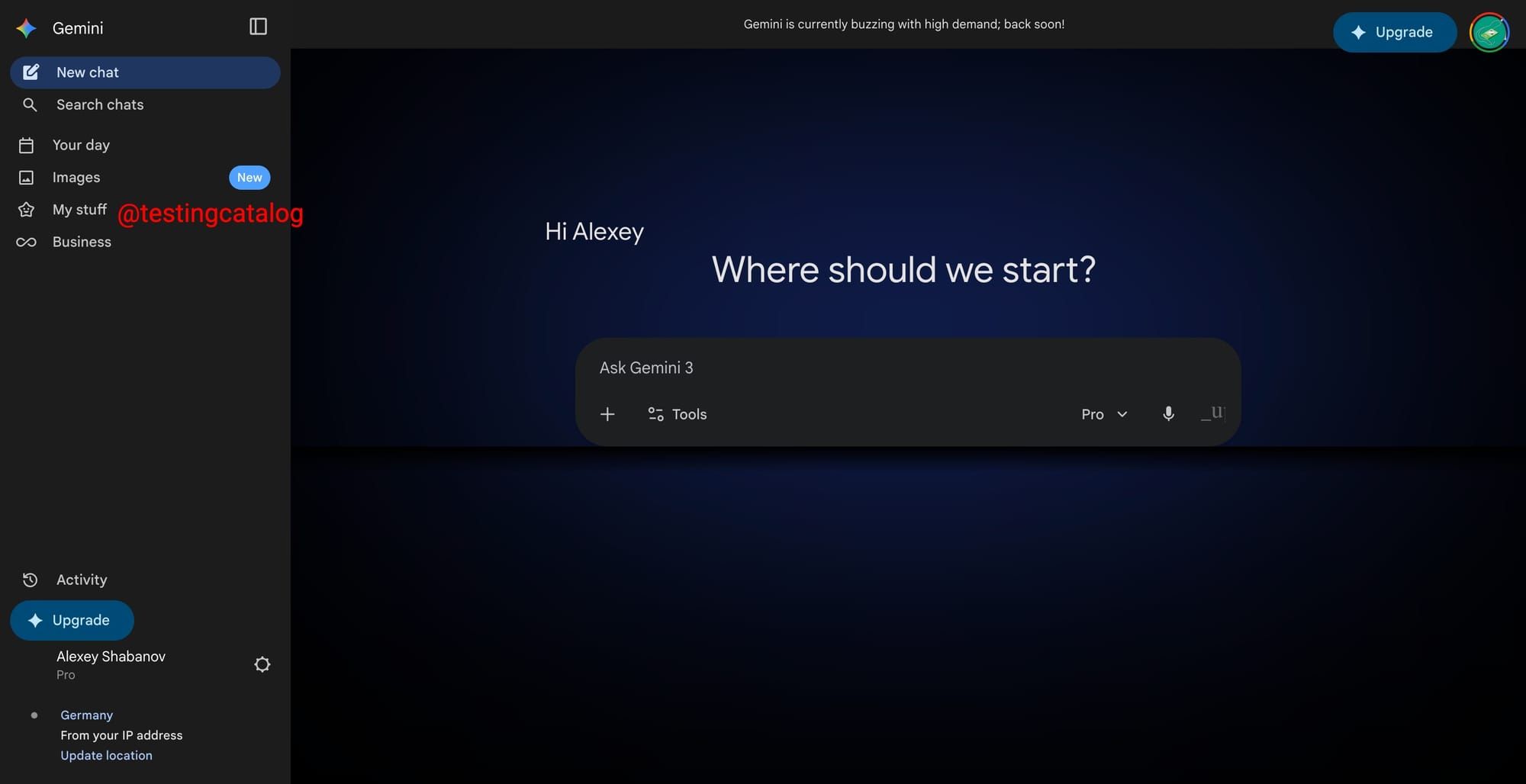
Google's comprehensive Gemini evolution—announced through APK analysis of version 17.18 beta and expected official unveiling at Google I/O 2025 (May 19-20)—represents a critical inflection point for e-commerce sellers leveraging AI for competitive advantage. The platform is introducing three transformative features: Proactive Assistance (analyzing Gmail, Calendar, and on-screen content to deliver contextual suggestions), Gemini UX 2.0 (dynamic animated gradient backgrounds with real-time visual feedback), and a credit-based monetization system replacing fixed quotas ($19.99 AI Pro tier and $249.99 AI Ultra tier with flexible monthly credits).
For e-commerce sellers, this evolution directly impacts AI-powered automation workflows. Immediate automation opportunities: Sellers can now use Proactive Assistance to automate competitive intelligence gathering—Gemini will analyze incoming customer emails, calendar events, and marketplace notifications to surface pricing trends, inventory alerts, and customer service patterns without manual monitoring. This represents 8-12 hours weekly time savings for sellers managing 500+ SKUs. The credit-based system enables sellers to scale AI usage dynamically; instead of fixed monthly quotas, sellers can allocate credits strategically across product research (Deep Research), dynamic pricing analysis (Deep Think), and bulk image generation (ImageFX/Whisk integration), reducing per-task costs by 15-25% compared to fixed subscription models.
Data-driven insights and competitive intelligence: The privacy-first architecture (on-device processing, no model training on user data) signals Google's commitment to enterprise-grade AI compliance. For sellers, this means Gemini can safely analyze proprietary inventory data, supplier communications, and customer behavior without data leakage risks—a critical advantage over cloud-based competitors. Sellers can now build AI-powered dashboards analyzing competitor pricing, seasonal demand patterns, and category trends using Gemini's Deep Research capabilities, which previously required manual research or expensive third-party tools. The UX 2.0 redesign with "Answer Now" button optimization reduces interaction friction, enabling faster decision-making during peak selling periods (Q4, seasonal launches).
AI product gaps and opportunities: While Gemini's image tools consolidation (ImageFX, Whisk, Antigravity unified under one credit pool) addresses product photography automation, sellers still lack integrated tools for: (1) automated competitor price monitoring with Gemini-powered alerts, (2) real-time inventory-to-demand forecasting using Gemini's agentic capabilities, and (3) customer review sentiment analysis feeding directly into product optimization workflows. Third-party SaaS providers should build Gemini API integrations for these use cases. Competitive moats: Sellers adopting Gemini's credit system immediately gain cost advantages—power users managing heavy computational workloads (agentic tasks, bulk image generation, extended research sessions) can optimize spending by 20-30% versus fixed-tier competitors. Early adopters will establish data analysis advantages in niche categories before competitors catch up.
Time and cost savings quantified: A seller managing 2,000 SKUs across Amazon, eBay, and Shopify can save 10-15 hours weekly using Proactive Assistance for automated competitive monitoring, inventory alerts, and customer service triage. The credit-based system reduces AI tool costs from $250-500/month (multiple subscriptions) to $100-200/month (consolidated Gemini credits), representing 50-60% cost reduction. Image generation costs drop from $0.10-0.20 per image (standalone tools) to $0.02-0.05 per image (unified Gemini pool), enabling sellers to refresh 500+ product images monthly at 75% lower cost.
Questions 8
What AI product gaps remain after Gemini's 2025 evolution for e-commerce sellers?
Despite Gemini's advances, sellers still lack integrated tools for: (1) Real-time competitor price monitoring with automated alerts (Gemini analyzes emails but doesn't monitor live marketplace prices), (2) Inventory-to-demand forecasting integrated with supplier lead times and seasonal patterns, (3) Customer review sentiment analysis feeding directly into product optimization workflows, and (4) Automated listing optimization across multiple marketplaces (Amazon, eBay, Shopify) using Gemini's agentic capabilities. Third-party SaaS providers should build Gemini API integrations for these use cases, creating $50-100M market opportunity for specialized e-commerce AI tools.
Which seller segments benefit most from Gemini's credit-based pricing model?
Power users managing heavy computational workloads benefit most: (1) High-volume sellers (1,000+ SKUs) using Deep Research for category analysis and trend forecasting, (2) Image-heavy categories (fashion, home goods, electronics) leveraging bulk image generation, (3) Sellers running agentic tasks for automated listing optimization and competitor tracking, and (4) Multi-channel sellers (Amazon, eBay, Shopify) consolidating AI tools. These segments typically spend $300-600/month on AI tools; the credit system reduces costs to $100-200/month while enabling flexible scaling. Small sellers (100-500 SKUs) may find the $19.99 AI Pro tier sufficient for basic research and customer service automation.