

Promotional Pricing Compliance Crisis | $19M Albertsons Fine Sets Precedent for E-Commerce Sellers
- Washington AG sues Albertsons for deceptive BOGO practices affecting 3M+ transactions; establishes strict promotional transparency standards that will reshape grocery and e-commerce pricing compliance across all platforms



Overview
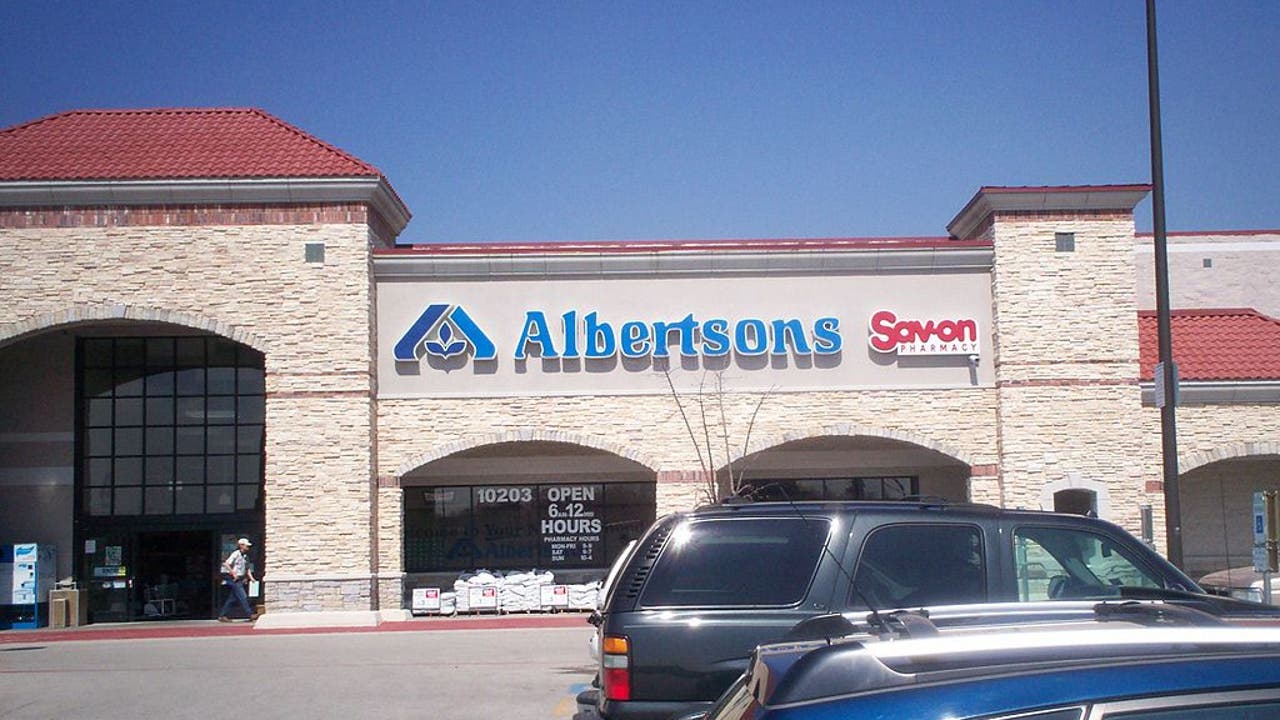
Washington State's $19 million Albertsons lawsuit (filed April 27, 2026) represents a watershed moment for promotional pricing compliance that directly impacts e-commerce sellers across Amazon, Walmart, eBay, and Shopify. The case alleges systematic price manipulation across 225 stores and 3+ million transactions (October 2019-May 2024), where Albertsons artificially inflated prices 30-57% before BOGO promotions, then reduced them post-sale—negating the promised free product value. The olive oil example is instructive: $6.99→$10.99 (57% increase) before promotion, then back to $6.99 after, meaning consumers paid inflated prices for the "free" item.
This lawsuit establishes a critical compliance barrier that will reshape promotional practices across e-commerce. Washington previously settled similar BOGO claims against Albertsons in 2023, and Oregon secured a $107 million settlement in 2016 for comparable violations. The pattern indicates state AGs are systematically targeting deceptive promotional mechanics—a direct threat to third-party sellers using BOGO, bundle deals, and flash sales on Amazon, Walmart Marketplace, and Shopify. The lawsuit's success could trigger:
- Mandatory promotional pricing audits for all sellers using BOGO/bundle mechanics
- Automated price-tracking requirements to prove pre-promotion baseline pricing
- Strict temporal rules (minimum 30-60 day baseline periods before promotions)
- Penalty structure: Civil penalties per violation (3M+ transactions = potential $3-30M exposure for large sellers)
For e-commerce sellers, this creates a high-compliance moat protecting compliant operators. Sellers using legitimate promotional mechanics (genuine price reductions from documented baselines) will face minimal enforcement risk, while competitors using price manipulation tactics face elimination. The compliance cost is moderate: $5-15K for promotional pricing audit systems, 2-4 week implementation timeline. However, non-compliant sellers face catastrophic penalties: 10-50% of annual revenue in settlements, plus mandatory customer restitution.
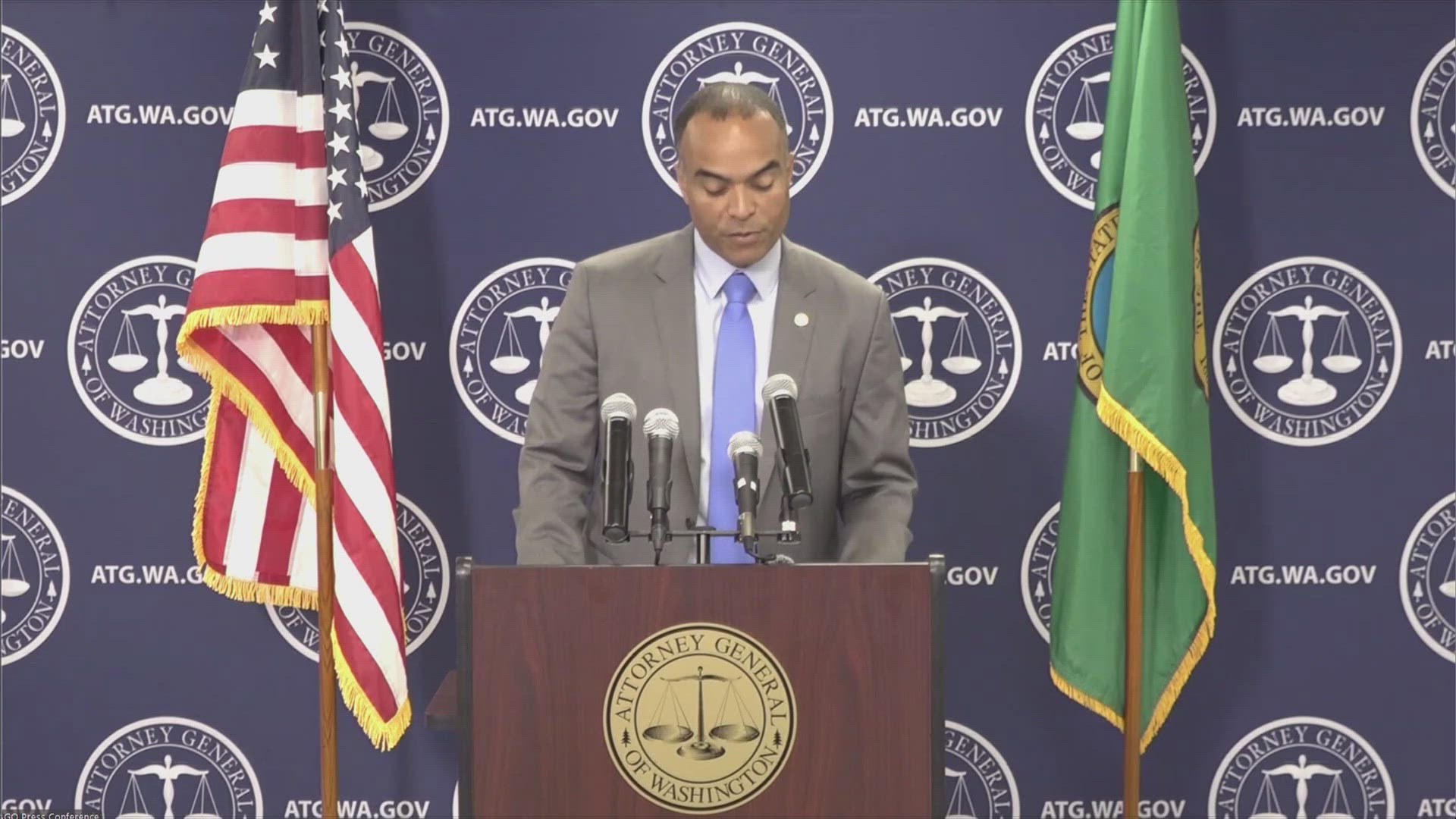
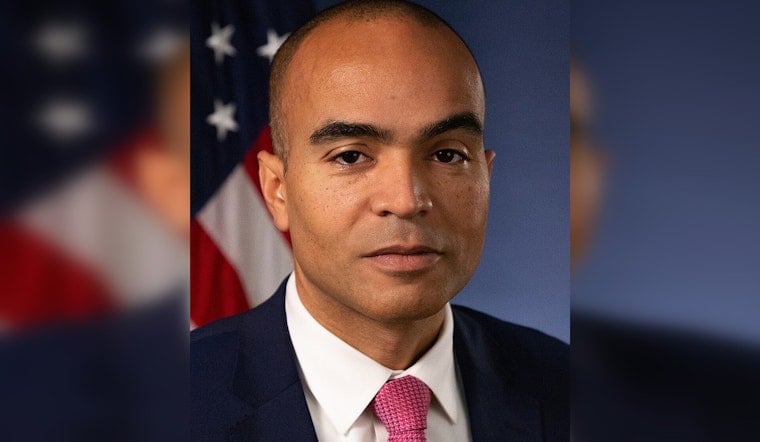
The regulatory enforcement intensity is escalating. Washington AG Brown explicitly stated the state "will not tolerate misleading practices affecting household affordability"—signaling aggressive enforcement across all consumer-facing categories. This creates immediate opportunities for sellers offering transparent, compliant promotional alternatives in grocery, food/beverage, and household goods categories where BOGO deals are standard marketing tools. Sellers can differentiate through documented pricing transparency, automated compliance systems, and clear promotional mechanics that pass regulatory scrutiny.
Questions 8
Will this lawsuit create opportunities for compliant sellers to gain market share?
Yes—the Albertsons enforcement action creates a high-compliance moat protecting legitimate sellers. Non-compliant competitors using price manipulation tactics face elimination through platform enforcement or state AG actions. Compliant sellers offering transparent promotional mechanics gain Buy Box preference on Amazon, featured placement on Walmart, and reduced enforcement risk. In grocery and food/beverage categories, compliant sellers can differentiate through documented pricing transparency and clear promotional value. The market elimination rate for non-compliant sellers is estimated at 20-40% in high-enforcement jurisdictions (Washington, Oregon, California). Sellers investing in compliance systems now gain 6-12 month competitive advantage before enforcement pressure forces competitors to comply. This creates opportunities for compliant sellers to capture market share in BOGO-dependent categories like grocery, household goods, and food/beverage.
What compliance systems should sellers implement to avoid promotional pricing violations?
Sellers should implement: (1) Automated baseline price tracking systems that document 30-60 day pre-promotion pricing, (2) Promotional mechanics validation tools that verify discount amounts match documented baselines, (3) Transaction audit trails capturing all price changes and promotional offers, and (4) Compliance dashboards showing regulatory risk scores. Third-party compliance platforms (e.g., pricing analytics tools) can automate this process for $500-2K monthly. Amazon and Walmart should provide native compliance tools in seller dashboards. Sellers using Shopify can implement apps like Pricing Optimizer or Promotion Manager to document baseline pricing and validate promotional mechanics. Implementation timeline is 2-4 weeks; ongoing monitoring requires 5-10 hours monthly. This investment protects against enforcement risk and provides competitive advantage through transparent, compliant promotional practices.