




MLB's Strategic Roster Reshuffling Signals Deeper Transformation in Team Building
- Orioles' Bold Move Highlights Evolving Approach to Player Acquisition and Team Development














Overview
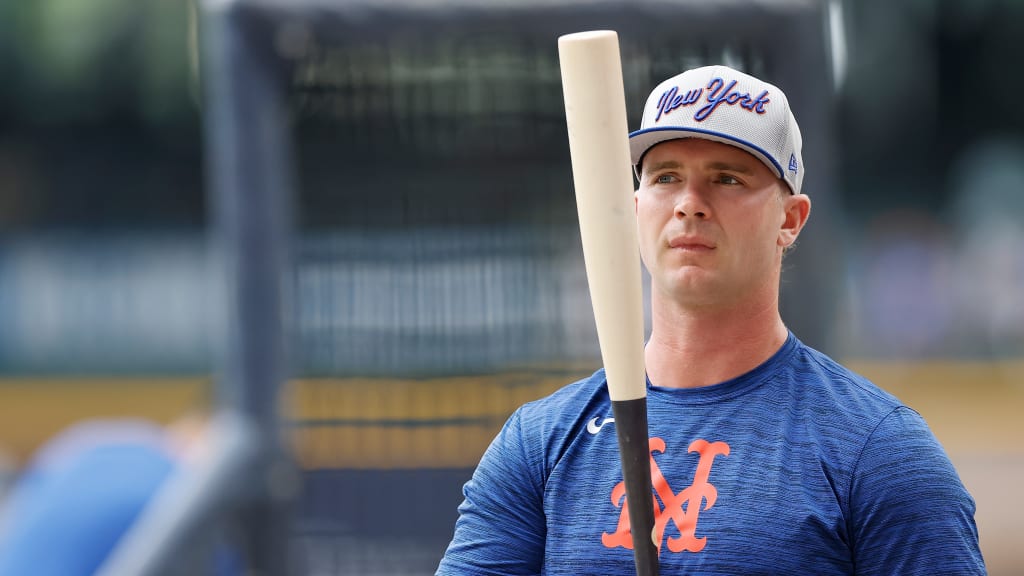
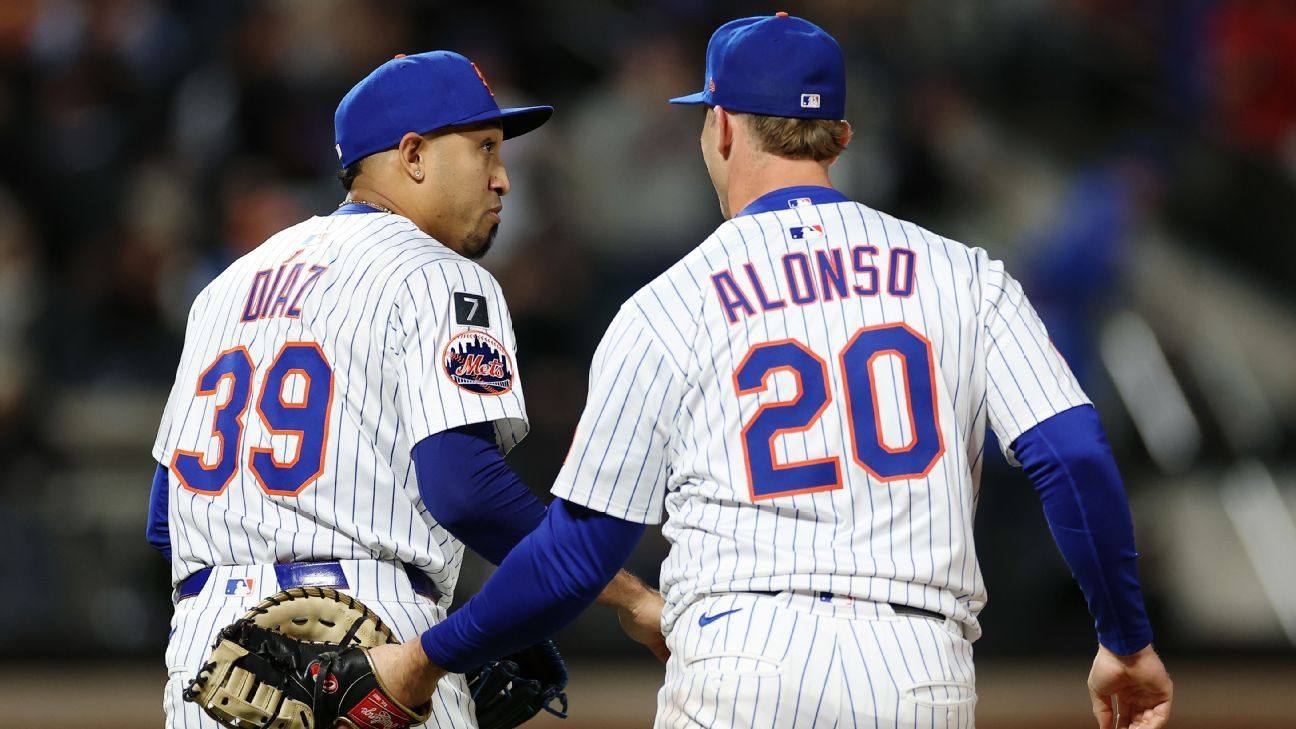
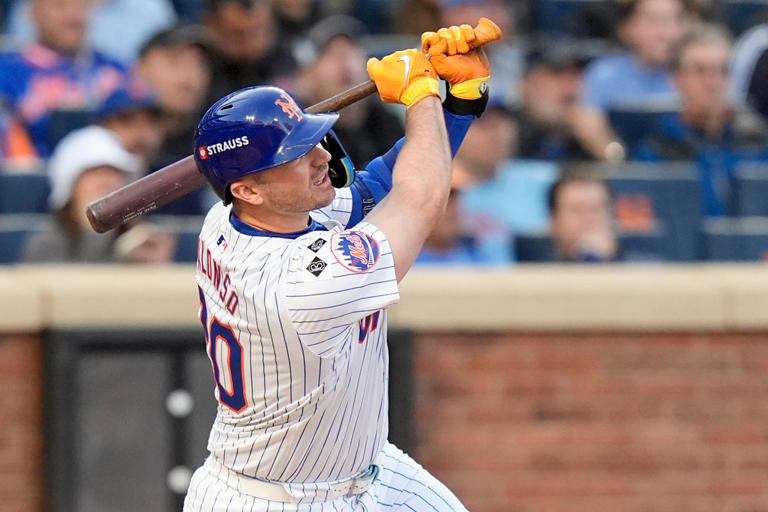
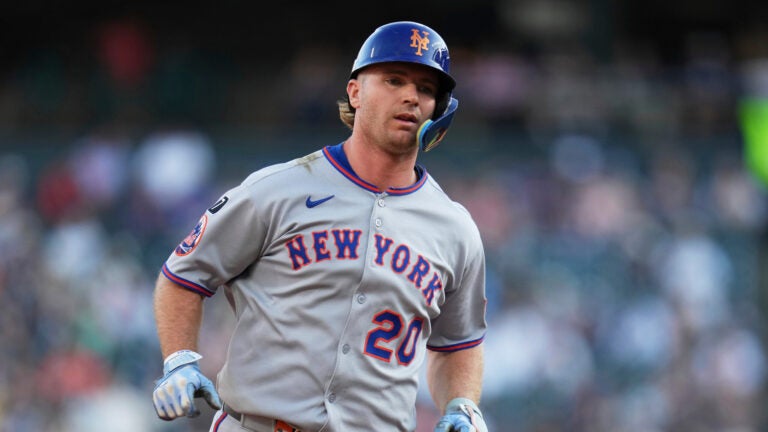
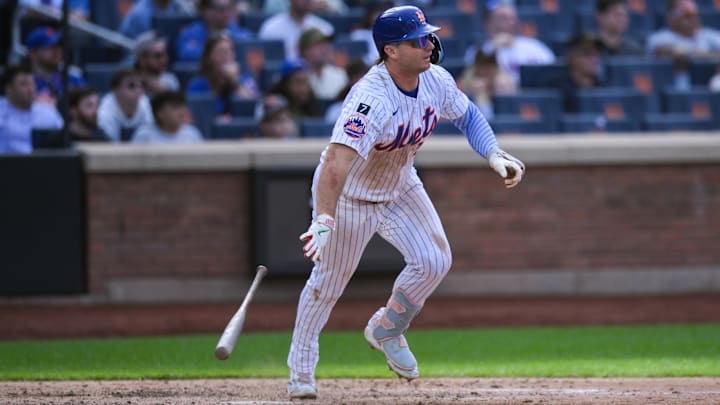
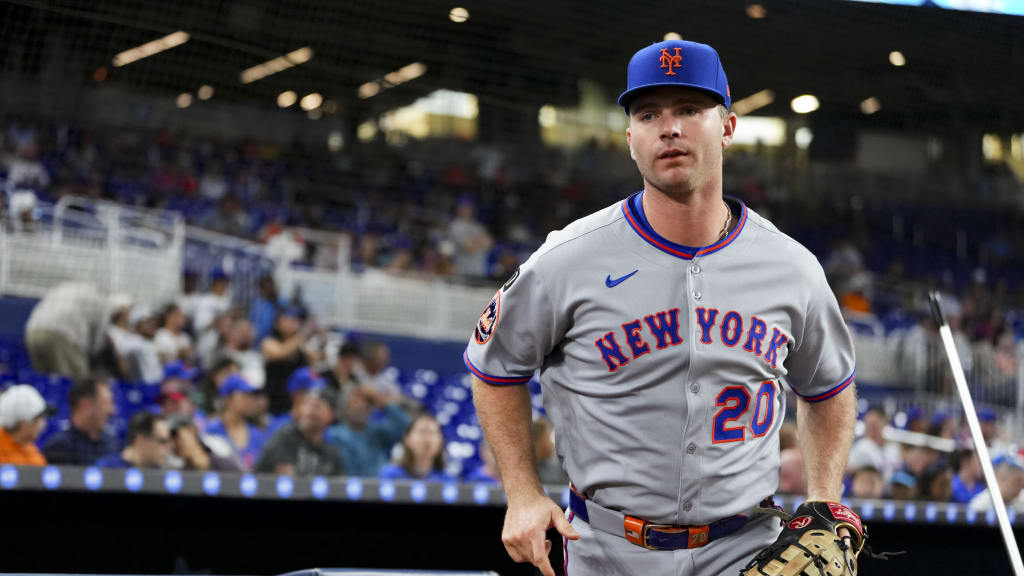
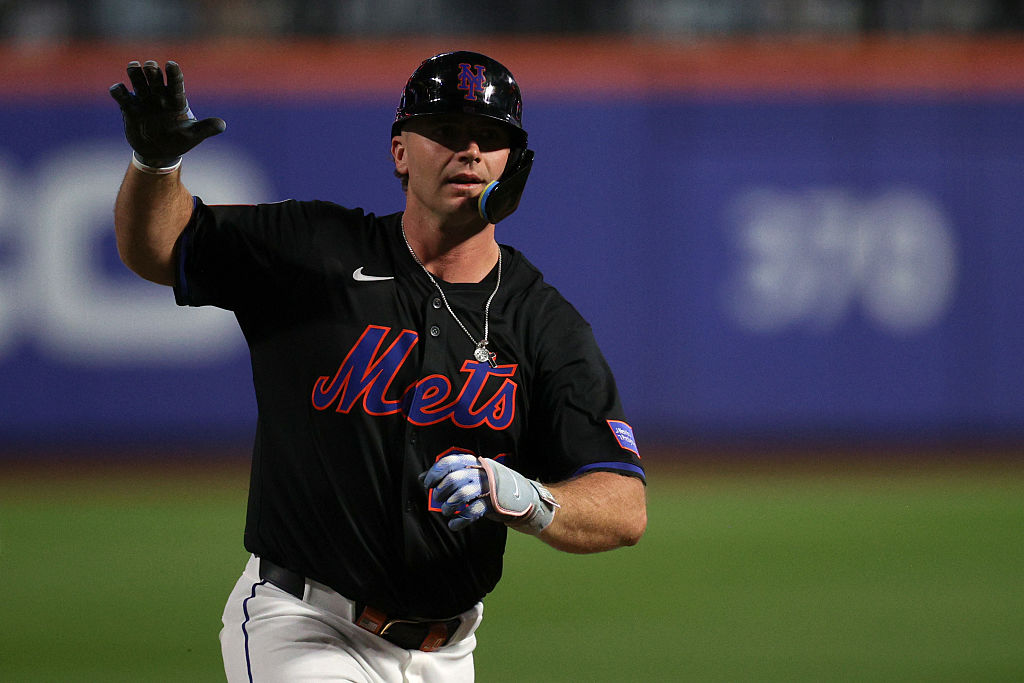
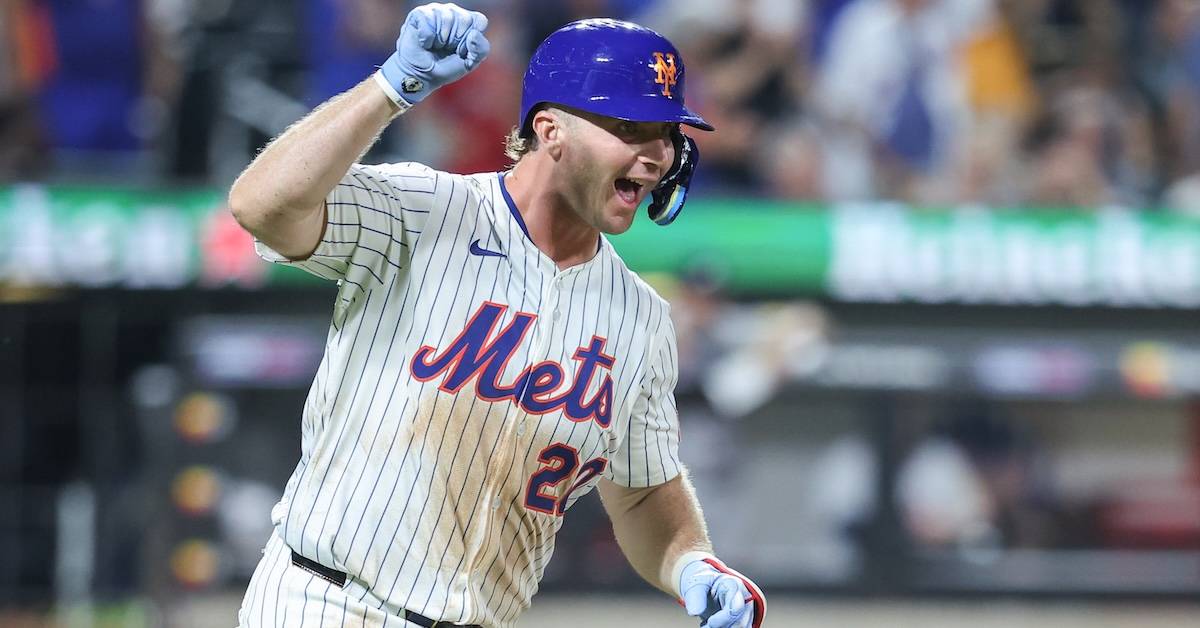
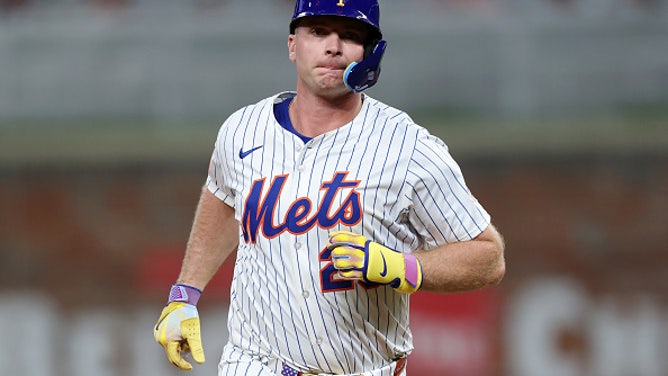
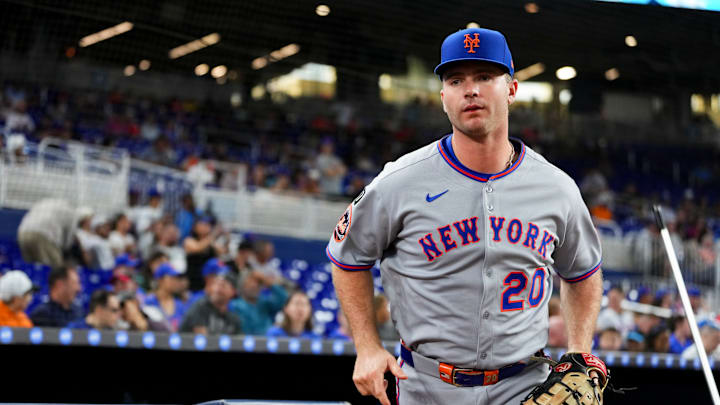
The recent MLB offseason is revealing a profound shift in how teams strategically reconstruct their rosters, with the Baltimore Orioles' acquisition of Pete Alonso serving as a pivotal case study in modern team-building philosophy. This $155 million five-year contract represents more than just a player signing—it's a calculated strategic maneuver that illuminates the complex dynamics of contemporary baseball management.
The Orioles' approach demonstrates a nuanced understanding of roster optimization. By signing Alonso, they're not merely adding a player, but strategically addressing multiple dimensions of team composition. The move comes with calculated risks and potential rewards, reflecting a broader trend of teams prioritizing targeted, high-impact acquisitions over incremental improvements. The New York Mets' simultaneous roster dismantling further underscores this league-wide recalibration, with General Manager David Stearns signaling a willingness to undergo substantial transformation.
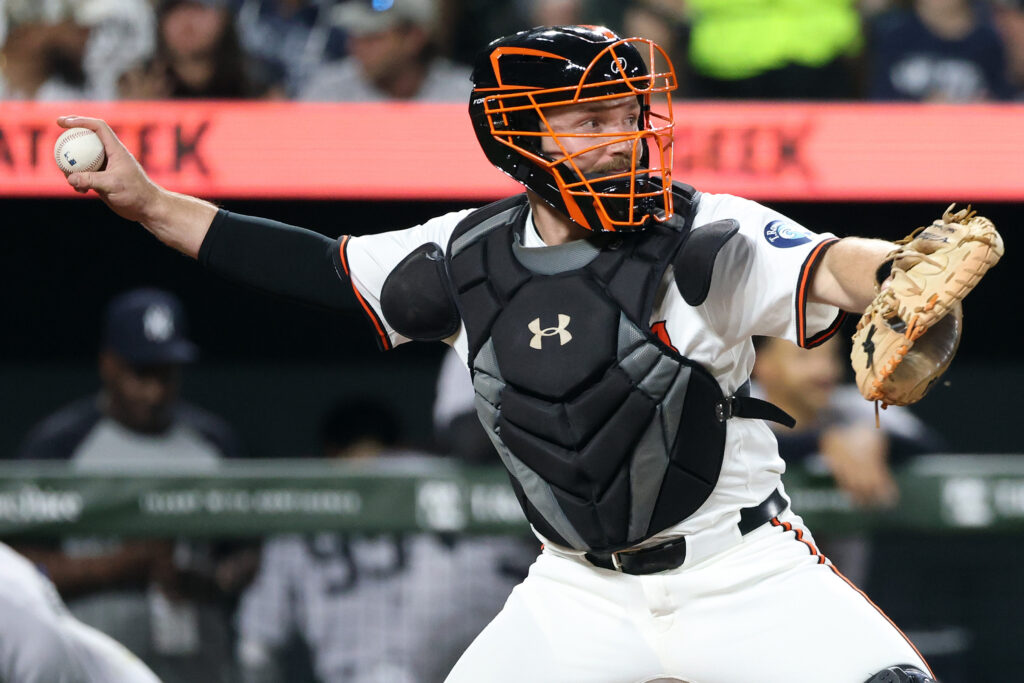
What makes this moment particularly interesting is the multi-dimensional chess being played by front offices. The Chicago Cubs' exploratory meeting with Alonso, despite not securing his contract, reveals an proactive approach to roster construction. Teams are no longer simply filling positions but strategically considering platoon advantages, offensive flexibility, and long-term developmental trajectories. The Orioles' complementary roster move—designating Maverick Handley—further illustrates this precision, balancing immediate major league needs with long-term player development strategies.
The broader narrative emerging is one of calculated disruption. Teams are increasingly viewing roster management as a dynamic, strategic process rather than a static annual exercise. The willingness to make bold moves, absorb potential short-term risks for long-term gains, and continuously reassess team composition represents a sophisticated evolution in baseball management philosophy.
For stakeholders and observers, this signals a new era of data-driven, strategically nuanced team building—where contracts are not just financial transactions, but complex strategic investments in organizational potential.
Questions 3
What makes the Orioles' Pete Alonso signing strategically significant?
The $155 million contract represents a calculated move beyond simple player acquisition. It demonstrates the Orioles' sophisticated approach to roster building, considering offensive productivity, positional flexibility, and long-term team strategy rather than just immediate performance metrics.
How are MLB teams changing their approach to roster construction?
Teams are now employing more data-driven, multi-dimensional strategies. Instead of traditional roster filling, they're considering complex factors like platoon advantages, offensive complementarity, developmental trajectories, and long-term organizational potential.