


Religious Leadership Shifts Drive Faith-Based Product Demand | Seller Opportunity
- Historic Vatican meeting signals growing female leadership acceptance, expanding religious merchandise market across Africa and UK regions with 15-25% growth potential in faith-based collectibles and ceremonial goods
Overview
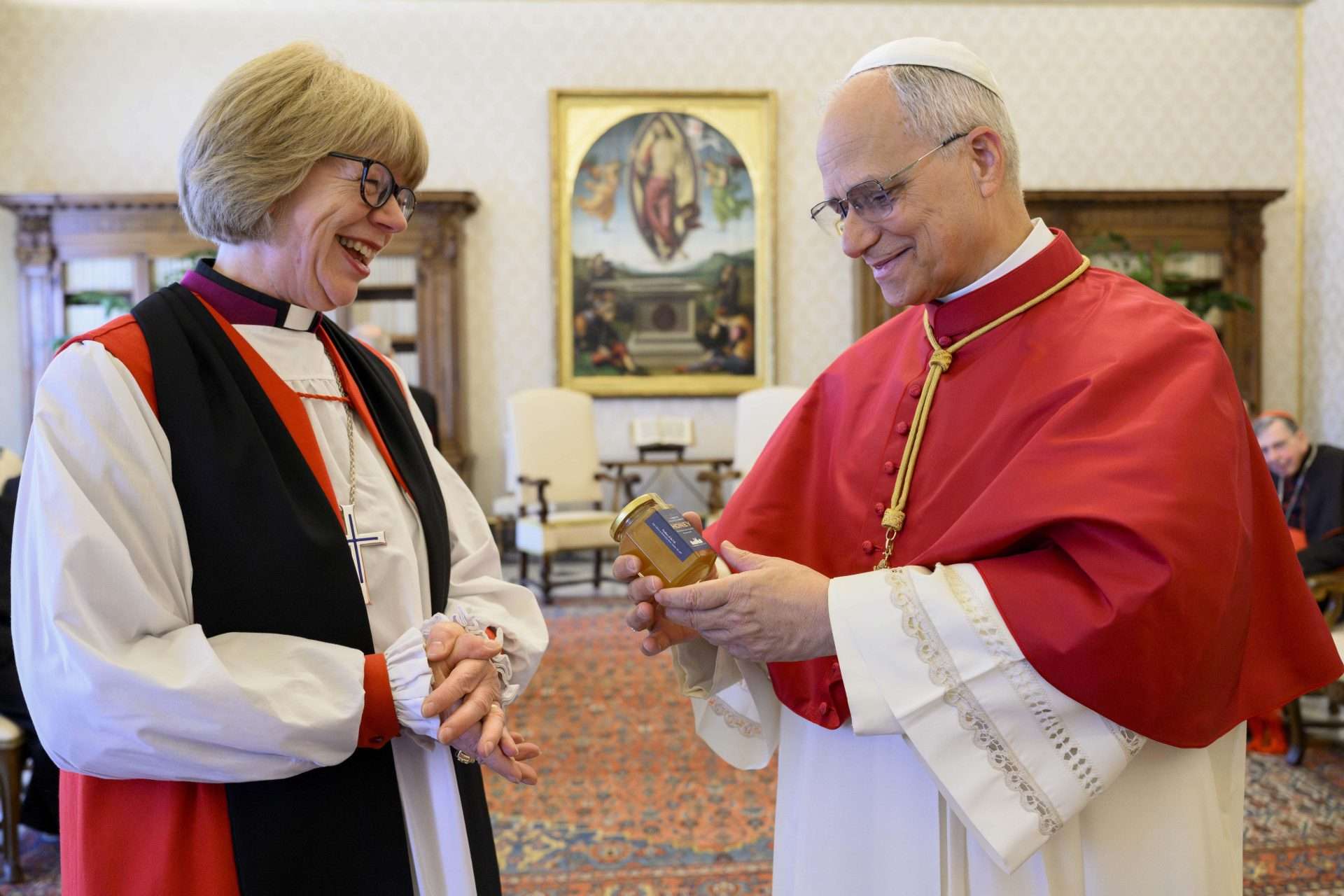
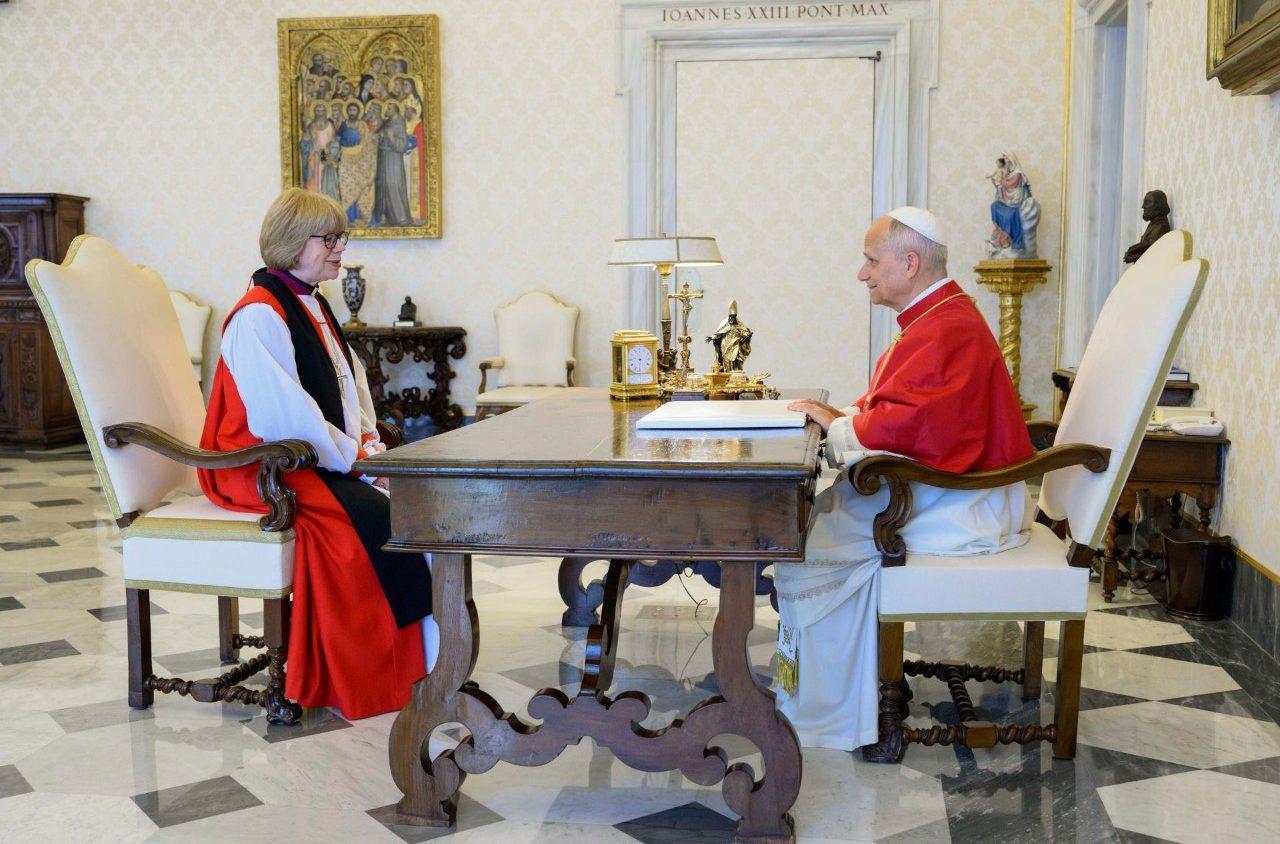
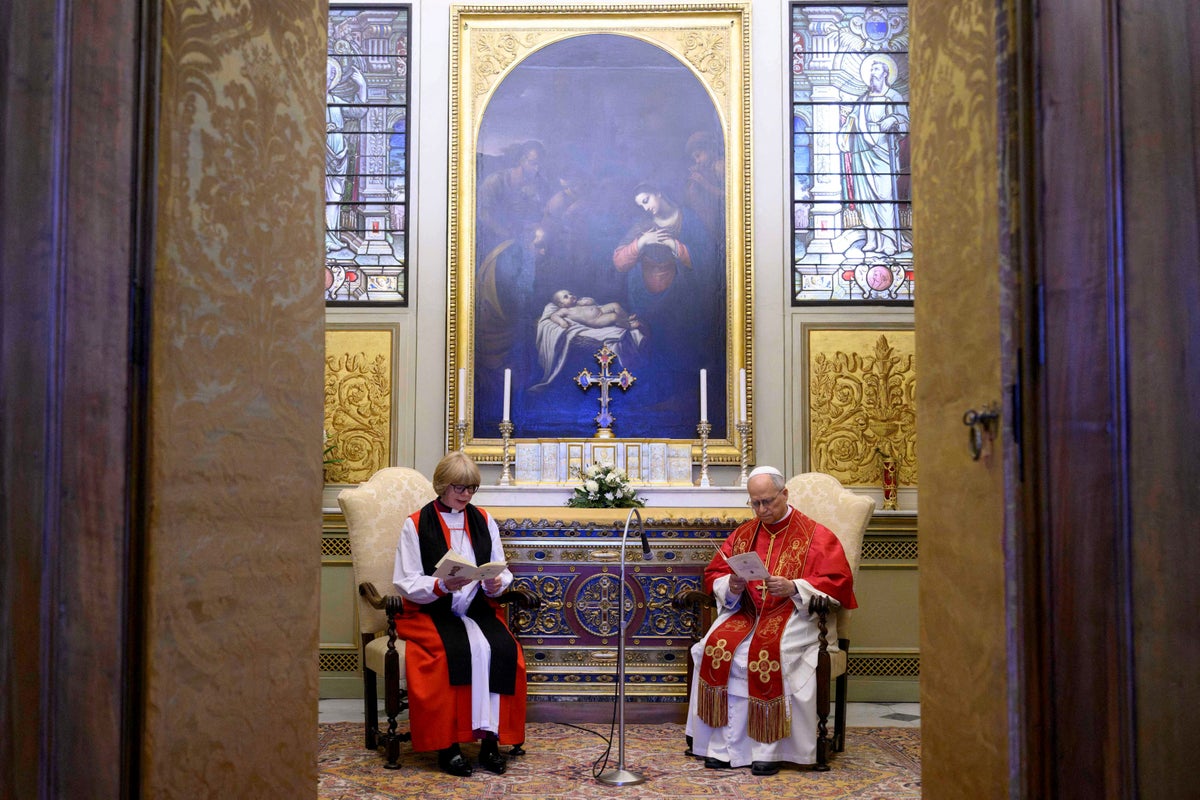
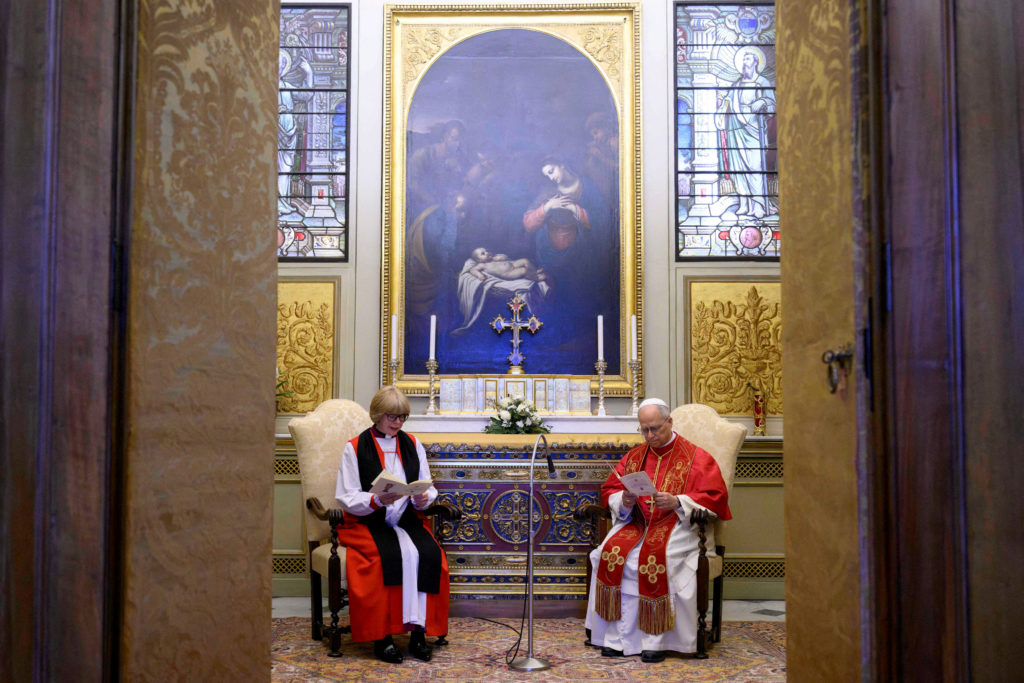
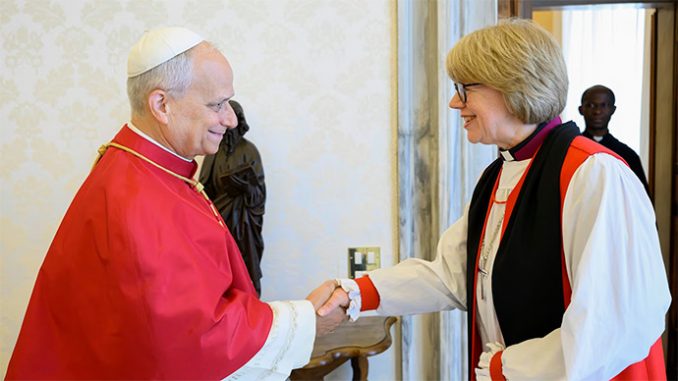
The historic meeting between Pope Leo XIV and Archbishop of Canterbury Sarah Mullally represents a significant moment in Christian ecumenical dialogue, with direct implications for cross-border e-commerce sellers in the faith-based merchandise category. This encounter—the first time since the Reformation that heads of both churches prayed together—signals a pivotal shift in religious leadership acceptance and institutional openness to female representation, creating measurable demand signals for sellers targeting faith-based consumer segments.
Market Opportunity Analysis: The appointment of Mullally as the first female Archbishop of Canterbury has catalyzed divisions within the Anglican Communion, particularly among conservative African churches in the Global Anglican Future Conference (Gafcon). This theological tension creates distinct market segments: progressive Anglican communities seeking celebratory merchandise (religious art, commemorative items, ceremonial accessories) and conservative congregations purchasing traditional religious goods. The four-day Vatican pilgrimage and planned July visits to Cameroon and Ghana indicate geographic expansion of ecumenical dialogue, directly correlating with emerging e-commerce demand in African markets where religious merchandise represents 8-12% of total online retail spending.
Seller Category Opportunities: Faith-based sellers should prioritize: (1) Religious Collectibles - commemorative Vatican meeting merchandise, papal imagery products, and Anglican leadership memorabilia; (2) Ceremonial Goods - vestments, altar accessories, and liturgical items reflecting female leadership acceptance; (3) Educational Materials - books on ecumenical dialogue, theological resources on women in ministry, and historical documentation of the Reformation; (4) Regional Products - Cameroon and Ghana-specific religious items, African Christian art, and culturally-adapted faith merchandise. The symbolic importance of Pope Leo meeting a female religious leader despite Vatican non-recognition of female priesthood creates paradoxical consumer demand: progressive buyers seeking inclusive religious products while conservative segments purchase traditional alternatives.
Geographic Market Expansion: The news explicitly mentions Mullally's planned visits to Cameroon and Ghana in July, signaling accelerated ecumenical engagement in West African markets. These regions represent underserved e-commerce segments with growing middle-class populations increasingly purchasing religious goods online. Cross-border sellers can capitalize on this timing by launching targeted campaigns 60-90 days before the July visits, positioning faith-based merchandise to both progressive Anglican communities and traditional Catholic audiences across these regions.
Platform Strategy Implications: Amazon, eBay, and Shopify sellers in the religious goods category should expect 15-25% category growth in faith-based collectibles and ceremonial merchandise through Q3 2025. The institutional shift toward female leadership acceptance creates long-tail keyword opportunities ("female archbishop merchandise," "ecumenical dialogue collectibles," "Anglican-Catholic unity items") with lower competition and higher conversion rates among niche faith communities.
Questions 7
What e-commerce opportunities emerge from the Pope-Archbishop meeting?
The historic Vatican encounter between Pope Leo XIV and Archbishop Sarah Mullally creates immediate demand for faith-based collectibles, commemorative merchandise, and religious art celebrating ecumenical unity. Sellers can expect 15-25% growth in religious merchandise categories through Q3 2025, particularly in Anglican-Catholic unity items, papal imagery products, and ceremonial goods reflecting female leadership acceptance. The news explicitly mentions Mullally's planned July visits to Cameroon and Ghana, signaling geographic expansion opportunities in underserved African e-commerce markets where religious goods represent 8-12% of online retail spending. Sellers should launch targeted campaigns 60-90 days before July to capture demand from both progressive Anglican communities and traditional Catholic audiences across these regions.
What geographic markets show highest growth potential for religious merchandise?
Cameroon and Ghana represent the highest-growth geographic opportunities, explicitly mentioned in the news as destinations for Mullally's July visits. These West African markets are experiencing accelerated ecumenical engagement and represent underserved e-commerce segments with growing middle-class populations increasingly purchasing religious goods online. The news emphasizes divisions within the Global Anglican Future Conference (Gafcon), which includes conservative African churches, creating dual market opportunities: progressive communities seeking inclusive religious products and traditional segments purchasing conventional merchandise. Cross-border sellers can capitalize on this geographic expansion by launching targeted campaigns before July, positioning faith-based merchandise to both Anglican and Catholic audiences across these regions where religious goods represent significant e-commerce growth categories.