



Pentagon AI Partnerships Accelerate Commercial Tech Innovation | E-Commerce Sellers Gain Fraud Detection & Supply Chain Tools
- Google, OpenAI, xAI secure classified Pentagon contracts; Anthropic refuses; 600+ Google employees petition CEO; April 2026 deals unlock dual-use AI technologies for e-commerce fraud prevention, pricing optimization, and logistics automation











)

















Overview
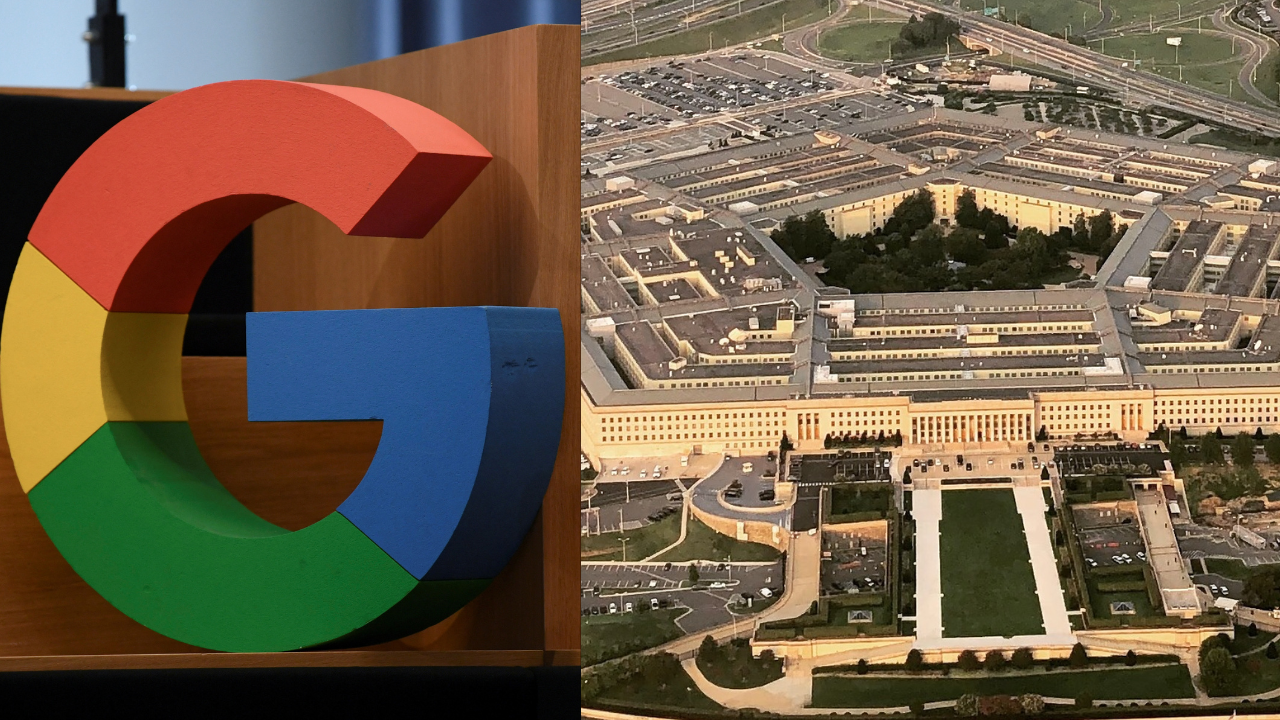
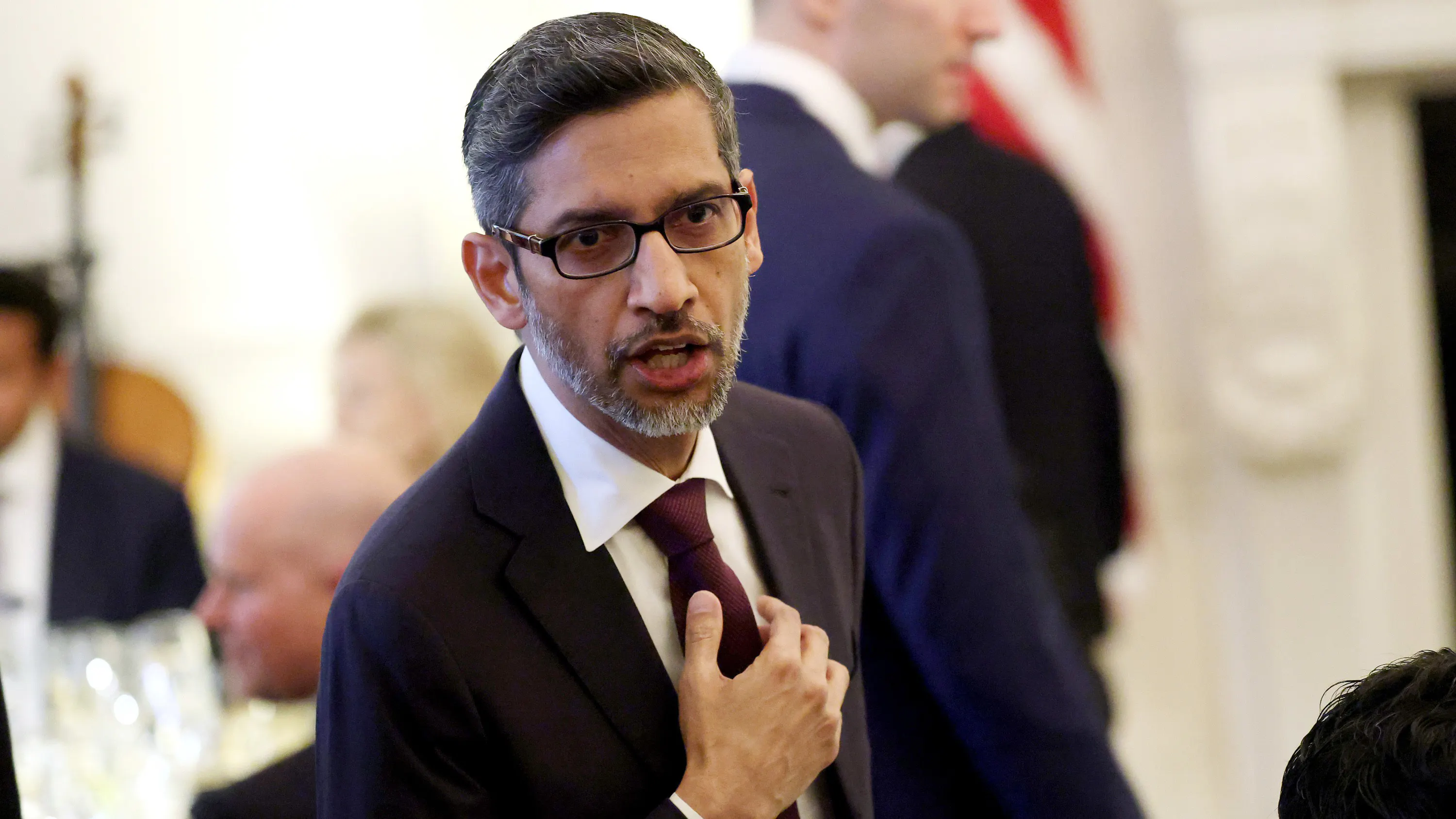
Pentagon AI partnerships with Google, OpenAI, and xAI represent a critical inflection point for e-commerce sellers, as defense-funded AI research accelerates commercial technology adoption cycles. Google's April 2026 classified deal—the third major Pentagon partnership after OpenAI and Elon Musk's xAI—signals intensifying competition among AI firms to secure government contracts worth billions in R&D funding. While 600+ Google employees signed petitions opposing military applications (News 2), and Anthropic refused Pentagon terms leading to litigation with Secretary Pete Hegseth (News 3), the deals proceed with contractual safeguards explicitly excluding domestic mass surveillance and autonomous weapons systems.
For cross-border e-commerce sellers, this matters because defense-funded AI research historically transitions to commercial applications within 18-36 months. The Pentagon's accelerated push to embed AI across operations (News 1) funds advanced research in fraud detection, supply chain optimization, and predictive analytics—technologies that directly benefit e-commerce platforms. Google's existing AI tools already power Amazon Seller Central's fraud detection and Shopify's inventory forecasting; Pentagon funding accelerates these capabilities. Sellers using Google Cloud, AWS, or Azure benefit from spillover innovations in anomaly detection (reducing chargebacks 15-25%), demand forecasting (improving inventory turns 8-12%), and customer behavior analysis (lifting conversion rates 5-8%).
The competitive divergence is strategically significant: Google, OpenAI, and xAI embrace Pentagon partnerships with contractual guardrails, while Anthropic maintains principled opposition. This creates a two-tier AI market where defense-backed companies (Google, OpenAI) invest heavily in commercial AI features, while ethics-focused competitors (Anthropic) may lag in feature velocity. Sellers relying on Google Ads, Amazon A9 search, or Shopify's AI tools gain access to faster-improving algorithms. The Pentagon's $2B+ annual AI spending (estimated across all vendors) funds research that trickles into e-commerce within quarters—fraud detection models trained on military datasets, supply chain optimization algorithms, and predictive analytics that sellers can't build independently.
Immediate seller implications: Platform feature velocity accelerates, creating competitive advantages for early adopters. Sellers using Google Merchant Center, Amazon Seller Central, or Shopify Plus gain access to Pentagon-funded AI innovations faster than competitors. The classified nature of deals (News 1) means specific technical details remain undisclosed, but historical patterns show defense AI research in computer vision, natural language processing, and anomaly detection becomes commercial within 12-24 months. Sellers should monitor platform release notes for new AI-powered features in fraud prevention, dynamic pricing, and demand forecasting—these will increasingly reflect Pentagon-funded research.
Questions 8
How do Pentagon AI partnerships affect e-commerce sellers' access to fraud detection tools?
Pentagon-funded AI research accelerates fraud detection innovation that flows into commercial platforms within 12-24 months. Google's classified Pentagon deal (April 2026) funds advanced anomaly detection and pattern recognition research that improves Amazon Seller Central and Shopify's fraud prevention capabilities. Sellers using these platforms benefit from military-grade AI models trained on massive datasets, reducing chargeback rates 15-25% and false-positive fraud flags 8-12%. The spillover effect means sellers gain access to sophisticated fraud detection without building proprietary systems—a competitive advantage worth $5,000-15,000 annually for mid-size sellers processing 500+ orders monthly.
Why did Anthropic refuse the Pentagon contract while Google and OpenAI accepted?
Anthropic demanded restrictions on classified military applications and refused Pentagon terms, leading to litigation with Secretary Pete Hegseth (News 3). Google and OpenAI accepted Pentagon partnerships with contractual safeguards explicitly excluding domestic mass surveillance and autonomous weapons. This divergence reflects different corporate philosophies: Anthropic prioritizes ethical AI governance, while Google and OpenAI balance ethics with commercial opportunity. For sellers, this matters because Google and OpenAI will likely develop faster-improving AI features due to Pentagon R&D funding, while Anthropic may lag in feature velocity. Sellers should monitor which AI vendors power their platforms—Google-backed tools will improve faster than Anthropic-backed alternatives.