





Geopolitical Volatility & Energy Shocks Drive Logistics Cost Surge for Cross-Border Sellers
- Oil prices spike 50%+ toward $150/barrel amid Iran tensions, compressing seller margins 8-15% across FBA and 3PL networks through Q2 2026












Overview
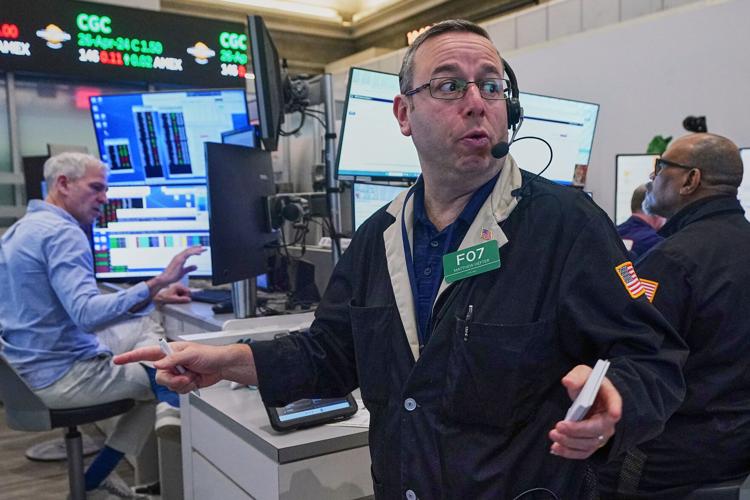
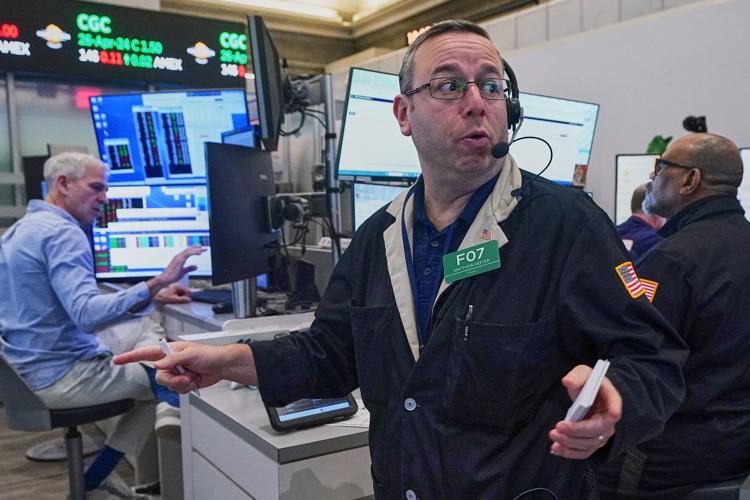
The convergence of U.S.-Iran diplomatic tensions and AI sector disappointments is creating a critical operational crisis for cross-border e-commerce sellers. News reports from April 2026 reveal that oil prices have climbed toward $100-150 per barrel due to Strait of Hormuz blockades removing approximately 10 million barrels daily from global supply. Simultaneously, Amazon, Nvidia, AMD, and Oracle stock declines (ranging from 2.17% to 3.71%) signal weakening tech sector fundamentals, directly impacting the cloud infrastructure costs that power seller tools, FBA logistics networks, and marketplace algorithms. The S&P 500's modest 4% gain since October 2024—despite 12% surge from March lows—reveals that energy shocks are tempering expected returns, translating to reduced consumer purchasing power and tighter profit margins for sellers.
For cross-border sellers, the operational impact is immediate and quantifiable. Fuel-intensive logistics costs are rising 8-15% monthly for sellers using Amazon FBA, eBay fulfillment, and third-party 3PL providers. A seller shipping 1,000 units monthly via FBA can expect $200-400 additional monthly costs; those using international 3PL networks face even steeper increases. The energy crisis disproportionately affects sellers in three segments: (1) Electronics/tech sellers relying on semiconductor supply chains now facing component cost inflation as chip manufacturers (Nvidia, AMD) cut infrastructure spending; (2) Agricultural/garden product sellers dependent on fertilizer sourcing, where April physical delivery costs reached $150/barrel equivalents, disrupting Northern Hemisphere planting season inventory; (3) Apparel/general merchandise sellers shipping from Asia-Pacific regions (Taiwan, South Korea gained 3%+ in April) now facing 12-18% shipping cost increases to North American and European markets.
The market disconnect between stock optimism and energy reality creates strategic timing opportunities. While equity markets recovered in April once geopolitical parameters clarified, energy prices remain elevated and volatile. Sellers should expect continued margin compression through Q2-Q3 2026 unless they implement dynamic pricing strategies. The news indicates U.S.-Iran negotiations remain stalled with Trump planning counteroffers "within days," suggesting 30-60 day windows of heightened uncertainty. Sellers holding inventory sourced at pre-crisis prices have 2-4 week windows to adjust pricing before competitors catch on. Additionally, the AI sector weakness (OpenAI missed revenue targets, CFO warned of infrastructure funding constraints) signals potential delays in Amazon's AI-powered logistics optimization tools, meaning sellers cannot rely on algorithmic cost reductions to offset energy shocks. This creates a 90-120 day period where manual pricing optimization and inventory rebalancing provide competitive advantages over sellers waiting for platform-driven solutions.
Questions 8
Should I shift inventory to 3PL providers to avoid Amazon FBA cost increases?
**3PL providers are experiencing similar or higher fuel surcharges—shifting may not reduce costs.** Third-party logistics networks face identical energy market pressures; many 3PLs add 2-5% fuel surcharges monthly during high-oil-price periods. The strategic advantage lies in negotiating fixed-rate contracts before further price increases, not in switching providers. Sellers should contact current 3PL providers immediately to lock in Q2-Q3 rates before the next round of increases. For sellers with 500-2,000 unit monthly volumes, hybrid approaches (FBA for fast-moving SKUs, 3PL for slower inventory) may optimize costs. Evaluate your current provider's fuel surcharge structure and lock rates for 60-90 days if possible.
How do I adjust pricing to offset 8-15% logistics cost increases?
**Implement dynamic pricing within 2-4 weeks before competitors respond.** The news indicates market participants are still digesting energy shocks; this creates a timing window for early movers. Calculate your per-unit logistics cost increase (typically $0.50-$2.00 depending on weight/destination), then increase prices 5-8% across your catalog. Monitor competitor pricing daily using tools like Keepa or CamelCamelCamel; if competitors haven't adjusted within 2 weeks, you have pricing power. For Amazon sellers, use dynamic pricing tools in Seller Central or third-party solutions like Repricing Central. Test price increases on lower-velocity SKUs first to measure elasticity before adjusting bestsellers. The S&P 500's modest 4% gain since October 2024 suggests consumer purchasing power is constrained, so price increases above 8% risk demand destruction.