






Hormuz Shipping Crisis Drives 10-15% Logistics Cost Surge for Cross-Border Sellers
- Oil prices spike 40% above pre-February levels; freight rates escalate for Asia-Pacific e-commerce sellers; 4-6 month supply chain normalization window creates urgent inventory planning deadline







Overview
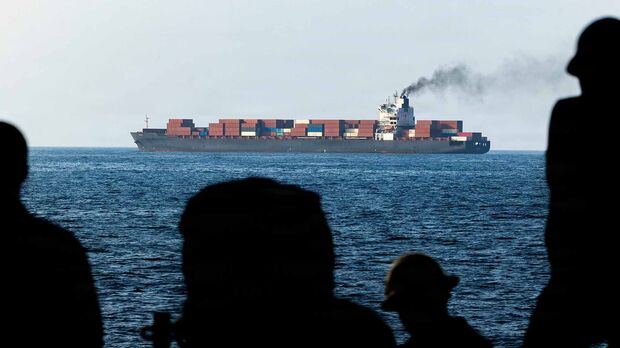
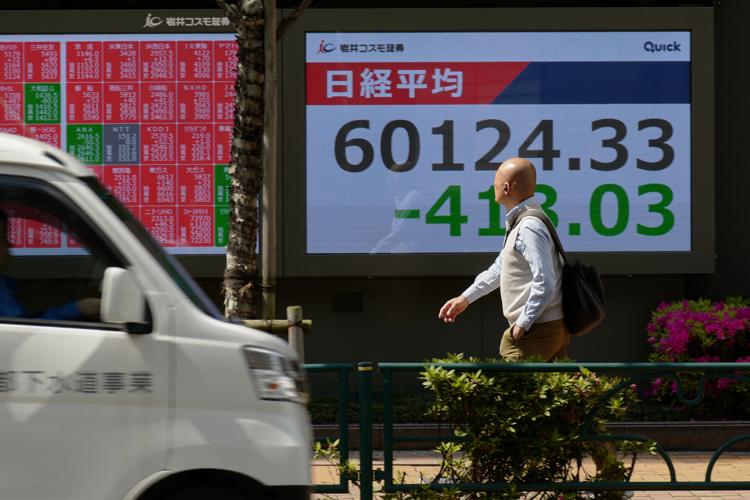
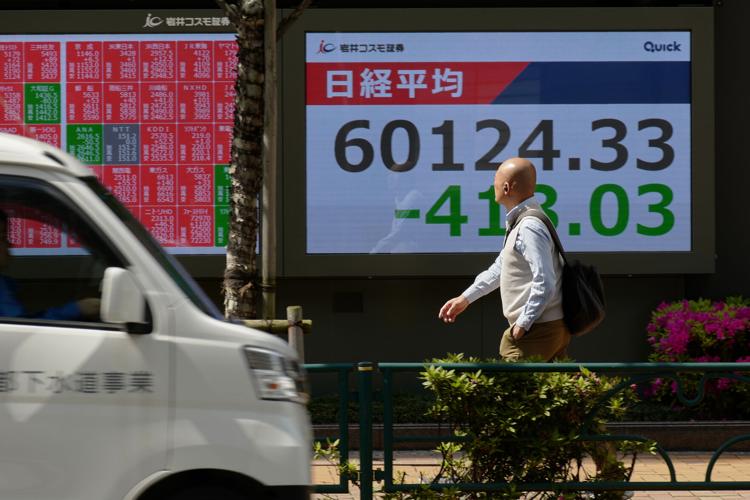
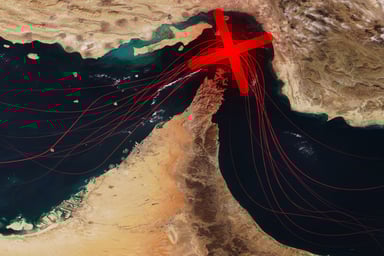
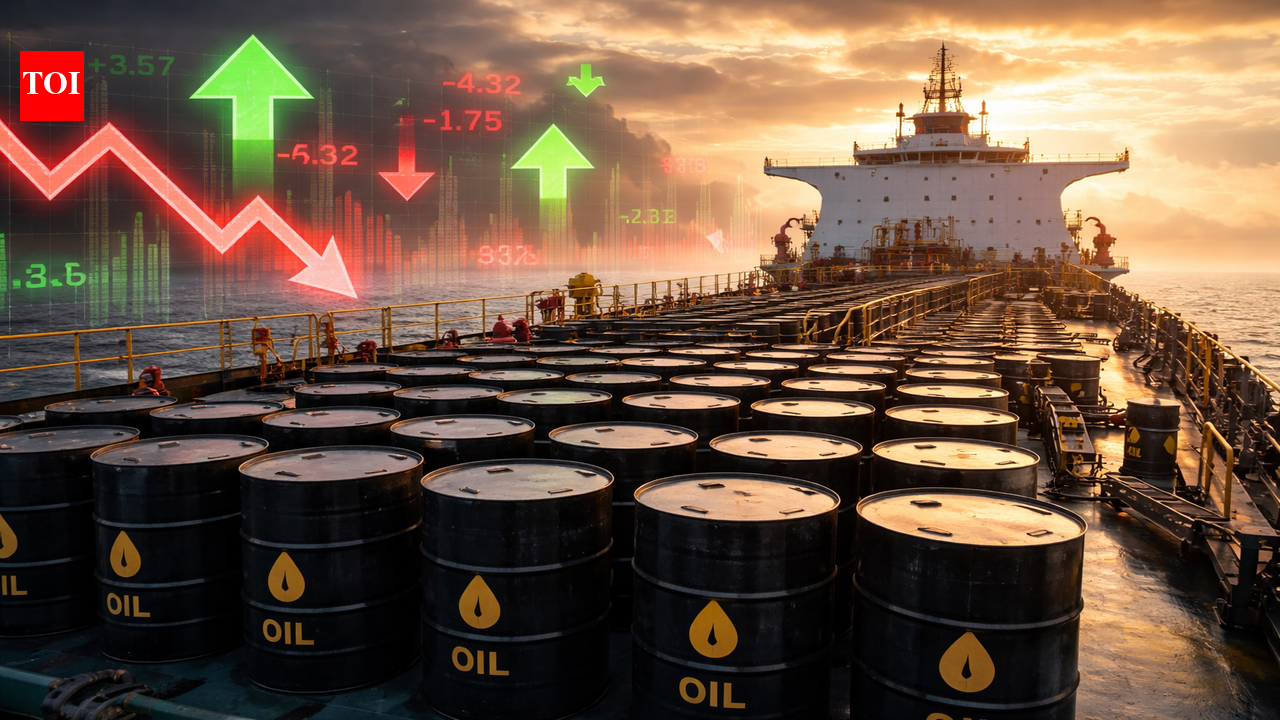
The escalating U.S.-Iran geopolitical crisis centered on the Strait of Hormuz represents a critical cost shock for cross-border e-commerce sellers. As of April 27-28, 2026, Brent crude surged to $111.09/barrel (up 2.7%) and WTI reached $98.50 (up 2.2%), with crude remaining 40% higher than pre-February levels following U.S.-Israeli strikes. The Strait of Hormuz—carrying approximately one-fifth of global oil and LNG supplies—faces severe disruptions affecting roughly 20 million barrels per day of crude, fuels, and petrochemicals. This creates an immediate operational crisis for sellers relying on international logistics.
Direct Seller Impact: Elevated oil prices directly translate to increased freight rates across all shipping corridors. Sellers shipping to or from Asia-Pacific markets face 10-15% logistics cost increases, according to industry analysis. Air freight and expedited shipping become prohibitively expensive, forcing sellers to extend lead times and increase working capital requirements for inventory replenishment. Sellers using 3PL providers and fulfillment networks experience margin compression as fuel surcharges escalate on every shipment. Small to mid-sized sellers (those shipping 500-2,000 units monthly) face $200-400 monthly cost increases, while high-volume sellers (5,000+ units) could see $1,000-2,500 monthly surcharges.
Critical Timeline Window: Andy Lipow, president of Lipow Oil Associates, emphasized that even if hostilities ended immediately, market normalization would require 4-6 months due to mine clearance, tanker congestion relief, and gradual production restart. This extended timeline means sellers cannot expect relief until late summer/early fall 2026. Without new negotiations, WTI crude is projected to drift toward $100, with Brent Crude exceeding $110. The Trump administration's condition that sanctions relief only comes once a deal is "100% complete" creates uncertainty—each failed negotiation round (as evidenced by April 28 deadlock) triggers fresh price spikes.
Strategic Sourcing Implications: The crisis accelerates sourcing diversification away from Asia-Pacific manufacturing. Sellers should evaluate nearshoring opportunities to Mexico, Central America, or Eastern Europe to reduce shipping distances and fuel-cost exposure. Categories most vulnerable include electronics, apparel, and home goods with high weight-to-value ratios. Sellers should immediately audit inventory positions and consider shifting 20-30% of stock to regional 3PL providers closer to end markets to minimize long-haul freight exposure.
Questions 8
What is the geopolitical risk premium and how does it affect oil prices?
The geopolitical risk premium is the additional cost added to oil prices due to uncertainty and conflict risk. The Hormuz crisis represents the sixth consecutive positive trading session for oil prices, reflecting sustained geopolitical risk premium as global inventories approach critical operating levels. If the conflict ended tomorrow, crude oil prices would drop approximately $10 per barrel, according to industry analysis. This $10/barrel swing translates to 2-3% shipping cost changes for sellers. The uncertainty surrounding Trump's willingness to negotiate keeps markets volatile—each failed negotiation round (like the April 28 deadlock) triggers fresh price spikes. Sellers should monitor Trump administration announcements as potential catalysts for cost relief.
How can sellers calculate their specific shipping cost increase from the Hormuz crisis?
Calculate impact by multiplying your monthly shipping volume (units) by average weight per unit, then by current fuel surcharge percentage (typically 5-15% of base freight rate). For example, a seller shipping 1,000 units monthly at 2 lbs each (2,000 lbs total) with a $0.50/lb base rate ($1,000 monthly) faces a $100-150 monthly increase at 10-15% surcharge. Cross-reference your 3PL provider's fuel surcharge policy or Amazon Seller Central's fulfillment fee breakdown to identify exact percentages. High-volume sellers should request detailed fuel surcharge reports from logistics partners. The Strait of Hormuz disruption affects roughly 20 million barrels per day, creating sustained pressure on all fuel-dependent logistics through at least late summer 2026.