




NFL's Mental Resilience Playbook: Joe Burrow's Struggle with Performance and Passion
- Professional Athletes Navigate Career Challenges Through Psychological Adaptation and Personal Motivation



.jpg)












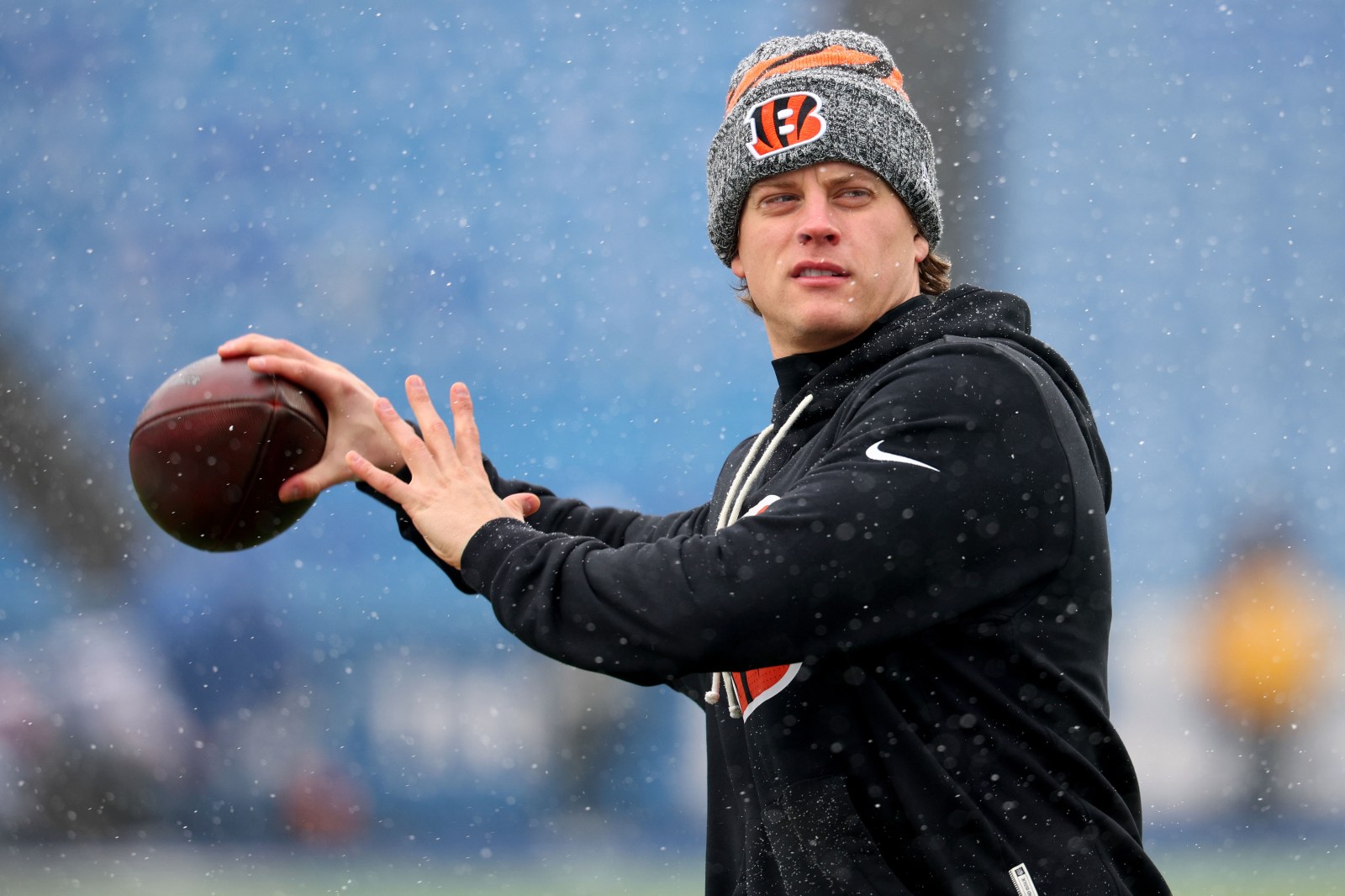











Overview
Professional sports performance is increasingly becoming a complex psychological battlefield where mental resilience determines long-term success. The case of Joe Burrow, quarterback for the Cincinnati Bengals, exemplifies a critical emerging trend in athletic career management—maintaining psychological momentum amid persistent physical challenges.
Injury and Performance Dynamics reveal a nuanced narrative of professional adaptation. Burrow's 2025 season highlights the delicate balance between physical capability and mental engagement. Despite being sidelined for significant portions of the season due to a toe injury, he has maintained a relatively impressive performance, completing 59.3% of his passes and scoring eight touchdowns against just two interceptions. This statistic underscores a profound insight: psychological commitment can transcend physical limitations.
The quarterback's candid statement—"If I want to keep doing this, I have to have fun doing this"—represents more than a personal mantra; it signals a broader shift in professional athlete mindset. Career sustainability is no longer just about physical prowess but about maintaining intrinsic motivation and psychological well-being. Burrow's third consecutive year of significant injury challenges, including a torn ACL in his rookie year and a season-ending wrist injury in 2023, has forced him to develop a proactive approach to managing professional pressures.
The Bengals' current 4-9 record, with a 3-1 performance in games Burrow has played, further emphasizes the critical role of individual psychological resilience in team dynamics. His ability to maintain effectiveness despite repeated setbacks suggests a strategic approach to professional challenges that extends beyond traditional athletic training models.
This narrative reveals a critical evolution in professional sports: athletes are increasingly viewed as holistic performers whose mental strategies are as important as their physical skills. For Burrow, "having fun" is not a casual statement but a sophisticated performance management technique—a deliberate strategy to maintain peak psychological engagement in a high-pressure environment.
Questions 3
How do repeated injuries impact an athlete's psychological approach to their profession?
Repeated injuries can potentially lead to decreased confidence and motivation. However, in Burrow's case, they have prompted a proactive psychological adaptation strategy focused on maintaining passion and enjoyment. This approach helps athletes reframe challenges as opportunities for personal growth and continued professional development.
What are the broader implications of Burrow's mental resilience strategy for professional athletes?
His approach signals a paradigm shift in athletic performance management, where psychological well-being is recognized as crucial as physical training. Athletes are increasingly adopting holistic strategies that integrate mental health, personal motivation, and professional effectiveness to extend their career longevity and maintain peak performance.