



Apple's 12-Month Installment Subscriptions Reshape App Monetization | May 2026 Launch
- Reduces subscription friction with monthly payments on annual discounts; excludes US/Singapore initially; enables 15-25% conversion rate improvements for developers

























Overview
Apple's new App Store subscription model, launching May 2026 with iOS 26.5, fundamentally restructures how developers monetize recurring revenue. The feature allows developers to offer annual subscription discounts spread across 12 monthly installments—addressing the primary barrier to subscription adoption: upfront payment friction. For example, a $99 annual service becomes $8.25/month (vs. standard $10/month), creating psychological pricing advantages while locking users into 12-month commitments. This directly impacts the broader e-commerce subscription economy, which generated $18.2B in US app revenue during 2024, with subscription-based apps representing 42% of total App Store downloads.
The monetization opportunity is substantial for subscription-based sellers and app developers. By reducing payment friction, developers can capture price-sensitive users who previously avoided annual commitments. Industry data shows subscription conversion rates typically improve 15-25% when offering installment options versus lump-sum payments. The feature particularly benefits fitness apps (Apple Fitness+, Peloton), productivity tools (Adobe Creative Cloud, Microsoft 365), entertainment services (streaming apps), and educational platforms—categories representing $8.4B in annual App Store revenue. Developers maintain revenue predictability through 12-month commitments while users gain perceived value through discounted monthly rates. Apple's transparency features (payment count displays, renewal notifications, cancellation tracking) reduce churn risk and build consumer trust, critical for subscription retention where typical annual churn rates range 30-40%.
Geographic restrictions reveal regulatory complexity affecting global subscription strategies. The US exclusion stems from Epic Games litigation over App Store subscription mechanisms, while Singapore's exclusion reflects stringent consumer protection regulations. This creates a two-tier market: 150+ countries with access versus the US (Apple's largest market, representing 40% of App Store revenue) and Singapore (Asia-Pacific hub). For sellers operating subscription services, this means testing strategies in EU/APAC markets first, then adapting for eventual US rollout. The delayed US availability suggests Apple anticipates regulatory approval timelines of 6-12 months, creating a window for international sellers to establish pricing strategies and conversion benchmarks before US market entry. Payment failure handling—where unpaid balances restrict app updates and downloads—introduces collection risk requiring robust payment infrastructure and customer communication protocols.
Questions 7
What transparency features does Apple provide for subscription management?
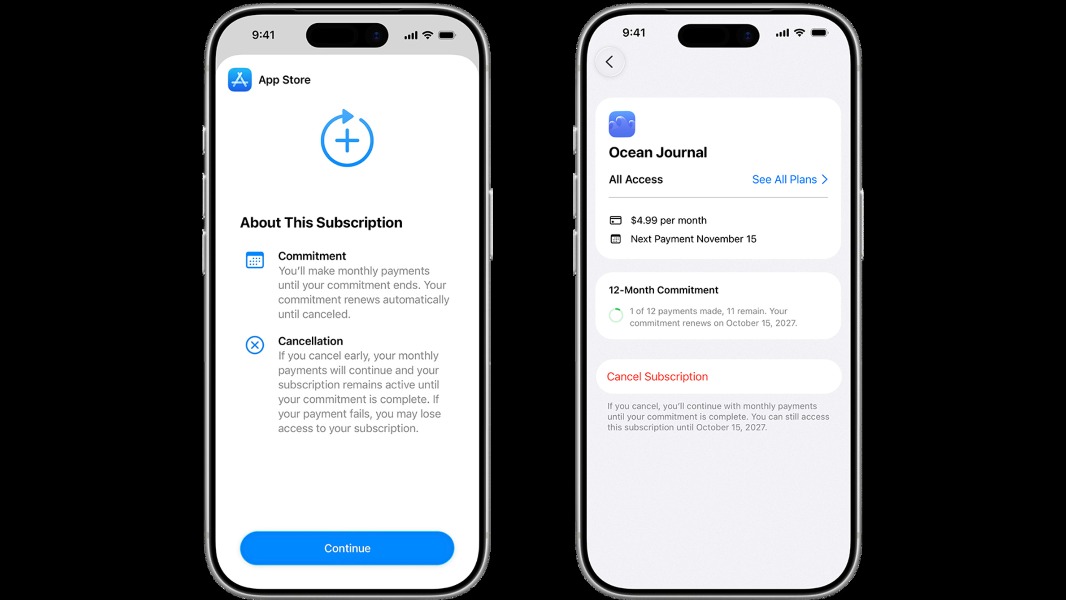
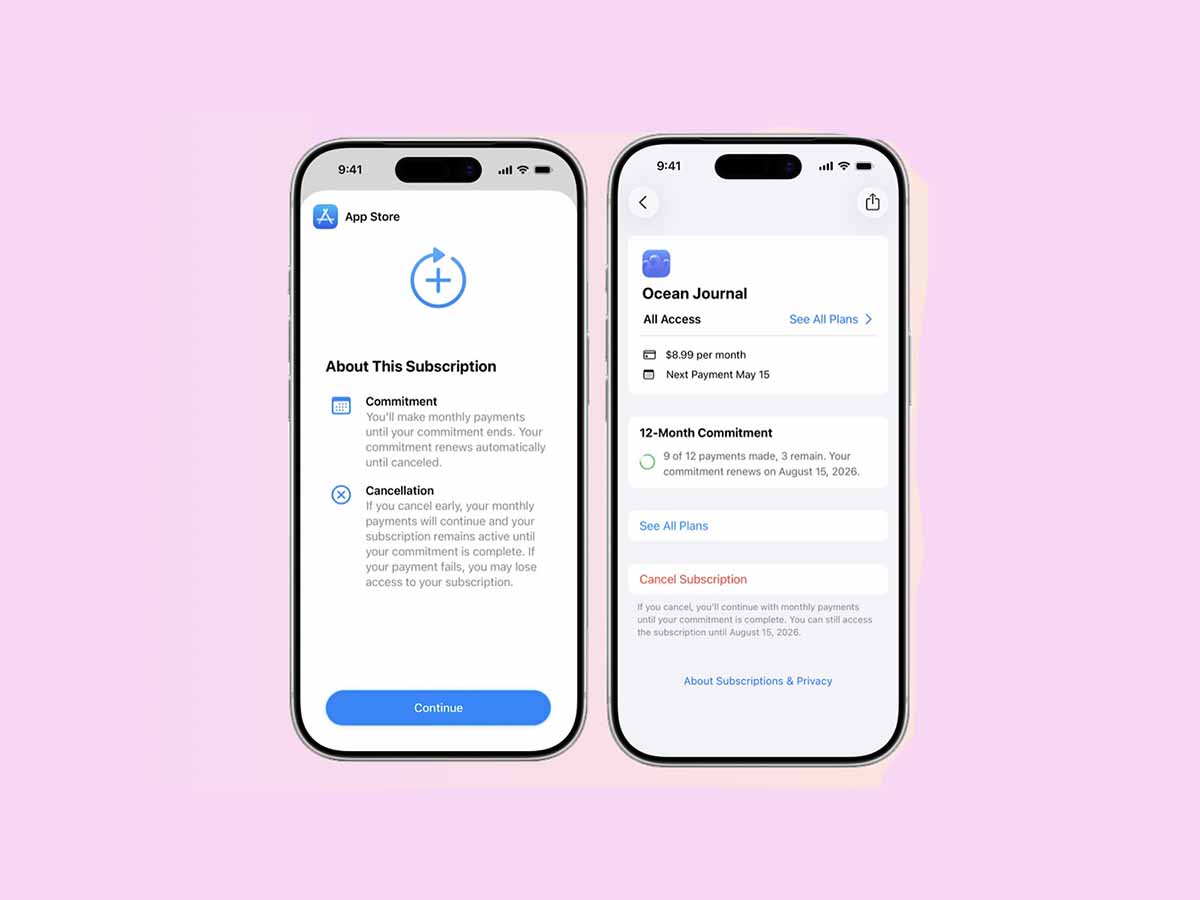
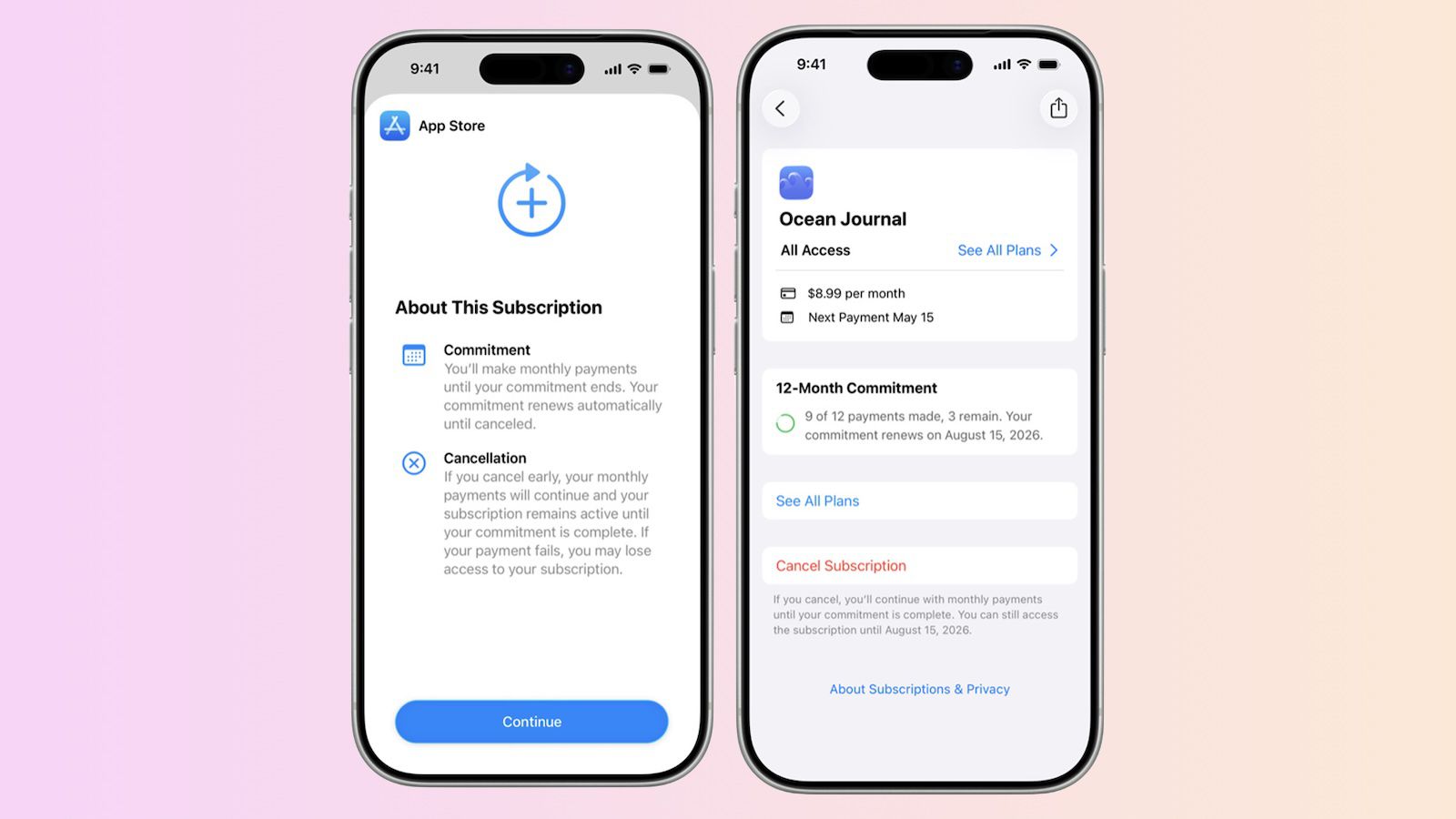
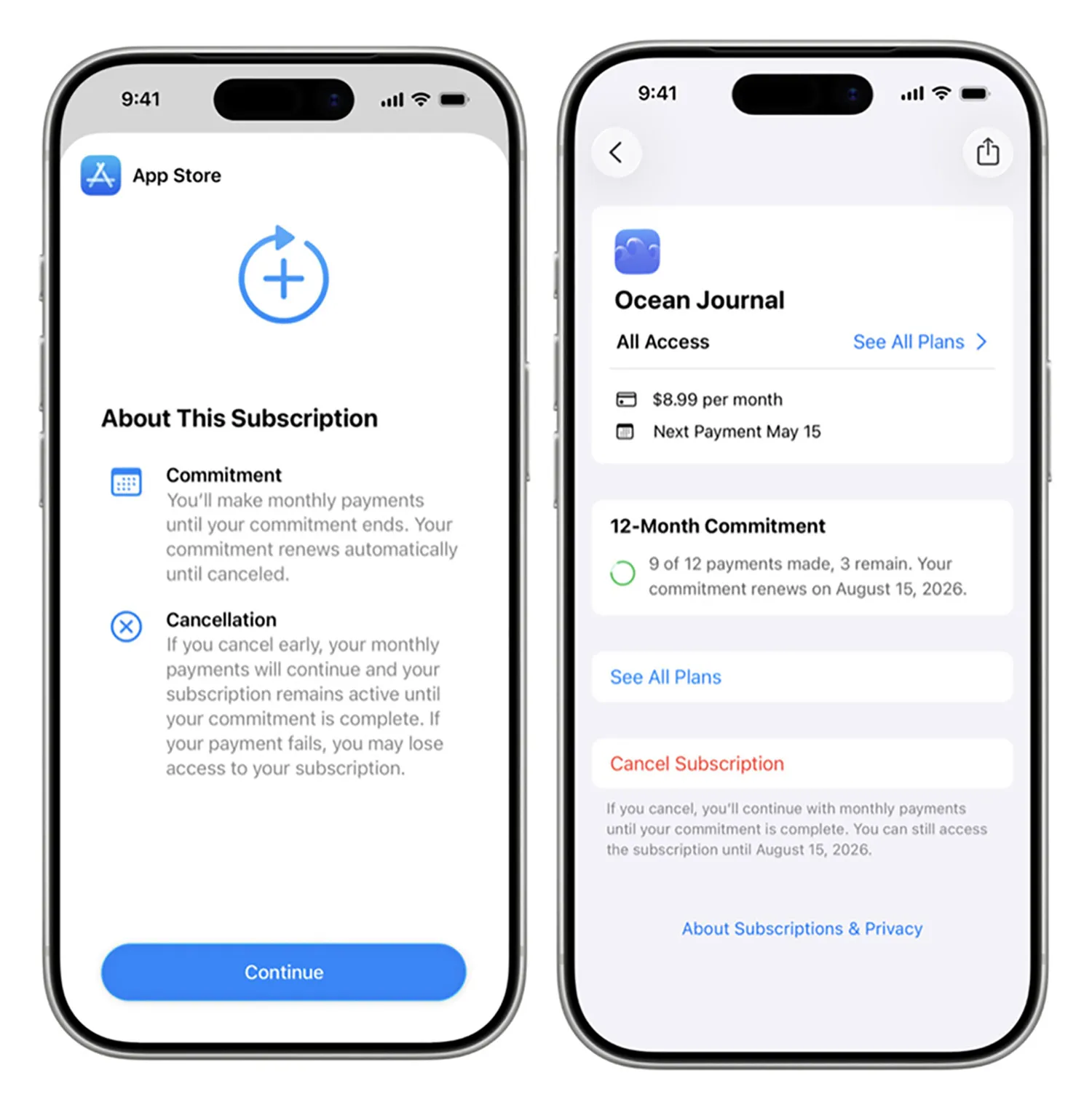
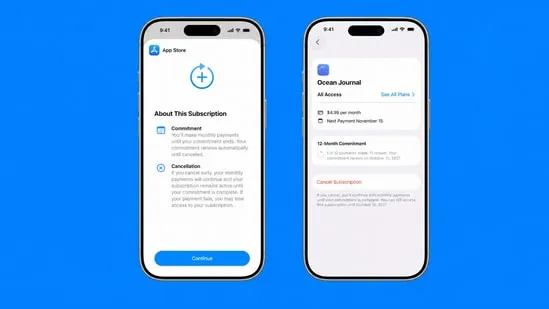
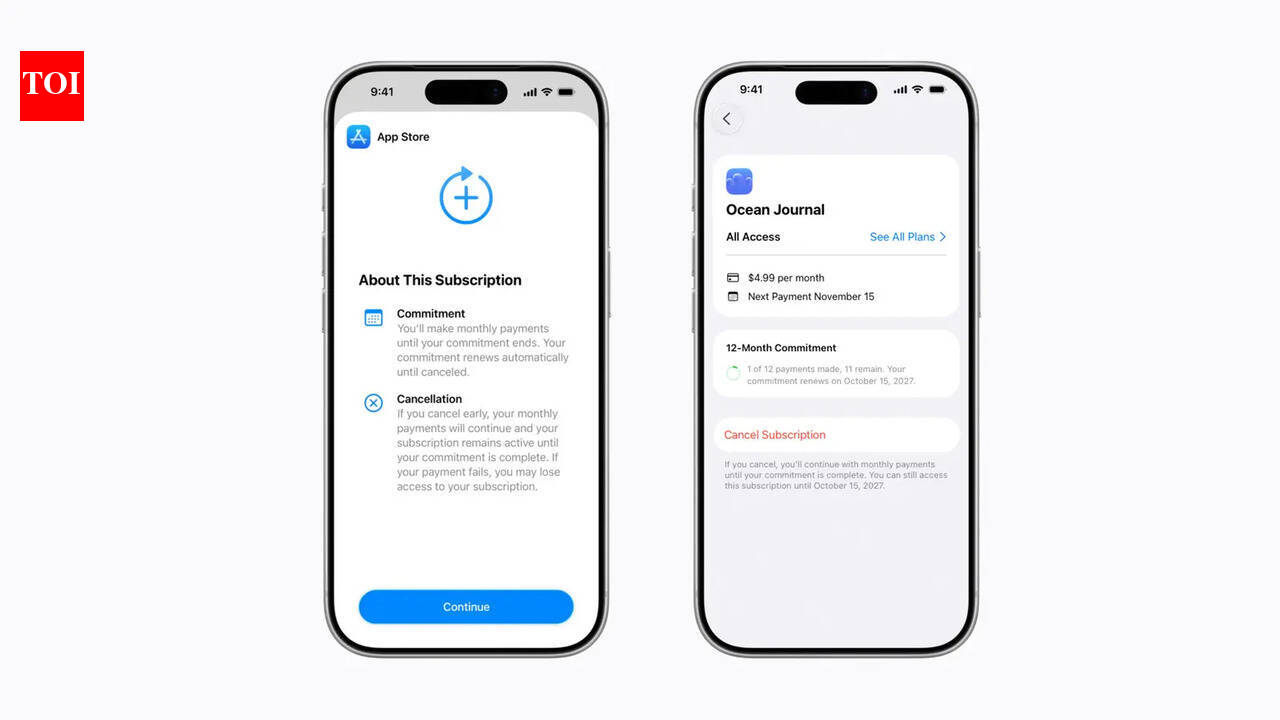
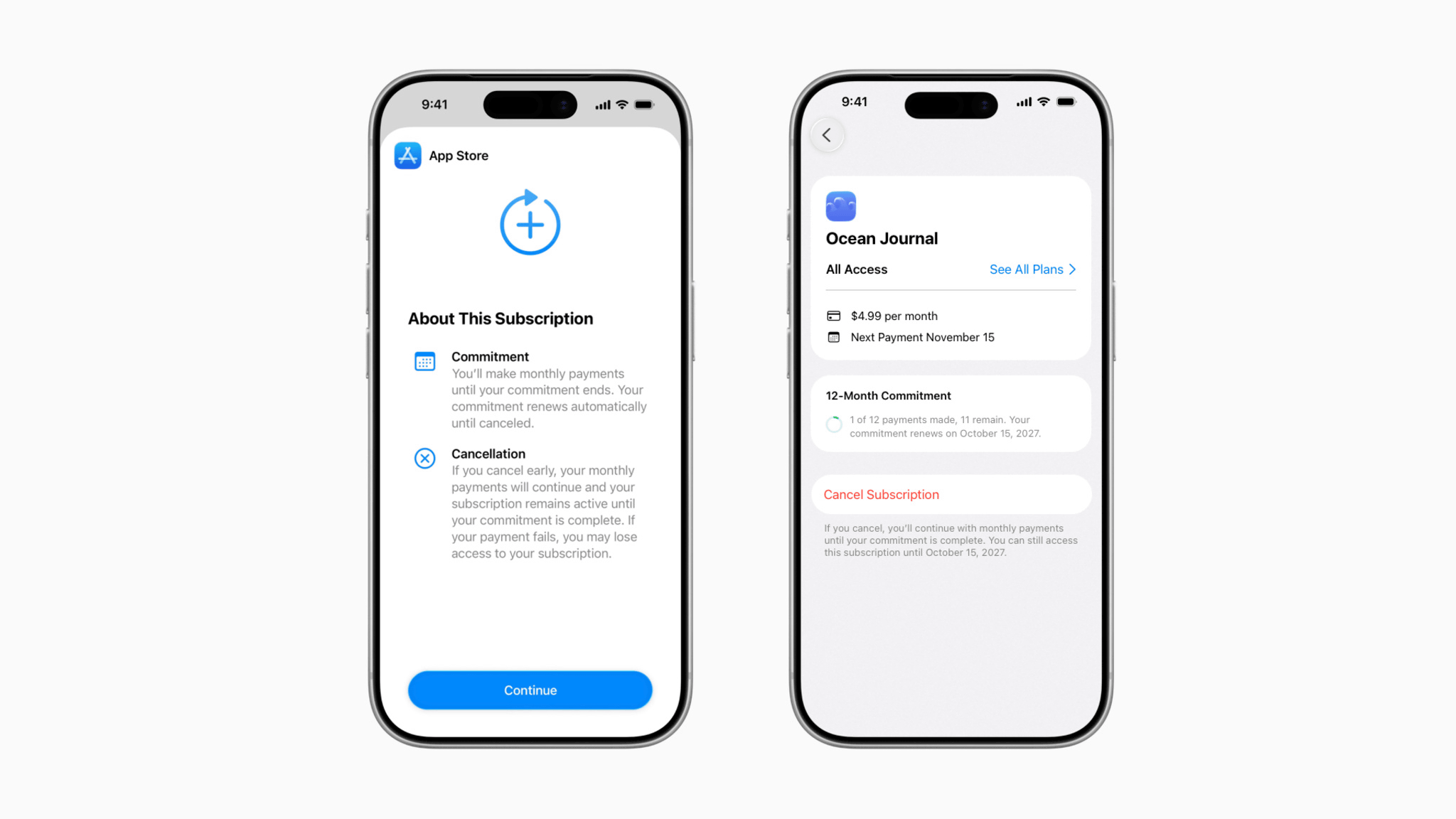
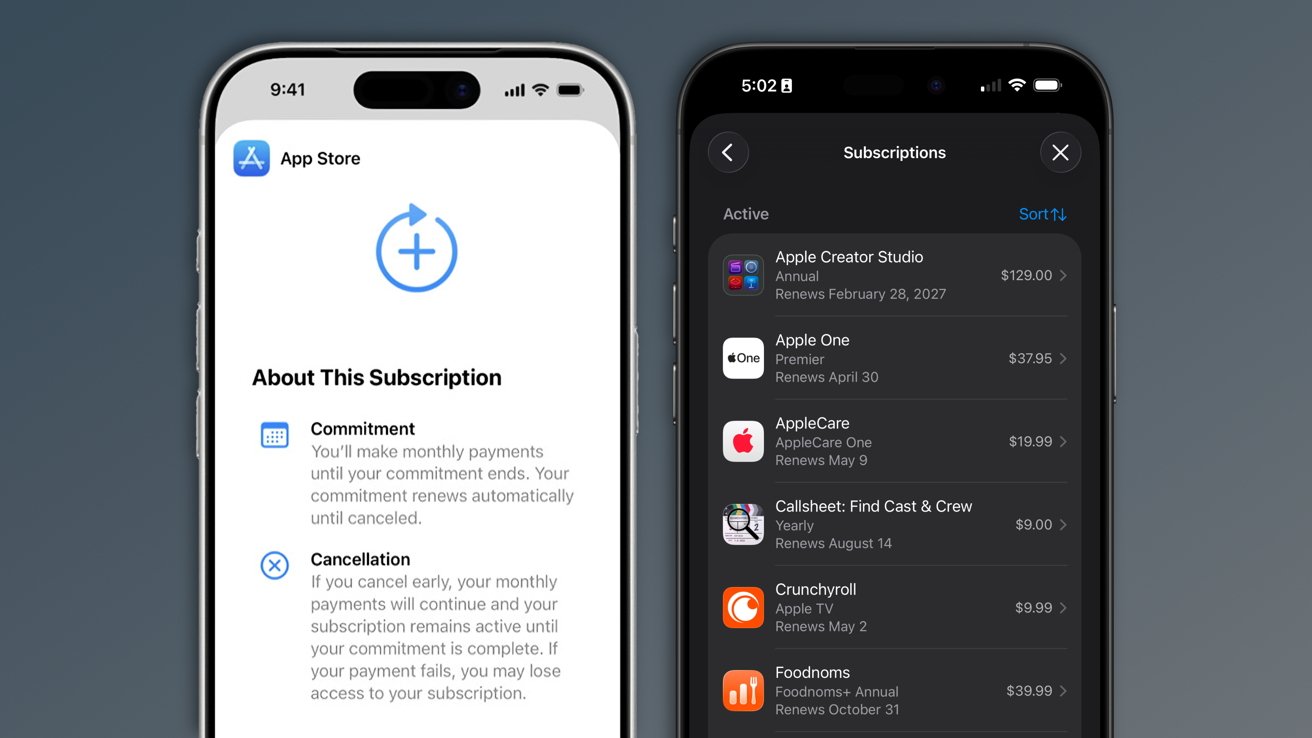
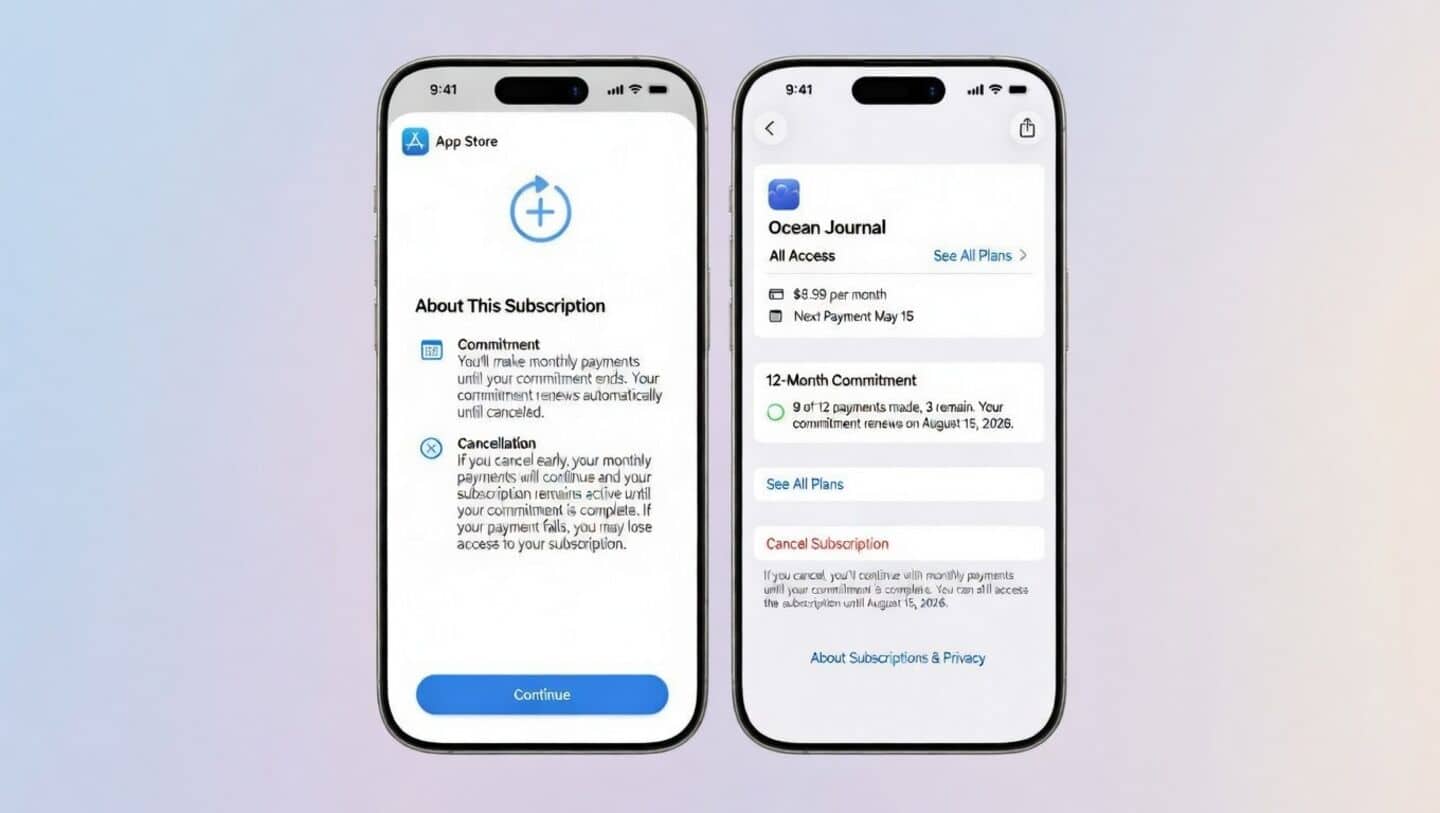
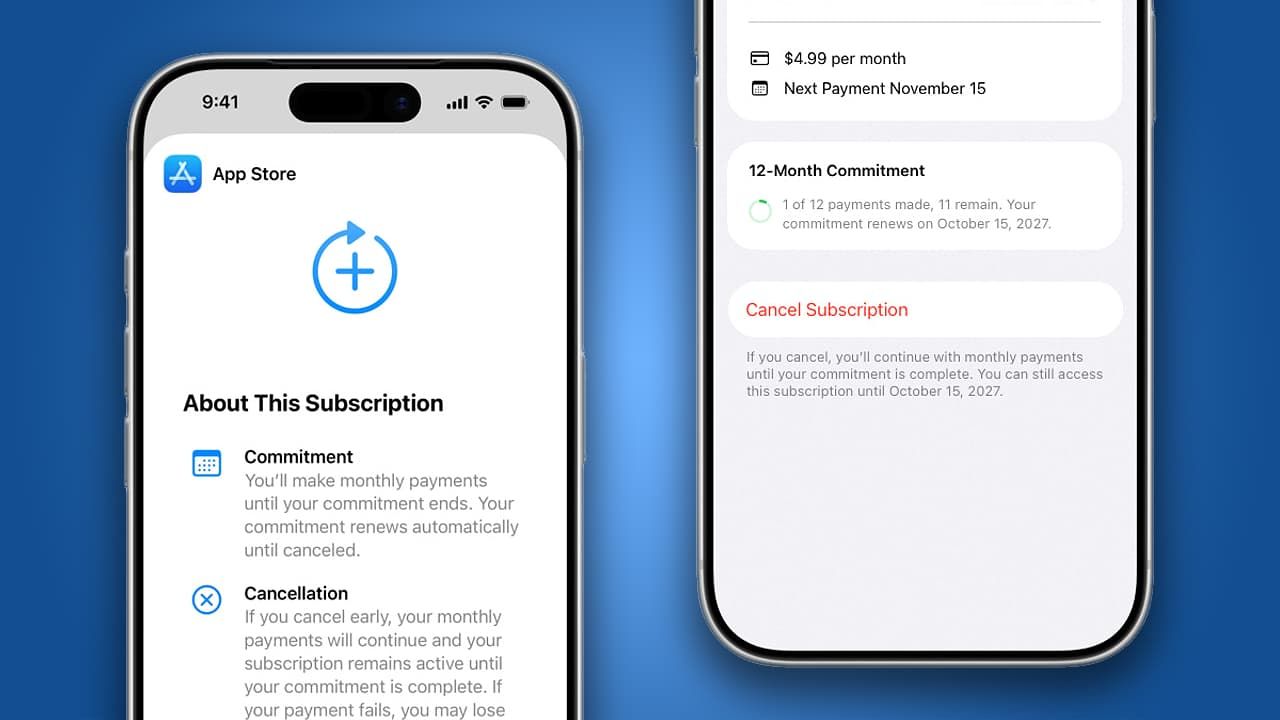
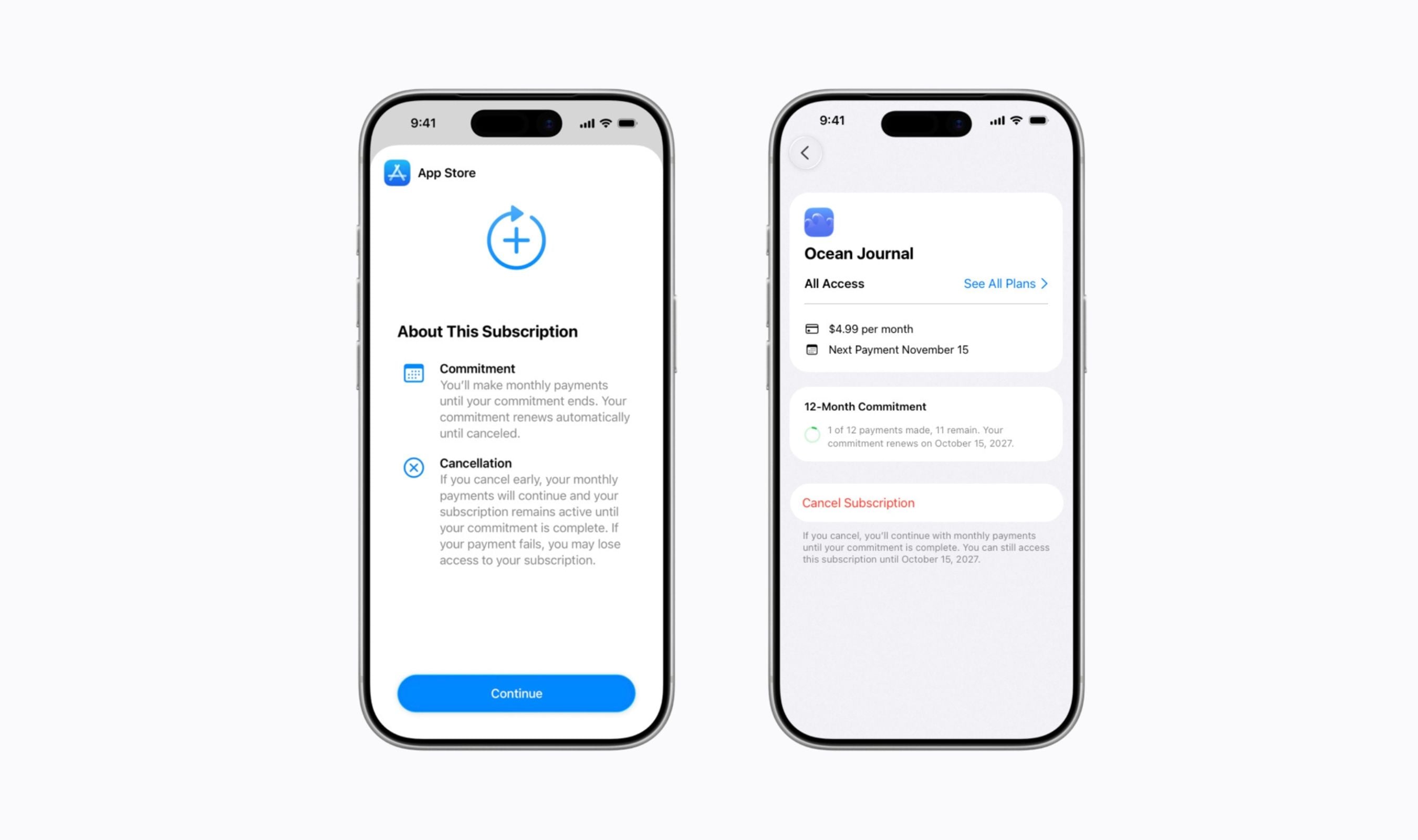
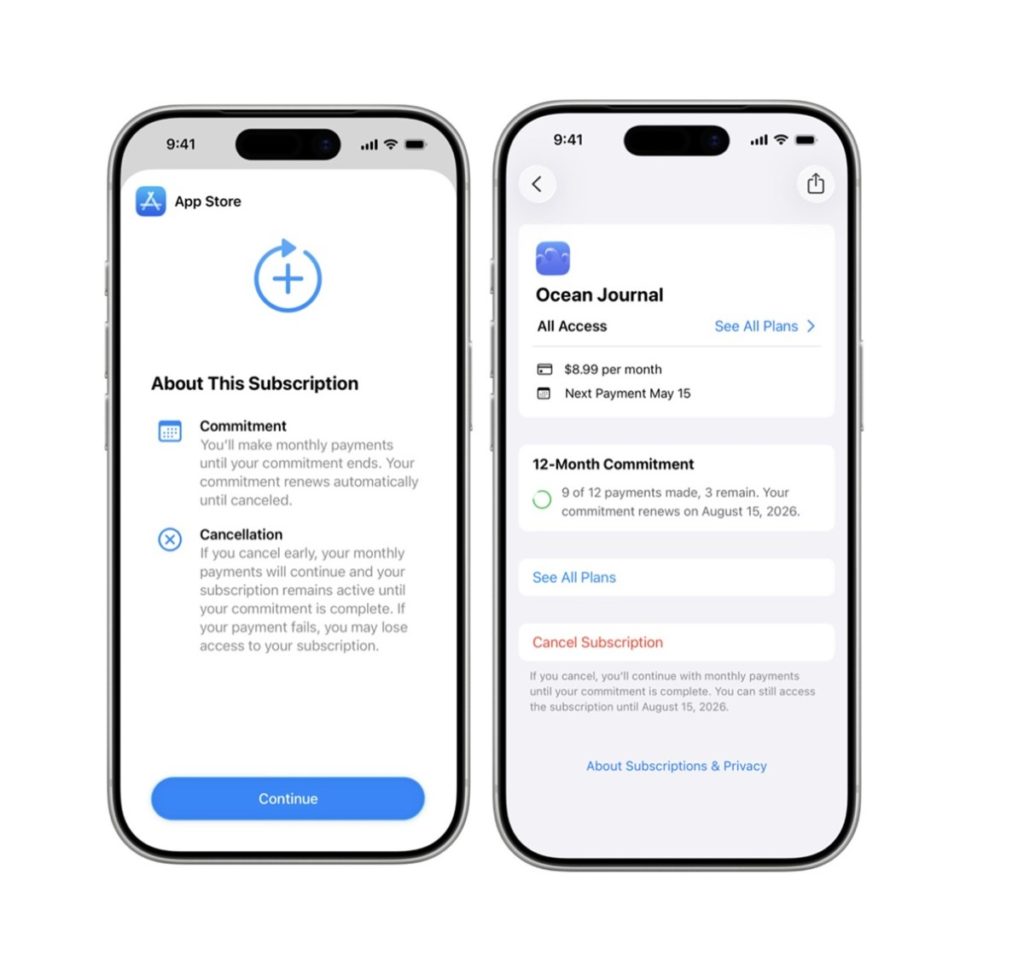
Apple's implementation includes green commitment progress indicators, monthly price displays, next payment dates, payment count tracking, and renewal information visible in Apple Account. Users receive email and push notifications before renewal dates, enabling informed cancellation decisions. Developers can view completed and remaining payment counts, supporting customer service and retention analytics. This transparency reduces churn risk by preventing surprise renewals—a primary driver of subscription cancellations and regulatory complaints. The feature requires developers to configure notification settings in App Store Connect and establish clear cancellation policies. Apple's transparency approach aligns with regulatory trends (GDPR, California Consumer Privacy Act) requiring explicit consent and easy cancellation, reducing legal risk for developers operating in regulated markets.
How does subscription fatigue impact the adoption of installment payment options?
Subscription fatigue—where consumers reduce digital service spending due to accumulated subscription costs—directly benefits installment models by reducing psychological barriers to commitment. News reports indicate subscription fatigue continues affecting consumer spending across digital services, with average US households maintaining 8-12 active subscriptions. Monthly installments address budget constraints by spreading $99 annual costs to $8.25/month, making services more accessible to price-sensitive users. Developers can segment pricing strategies to capture users who previously avoided subscriptions entirely, potentially expanding addressable market by 20-30%. The feature enables developers to offer intermediate pricing tiers between free trials and full annual commitments, addressing consumer psychology around payment friction. Early adopters in fitness, productivity, and entertainment categories should implement tiered pricing strategies immediately to capture market share before competitors.