
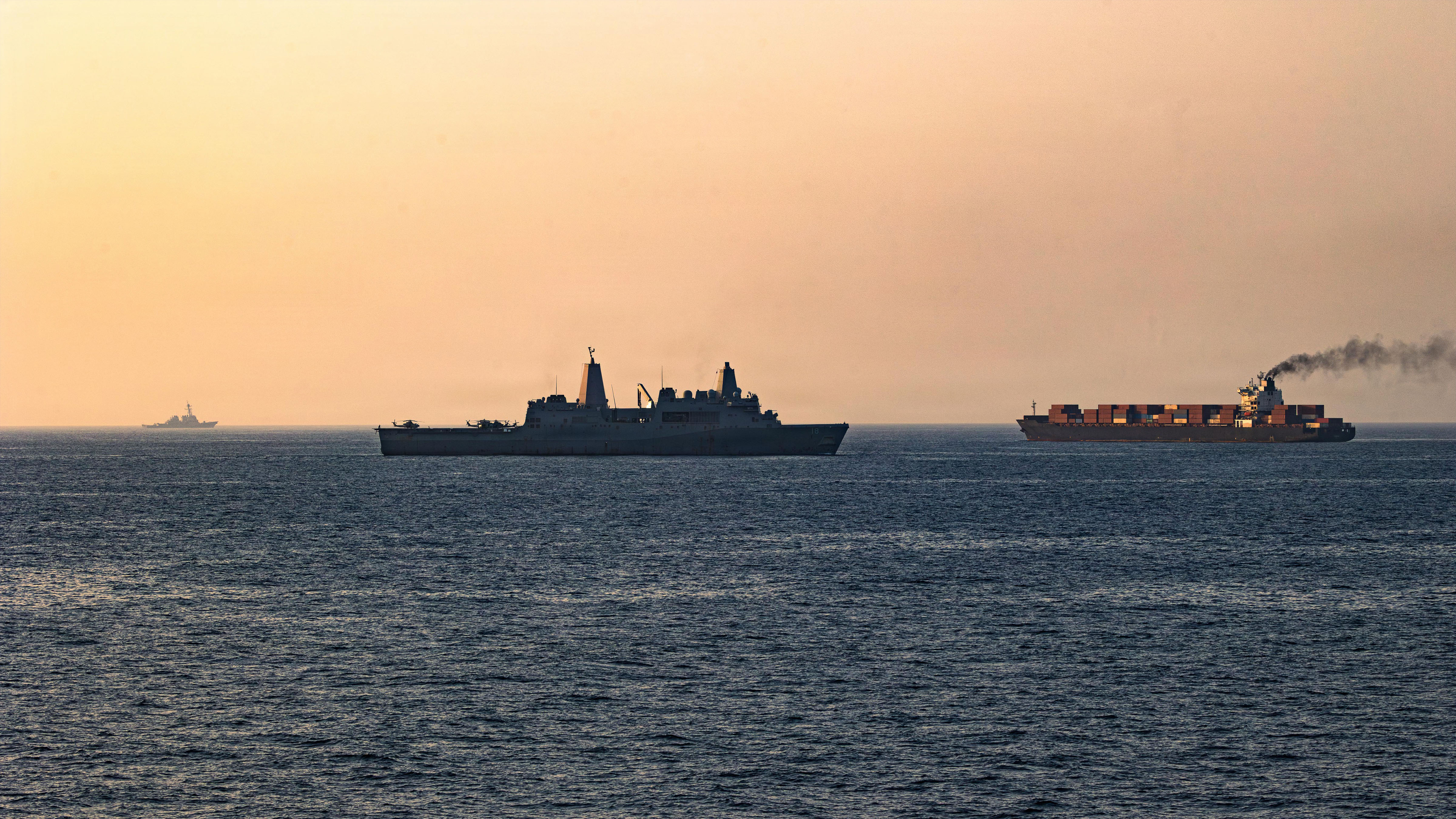

Strait of Hormuz Blockade Drives 15-25% Shipping Cost Surge for Cross-Border Sellers
- U.S.-Iran naval blockade disrupts 20-21% of global oil trade; Asian sellers face 80% oil import dependency through contested waterway; fuel surcharges and logistics rerouting increase fulfillment costs April 2026-onward








)



Overview
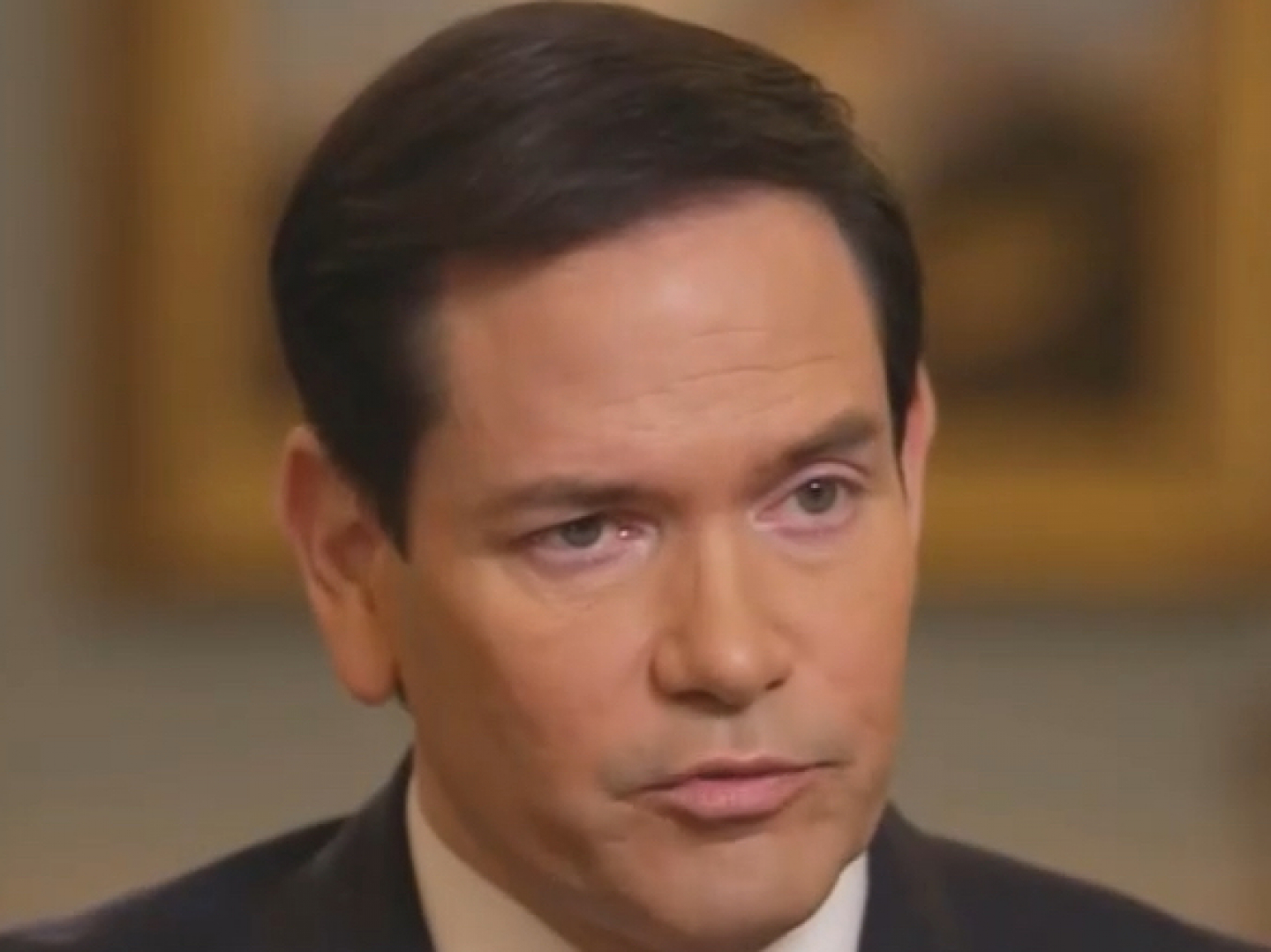
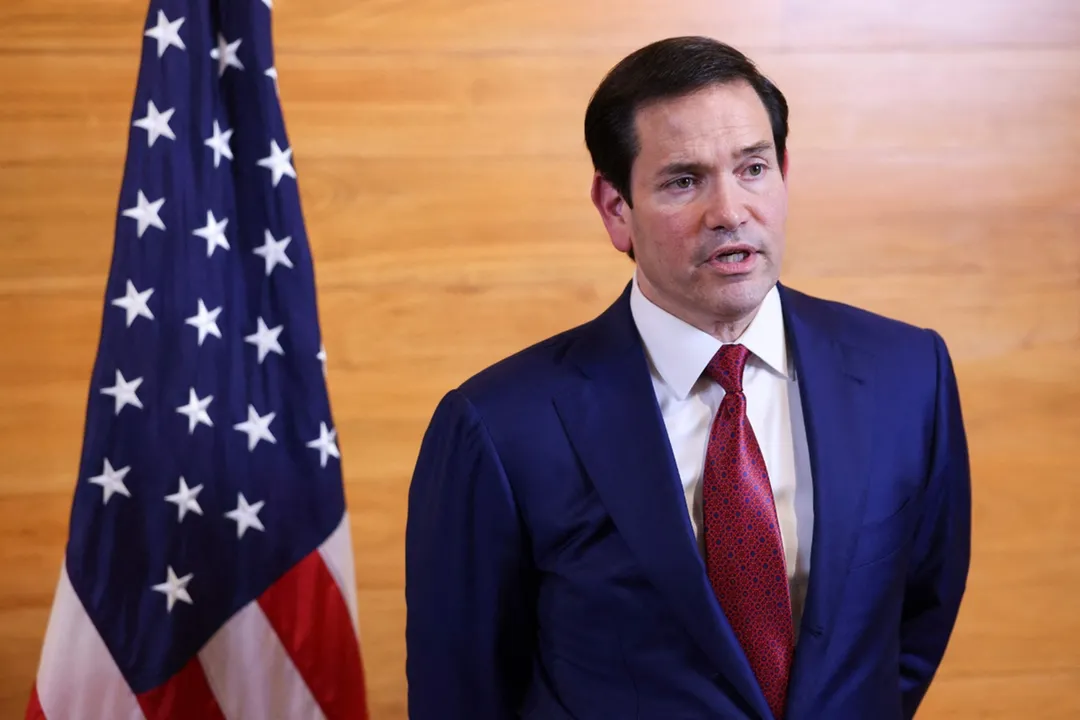
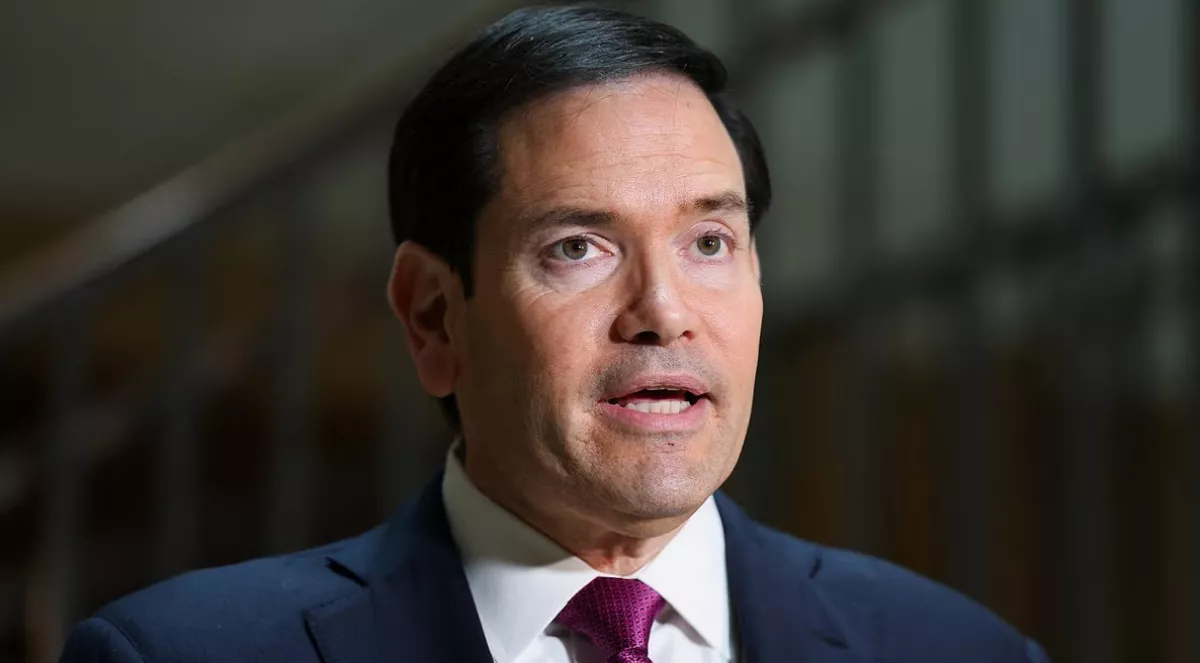
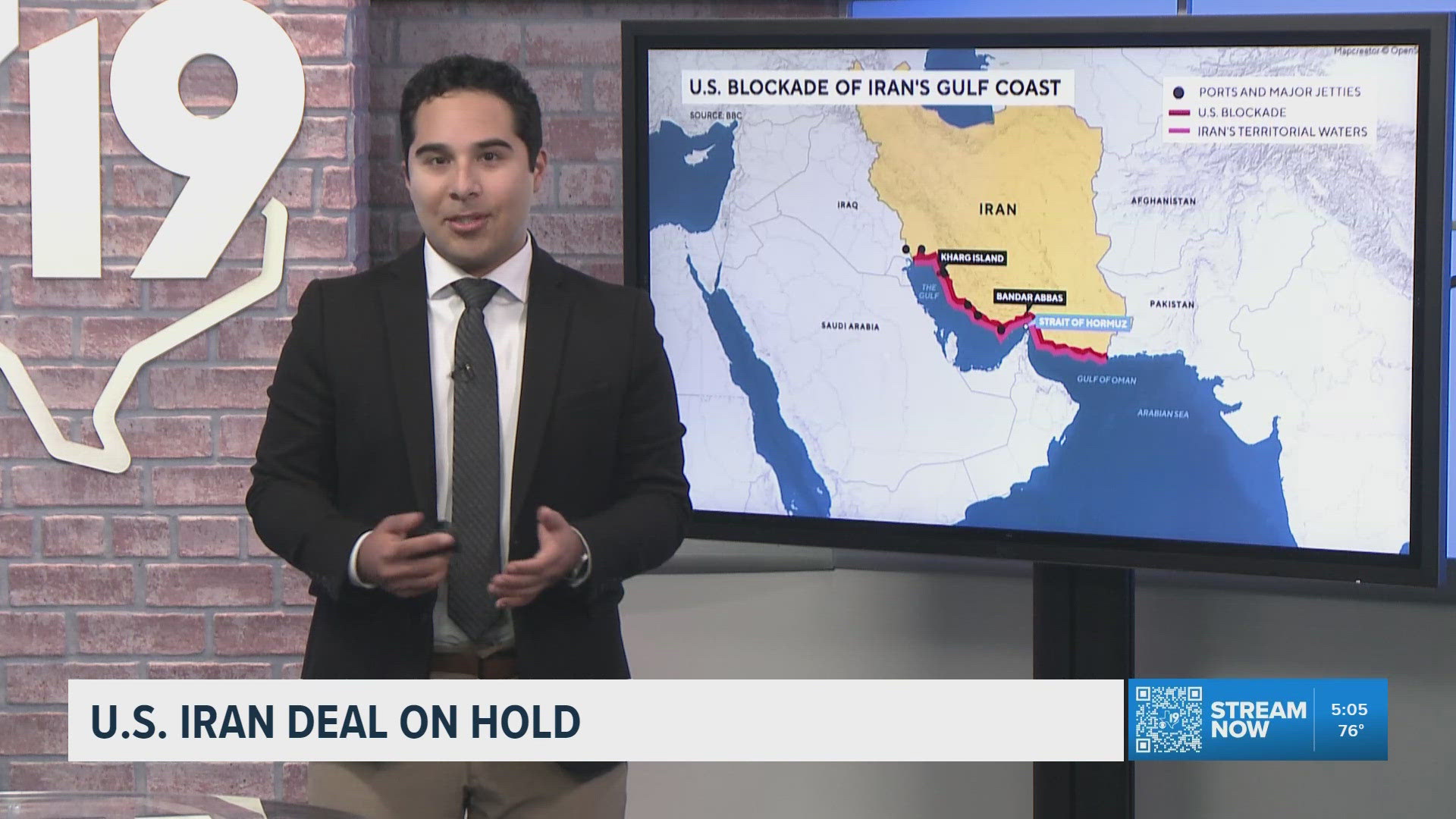
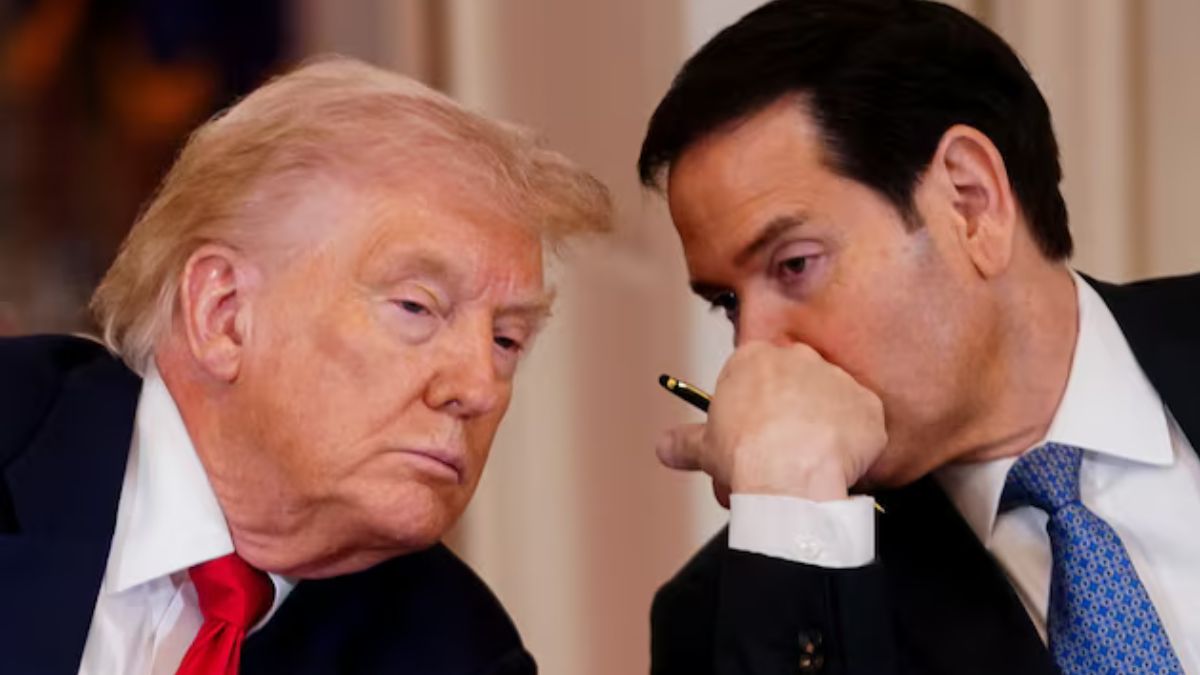
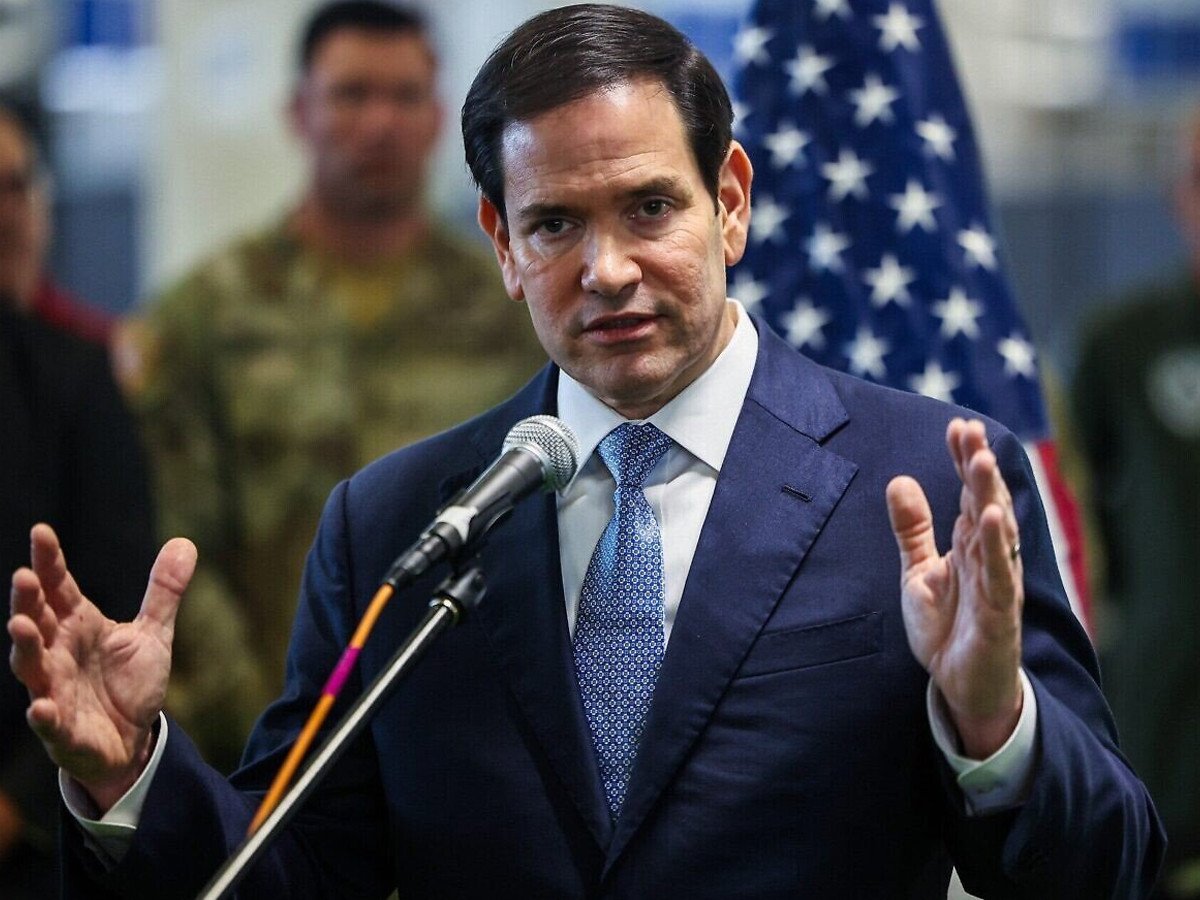
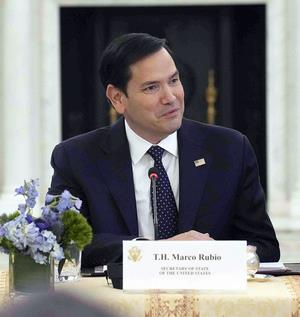
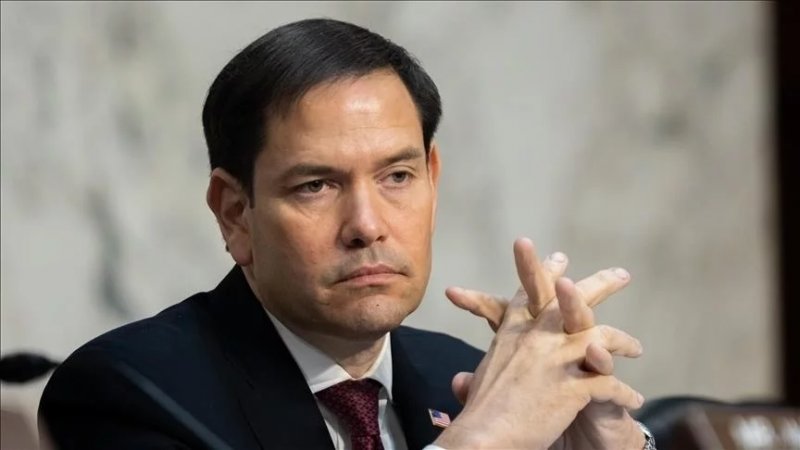
The ongoing U.S.-Iran military conflict and naval blockade of the Strait of Hormuz represents a critical supply chain disruption for cross-border e-commerce sellers, particularly those shipping to and from Asia-Pacific markets. As of April 24-28, 2026, Secretary of State Marco Rubio confirmed that peace negotiations remain deadlocked over Iran's nuclear program and maritime control, with the U.S. maintaining active naval blockade operations on Iranian ports. The Strait of Hormuz handles approximately 20-21% of global oil trade, making it one of the world's most critical shipping corridors. This blockade directly impacts seller logistics costs through three mechanisms: (1) elevated fuel surcharges on international shipping routes, (2) forced rerouting of vessels around Africa's Cape of Good Hope, adding 10-14 days transit time and 25-35% distance premium, and (3) insurance cost increases for vessels transiting contested waters.
For Asia-Pacific sellers, the impact is disproportionate. Australian Foreign Minister Penny Wong noted that Asian countries receive 80% of their oil through this waterway, creating cascading cost pressures. Sellers shipping electronics, apparel, and consumer goods from Vietnam, Thailand, India, and Indonesia to North American and European markets face immediate fulfillment cost increases of 15-25% on ocean freight. Amazon FBA sellers using 3PL providers report fuel surcharges rising from 3-5% baseline to 8-12% on Asia-to-US routes. Smaller sellers with inventory in Asia-Pacific fulfillment centers face margin compression of 200-400 basis points on products with <30% gross margins. Treasury Secretary Scott Bessent's prediction of Iran's oil industry collapse under blockade pressure suggests sustained fuel price elevation through Q3 2026 minimum, with potential extension if diplomatic deadlock persists.
The competitive advantage shifts toward sellers with diversified sourcing and fulfillment networks. Large sellers with inventory positioned in multiple regions (US, EU, India, Vietnam) can absorb route disruptions by shifting shipments to unaffected corridors. Mid-market sellers reliant on single-source Asia manufacturing face critical decision points: absorb 15-25% cost increases, raise prices 8-12% (risking conversion rate drops of 5-15%), or shift sourcing to nearshoring alternatives (Mexico for US market, Eastern Europe for EU). Rising global living costs from fuel price inflation also compress consumer purchasing power, particularly in price-sensitive categories (home goods, apparel, electronics accessories) where Asian sellers dominate. The blockade creates a 6-18 month window before alternative supply chains fully mature, representing both risk and opportunity for sellers who can navigate logistics complexity.
Questions 7
Will consumer demand decrease due to rising fuel prices and living costs from the blockade?
Yes, particularly in price-sensitive categories. Australian Foreign Minister Penny Wong noted that rising fuel prices increase global living costs, affecting consumer purchasing power. Historical data from 2022 energy crisis shows discretionary spending on home goods, apparel, and electronics accessories declined 8-15% during 6-month periods of elevated fuel costs. Asian consumers face 80% oil import dependency through the Strait of Hormuz, creating disproportionate purchasing power compression in Vietnam, Thailand, Indonesia, and India. Sellers should expect 5-12% demand reduction in price-sensitive categories through Q3 2026, with potential recovery in Q4 if blockade resolves. Conversely, demand for essential goods (health products, basic apparel, household staples) remains resilient. Shift marketing spend toward value-positioning and bundle offers rather than premium product launches during blockade period.
What's the timeline for the Strait of Hormuz blockade to resolve and shipping costs to normalize?
Based on April 28, 2026 diplomatic updates, Secretary of State Rubio indicated fundamental disagreements persist on Iran's nuclear program and maritime control, with no resolution timeline announced. Treasury Secretary Bessent predicted Iran's oil industry collapse under blockade pressure, suggesting sustained economic pressure through at least Q3 2026. Historical precedent: the 2022 Russia-Ukraine conflict disrupted shipping for 18+ months. Conservative planning assumes blockade persists through Q4 2026 minimum. Shipping costs may normalize 4-8 weeks after diplomatic breakthrough, but fuel surcharges typically remain elevated for 8-12 weeks post-resolution. Sellers should plan inventory and pricing strategies assuming elevated costs through September 2026, with potential relief in Q4 2026 if negotiations accelerate.