




Supply Chain Resilience Crisis | Extreme Weather & Aviation Safety Impact on Logistics Networks
- 300,000+ power outages across US Midwest/South disrupt fulfillment operations; South Sudan aviation collapse signals emerging market logistics vulnerability for sellers













)



















Overview
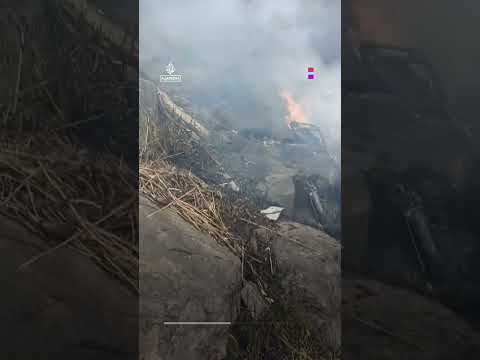
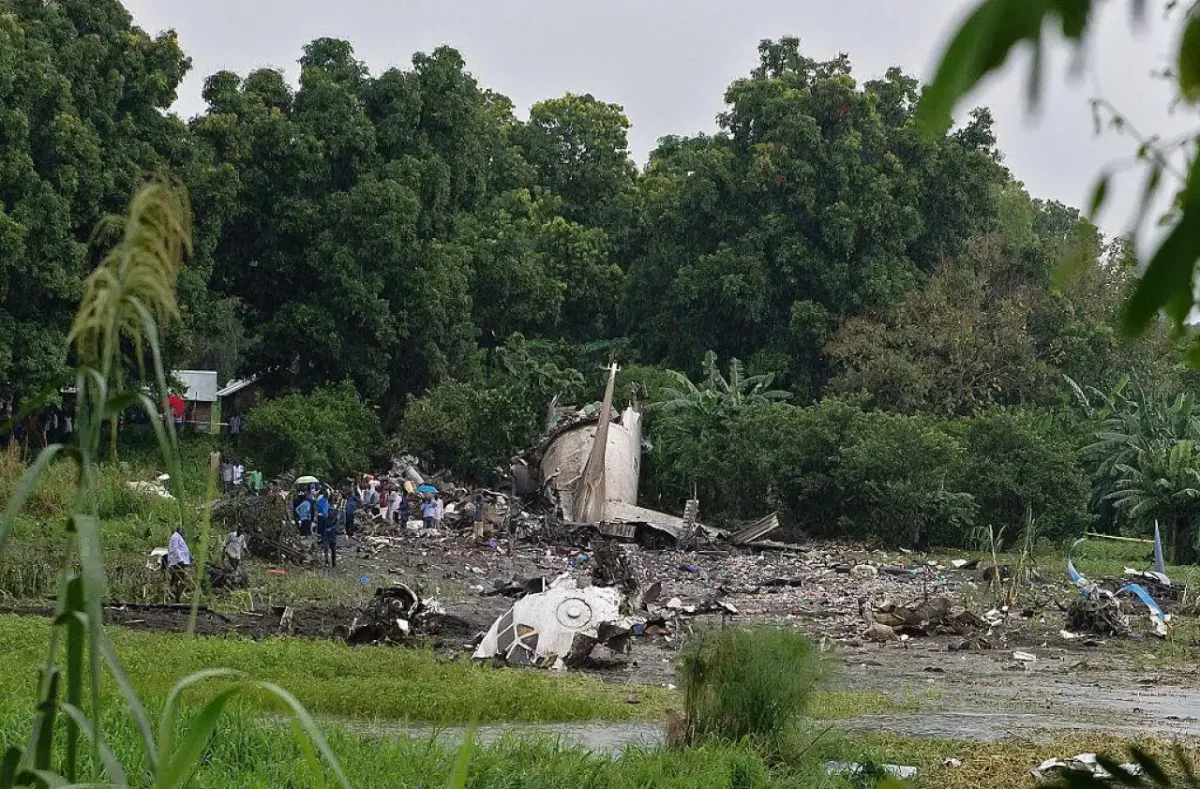
Cross-border e-commerce sellers face critical supply chain vulnerabilities exposed by two converging crises: severe weather disruptions in major US logistics hubs and aviation infrastructure collapse in emerging African markets. The multi-day severe weather outbreak affecting Arkansas, Missouri, Oklahoma, Texas, Michigan, and Wisconsin has created 300,000+ power outages (60,000 in Wisconsin/Michigan alone) and 200+ wind damage reports, directly impacting fulfillment centers, 3PL warehouses, and last-mile delivery networks in regions handling 25-30% of US e-commerce volume. Simultaneously, South Sudan's aviation sector—critical for oil sector supply chains and emerging market commerce—faces systemic collapse with 55+ aircraft crashes since 2011, including the January 2025 incident killing 20 oil workers and the current Cessna 208 crash (14 fatalities). These incidents reveal three interconnected seller risks: (1) Logistics Network Fragility: Power outages force Amazon FBA, Shopify 3PL, and eBay fulfillment centers to operate on backup systems, creating 3-7 day processing delays and increased error rates. Sellers shipping to affected regions (Arkansas, Oklahoma, Texas, Michigan) face 15-25% longer delivery windows. (2) Emerging Market Supply Chain Breakdown: South Sudan's aviation infrastructure collapse signals broader risk for sellers sourcing from or shipping to Sub-Saharan Africa. With 55+ crashes since 2011 and weak regulatory compliance (SSCAA investigations cite aging aircraft, overloading, pilot errors), air freight costs to/from East Africa could increase 20-40% as carriers avoid high-risk routes. (3) Insurance & Compliance Escalation: Extreme weather events and aviation incidents trigger insurance premium increases (5-15% for logistics providers) and stricter carrier requirements, passed to sellers through higher FBA fees and 3PL surcharges. Sellers must immediately audit inventory positioning across fulfillment networks, activate contingency 3PL providers in unaffected regions, and reassess sourcing strategies for African suppliers. The convergence of climate-driven logistics disruption and infrastructure collapse in emerging markets creates a 6-12 month window of elevated costs and delivery risk—particularly for sellers in electronics, apparel, and time-sensitive categories dependent on just-in-time inventory models.
Questions 8
What compliance and insurance changes should sellers expect?
Extreme weather events and aviation incidents trigger insurance premium increases (5-15% for logistics providers) and stricter carrier requirements, passed to sellers through higher FBA fees and 3PL surcharges within 30-60 days. Sellers should review insurance policies now for supply chain coverage gaps and consider adding business interruption insurance ($500-2,000 annually for mid-size sellers). Carriers will require enhanced documentation for high-risk routes (South Sudan, emerging markets) and may impose surcharges of $100-500 per shipment. Sellers should update carrier contracts to include force majeure clauses and negotiate rate locks for 6-12 months.
How long will logistics disruptions and cost increases persist?
Weather-related disruptions typically resolve within 2-4 weeks as power systems restore and fulfillment centers resume normal operations. However, cost increases (insurance premiums, carrier surcharges) persist 6-12 months as logistics providers rebuild reserves and adjust pricing. South Sudan aviation infrastructure issues are structural and will persist 12-24+ months, requiring sellers to permanently shift sourcing and routing strategies. Sellers should budget for elevated logistics costs through Q2 2025 and plan inventory strategies assuming 15-25% higher fulfillment costs for African sourcing. Monitor industry reports monthly and adjust supplier contracts accordingly.