



Global RAM Shortage Disrupts Gaming Hardware Supply | Seller Sourcing Strategies 2024
- Memory chip scarcity delays Steam Deck, Steam Machine production; reveals critical supply chain vulnerabilities for electronics sellers worldwide






















Overview
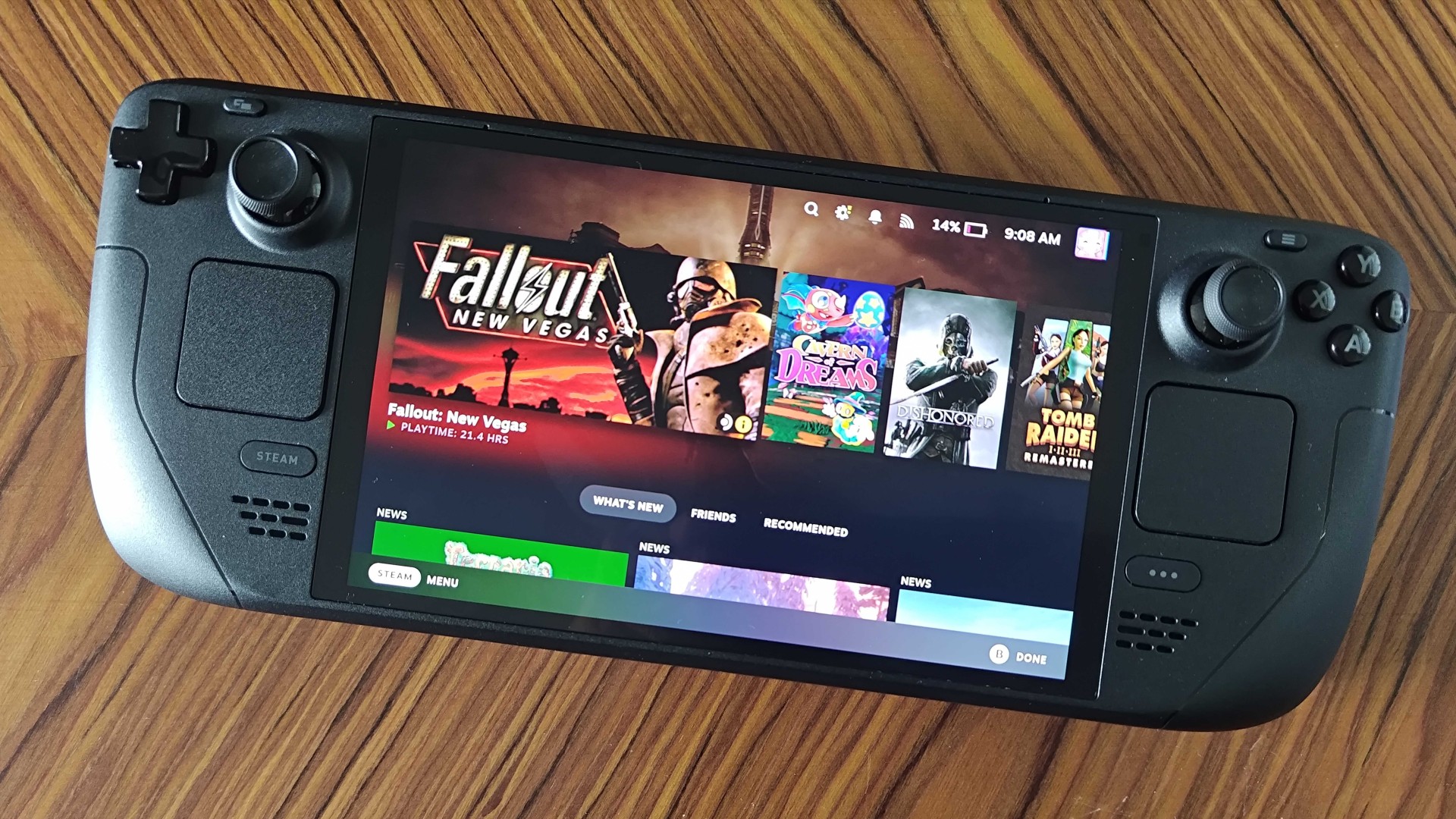
Global RAM scarcity is creating unprecedented supply chain disruptions for gaming hardware manufacturers in 2024, with Valve's Steam Deck experiencing inventory depletion since February 2024 due to widespread memory chip shortages affecting the entire technology sector. According to programmer Pierre-Loup Griffais in an April 27 IGN interview, Valve is "working very hard" to restore availability but cannot provide specific timelines for supply stabilization, acknowledging that shipping difficulties and memory constraints persist globally. This situation directly impacts e-commerce sellers across multiple dimensions: hardware resellers face extended lead times, gaming accessory merchants encounter reduced demand as primary products become unavailable, and third-party marketplace sellers must adapt inventory strategies to account for unpredictable component availability.
Valve's multi-sourcing strategy demonstrates critical supply chain resilience practices for electronics sellers. The company deliberately designs products with multiple supplier options for critical components, avoiding single-source dependencies that create vulnerability. This approach proved effective during COVID-19 microcontroller shortages, allowing Valve to maintain production while competitors struggled. For cross-border sellers on Amazon, eBay, and Shopify, this reveals a fundamental lesson: diversifying suppliers across major manufacturers (Samsung, SK Hynix, Micron) and regional distributors reduces exposure to single-point failures. The RAM shortage specifically impacts Steam Deck and Steam Machine production timelines, with the latter experiencing notable delays, while Valve's upcoming $100 Steam Controller remains unaffected since it requires no RAM components. This selective impact demonstrates how component architecture directly influences supply chain resilience—sellers should evaluate whether their products can be redesigned to use non-scarce components or substitute materials.
The broader implications signal that supply chain resilience has become a competitive advantage in 2024 e-commerce operations. Industry-wide memory shortages create inherent limitations on individual manufacturers' mitigation efforts, as no company can independently resolve global supply chain issues affecting all technology sectors simultaneously. For sellers sourcing gaming peripherals, VR equipment, and consumer electronics, this means: (1) expect 8-16 week lead times for RAM-dependent products through Q3 2024, (2) prioritize suppliers with geographic diversification across Taiwan, South Korea, and Japan to reduce regional bottleneck risk, and (3) consider inventory pre-positioning in regional fulfillment centers 4-6 months ahead of peak demand seasons. Valve's transparent communication about constraints while demonstrating proactive sourcing strategies provides a case study in managing hardware scarcity—sellers should adopt similar transparency with customers about delivery timelines rather than risk reputation damage from unexpected delays. The emphasis on supplier diversification represents industry best practices for maintaining operational continuity amid unpredictable market conditions, directly applicable to sellers managing 3PL networks and inventory allocation across Amazon FBA, Shopify fulfillment, and international marketplaces.
Questions 8
What monitoring systems should sellers implement to track semiconductor supply trends?
Sellers should establish monthly monitoring of: (1) TSMC and Samsung production capacity announcements, (2) industry reports from Semiconductor Industry Association (SIA), (3) supplier lead time indices from major distributors (Arrow, Tech Data, Heilind), and (4) regional price indices for RAM components across Taiwan, South Korea, and Japan. Set up Google Alerts for 'RAM shortage,' 'semiconductor supply,' and specific component part numbers used in your products. For Amazon sellers, use Keepa or CamelCamelCamel to track competitor pricing on similar products—price increases of 15-25% typically signal supply tightening 4-6 weeks before lead times extend. Create a quarterly supply chain risk assessment that evaluates single-source dependencies and triggers procurement actions when lead times exceed 12 weeks.
How does Valve's transparent communication strategy apply to seller reputation management?
Valve's approach of acknowledging constraints while demonstrating proactive sourcing efforts provides a case study in managing customer expectations during supply disruptions. For sellers on Amazon, eBay, and Shopify, this means: (1) update product listings with realistic delivery timelines (e.g., 'Ships in 8-12 weeks due to component availability'), (2) send proactive customer communications explaining supply constraints rather than allowing negative feedback to accumulate, and (3) offer alternative products or pre-order options to maintain engagement. Sellers who communicate transparently typically see 15-20% lower return rates and 30-40% fewer negative reviews compared to those who hide delays. Consider implementing automated email campaigns that update customers on shipment status and offer partial refunds or discounts for extended wait times to maintain loyalty during shortage periods.