

Putin's Imperial Gambit Unravels: Russia's Economic Resilience Myth Exposed
- Strategic overreach threatens Russia's economic sustainability amid prolonged Ukraine conflict















Overview
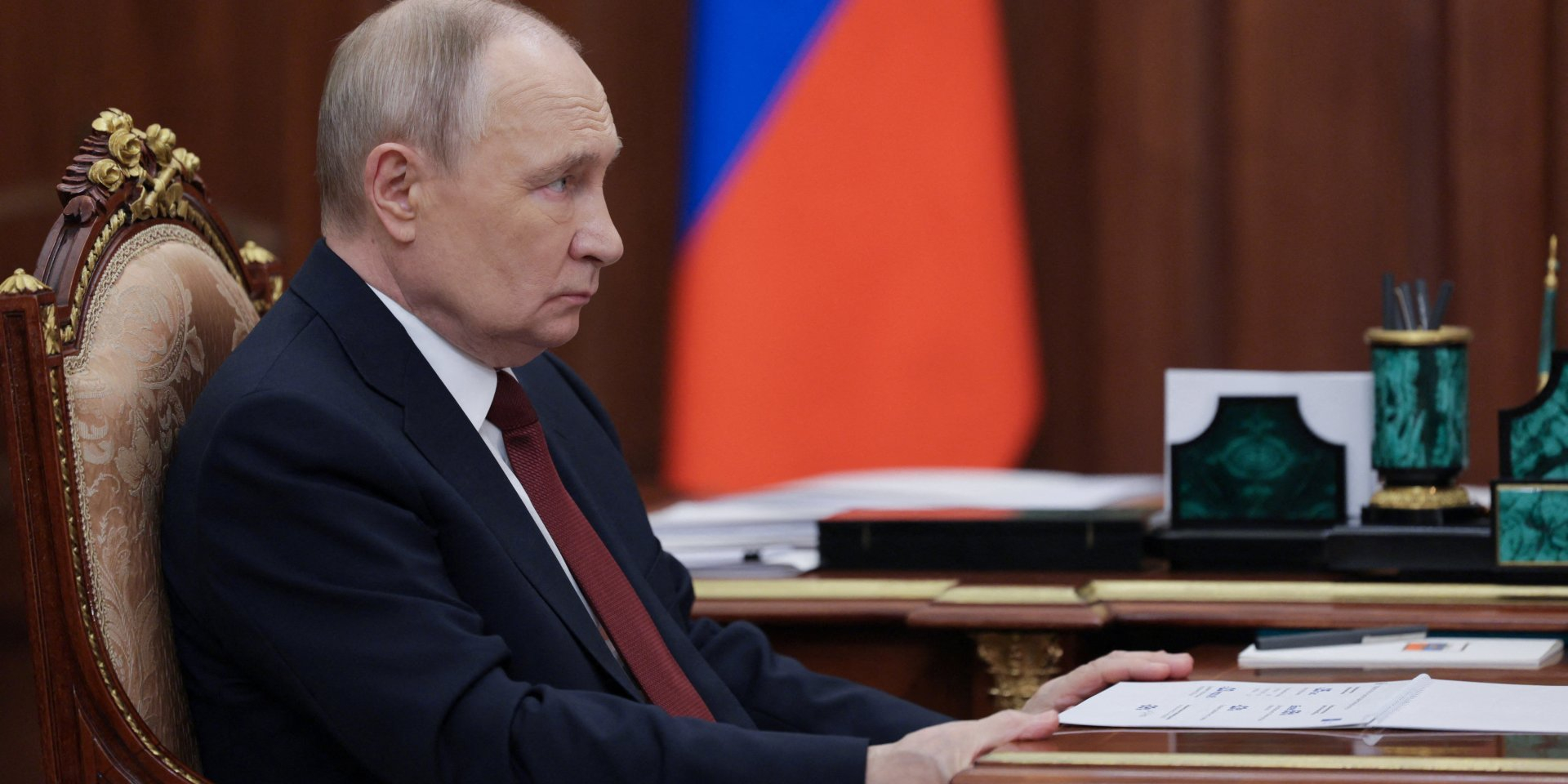
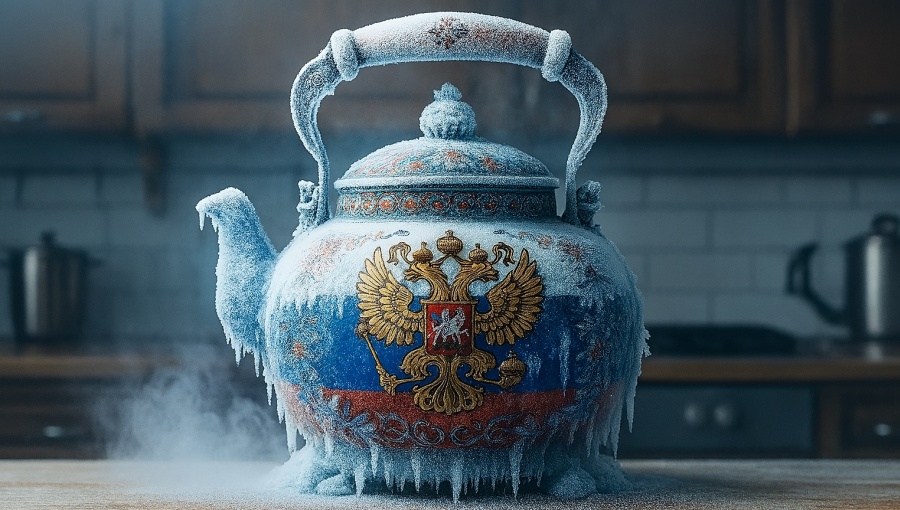
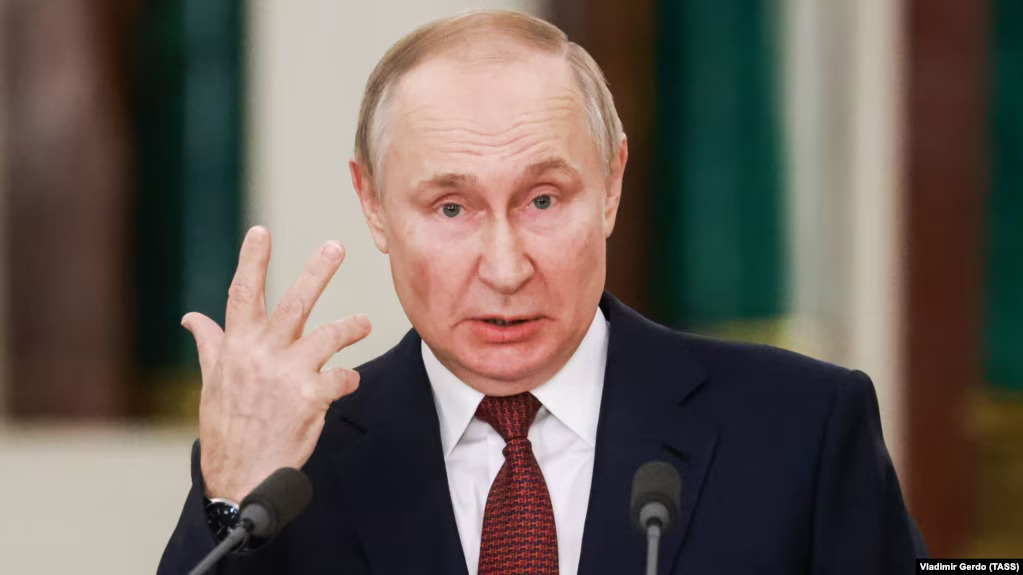
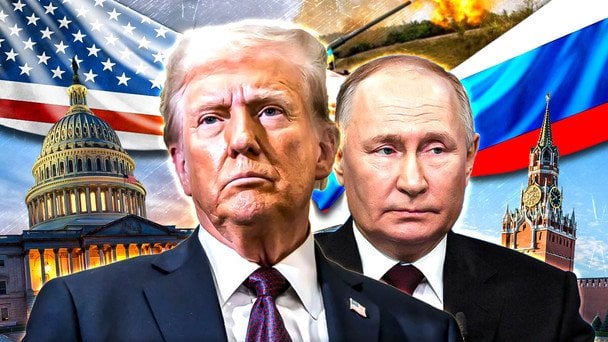
The facade of Russian economic resilience is rapidly crumbling, revealing a complex geopolitical landscape where territorial ambition trumps financial pragmatism. Despite Vladimir Putin's carefully crafted narrative of strength, the underlying economic and military realities paint a dramatically different picture.
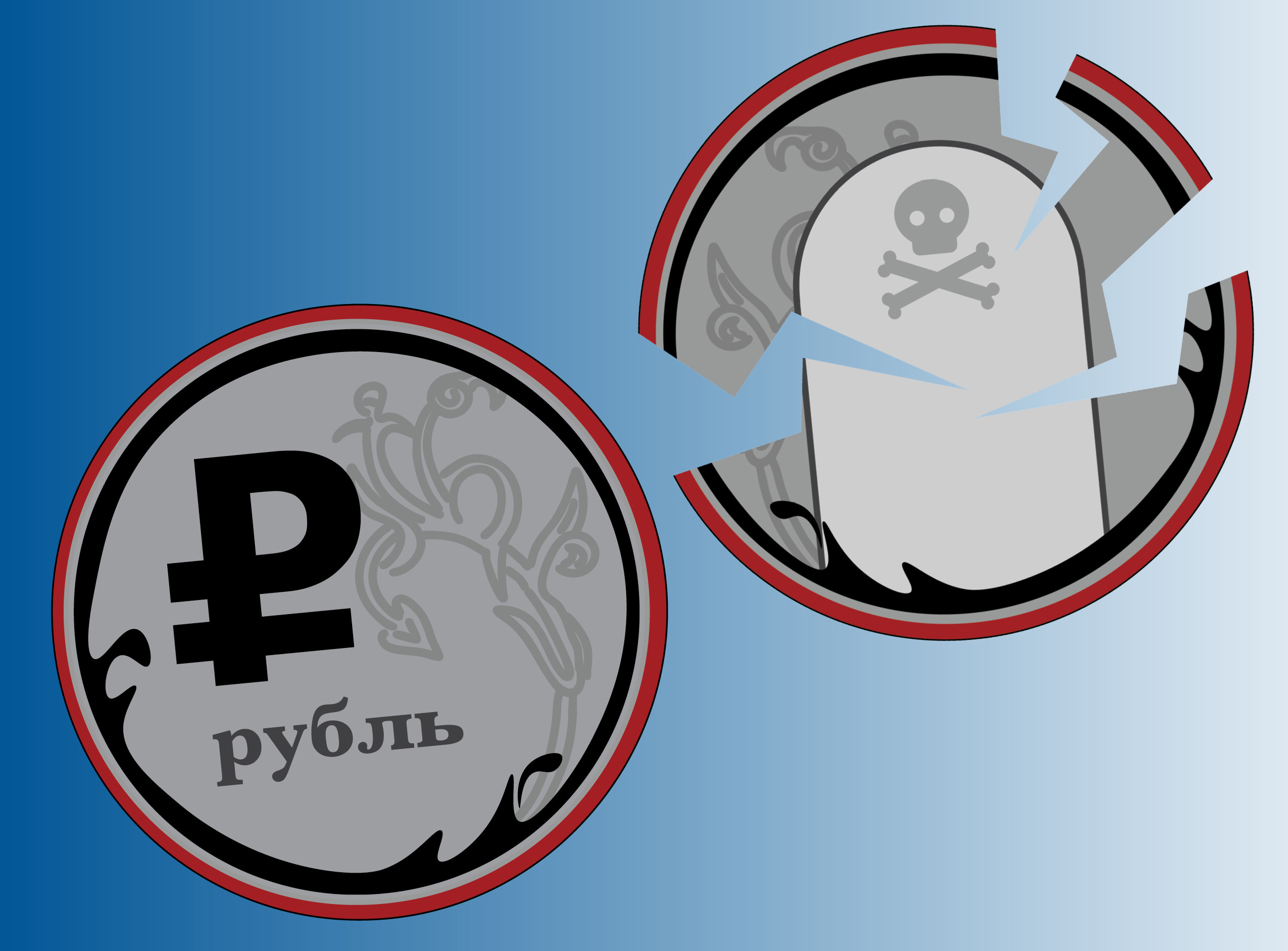
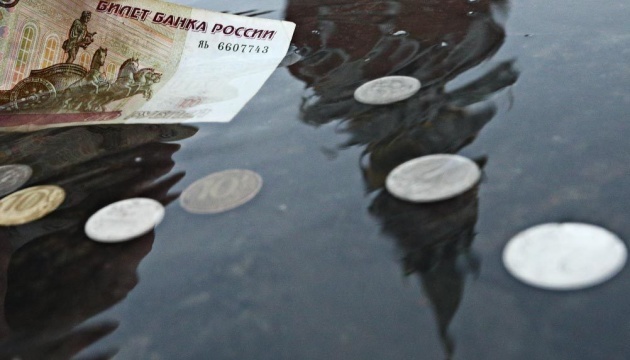
Economic indicators expose the profound strain of Russia's prolonged Ukraine conflict. The Central Bank of Russia reports a significant consumer spending slowdown, with households becoming increasingly frugal. Oil and gas revenues have plummeted 34% year-over-year, undermining the country's economic foundation. This economic contraction is not merely a temporary setback but a structural transformation driven by sustained military expenditures and international sanctions.
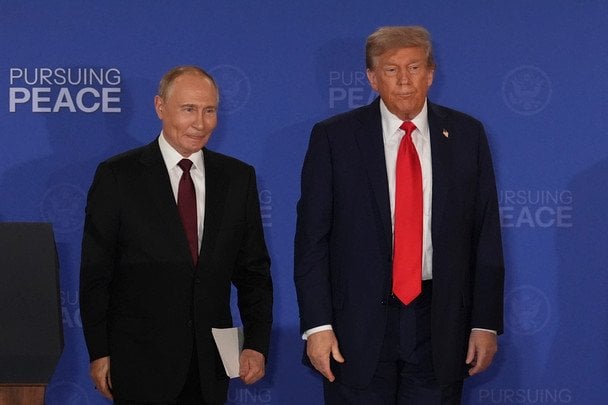
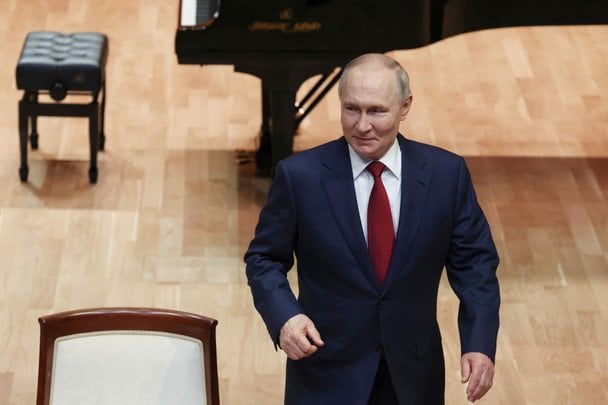
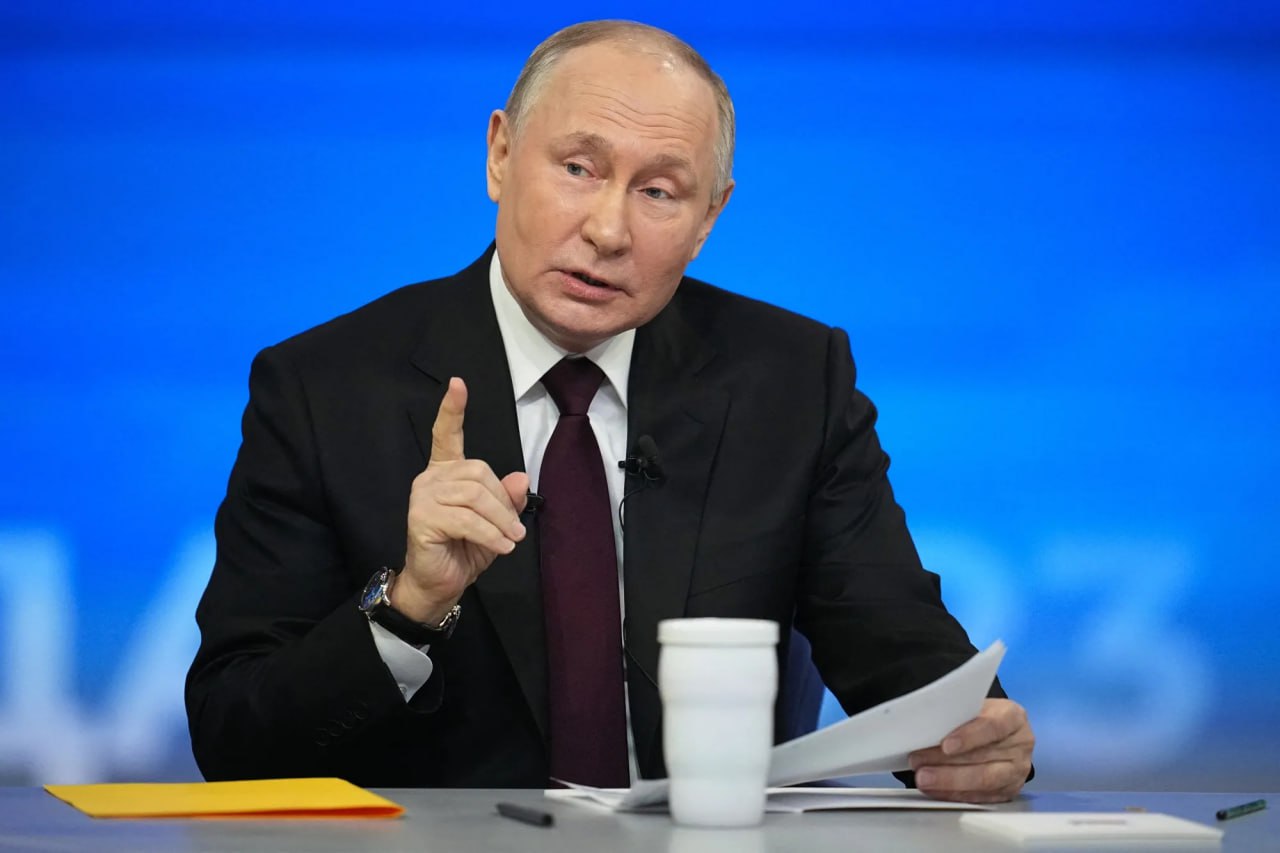
Putin's strategy transcends monetary considerations, focusing instead on territorial expansion and reclaiming historical spheres of influence. The Trump administration's peace proposal, offering substantial economic incentives like sanctions lifting and investment opportunities, was summarily rejected. This reveals Putin's core motivation: not economic optimization, but imperial ambition. By refusing economically favorable proposals, he signals that power projection remains his primary objective.
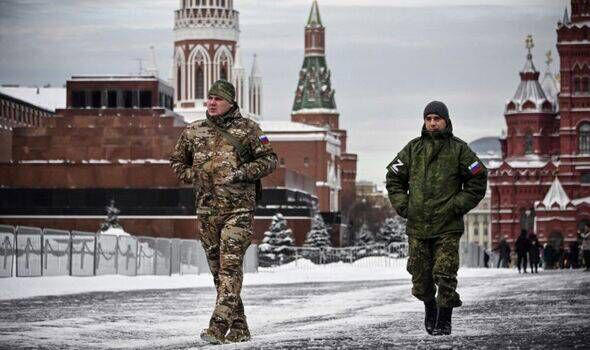
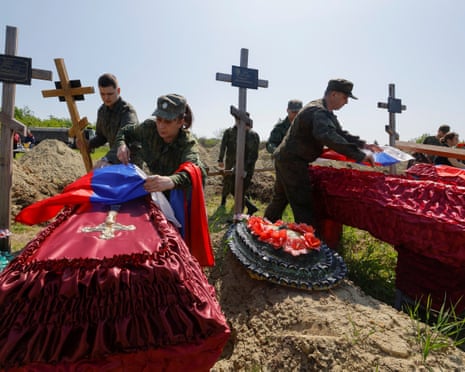
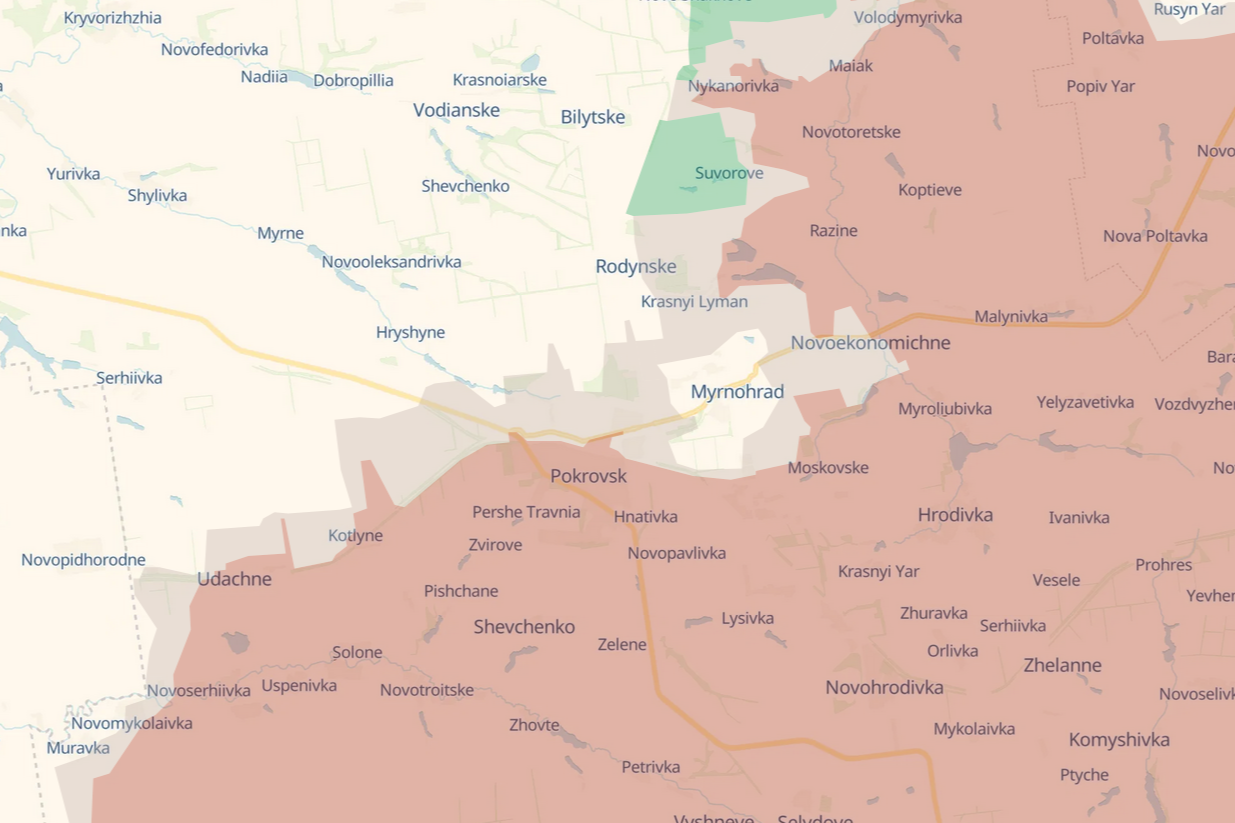
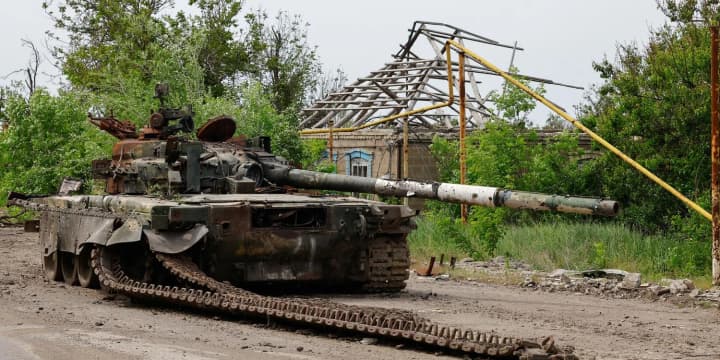
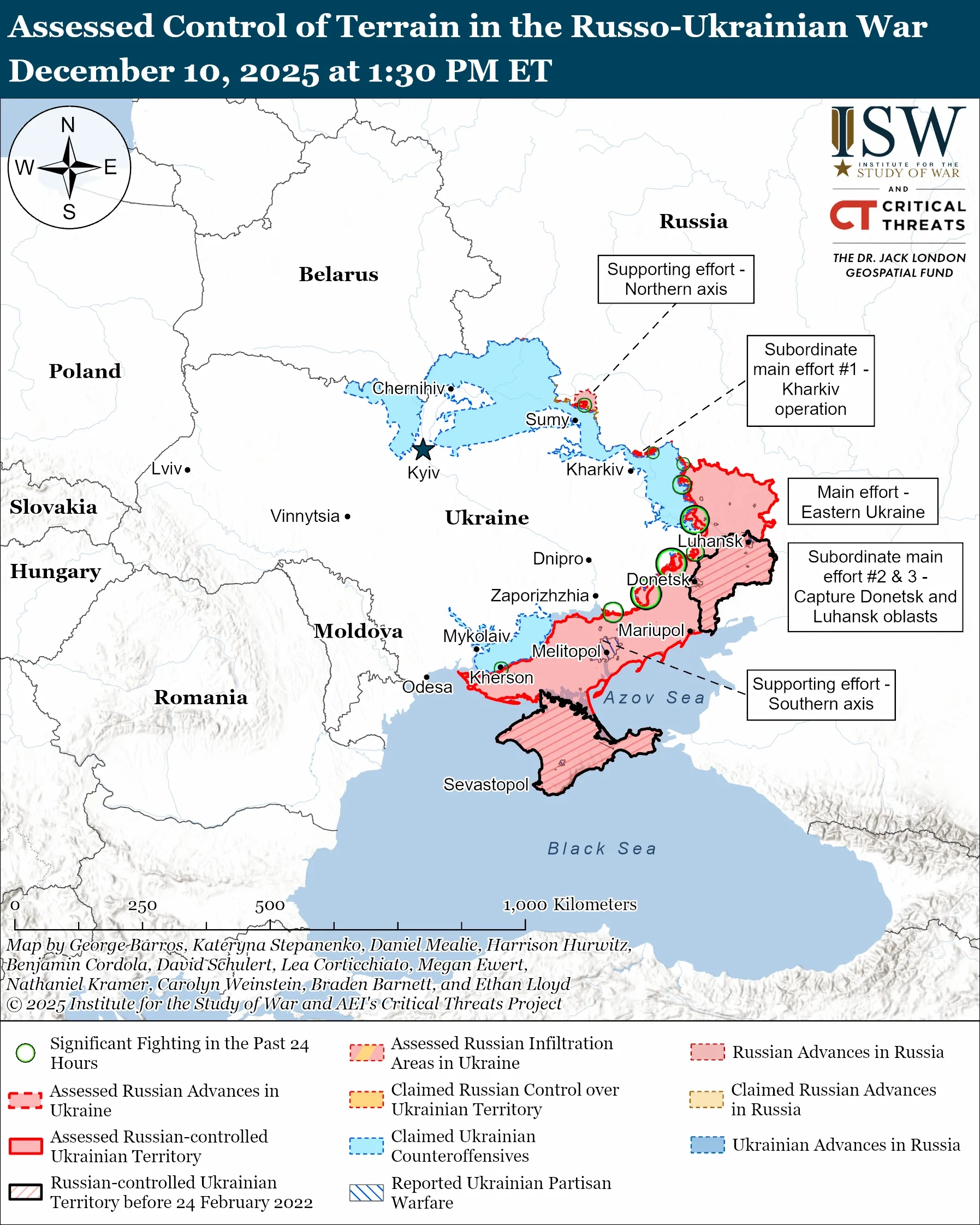
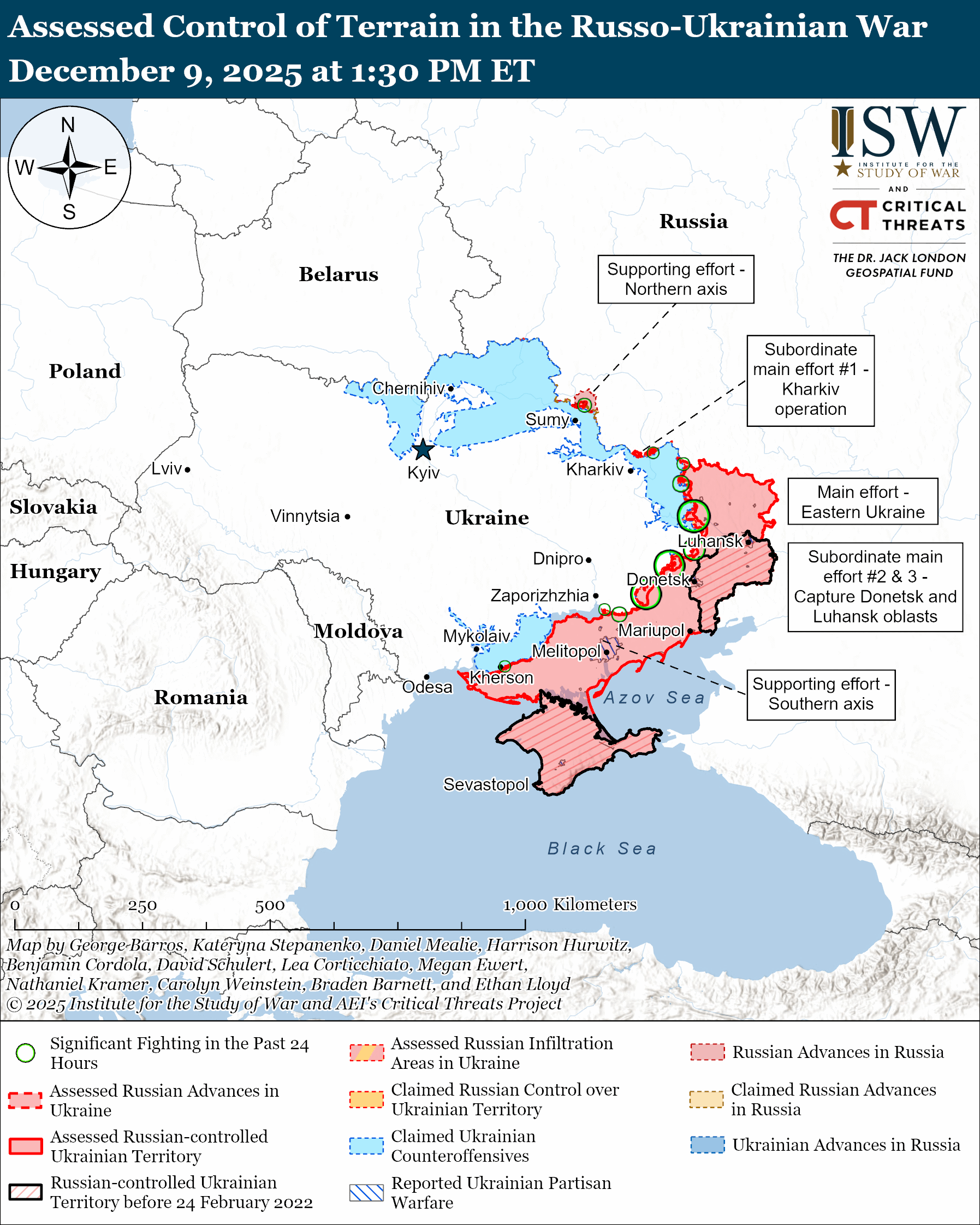
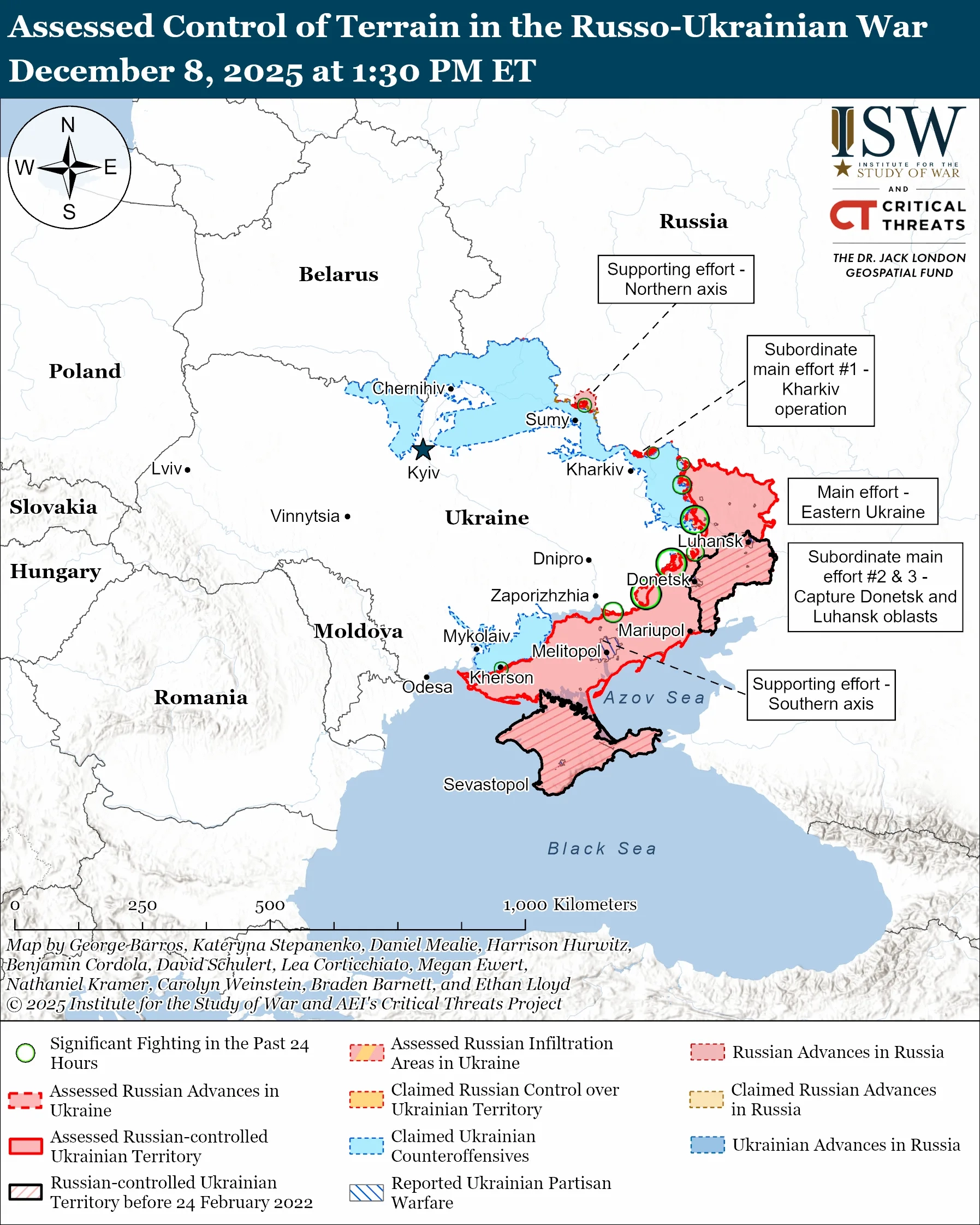
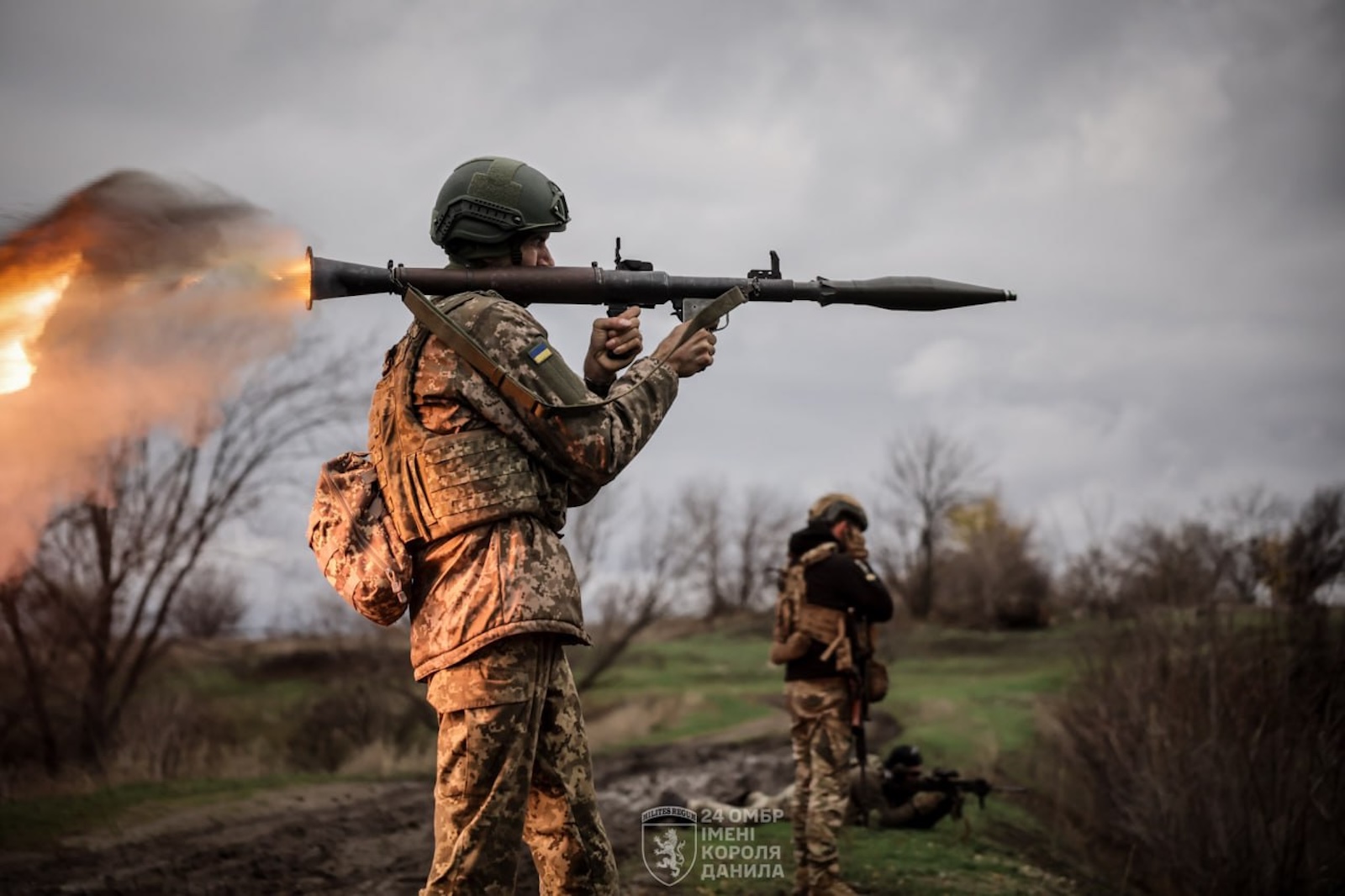
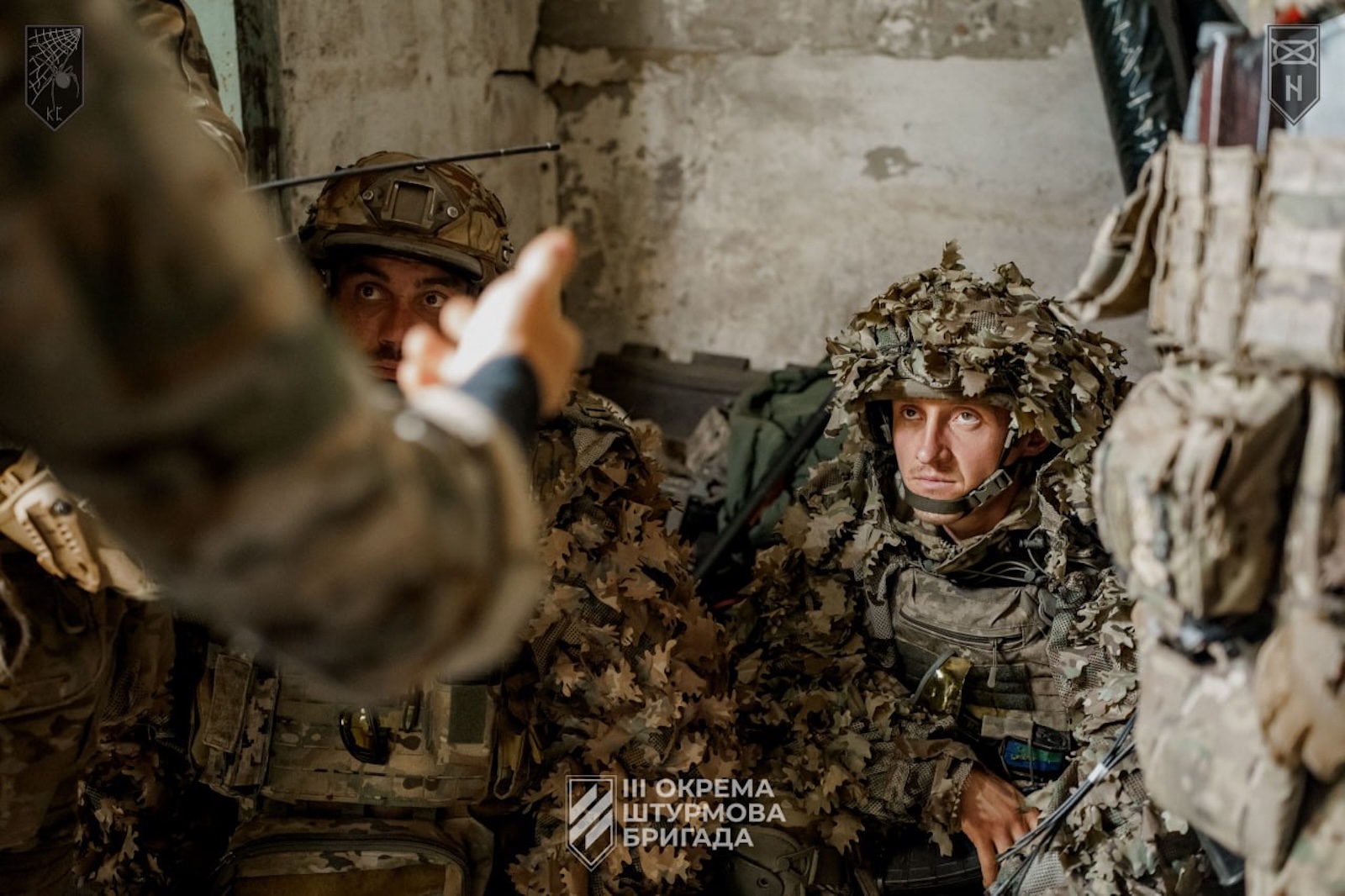
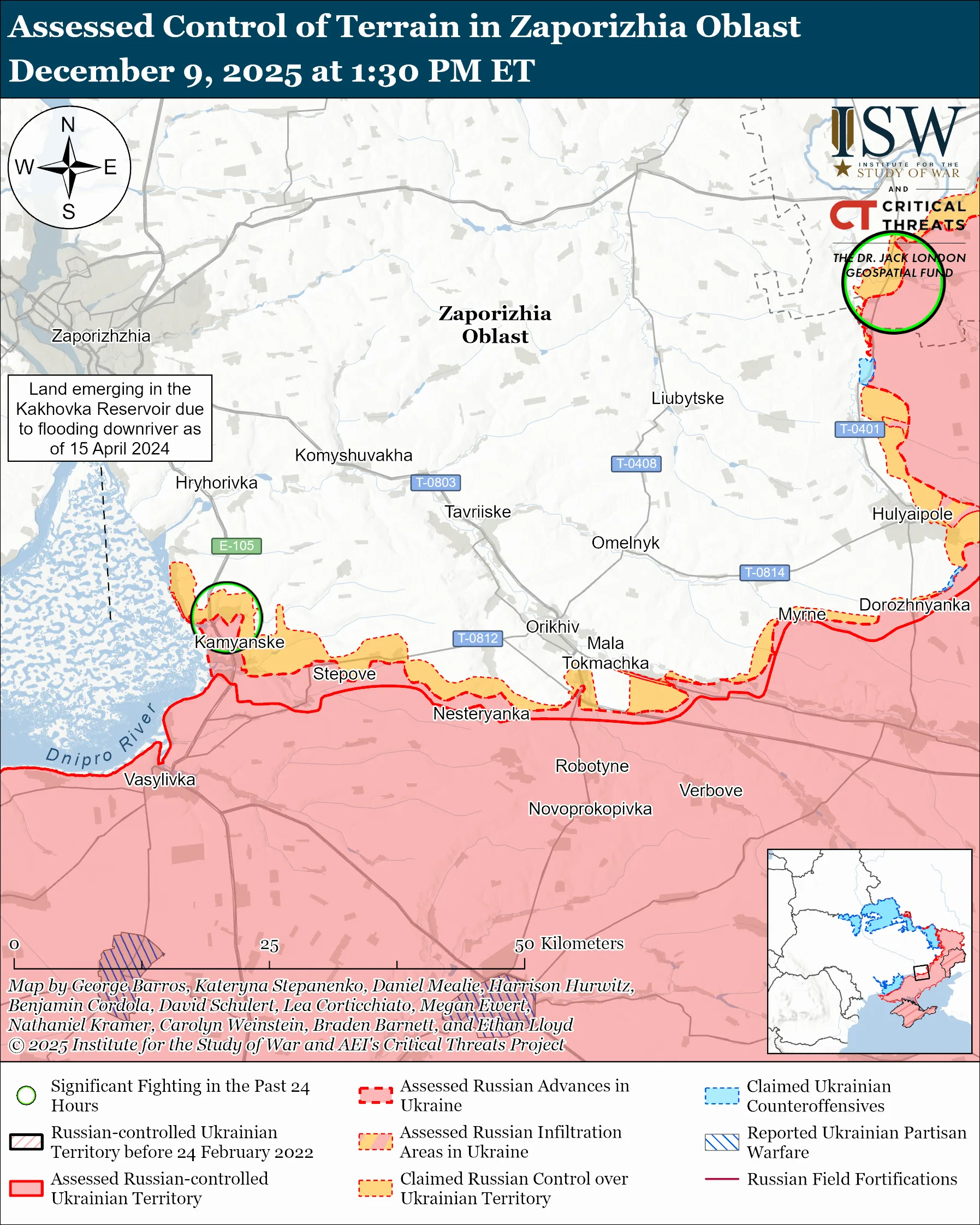
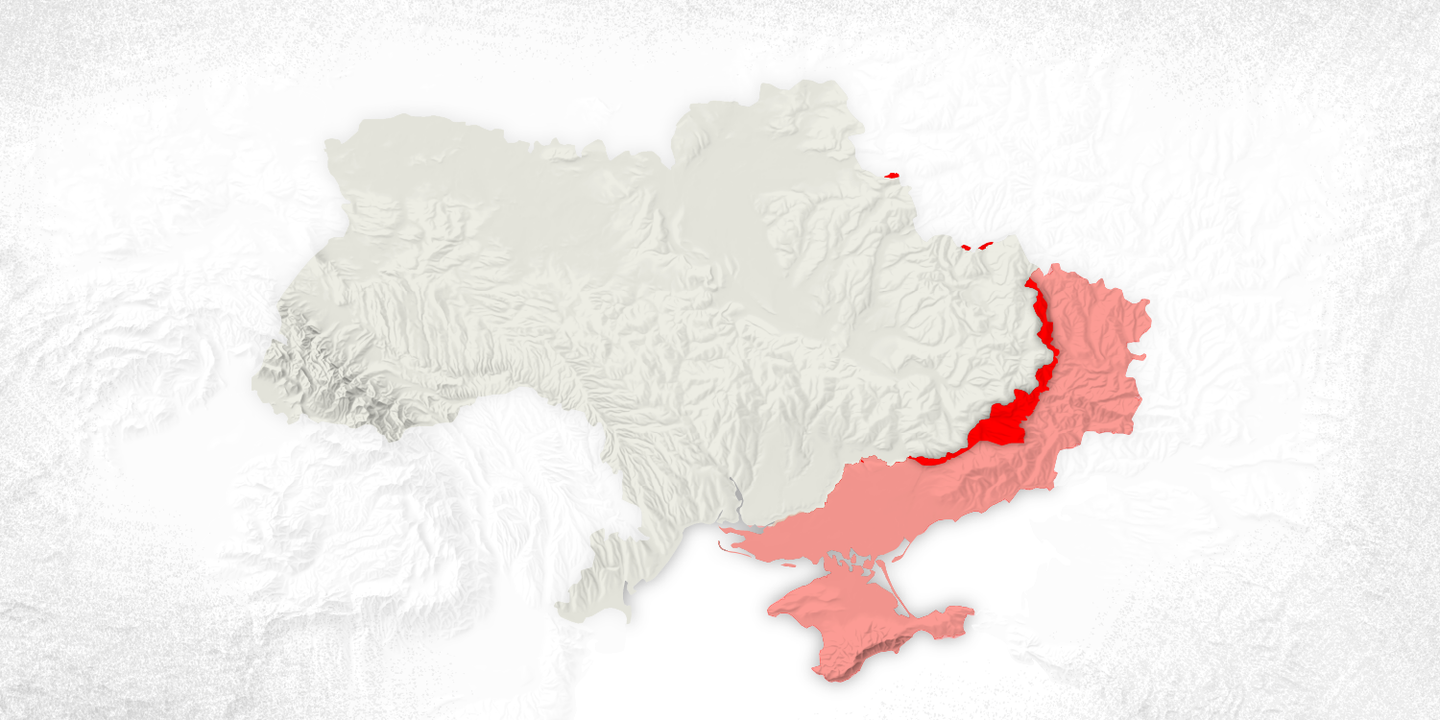
Military realities further challenge Putin's narrative of inevitable victory. Russian forces have gained minimal territory—approximately 4,669 square kilometers since January 2025—while suffering substantial casualties of 391,270 personnel. The drone-dominated battlefield has constrained military maneuverability, forcing attritional infantry-based operations that are economically and humanly unsustainable.
The Kremlin's cognitive warfare aims to present an image of invincibility, but the ground reality suggests a more nuanced and challenging situation. Putin's aggressive promotion of exaggerated battlefield advances and economic resilience is increasingly seen as performative propaganda designed to maintain domestic morale and international perception.
Strategically, Putin is preparing for prolonged conflict by authorizing compulsory reservist call-ups and attempting to achieve original war objectives through negotiation. However, militarily seizing territories like Luhansk and Donetsk would require two to three years of resource-intensive battles—a timeline that could further strain Russia's already constrained economic and military resources.
Questions 3
Why does Putin continue the conflict despite economic pressures?
Putin's motivations are fundamentally territorial and geopolitical, not economic. He views Ukraine as a strategic stepping stone to restore Russia's great-power status, prioritizing territorial expansion over financial optimization. By rejecting economically favorable peace proposals, Putin signals that his core objective is power projection and reclaiming historical spheres of influence.
What economic challenges is Russia currently facing?
Russia is experiencing a significant economic contraction. Consumer spending is declining, oil and gas revenues have dropped 34% year-over-year, and military expenditures are competing with industrial labor needs. The Central Bank of Russia reports weakening consumer trends, and the wartime economic boom is losing momentum, indicating a potential prolonged period of economic constraint.