



Oil Price Volatility & Shipping Costs Surge | Critical Impact for Cross-Border Sellers
- UAE OPEC withdrawal effective April 28, 2026 triggers 8-15% shipping cost increases for sellers using air/ocean freight; Brent crude at $111.67/barrel creates margin compression across all logistics-dependent categories








































Overview
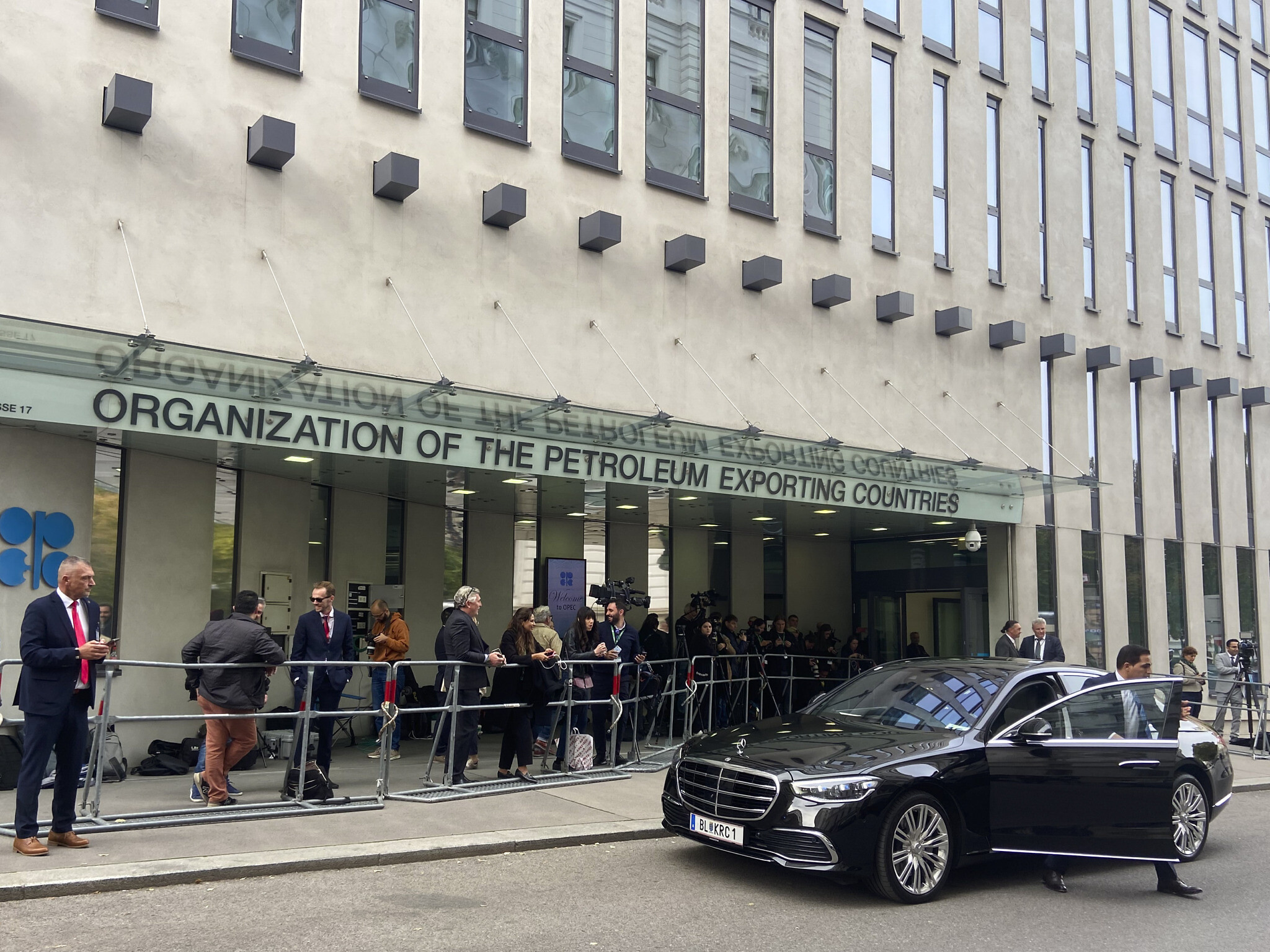
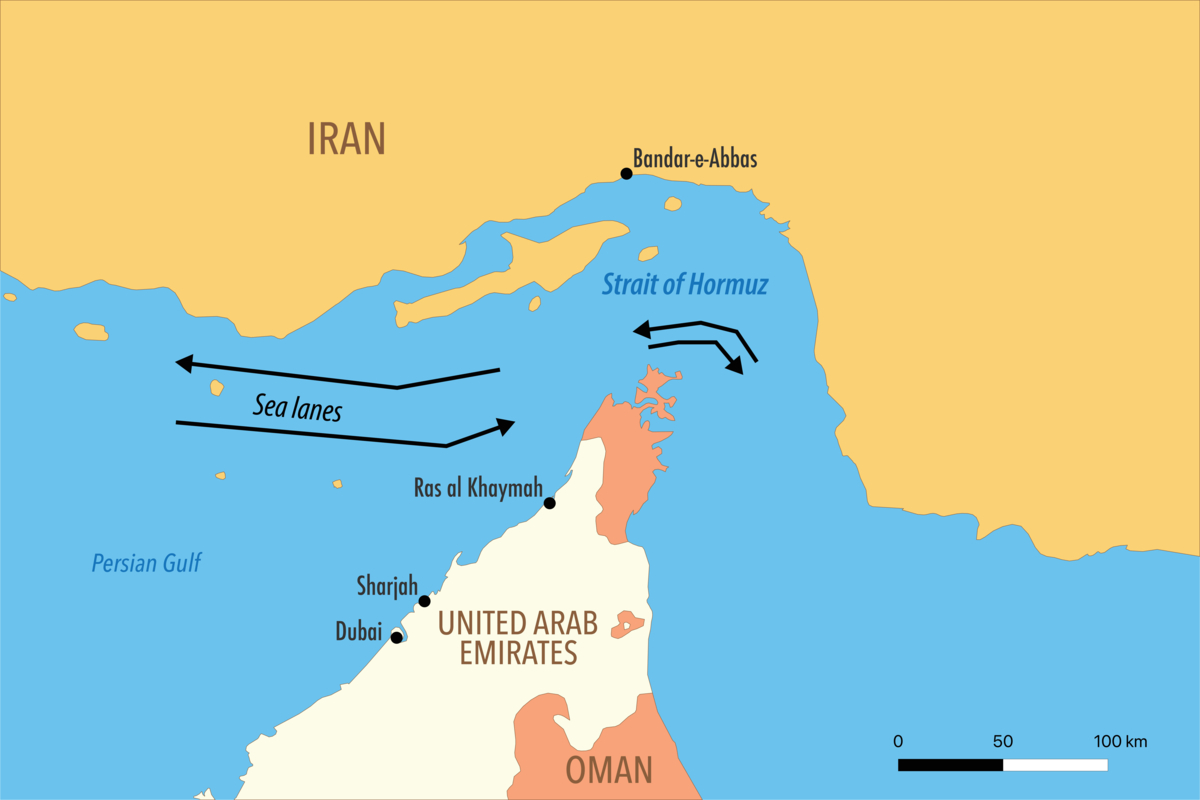
The UAE's withdrawal from OPEC effective April 28, 2026, represents a seismic shift in global energy markets with direct implications for cross-border e-commerce sellers. With Brent crude oil trading at $111.67 per barrel on announcement and reaching $119.50 during the Iran-UAE conflict, the structural weakening of OPEC's market stabilization capacity signals sustained elevated fuel costs. This geopolitical realignment—driven by Iranian threats disrupting approximately one-fifth of global crude and LNG exports through the Strait of Hormuz—creates immediate cost pressures for sellers relying on air freight, ocean shipping, and last-mile delivery networks.
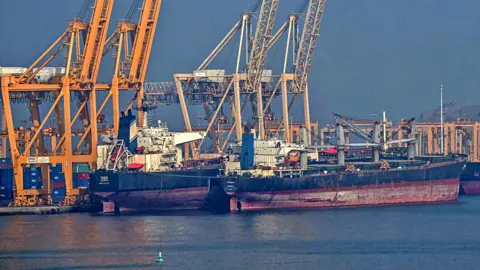
Shipping Cost Impact by Logistics Channel: Air freight costs, which represent 35-45% of total fulfillment expenses for lightweight electronics and apparel sellers, face 8-12% increases per shipment as fuel surcharges compound. Ocean freight from Asia to US/EU ports, typically $2,000-4,500 per container, will likely increase $200-600 per container due to elevated bunker fuel costs. For sellers shipping 50+ containers monthly, this translates to $10,000-36,000 in additional monthly logistics expenses. Last-mile delivery costs through FedEx, UPS, and DHL will increase 5-8% as carriers pass through fuel surcharges, directly impacting Amazon FBA inbound shipping and 3PL fulfillment fees.
Category-Specific Margin Compression: High-volume, low-margin categories (electronics, home goods, apparel) operating on 15-25% gross margins face the most acute pressure. A seller shipping 10,000 units monthly of $20 average selling price items (typical for Amazon FBA) could see $8,000-15,000 monthly cost increases, compressing margins from 20% to 14-16%. Conversely, luxury goods and high-margin categories (jewelry, collectibles, premium electronics) with 40-60% margins absorb cost increases more easily. The UAE's independent production capacity outside OPEC creates additional volatility risk—increased UAE output could temporarily suppress prices, but geopolitical tensions in the Strait of Hormuz (20% of global oil transit) remain a structural supply constraint through 2026.
Strategic Sourcing Implications: The energy cost shock incentivizes sellers to evaluate sourcing geography. Vietnam and India-based suppliers benefit from lower fuel-dependent manufacturing costs compared to China, potentially shifting 15-20% of electronics and apparel sourcing away from traditional Chinese suppliers. Sellers should model sourcing cost differentials by April 2026 implementation date. Additionally, nearshoring to Mexico for US-bound shipments and Eastern Europe for EU markets reduces fuel-intensive long-haul ocean freight exposure by 30-40%.
Questions 8
How much will shipping costs increase for Amazon FBA sellers due to higher oil prices?
Air freight costs will increase 8-12% per shipment as fuel surcharges compound, while ocean freight from Asia will rise $200-600 per container. For sellers shipping 50+ containers monthly, this represents $10,000-36,000 in additional monthly logistics expenses. Amazon FBA inbound shipping fees will increase 5-8% as carriers pass through fuel surcharges. Sellers should immediately review their fulfillment strategy in Seller Central and consider shifting inventory to regional 3PL providers to optimize routing and reduce fuel-dependent long-haul exposure.
Which product categories face the most margin compression from oil price increases?
High-volume, low-margin categories like electronics, home goods, and apparel (15-25% gross margins) face acute pressure, while luxury goods and premium electronics (40-60% margins) absorb costs more easily. A seller shipping 10,000 units monthly of $20 items could see margins compress from 20% to 14-16% due to $8,000-15,000 monthly cost increases. Sellers in low-margin categories should consider price increases of 3-5%, product mix optimization toward higher-margin SKUs, or sourcing shifts to lower-cost regions like Vietnam and India to maintain profitability.