


Oil Price Volatility & Shipping Disruption | Critical Impact on Cross-Border Seller Logistics Costs
- Brent crude at $111.67/barrel creates 8-15% shipping cost increases for sellers; Strait of Hormuz disruptions affect 20% of global LNG exports and supply chain timelines





























Overview
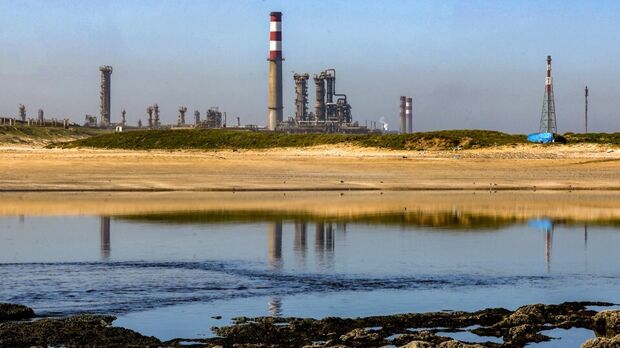
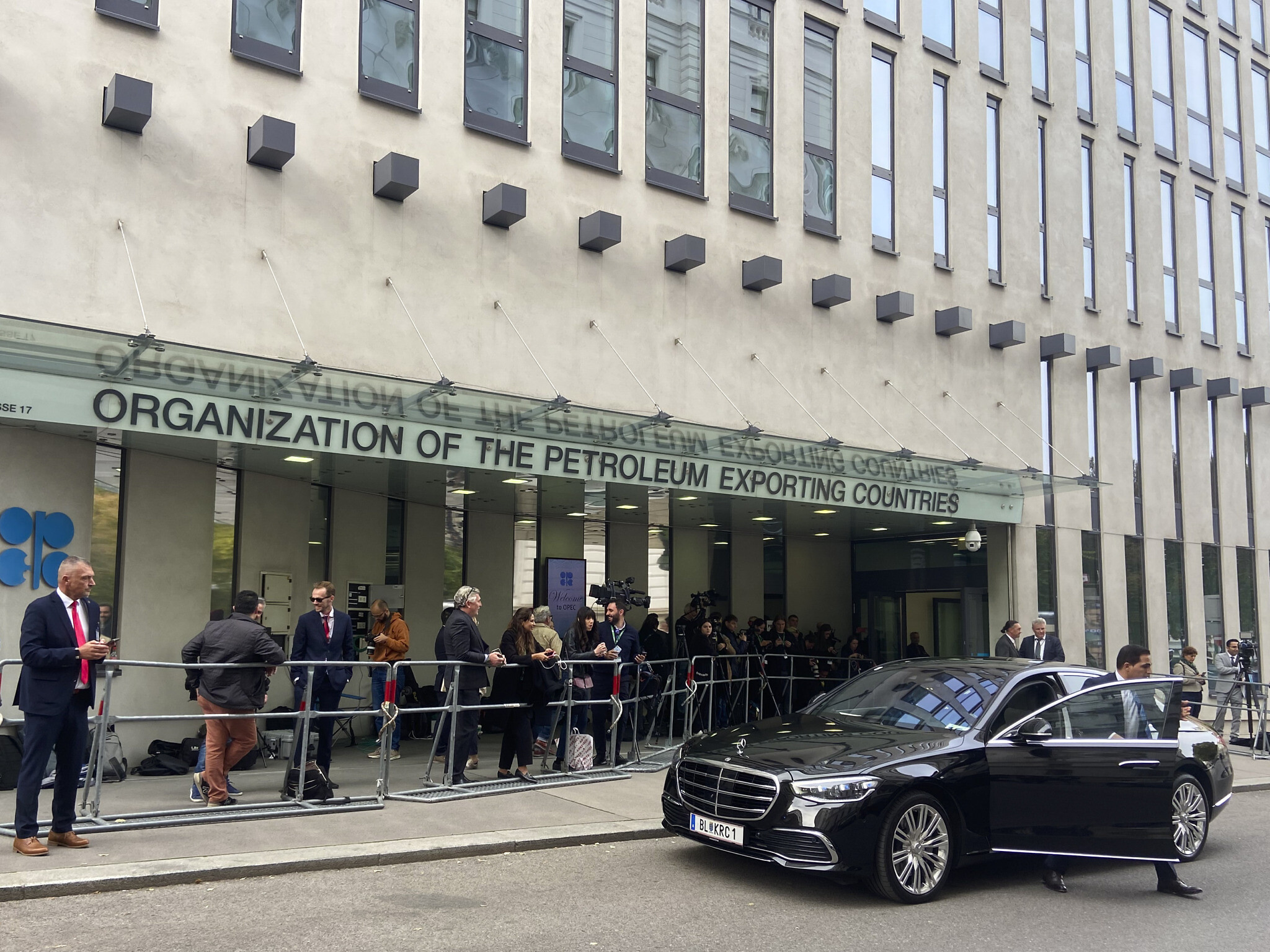
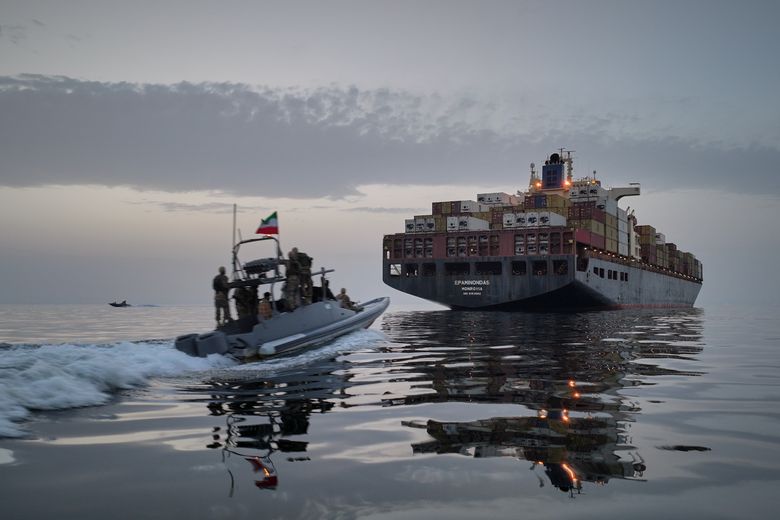
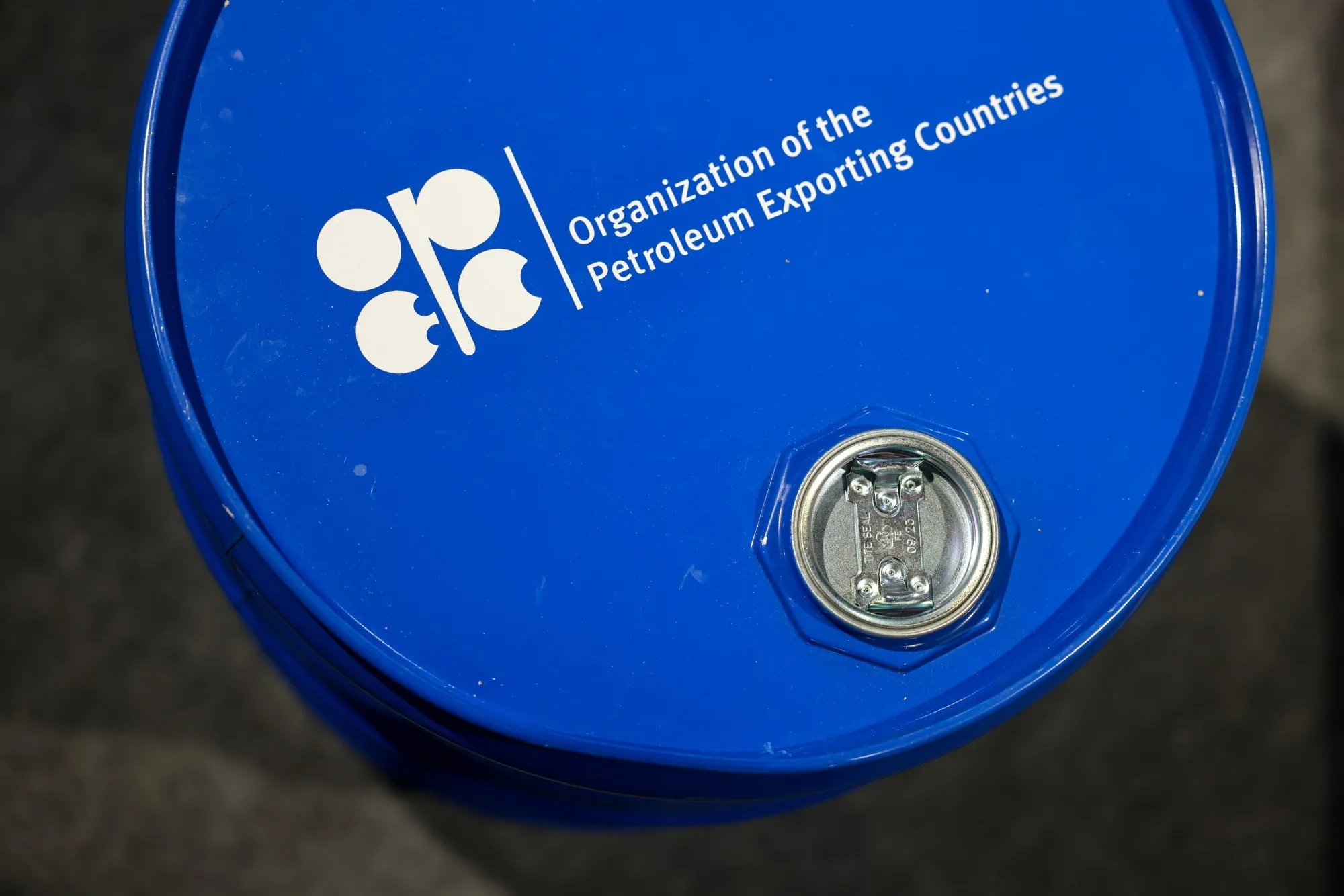
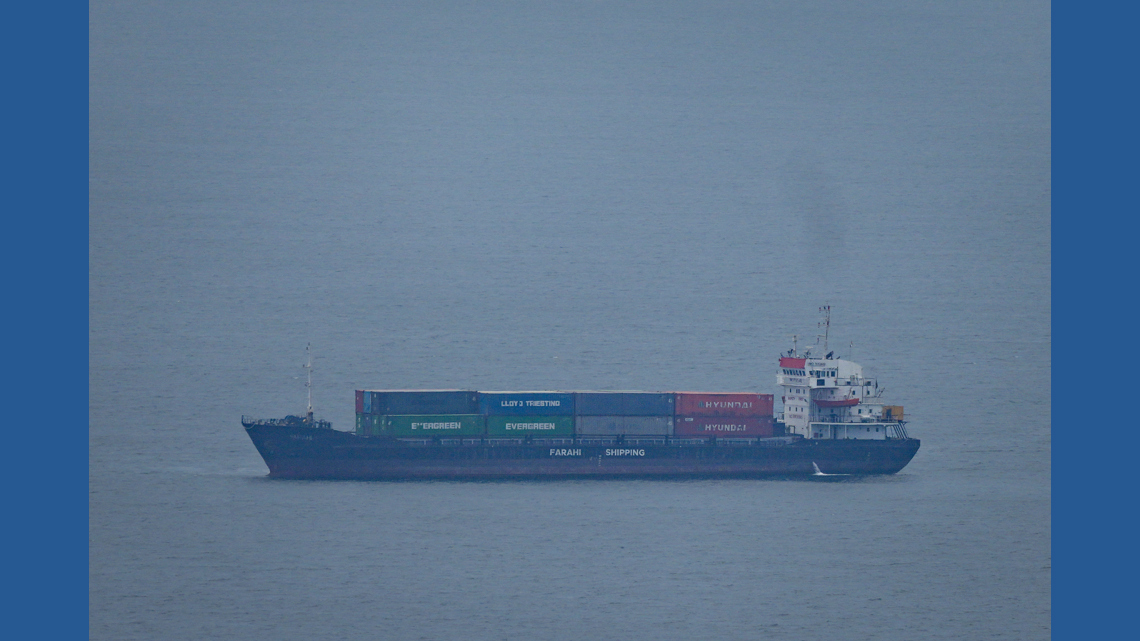
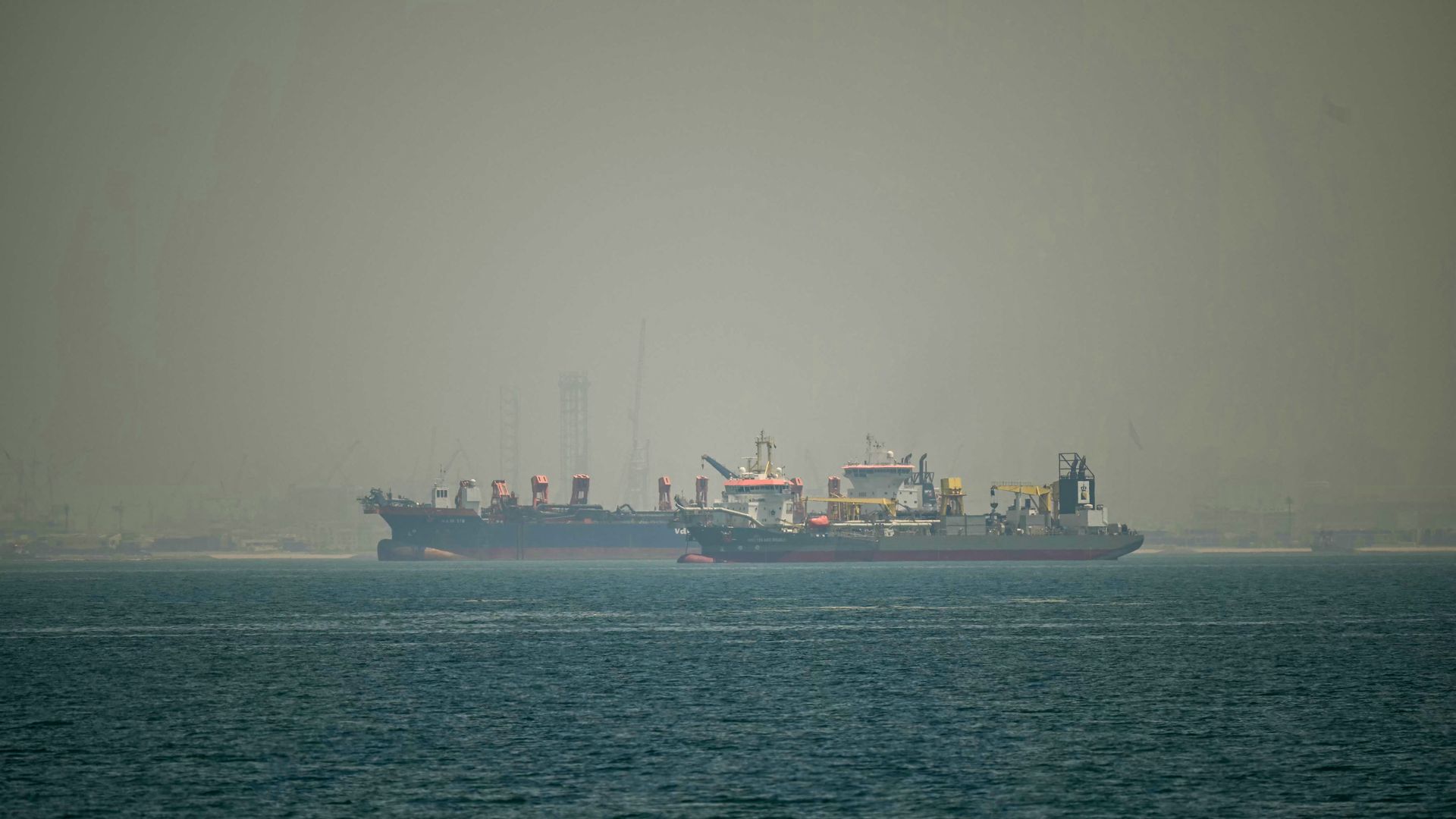
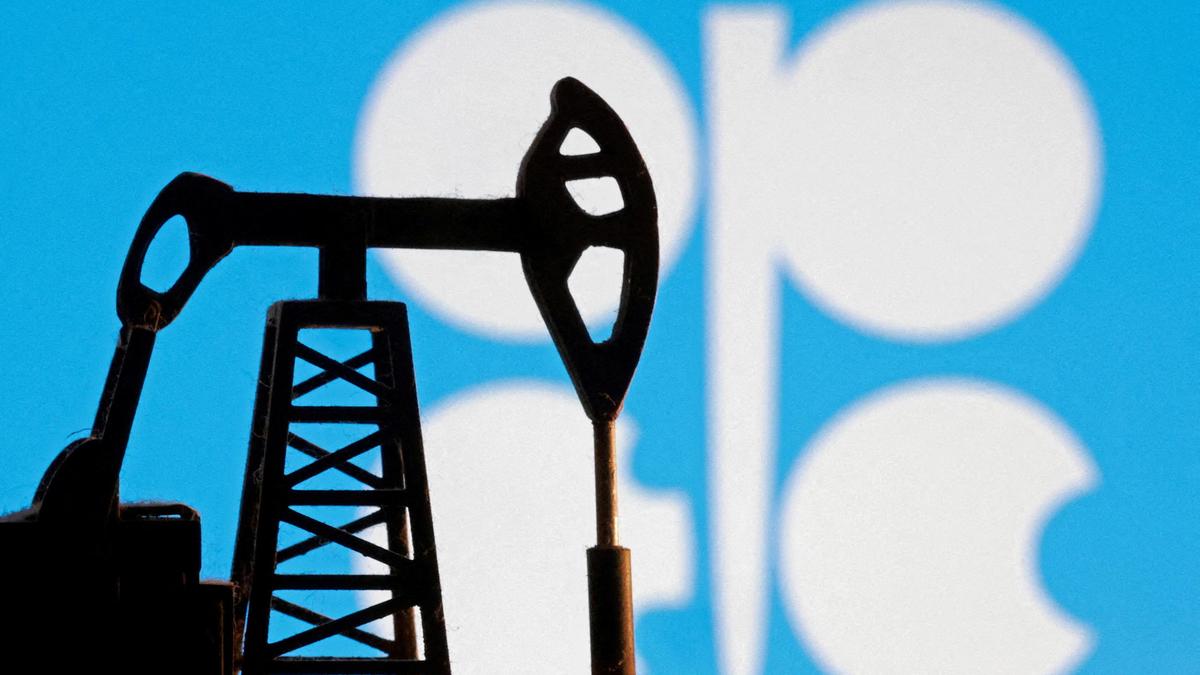
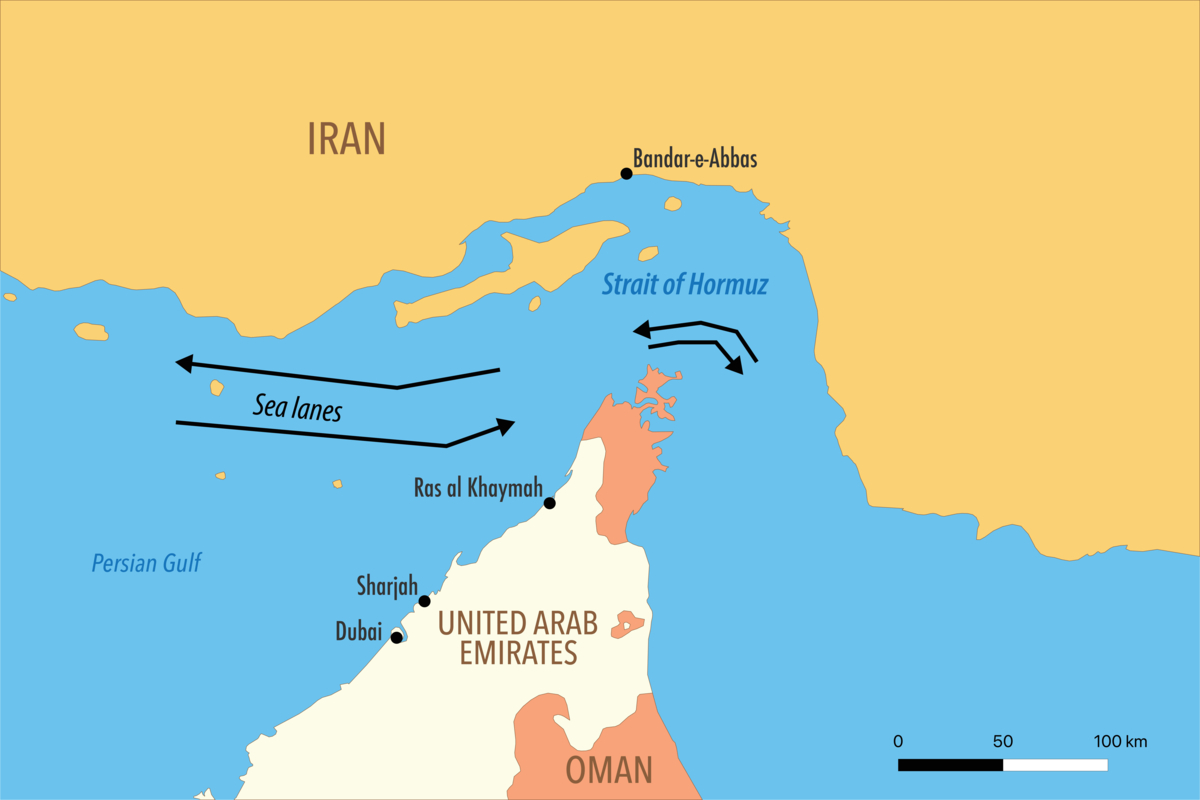
The UAE's withdrawal from OPEC effective April 28, 2026, represents a seismic shift in global energy markets with direct implications for cross-border e-commerce sellers. With Brent crude oil at $111.67 per barrel on announcement and reaching $119.50 during the Iran-UAE conflict, elevated fuel costs are cascading through shipping and logistics networks that underpin Amazon FBA, eBay, Shopify, and 3PL operations. The disruption of approximately one-fifth of global crude oil and liquefied natural gas exports through the Strait of Hormuz—caused by Iranian threats and attacks on vessels—creates immediate supply chain volatility affecting fulfillment timelines and carrier pricing.
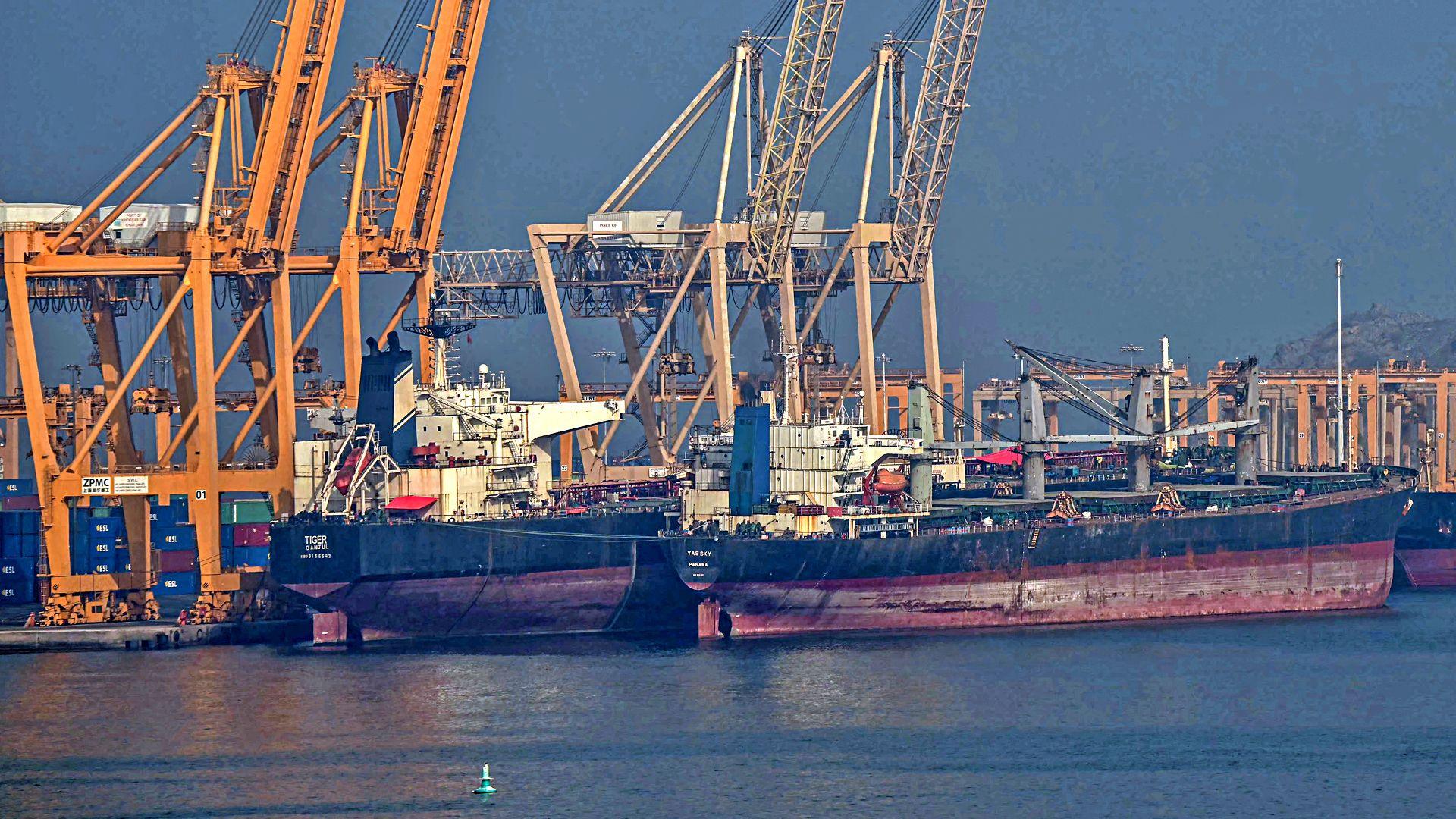
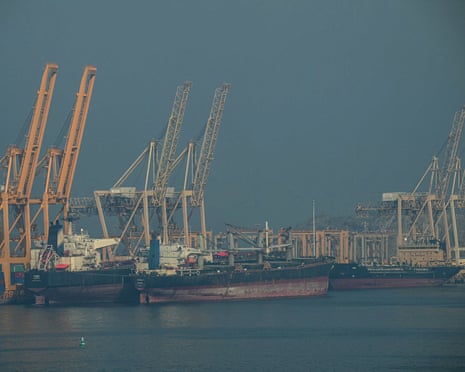
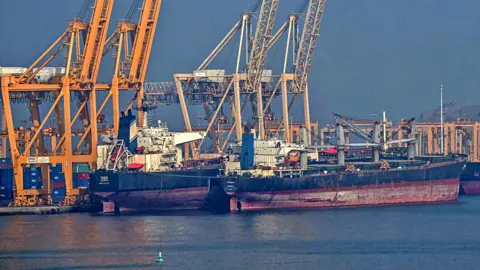
Shipping Cost Impact by Seller Segment: Small to mid-sized sellers (100-1,000 units/month) face 8-12% increases in FBA inbound shipping costs, translating to $150-400 monthly per SKU. Large-volume sellers (5,000+ units/month) experience 10-15% cost compression on margins, particularly in low-margin categories (electronics, home goods, apparel). International sellers routing through Middle Eastern ports face 2-4 week delays as carriers reroute around conflict zones, directly impacting inventory turnover and Amazon IPI scores. The UAE's exit from OPEC removes a stabilizing force—the country held meaningful spare production capacity—meaning oil prices face structural upward pressure without OPEC's coordinated supply management.
Strategic Sourcing Realignment: Sellers currently sourcing from China and Vietnam face elevated shipping costs via traditional Suez Canal routes. The geopolitical realignment incentivizes nearshoring strategies: US-based sellers should evaluate Mexico and Central America sourcing (reducing fuel-dependent shipping by 40-60%), while EU sellers benefit from Turkey and Eastern European suppliers. The Strait of Hormuz disruption particularly impacts sellers of energy-intensive products (batteries, electronics, heavy goods) where shipping represents 15-25% of landed costs. Rystad Energy analyst Jorge León warns that OPEC's weakened capacity to stabilize markets suggests continued volatility through 2026-2027, requiring sellers to lock in shipping contracts and build inventory buffers.
Compliance and Risk Mitigation: Sellers must monitor fuel surcharge adjustments from FedEx, UPS, DHL, and ocean freight carriers—these typically lag 4-6 weeks behind crude price movements. Amazon's FBA fee structure includes fuel surcharges that adjust quarterly; sellers should review Q2 2026 fee updates for category-specific impacts. Consider diversifying fulfillment across multiple 3PL providers to hedge against carrier capacity constraints during peak disruption periods. The Trump administration's alignment with UAE energy independence signals potential tariff shifts favoring non-OPEC oil producers, which could eventually stabilize prices—but 12-18 month timeline uncertainty requires defensive positioning now.
Questions 8
How does the UAE's OPEC exit affect my Amazon FBA shipping costs?
The UAE's withdrawal removes OPEC's stabilizing influence on oil prices, which directly impacts fuel surcharges on FBA inbound shipments. With Brent crude at $111.67/barrel and disruptions affecting 20% of global LNG exports through the Strait of Hormuz, sellers should expect 8-15% increases in shipping costs depending on origin country and product weight. Amazon adjusts FBA fuel surcharges quarterly based on crude prices; check your Seller Central dashboard in Q2 2026 for category-specific fee updates. Small sellers (100-1,000 units/month) will see $150-400 monthly increases per SKU, while large-volume sellers face 10-15% margin compression. Lock in shipping contracts with carriers now before fuel surcharges escalate further.
Should I shift my sourcing from China to nearshore suppliers like Mexico?
Yes, nearshoring to Mexico and Central America offers 40-60% fuel cost savings compared to traditional China-to-US routes via the Suez Canal, which now faces 2-4 week delays due to Strait of Hormuz disruptions. The geopolitical realignment following UAE's OPEC exit signals sustained oil price volatility through 2026-2027, making nearshoring economically attractive for US-based sellers. However, evaluate supplier quality, MOQ requirements, and lead times—Mexico sourcing typically requires 6-8 week transitions. For EU sellers, Turkey and Eastern European suppliers offer similar advantages. Start pilot programs with 20-30% of SKUs to test quality and logistics before full migration.