



Romania Political Crisis Threatens EU Payment Systems | Cross-Border Seller Risk Alert
- €10B EU funding deadline (August 2026) and €23B debt cost risk directly impact payment processing, VAT compliance, and logistics infrastructure for 50K+ sellers in Central Europe























Overview
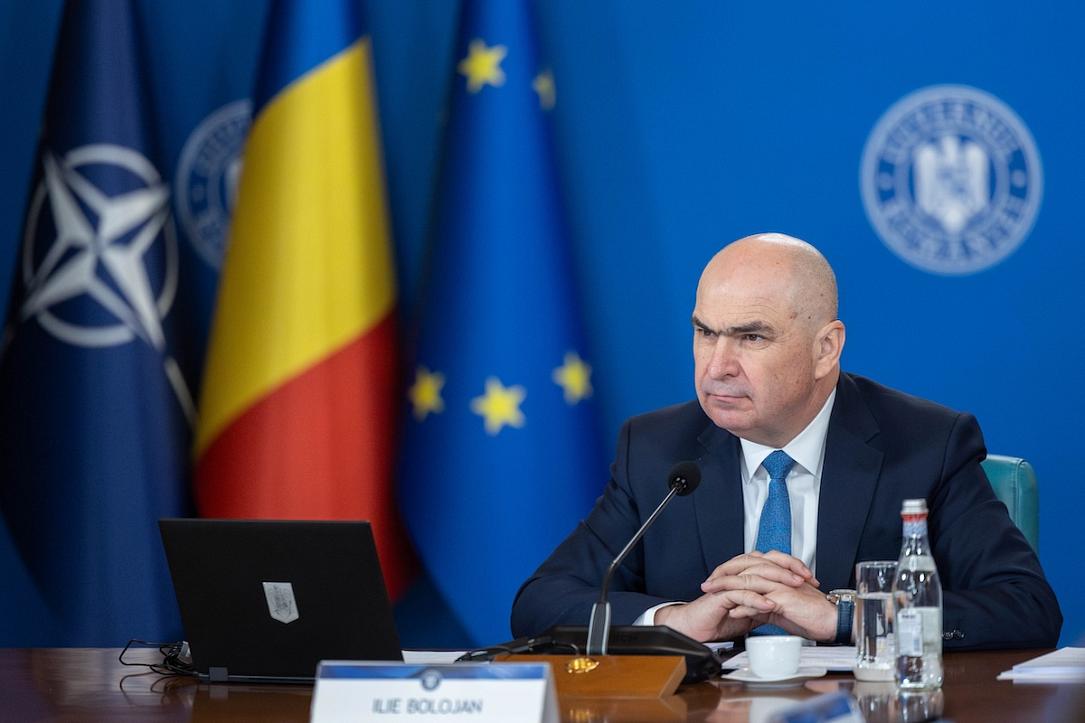
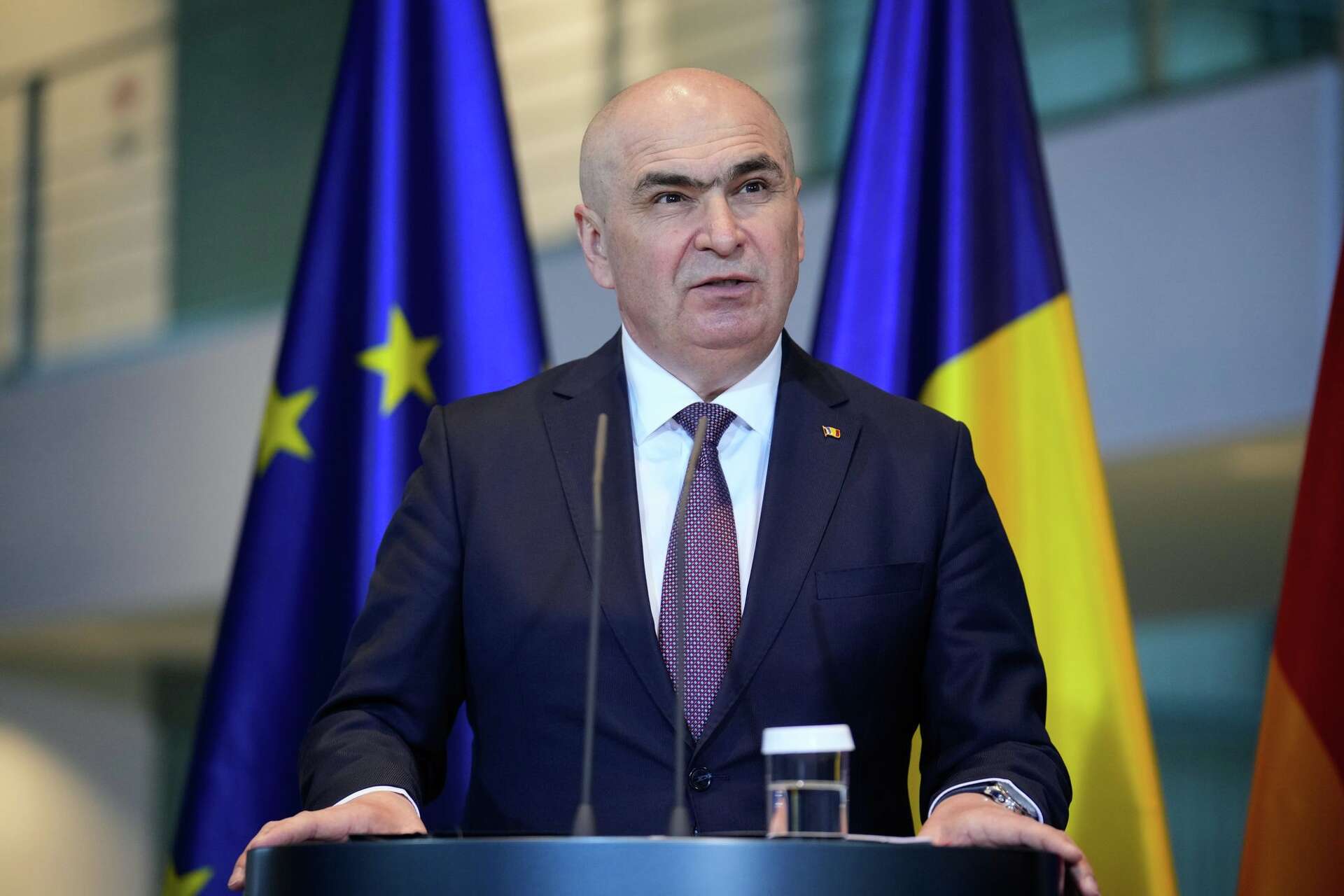
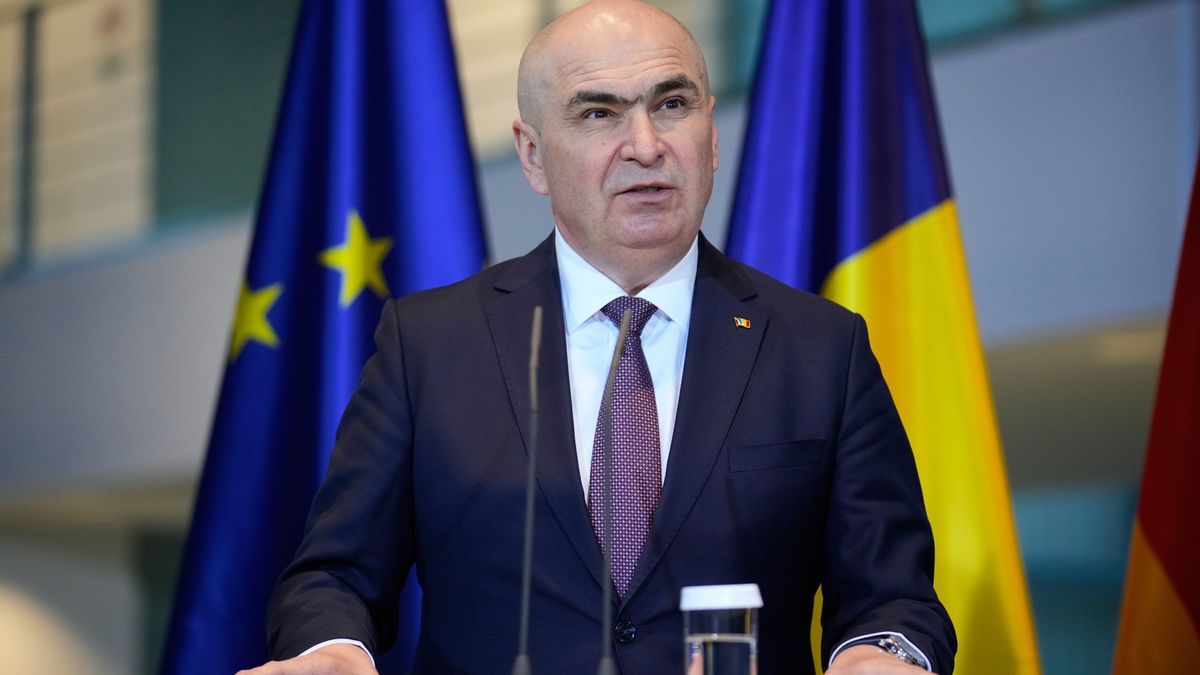
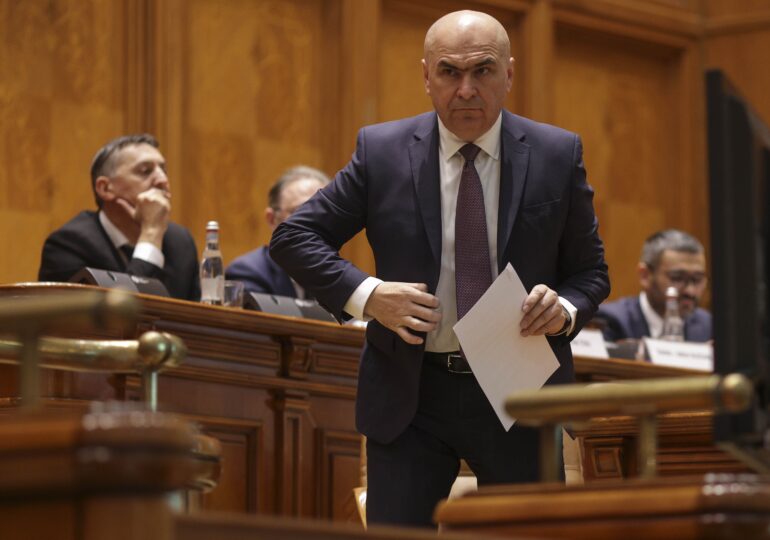
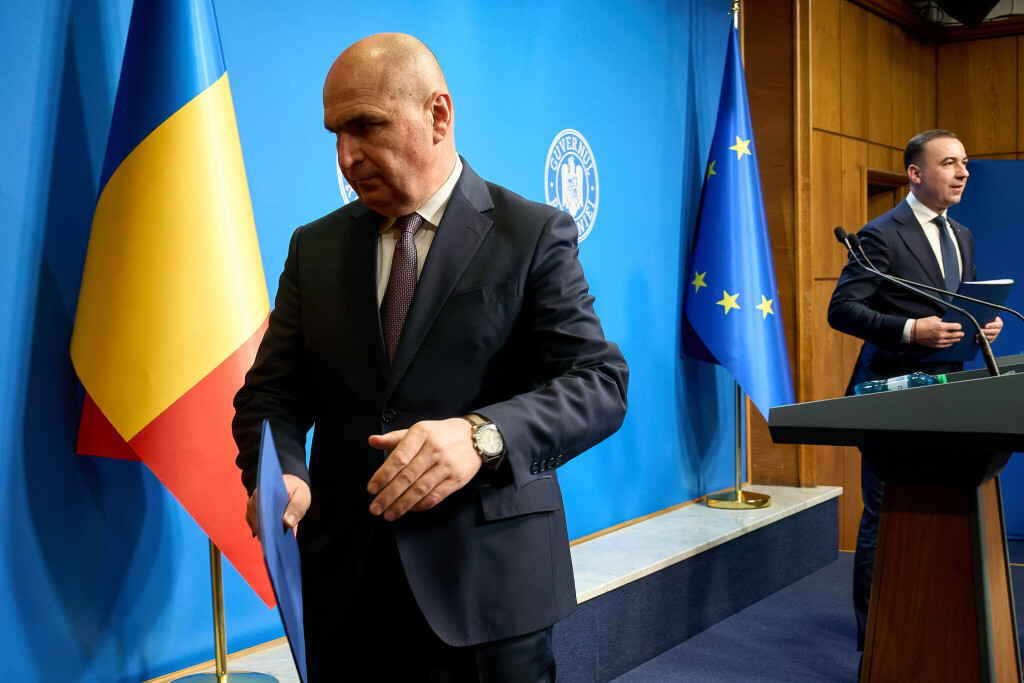
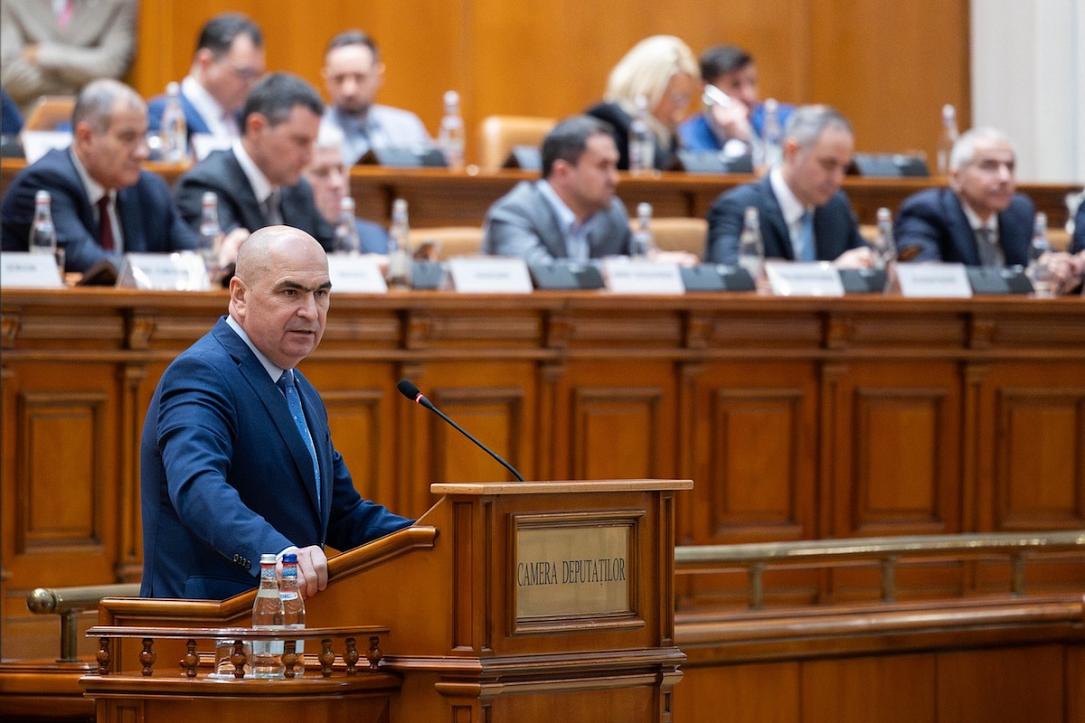
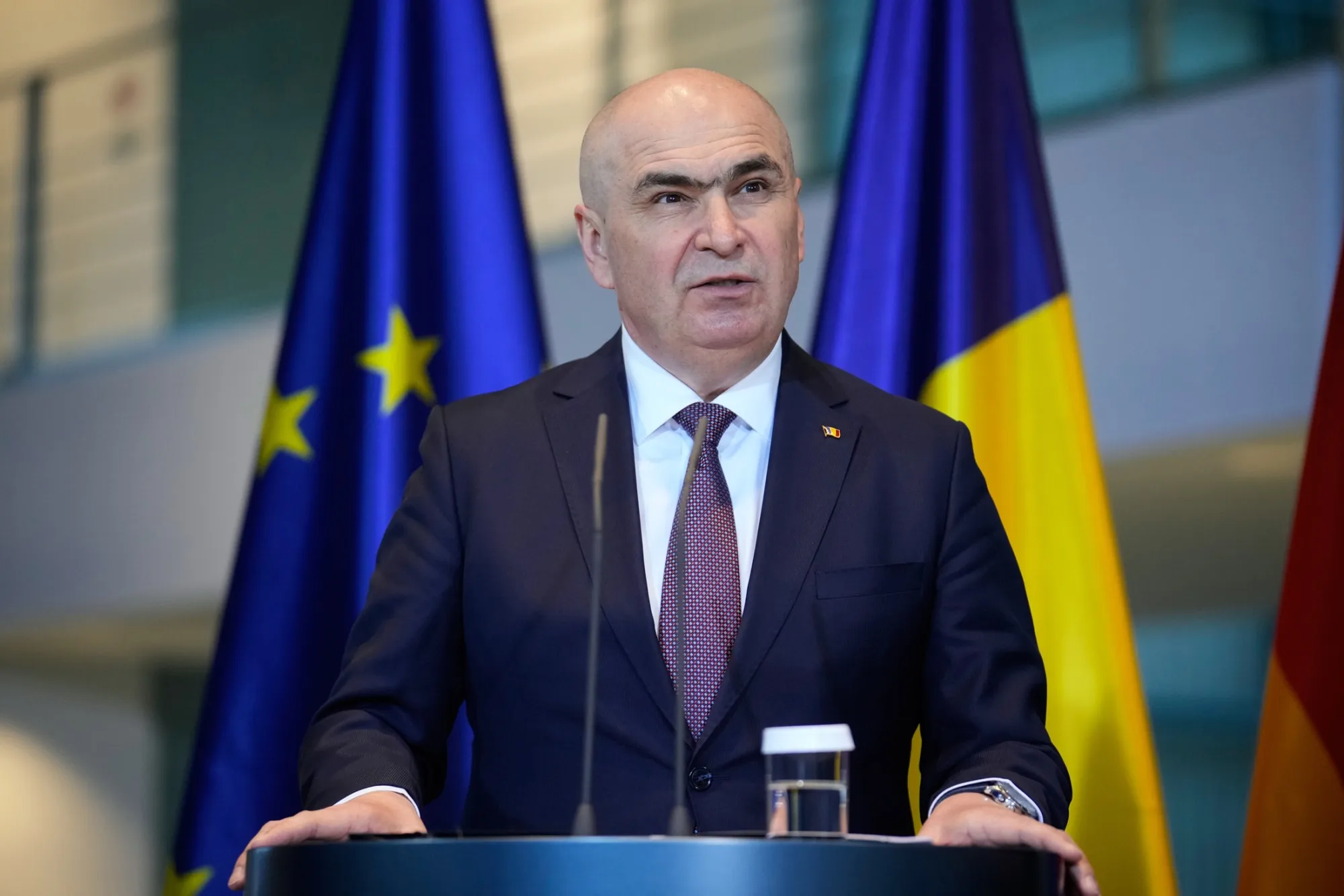
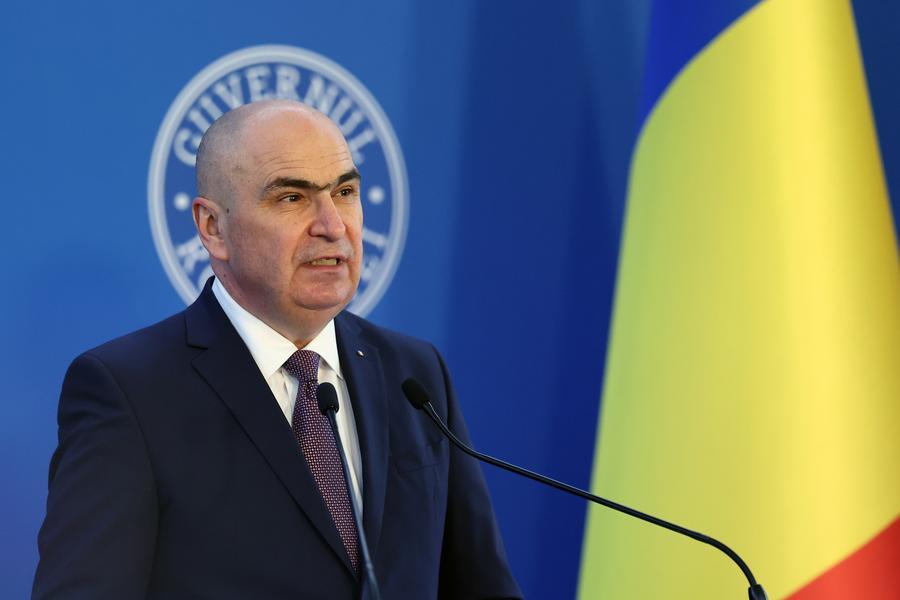
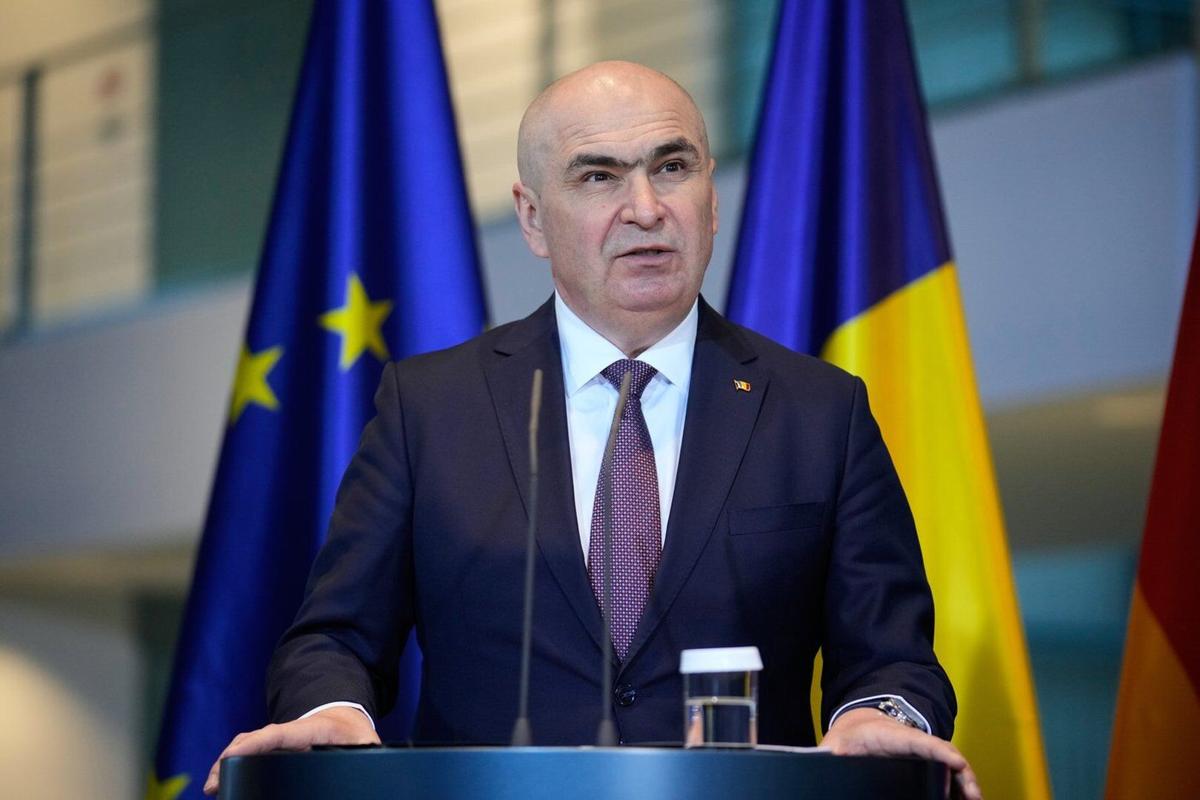
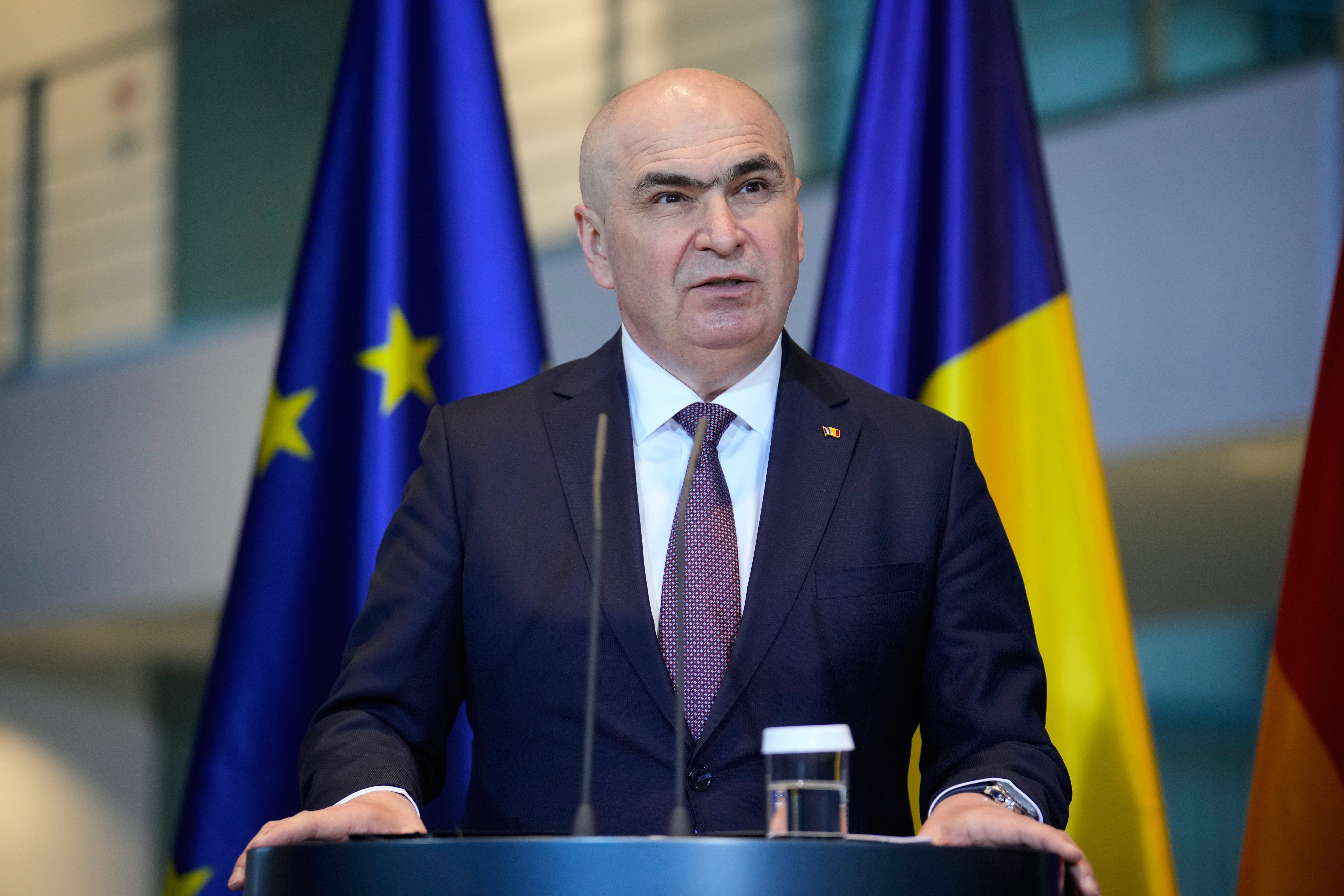
Romania's political instability—triggered by a no-confidence vote scheduled for May 5, 2026, against Prime Minister Ilie Bolojan's pro-European government—creates cascading operational risks for cross-border e-commerce sellers. The coalition between the leftist Social Democrats (PSD) and far-right Alliance for the Union of Romanians (AUR) signals potential policy deadlock during a critical fiscal window. Romania must secure €10+ billion in EU pandemic recovery funds before August 2026 while reducing its budget deficit from 9% to 6.2% of GDP to maintain investment-grade credit status. Loss of this rating would cost Romania €23 billion in higher debt servicing over five years, directly compressing margins for payment processors, 3PL providers, and e-commerce platforms operating in the market.
Immediate operational impact: Political uncertainty delays critical infrastructure investments and regulatory clarity needed for smooth cross-border transactions. Payment processing costs will likely increase as local financial institutions face higher borrowing costs. VAT compliance frameworks and customs procedures remain in flux during the government transition period, creating compliance risk for sellers managing Romanian inventory or fulfillment operations. The broader European context—with the 2024 EU election producing the most right-wing Parliament in EU history and populist parties gaining influence across Netherlands, Italy, Sweden, Croatia, and Austria—suggests regulatory fragmentation may accelerate across Central Europe.
Strategic seller implications: Sellers with significant Romanian exposure face 2-4 month policy deadlock risk if the government falls. Currency volatility may increase as Romania's credit risk premium widens, affecting pricing strategies for sellers using EUR-based payment processors. The potential credit downgrade would increase borrowing costs for local logistics providers, potentially raising fulfillment fees by 5-8% for sellers using Romanian 3PL networks. President Nicusor Dan is expected to rebuild a pro-EU coalition with an alternative prime minister if Bolojan's government collapses, suggesting eventual policy stabilization—but the transition period creates operational friction. Sellers should monitor government formation timelines (typically 4-8 weeks in EU coalition scenarios) and track any changes to tax policy or regulatory frameworks affecting cross-border operations in this Central European market.
Questions 8
How does Romania's political crisis affect cross-border sellers using local payment processors?
Romania's potential credit rating downgrade would increase borrowing costs for local payment processors and financial institutions by an estimated €23 billion over five years, according to Concordia (Romania's largest employers' association). This cost increase directly translates to higher payment processing fees for sellers—typically 5-8% increases when countries lose investment-grade status. Sellers using Romanian-based payment gateways or 3PL providers should expect fee increases during the government transition period (April-August 2026). Consider switching to international payment processors with diversified funding sources to mitigate this risk.
What is the August 2026 deadline for Romania and why does it matter for sellers?
Romania must secure €10+ billion in EU pandemic recovery and resilience funds before August 2026 while reducing its budget deficit from 9% to 6.2% of GDP to maintain investment-grade credit status. This deadline is critical because policy deadlock during the government transition could delay fund disbursement, forcing Romania to cut infrastructure spending on logistics networks and payment systems. Sellers should monitor government formation progress (typically 4-8 weeks in EU coalition scenarios) and track EU fund announcements. If Romania misses this deadline, expect 2-3 month delays in infrastructure upgrades affecting cross-border transaction processing.