




Middle East Geopolitical Crisis Disrupts Global Shipping Routes | Cross-Border Sellers Face 8-12% Logistics Cost Surge
- Strait of Hormuz instability threatens 20% of global oil/LNG transit; UAE OPEC exit reshapes Persian Gulf trade dynamics; Iran steel export ban impacts industrial sellers; shipping delays expected 2-4 weeks for Asia-Middle East routes















)










Overview
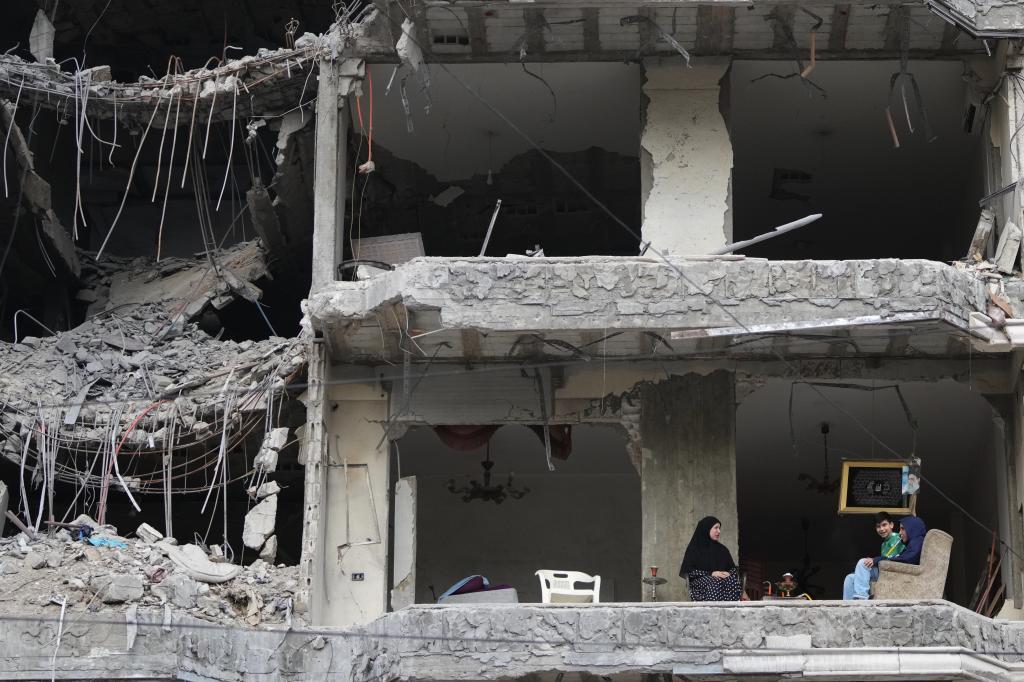
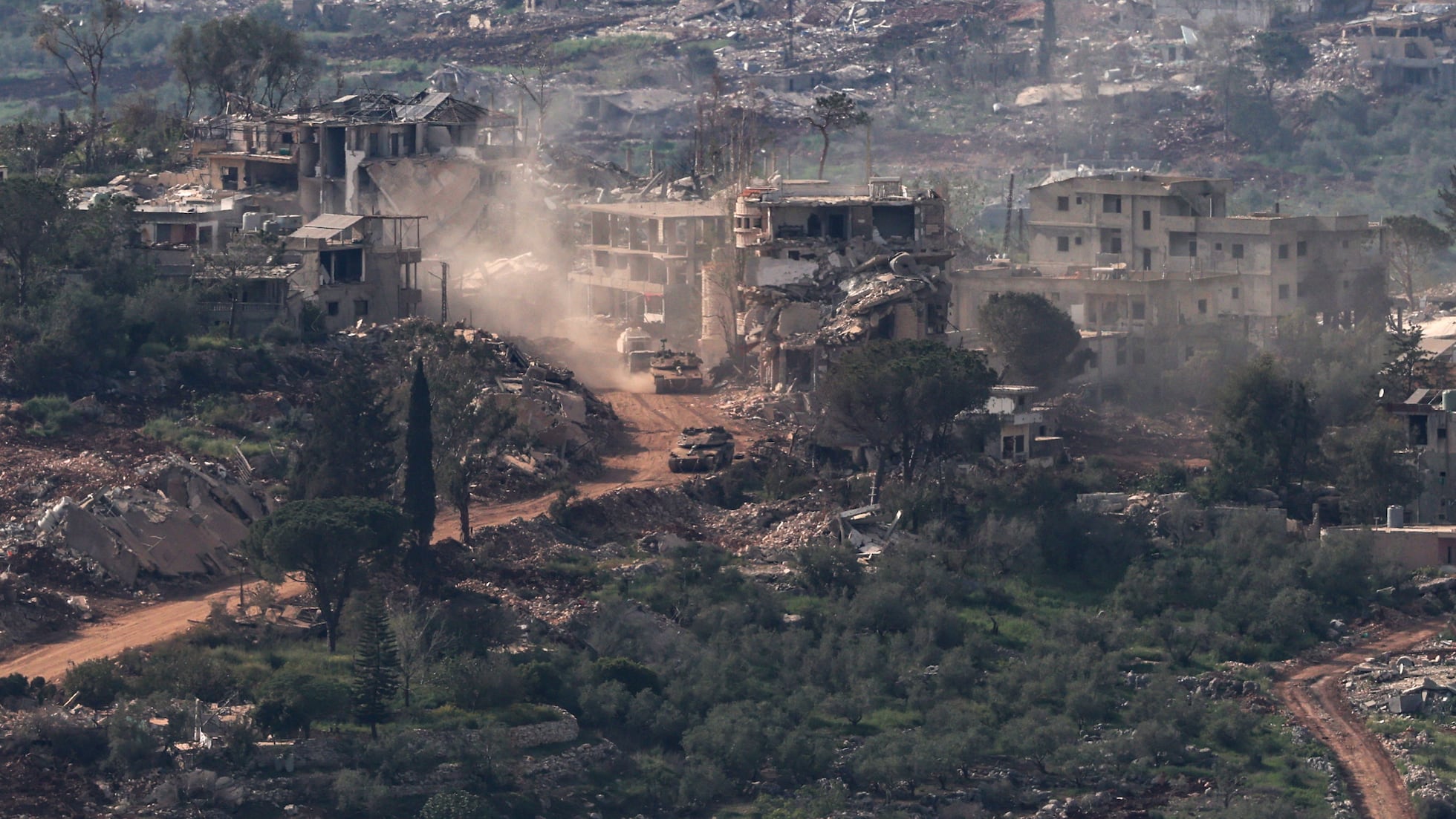
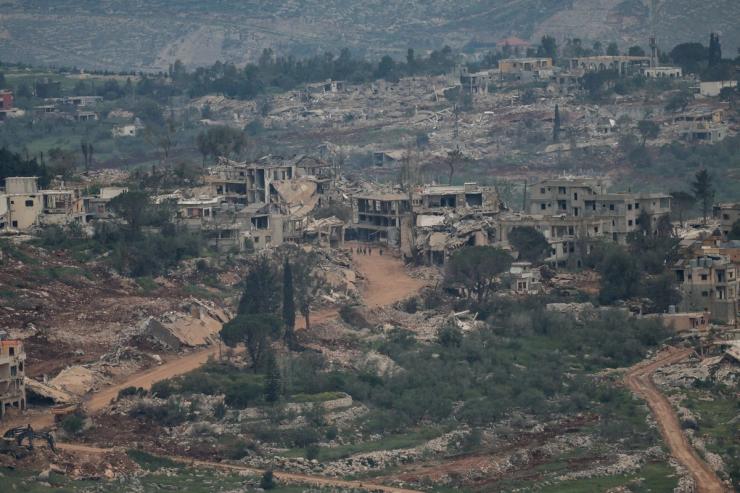
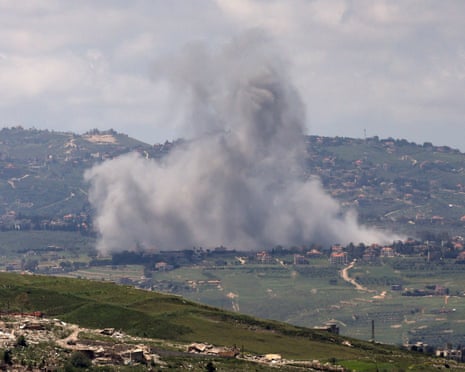
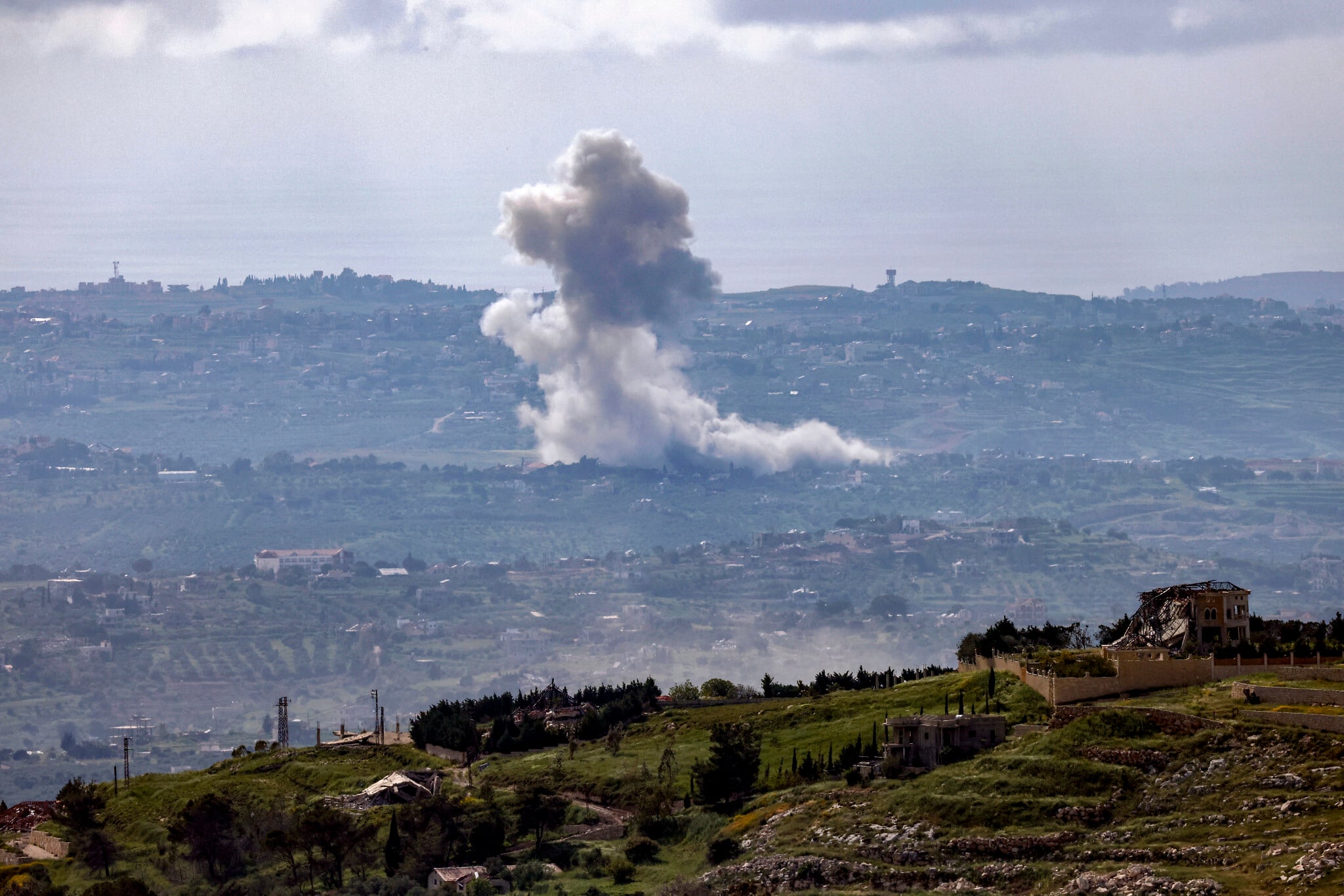
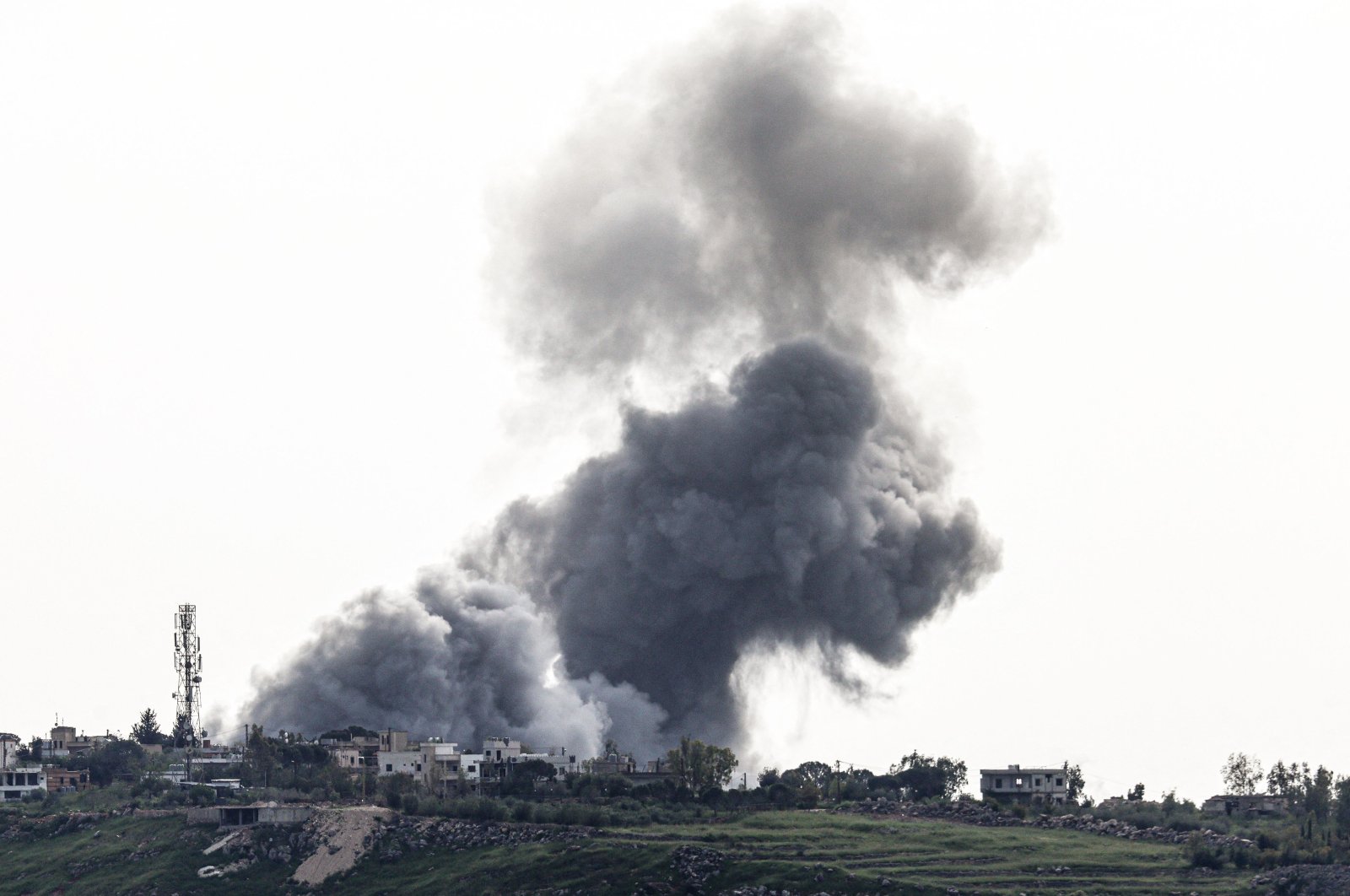
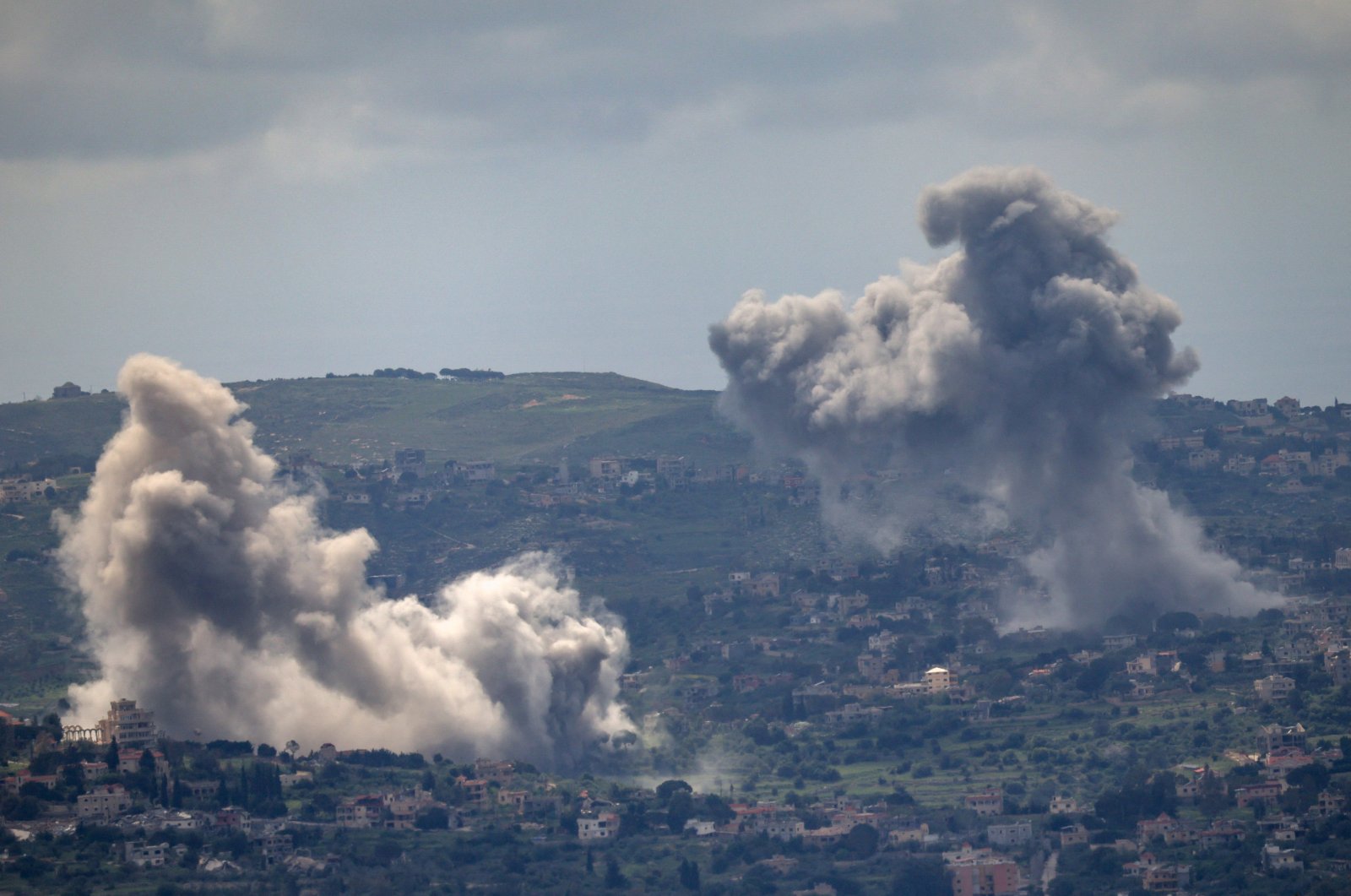
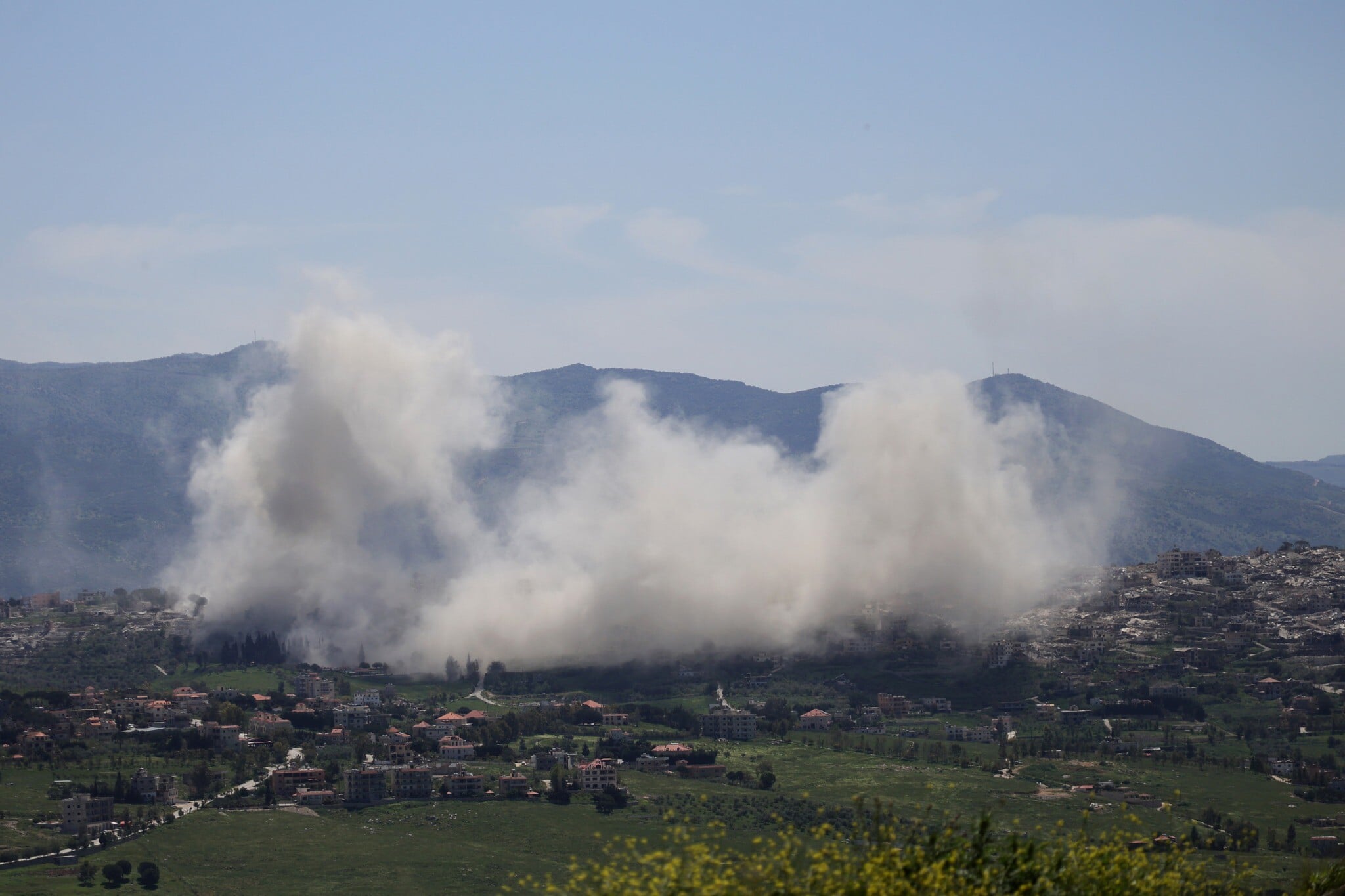
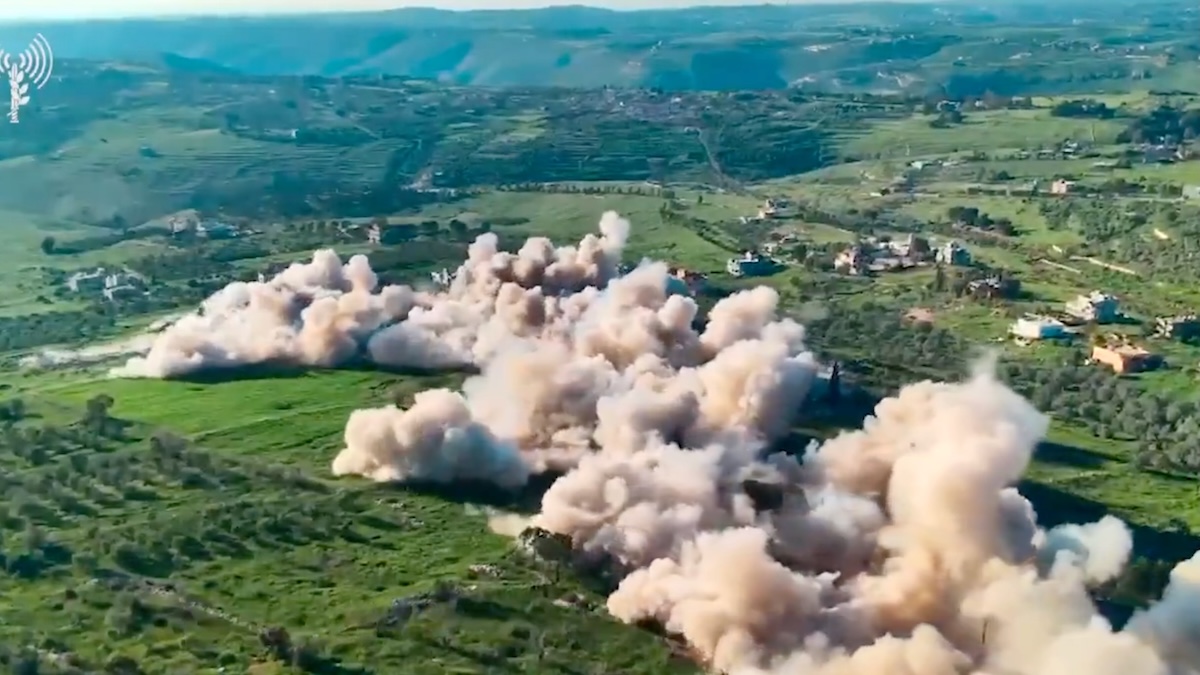
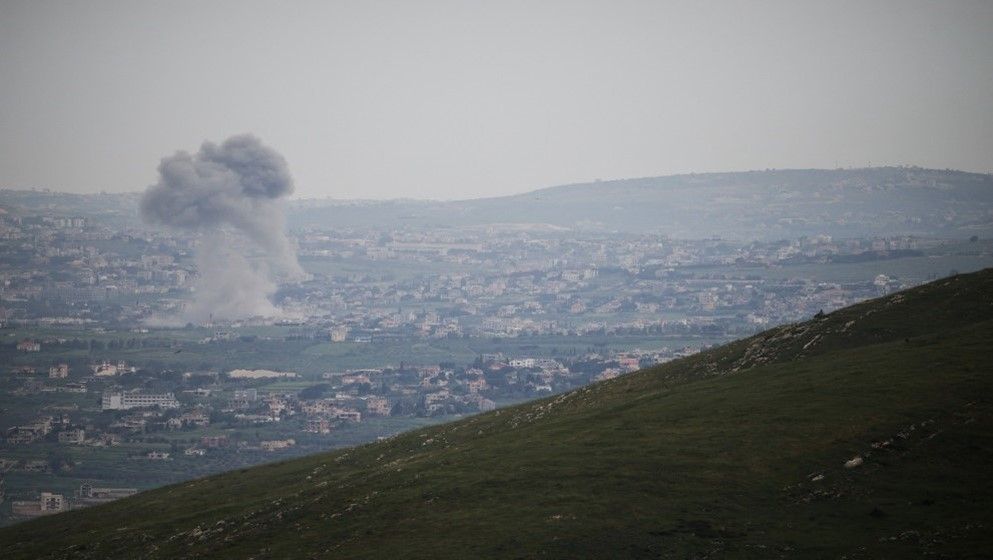
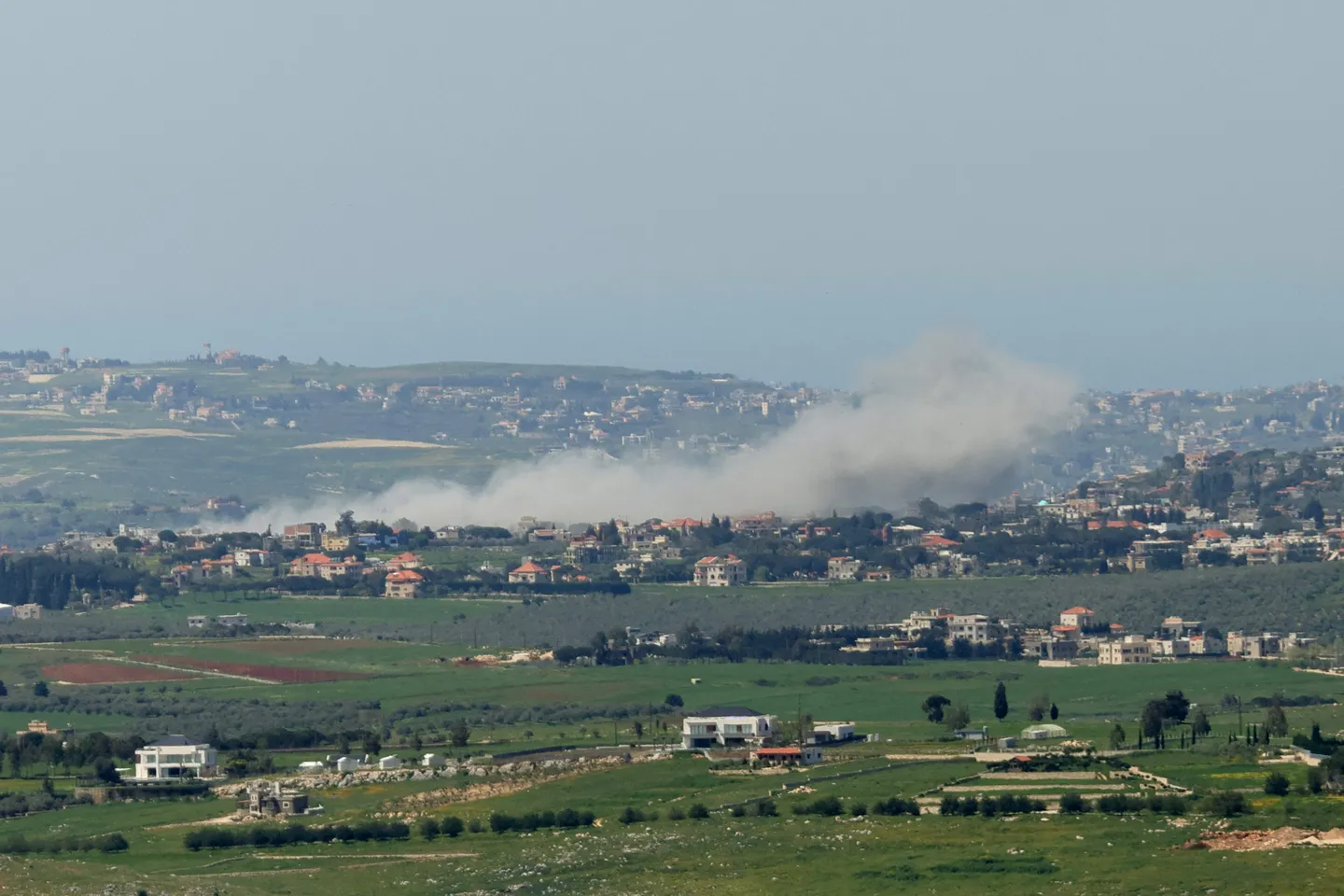
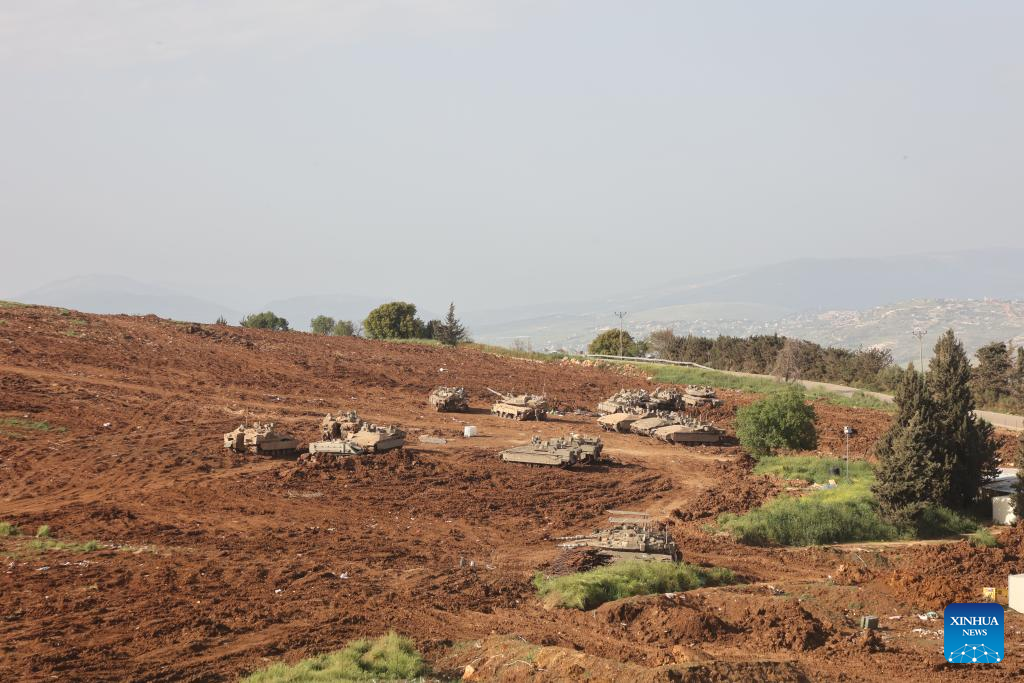
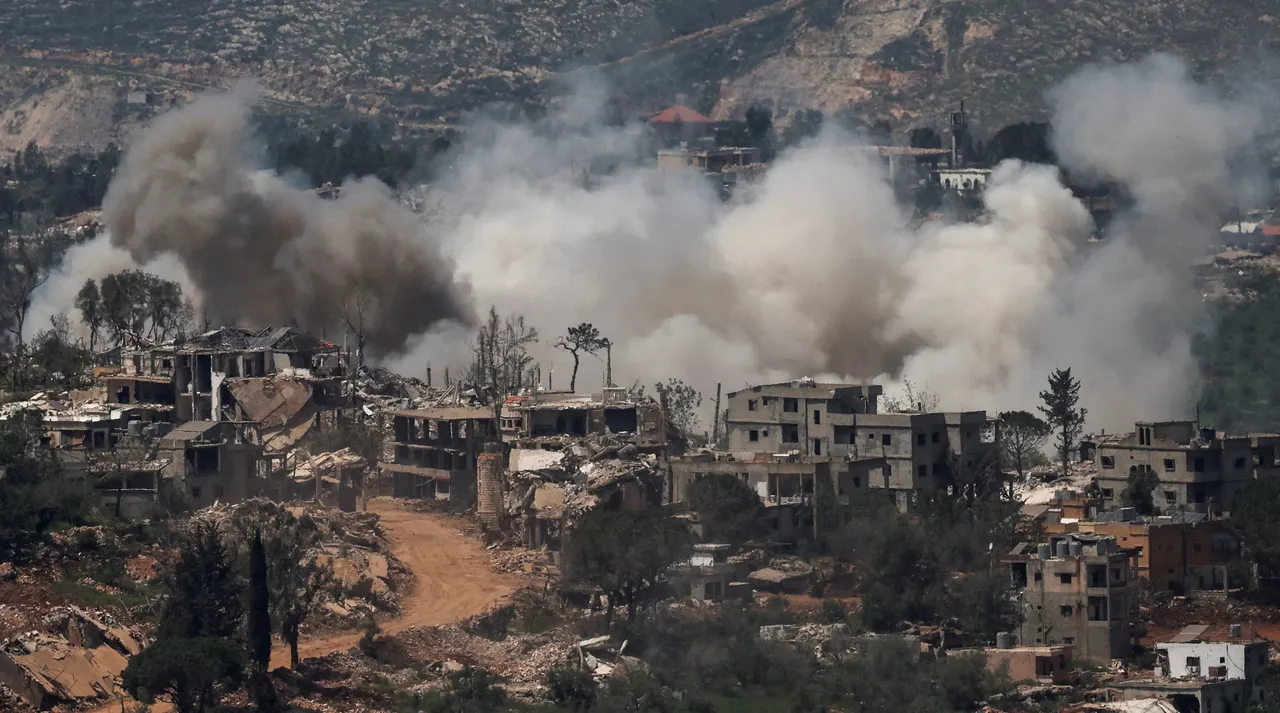
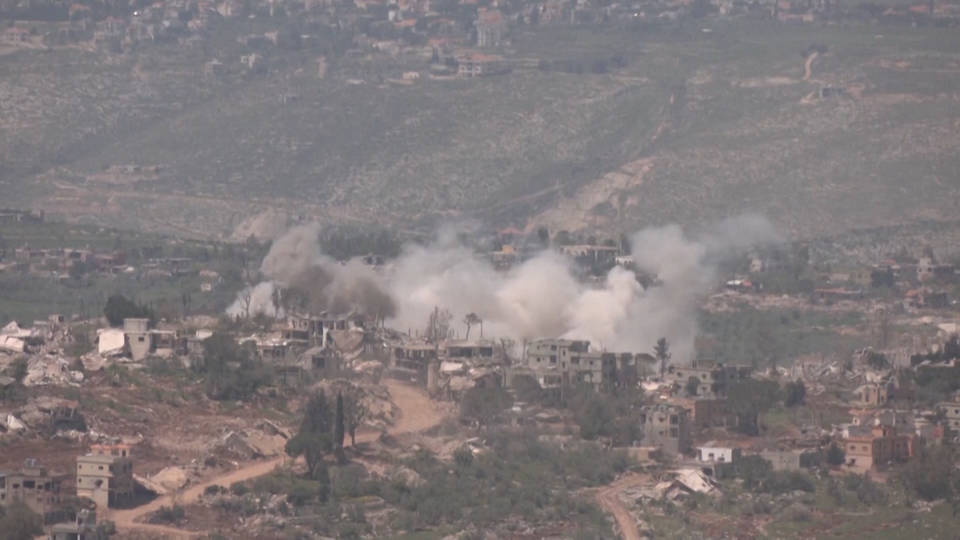
The escalating Israel-Hezbollah conflict and US-Iran tensions are creating significant operational headwinds for cross-border e-commerce sellers, particularly those dependent on Middle Eastern shipping corridors and Asian supply chains. The Strait of Hormuz—through which approximately 20% of the world's oil and liquefied natural gas transits—faces disruption risk from ongoing military operations in southern Lebanon and the Bekaa Valley. The Israeli Defense Force has ordered evacuations of 16 southern Lebanese towns citing ceasefire violations, while military strikes have expanded into eastern Lebanon despite a U.S.-brokered ceasefire established April 16, 2026. This geopolitical instability directly impacts global shipping costs and timelines for sellers importing goods from Asia or exporting to Middle Eastern markets.
Shipping Cost and Supply Chain Implications: The primary e-commerce impact centers on logistics expenses. Oil price volatility driven by Strait of Hormuz disruption risk translates directly to increased shipping costs for sellers using ocean freight from Asia-Pacific regions. Industry analysis suggests sellers importing containerized goods from China, Vietnam, or India to North American or European markets could face 8-12% cost increases on monthly shipments exceeding 1,000 units. The UAE's announced withdrawal from OPEC effective May 1, 2025, adds complexity by potentially increasing regional oil production but creating uncertainty around Persian Gulf shipping route optimization. Sellers with 3PL providers or fulfillment networks dependent on Middle Eastern ports (Dubai, Jebel Ali, Port of Doha) should anticipate 2-4 week delays and premium surcharges on expedited shipping.
Iran's Export Restrictions and Industrial Seller Impact: Iran's ban on steel product exports following airstrikes on its steel industry creates secondary supply chain risks for sellers sourcing industrial materials, manufacturing equipment, or steel-based products. While US sanctions already severely limit direct trade with Iranian suppliers, sellers relying on third-party sourcing from Iranian-origin materials through intermediaries face potential supply disruptions. The US Treasury Secretary's report that Iran's oil production is shutting down due to American blockades of the Strait of Hormuz signals escalating economic pressure that could cascade through regional supply chains. Sellers in industrial equipment, machinery parts, and construction materials categories should diversify sourcing away from Iran-dependent suppliers immediately.
Regional Market Volatility and Payment Processing: The conflict's expansion into the Bekaa Valley (April 27, 2026) and continued ceasefire violations create broader regional instability affecting e-commerce platforms and payment processing services in the Middle East. Sellers with active operations on regional marketplaces (Noon.com, Souq.com, or localized Amazon Middle East operations) face potential payment processing delays, currency fluctuation risks, and reduced consumer purchasing power as regional economic uncertainty increases. The conflict has resulted in over 2,500 deaths since March 2, 2026, creating humanitarian displacement that reduces consumer spending capacity in affected regions. Sellers targeting Middle Eastern markets should expect 15-25% demand reduction in conflict-adjacent regions (Lebanon, southern Syria border areas) through Q2-Q3 2026.
Questions 8
How will Strait of Hormuz disruptions affect my shipping costs from Asia?
Sellers importing containerized goods from Asia face 8-12% cost increases on monthly shipments exceeding 1,000 units due to oil price volatility and potential route diversions around the Strait of Hormuz. The corridor handles approximately 20% of global oil and LNG transit, making disruptions directly impact ocean freight pricing. Expect 2-4 week delays on standard Asia-to-US/EU routes as carriers reroute around conflict zones. Monitor freight indices weekly and consider locking in rates with 3PL providers before further escalation. Diversify sourcing to Vietnam or Indonesia to reduce dependency on Chinese ports that feed Hormuz-dependent routes.
Should I adjust my supply chain sourcing away from Iran?
Yes, immediately diversify away from any Iran-dependent suppliers or third-party sourcing arrangements. Iran's steel export ban and reported oil production shutdown due to US blockades create supply chain vulnerability for industrial materials, machinery parts, and construction equipment sellers. While US sanctions already limit direct trade, indirect sourcing through intermediaries faces disruption risk. Identify alternative suppliers in Turkey, India, or Southeast Asia within 30 days. For sellers in industrial categories, this represents a critical compliance and operational risk that could trigger payment processing issues if sanctions-related materials are inadvertently sourced.