




Strait of Hormuz Blockade Triggers 83% Shipping Collapse | Cross-Border Sellers Face $110/Barrel Oil Crisis
- Maritime traffic plummets from 150+ to 25 daily vessels; 800 stuck ships; oil prices surge to $110/barrel; sellers face 15-25% shipping cost increases and 2-4 week delays on Middle East/Asia routes










)




Overview
The Strait of Hormuz blockade, intensifying since late February 2026 following Iran-U.S. conflict escalation, represents a critical supply chain crisis for cross-border e-commerce sellers. Daily maritime traffic has collapsed 83% from 150+ vessels to fewer than 25, with approximately 800 vessels stranded near the passage affecting 20,000 mariners. This chokepoint, through which 20% of global crude oil and significant LNG supplies normally transit, now requires Iranian Revolutionary Guards approval for passage, while the U.S. maintains a parallel blockade. Oil prices have surged to $110 per barrel with further increases anticipated, directly impacting shipping costs across all logistics corridors.
For cross-border sellers, this creates immediate operational and financial pressures. Sellers routing inventory through Middle Eastern ports (Dubai, Port Rashid, Oman) face 2-4 week delays as alternative routing around Africa adds 8,000+ nautical miles and 10-14 additional days to transit times. Shipping costs for containerized goods have increased 15-25% as carriers reroute through the Cape of Good Hope, with fuel surcharges escalating weekly. Sellers dependent on just-in-time inventory from Asia-Pacific suppliers (Vietnam, India, Thailand) to Middle Eastern distribution hubs now experience severe bottlenecks. The blockade particularly impacts sellers in energy-intensive categories: electronics (requiring petroleum-based packaging), textiles (synthetic fibers), plastics, and chemicals—all experiencing upstream cost pressures from elevated crude prices.
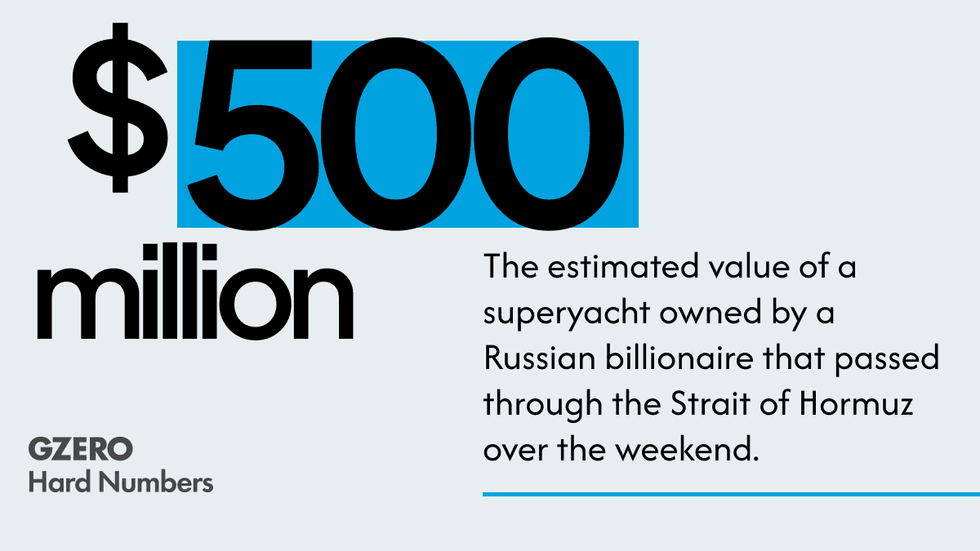
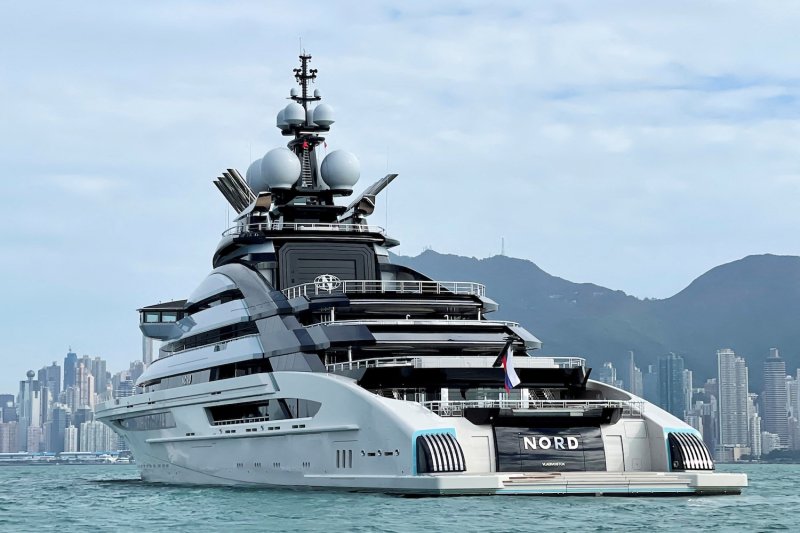
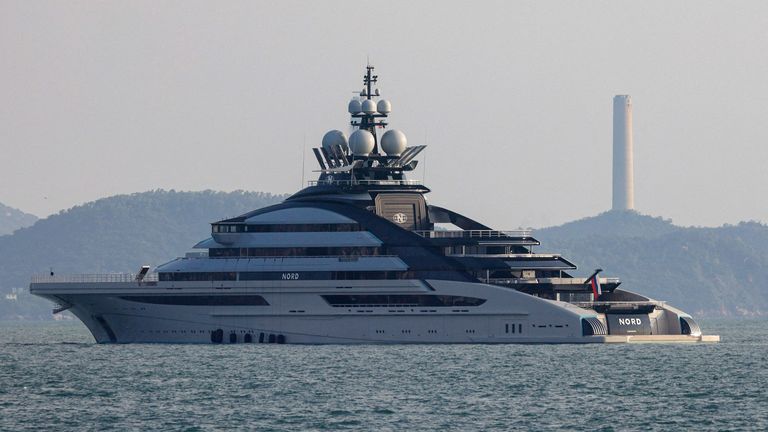
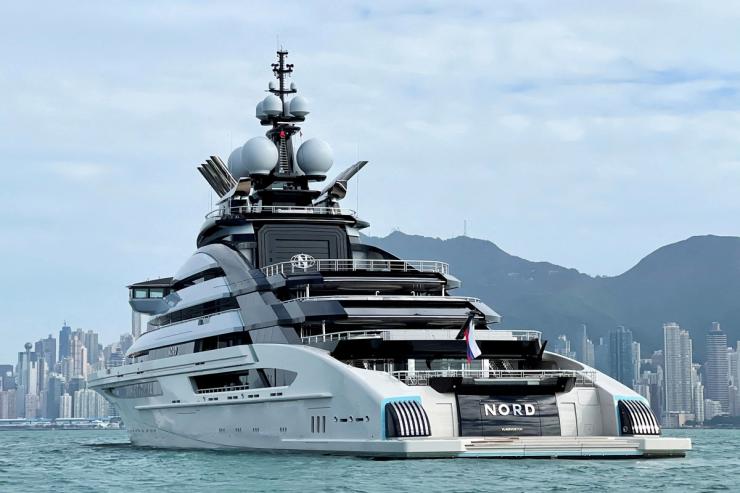
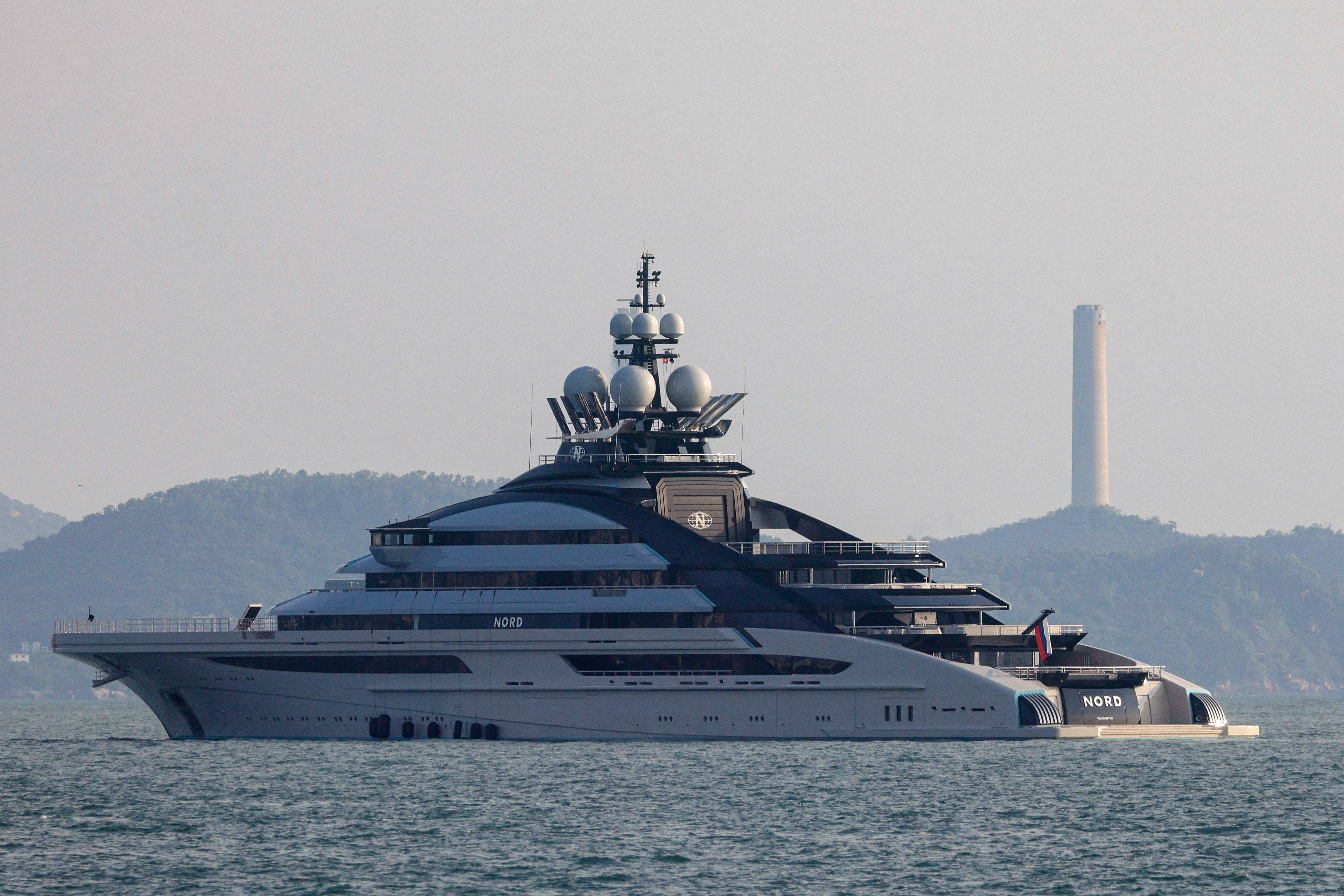
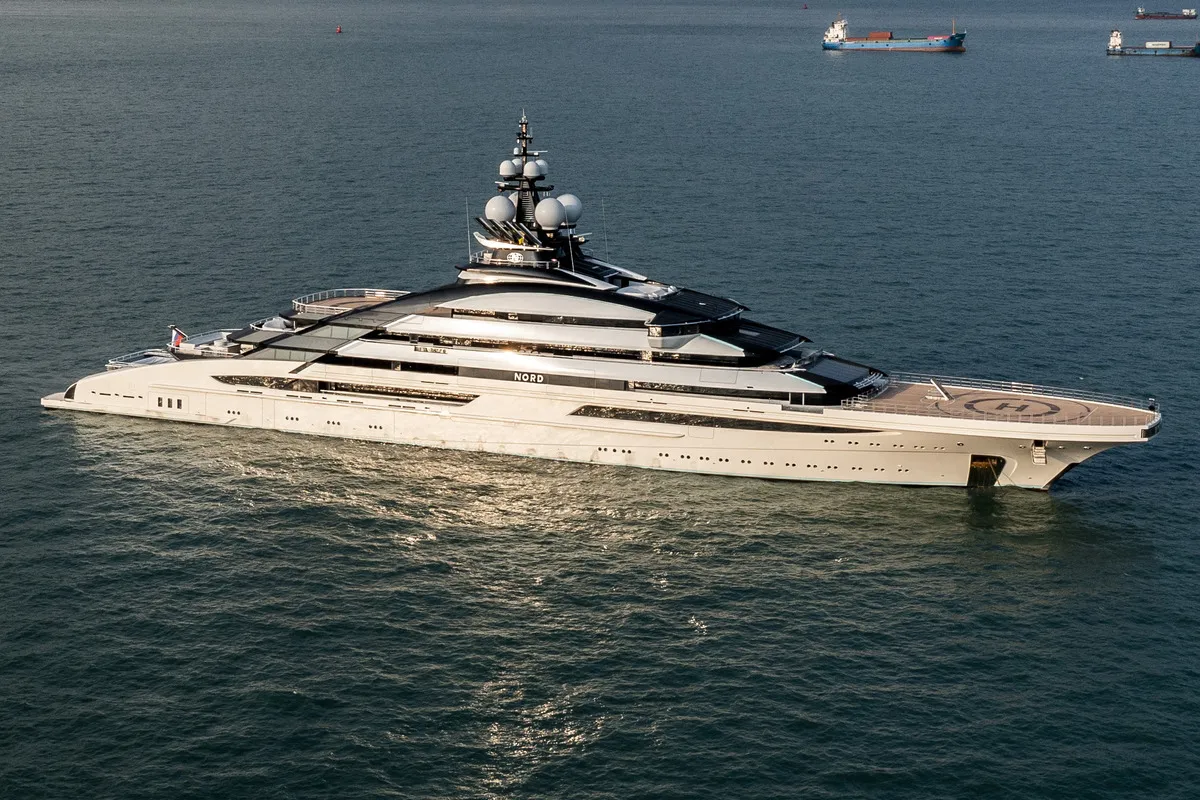
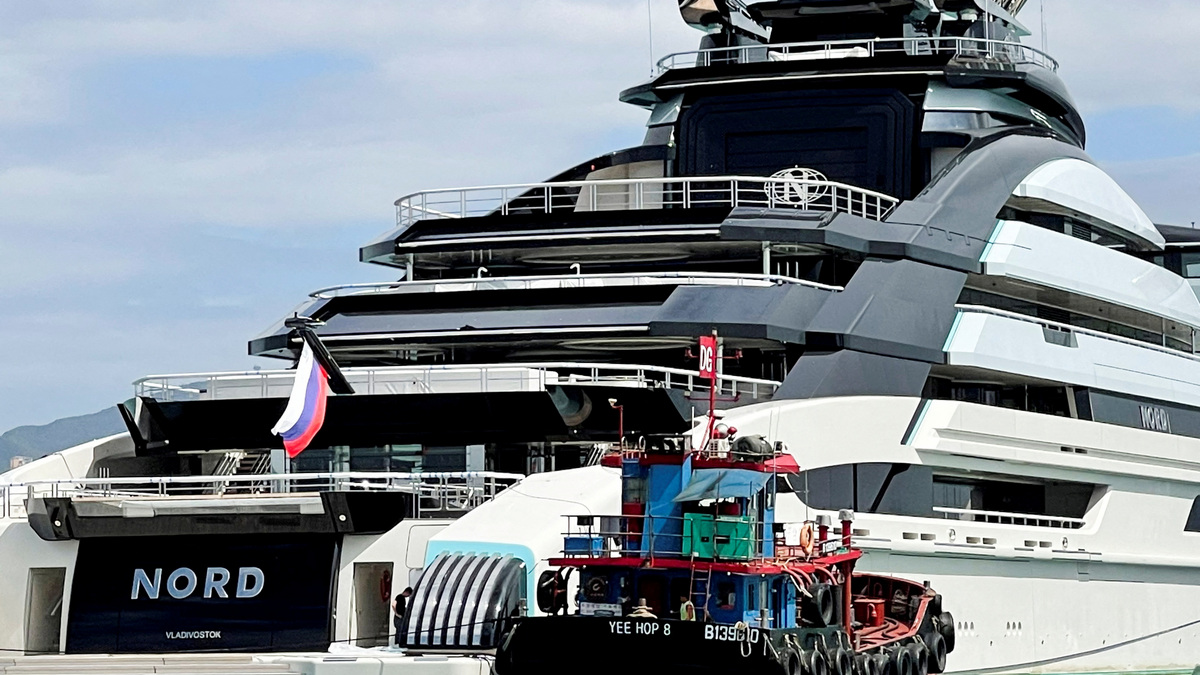
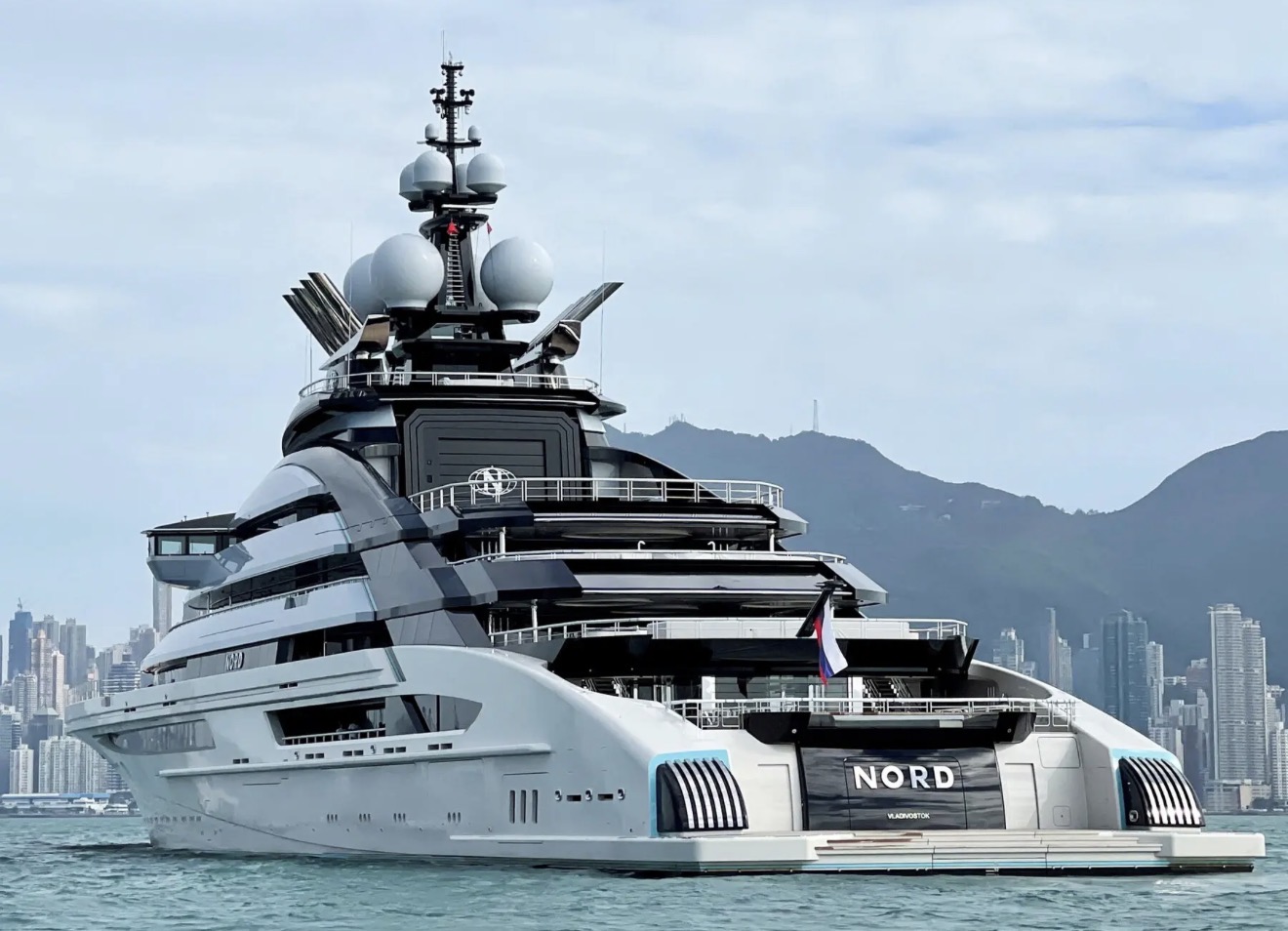
Strategic sourcing implications are reshaping competitive dynamics. Sellers previously leveraging Dubai's Port Rashid as a transshipment hub for Asia-to-Europe routes must now evaluate alternative corridors: direct Asia-to-Europe via Suez Canal (still operational but congested), Asia-to-U.S. West Coast routes, or air freight for high-margin goods. This creates a 6-12 month window where smaller sellers (1-50 SKU operations) lack agility to adapt, while larger 3PL-integrated sellers can negotiate alternative routing. The incident involving Russian oligarch Mordashov's $500M yacht successfully transiting on April 26-27, 2026, demonstrates that geopolitical relationships and diplomatic channels can override blockade restrictions—suggesting potential selective exemptions for strategic goods or politically-aligned traders, creating compliance uncertainty for Western sellers.
Compliance and sanctions complexity intensifies. Sellers must now verify that shipments don't inadvertently support sanctioned Russian or Iranian entities, as the blockade enforcement involves both U.S. and Iranian authorities. Shipping insurance premiums have increased 20-30% for Hormuz transit, with many insurers refusing coverage entirely. Sellers should immediately audit their supply chain: identify which suppliers/routes depend on Hormuz passage, calculate cost impact (typically $200-800 per 40ft container), and evaluate 90-day inventory buffers to mitigate delays. The blockade's duration remains uncertain—peace negotiations between Iran and Russia suggest potential resolution, but current trajectory indicates 6+ month disruption minimum.
Questions 8
How does the Strait of Hormuz blockade affect my shipping costs as a cross-border seller?
The blockade has increased shipping costs 15-25% for sellers routing through Middle Eastern ports, with oil prices surging to $110/barrel. A standard 40ft container from Asia to Europe now costs $200-800 more due to fuel surcharges and rerouting around Africa (adding 10-14 days). Sellers using Dubai's Port Rashid as a transshipment hub face the steepest increases. Insurance premiums have jumped 20-30%, with many carriers refusing Hormuz coverage entirely. Calculate your current Hormuz-dependent routes immediately and budget for sustained elevated costs through at least Q3 2026.
What shipping delays should I expect for inventory transiting the Middle East?
Standard transit times have increased 2-4 weeks for goods routing through the Strait of Hormuz. Daily maritime traffic has collapsed 83% (from 150+ to 25 vessels), with 800 ships currently stranded. Alternative routing via Cape of Good Hope adds 8,000+ nautical miles and 10-14 additional days. Sellers should implement 90-day inventory buffers for Asia-to-Europe shipments and consider air freight for high-margin goods (electronics, luxury items) where margin compression from shipping costs exceeds air freight premiums. Monitor peace negotiations between Iran and Russia—resolution could restore normal transit within 6-12 months.