

Strait of Hormuz Blockade Reshapes Global Supply Chains | Critical Tariff & Sourcing Implications for Cross-Border Sellers
- 95% reduction in daily merchant vessel passages (from 125-140 to handful) creates $2-5B shipping cost inflation; sellers must pivot sourcing from Middle East/Asia routes by Q2 2026



)














Overview
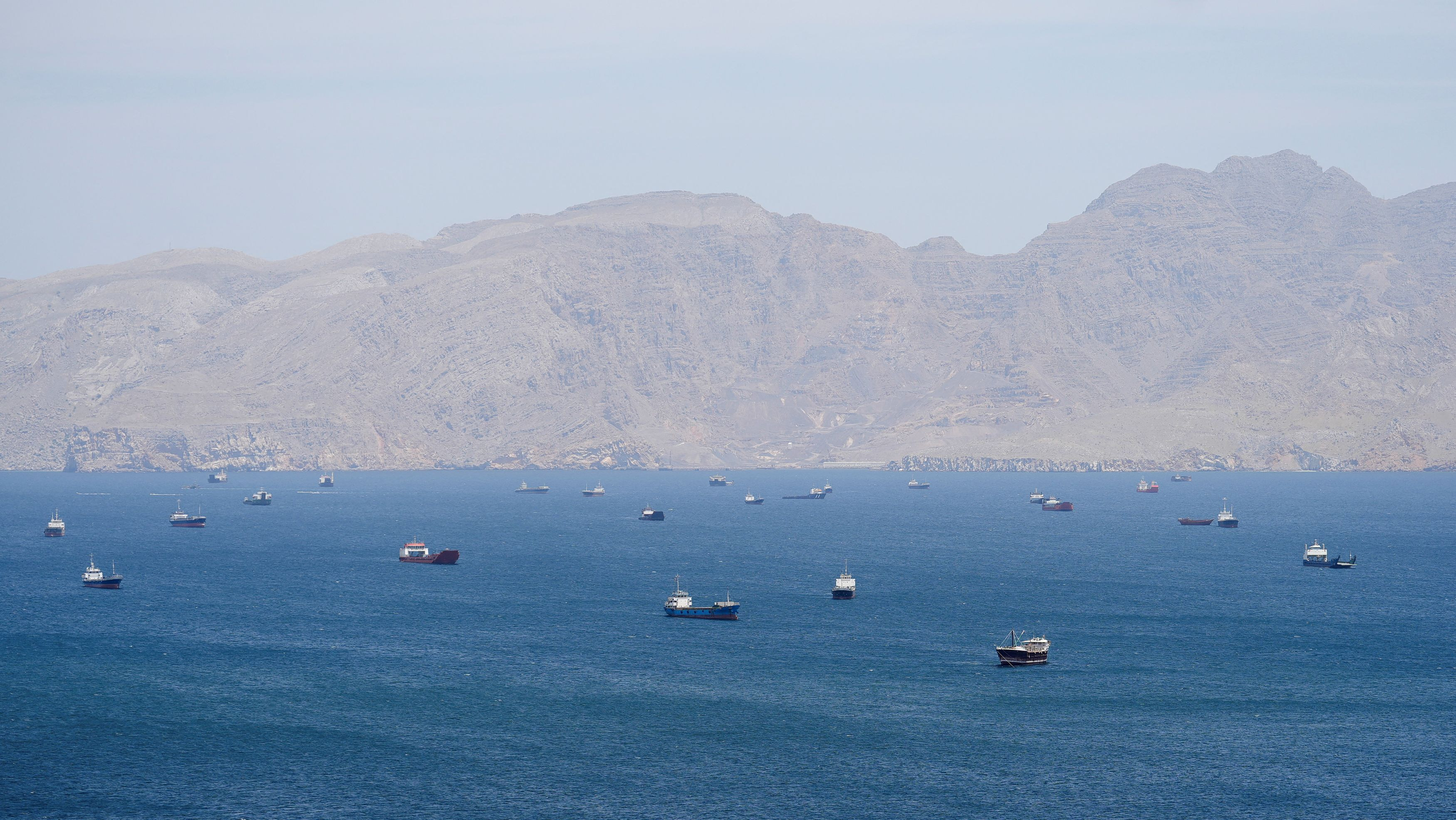
The Strait of Hormuz blockade (effective February 2026) represents a fundamental restructuring of global maritime trade corridors, with direct implications for cross-border e-commerce sellers relying on Asia-Middle East-Europe supply chains. The waterway, which normally handles approximately one-fifth of global oil and natural gas supplies, has experienced a 95% reduction in merchant vessel traffic (from 125-140 daily passages to only a handful), as both Iran and the United States maintain competing restrictions requiring Revolutionary Guards approval or US blockade compliance.
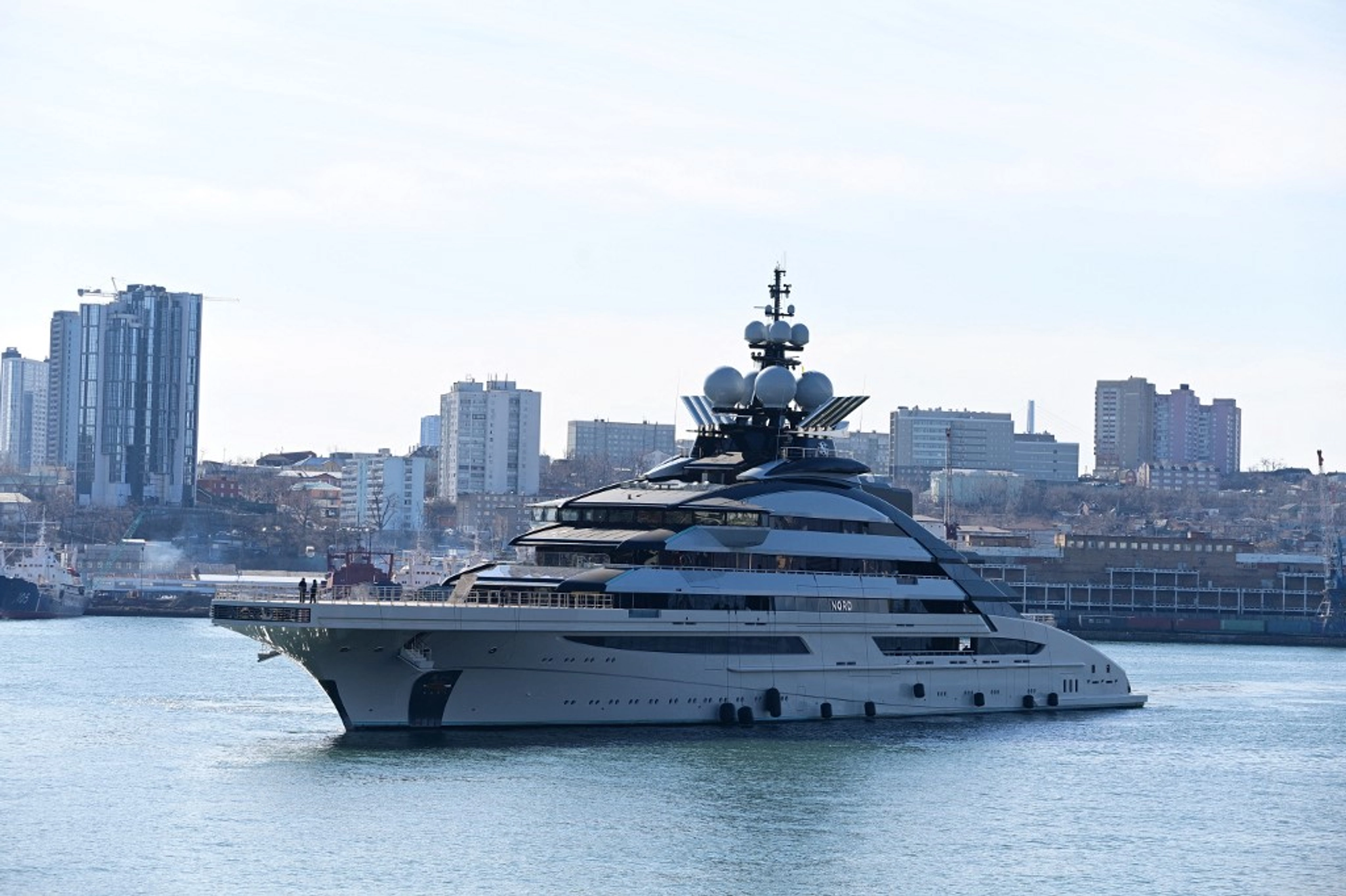
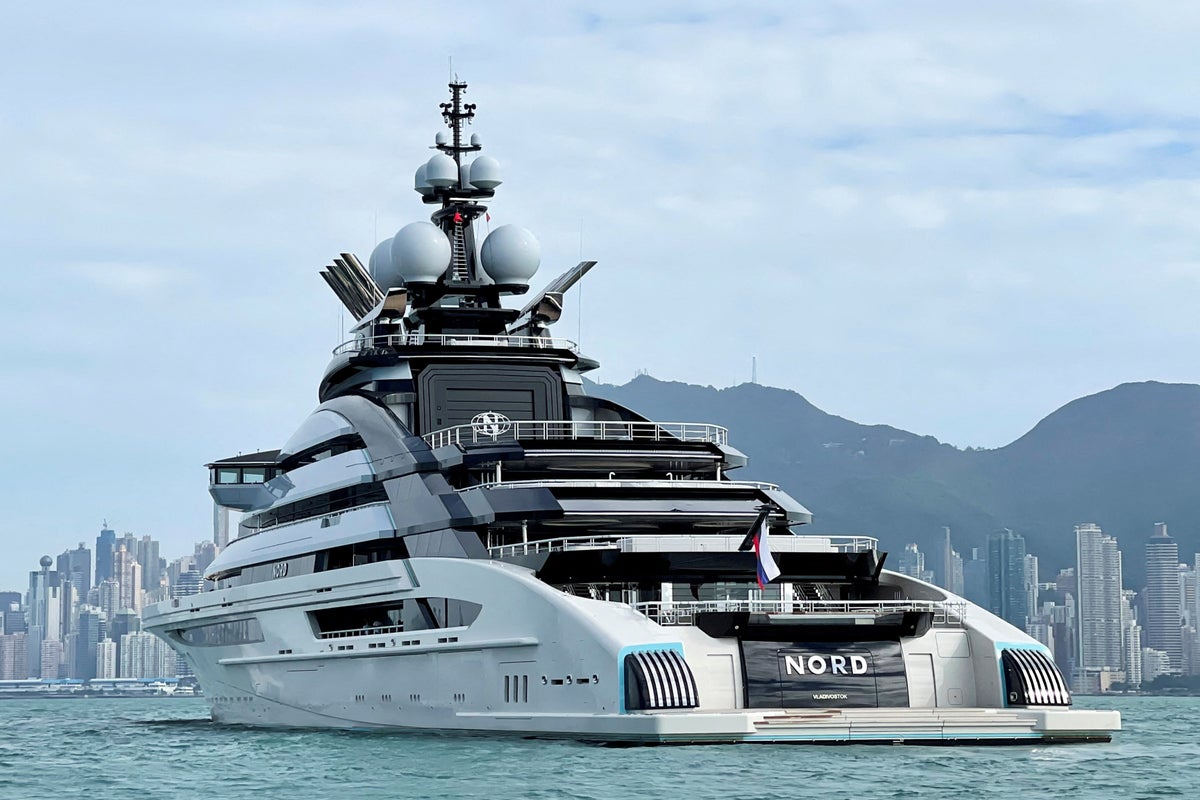
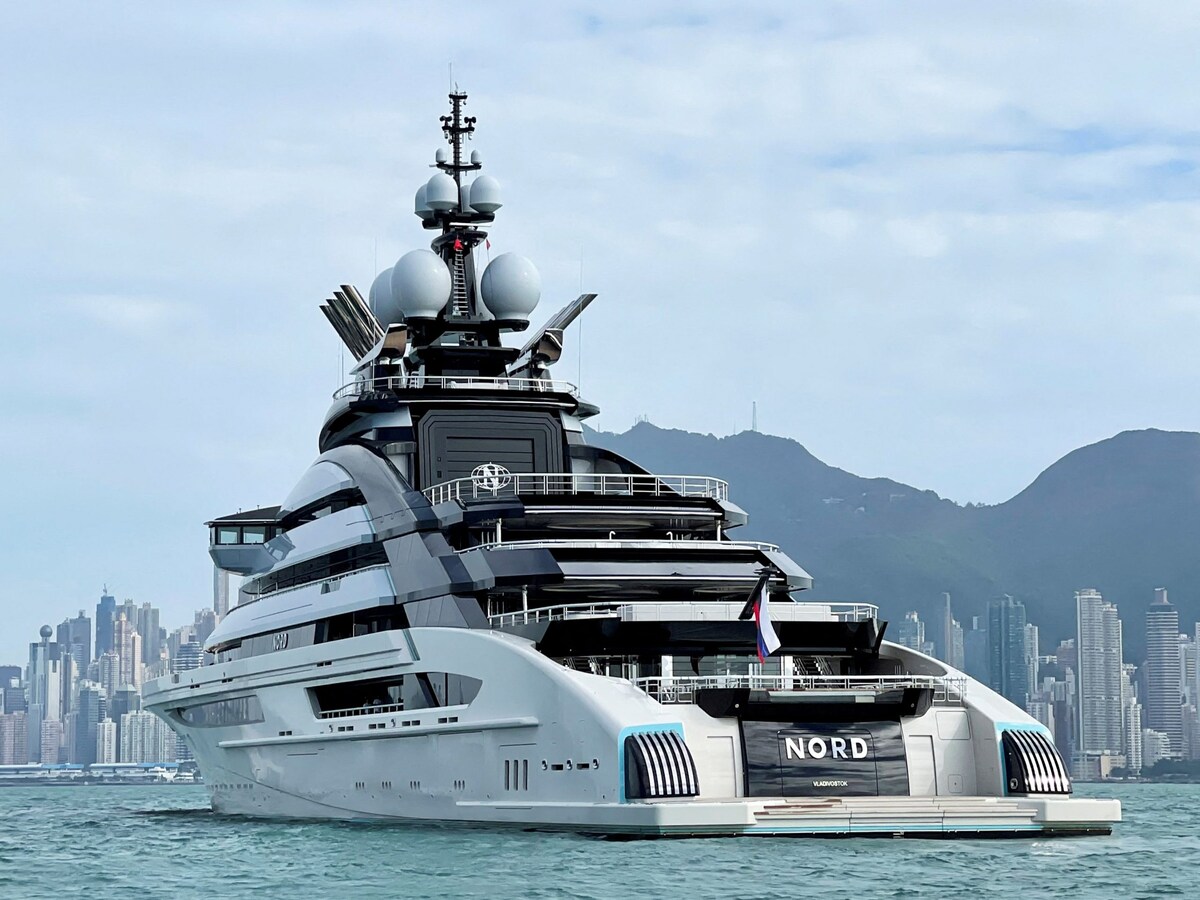
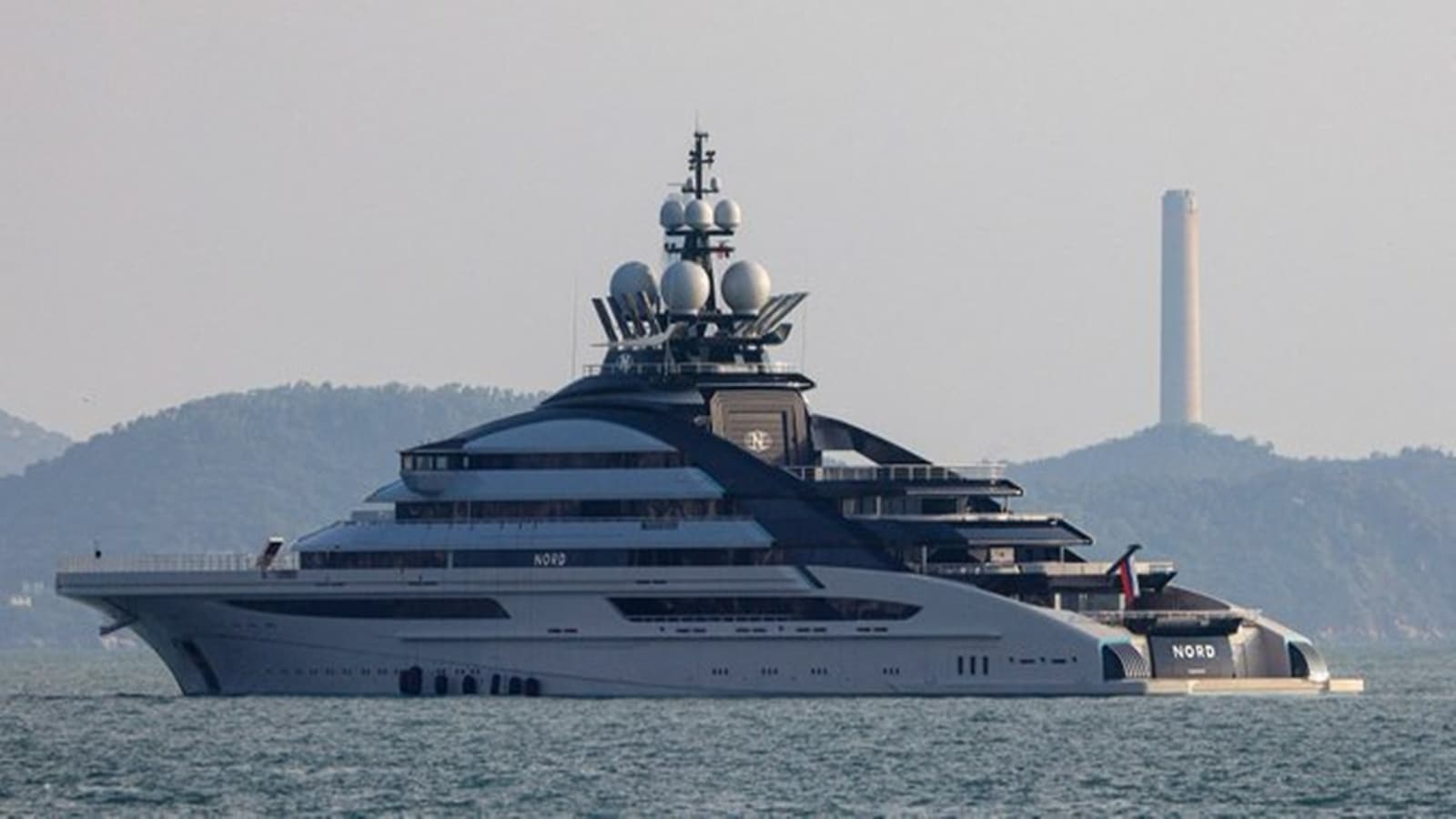
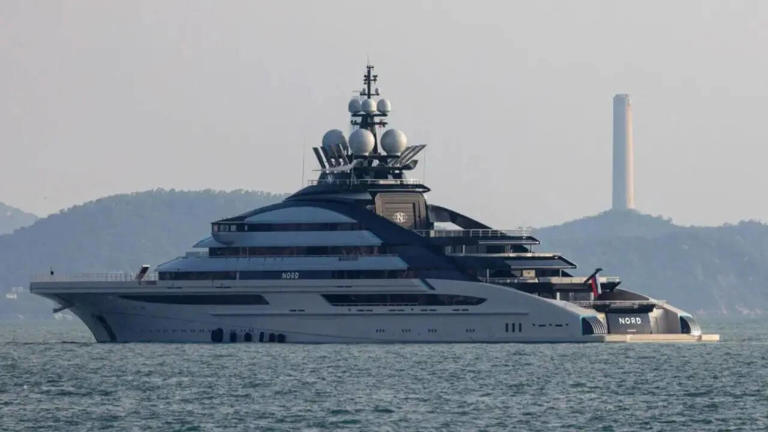
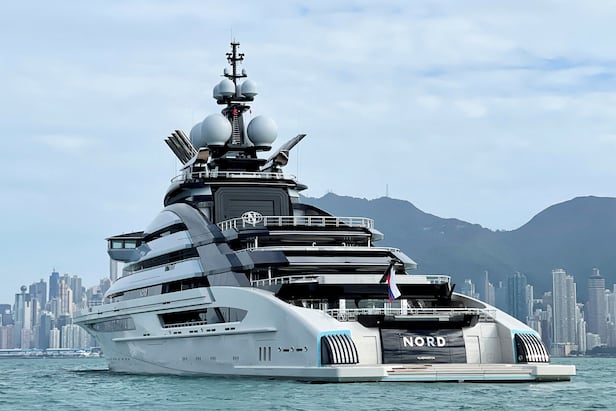
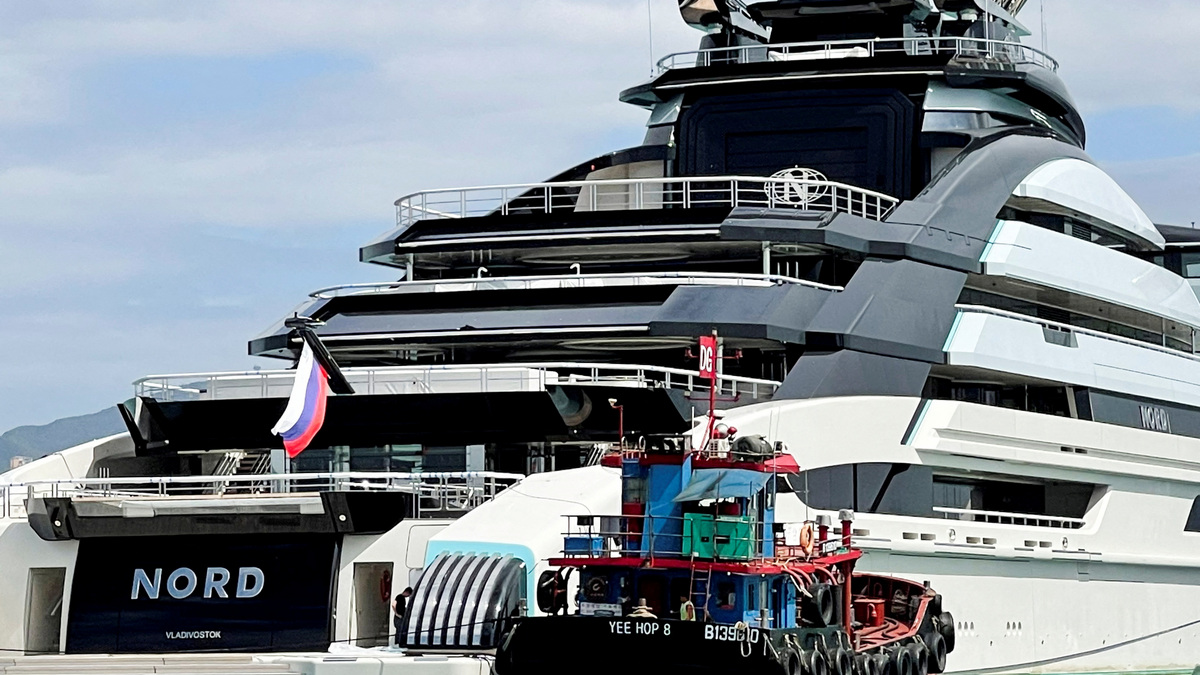
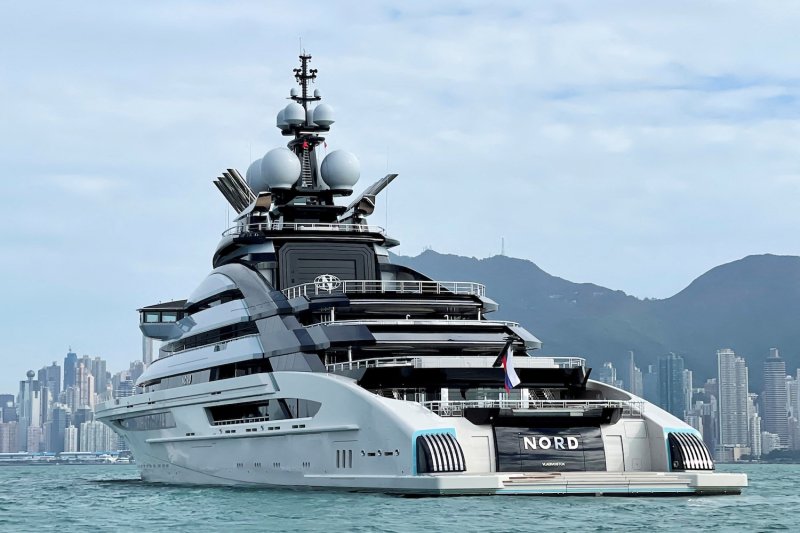
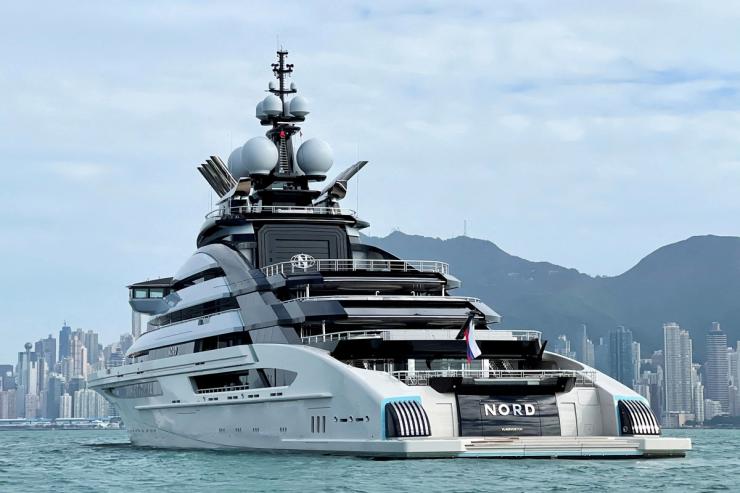
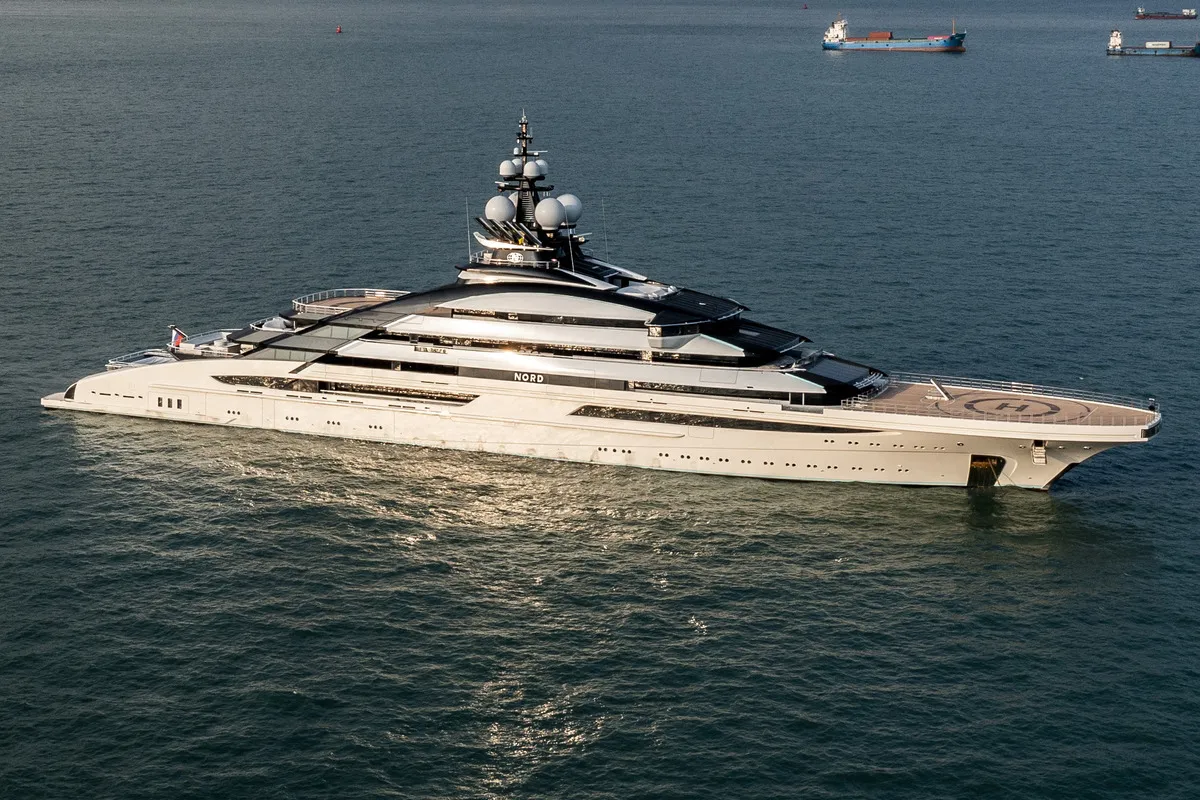
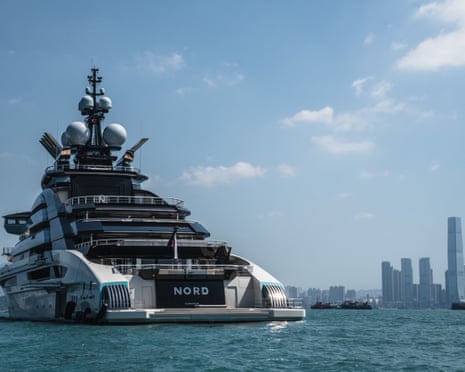
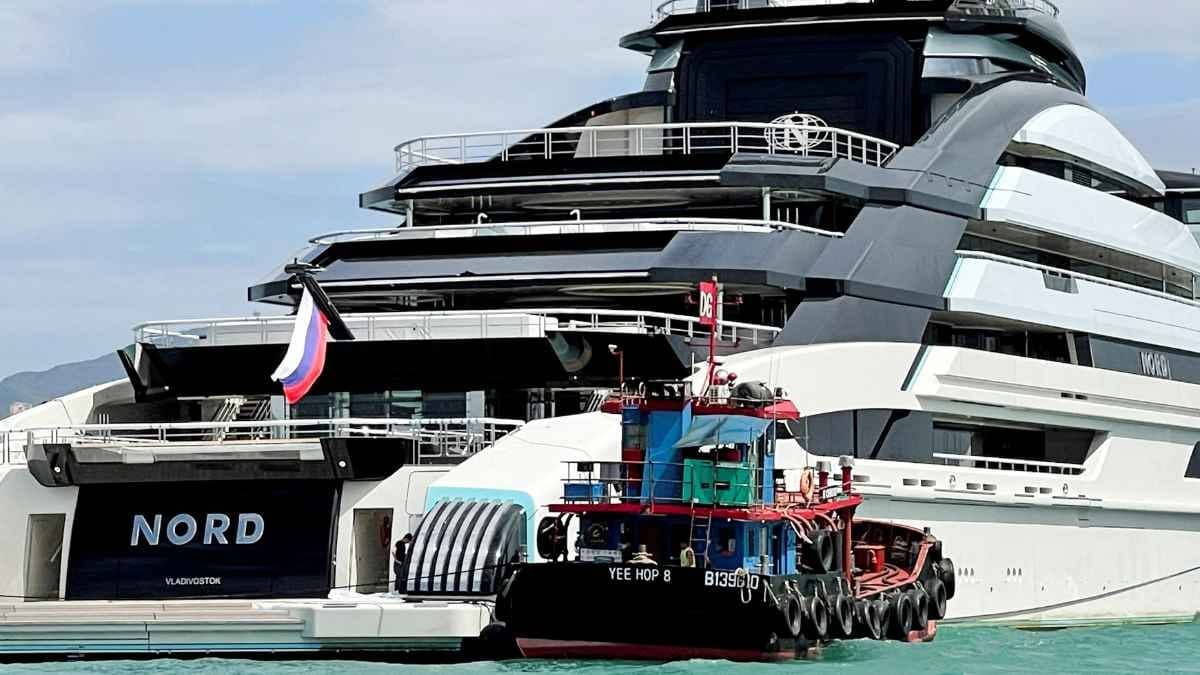
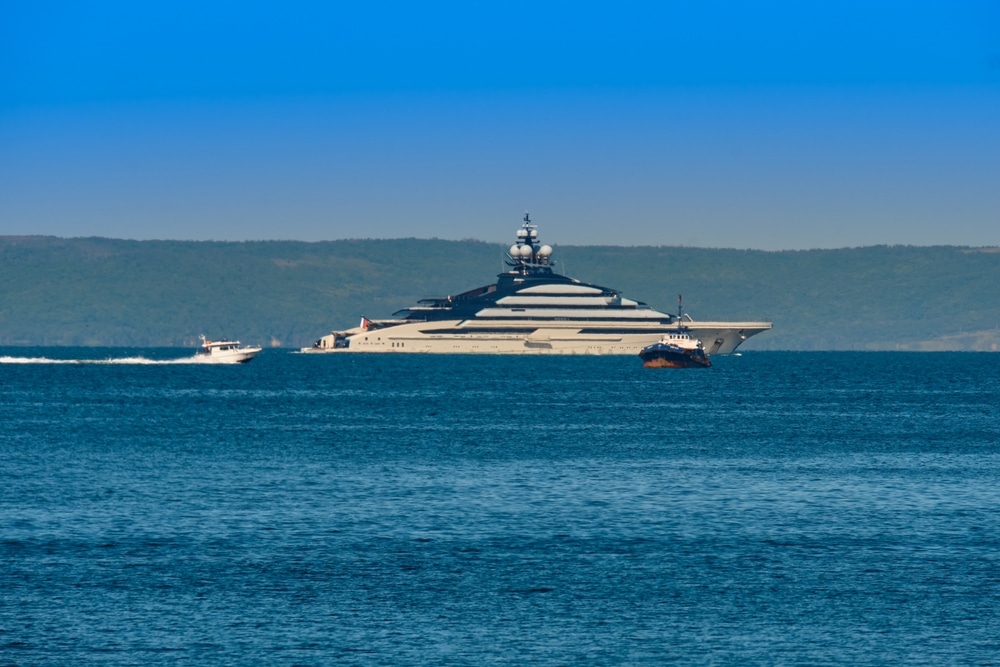
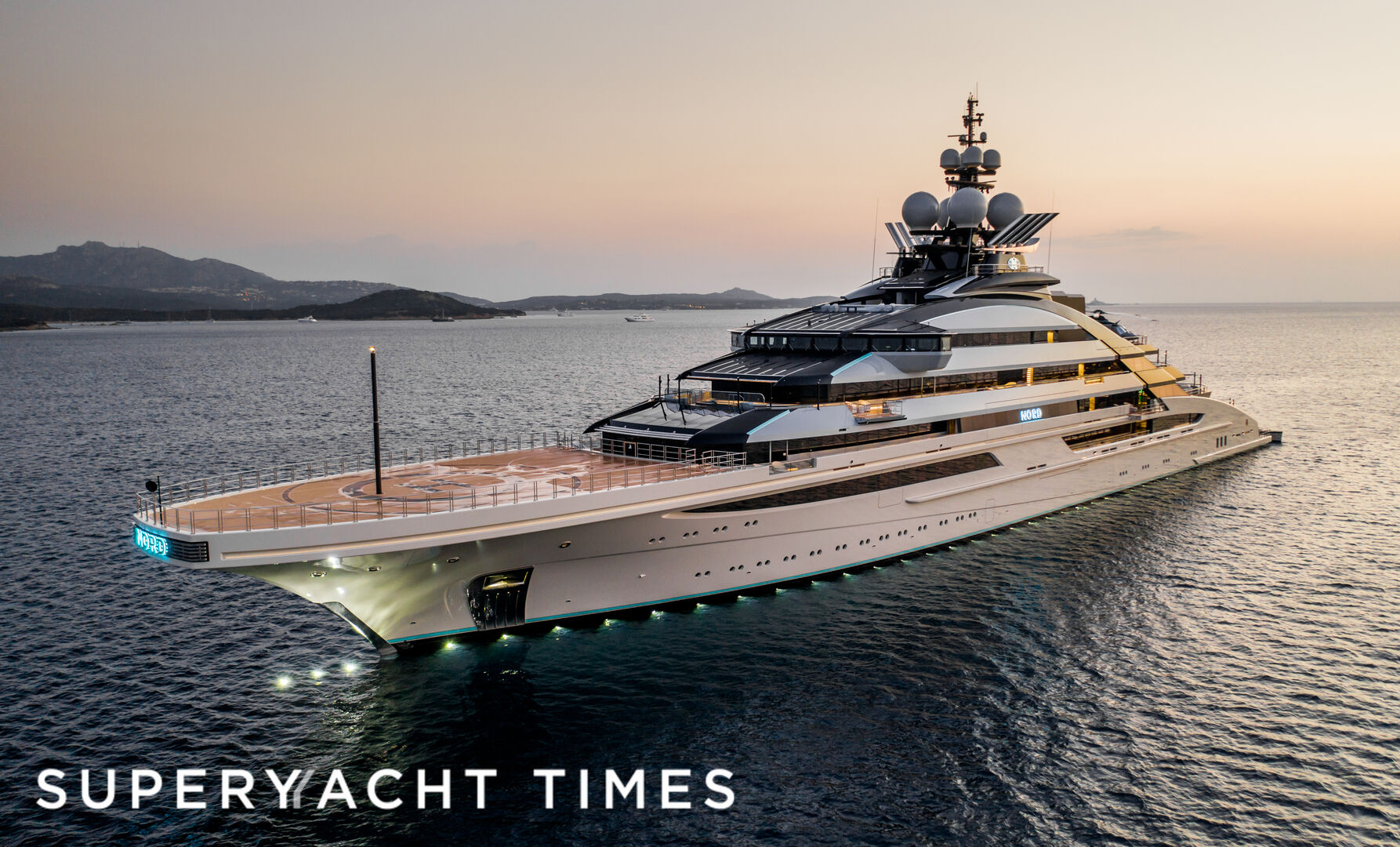
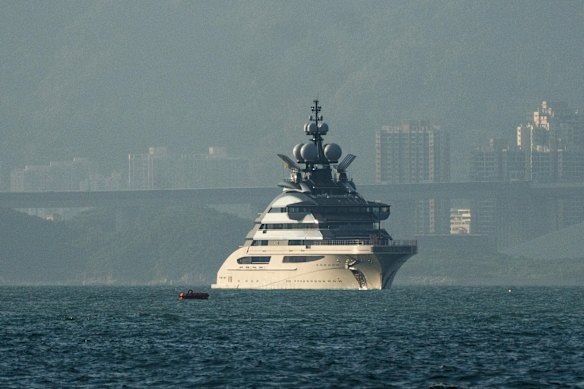
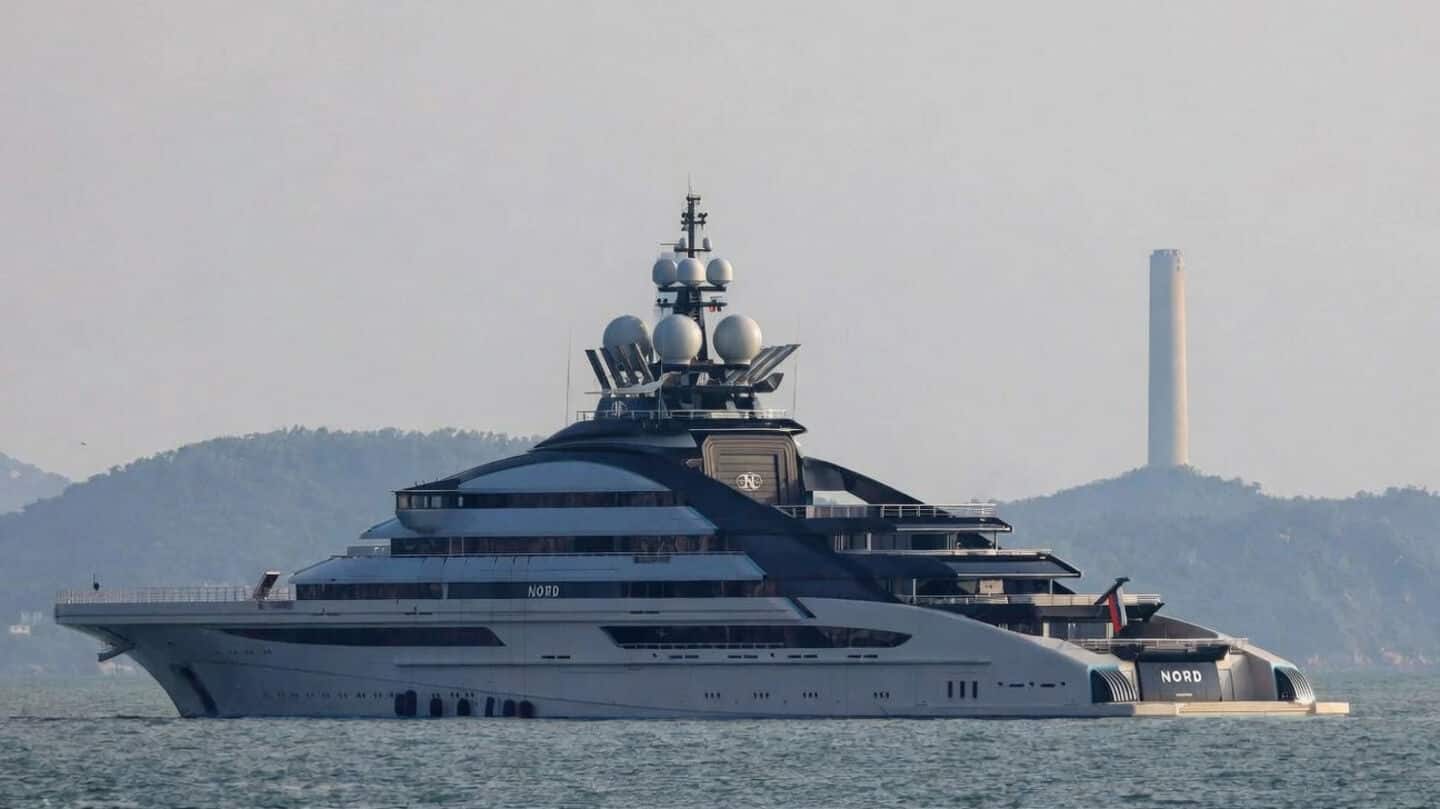
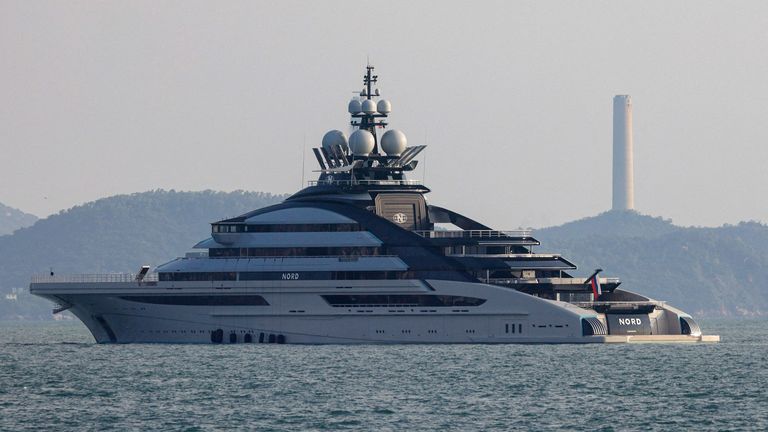
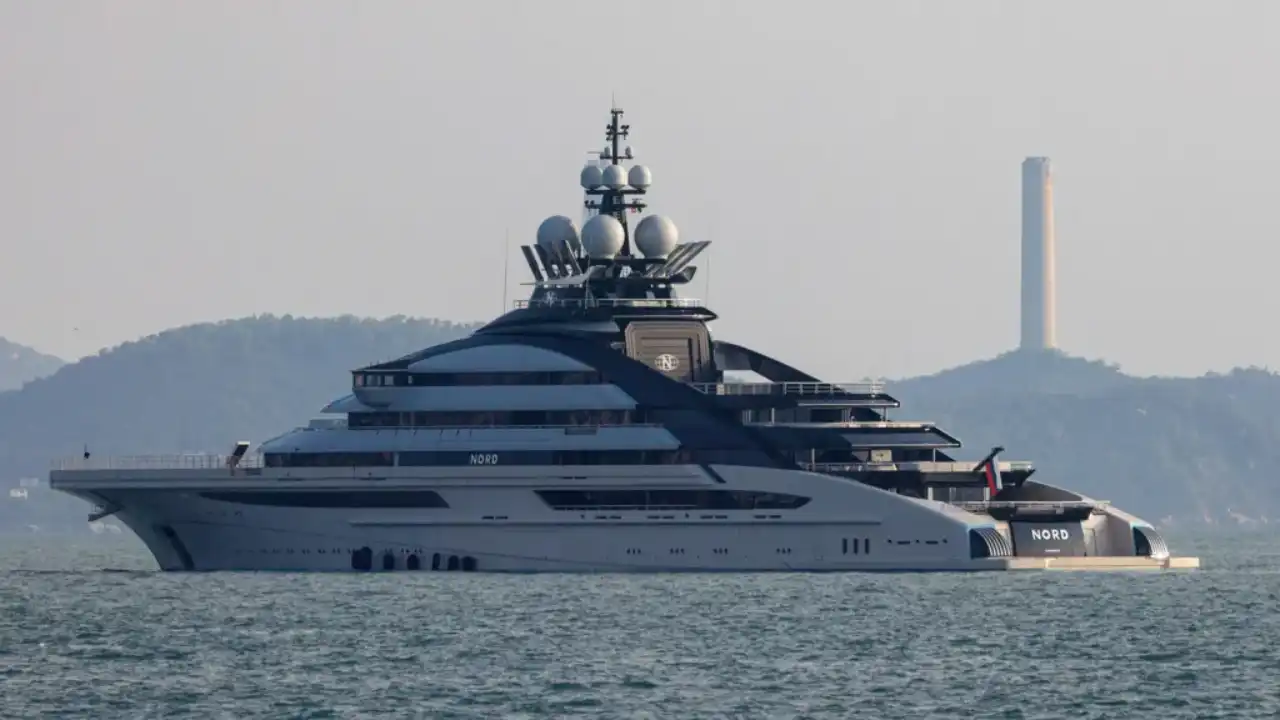
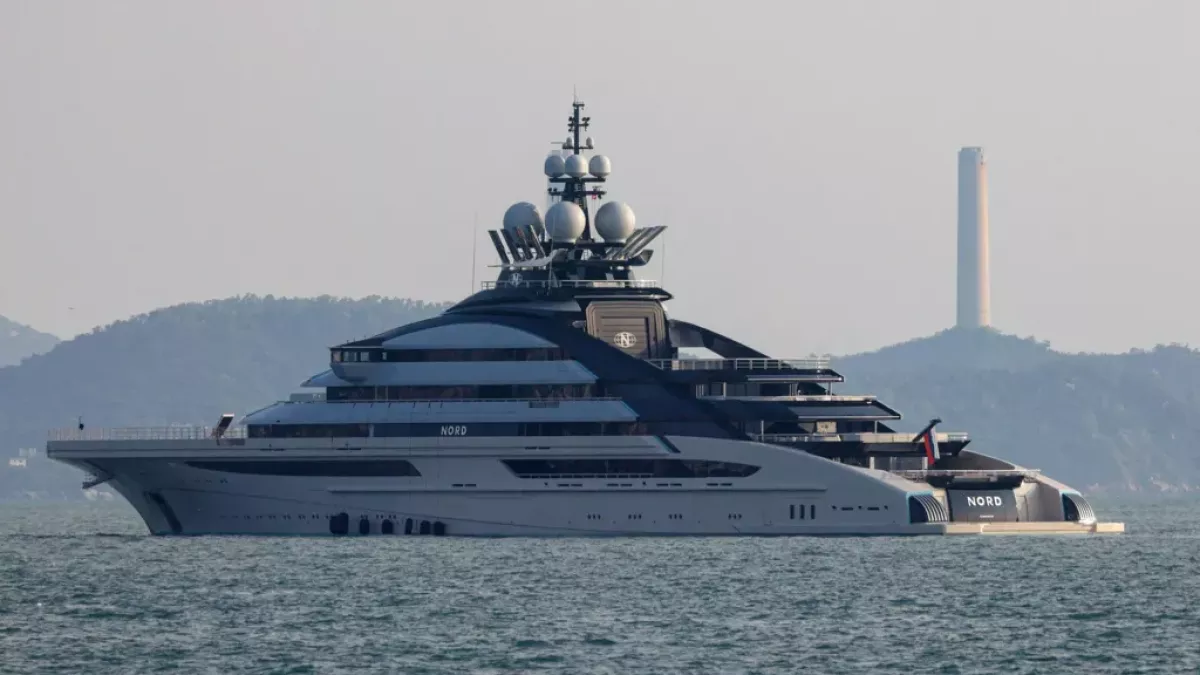
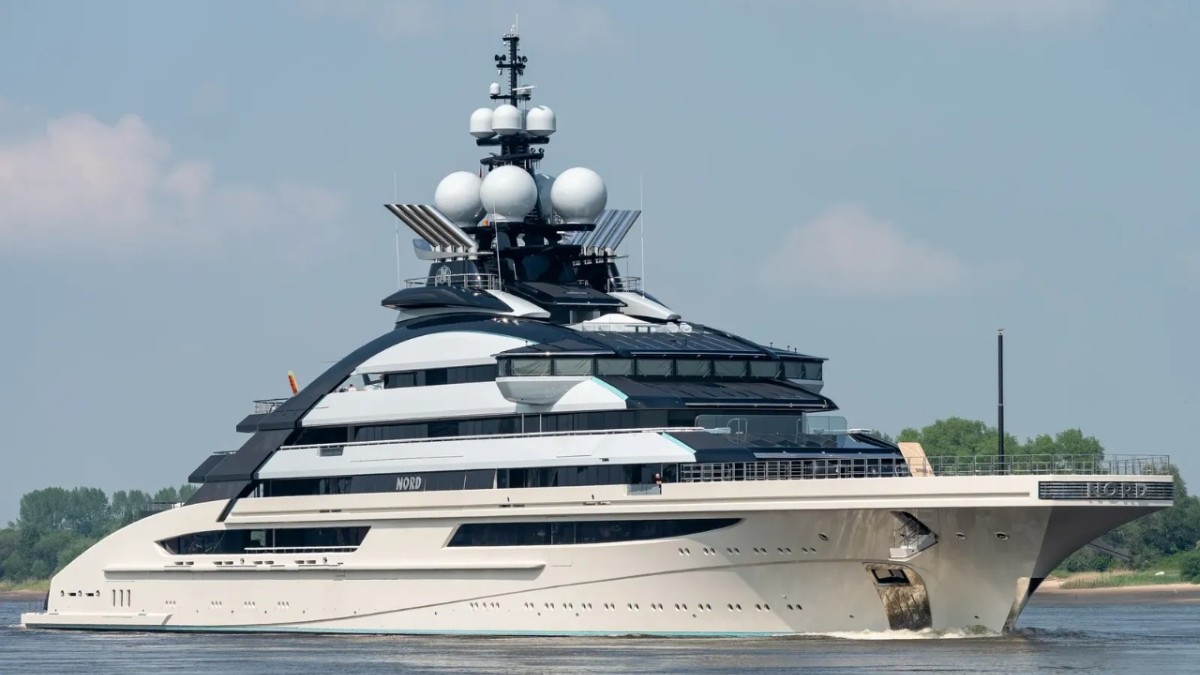
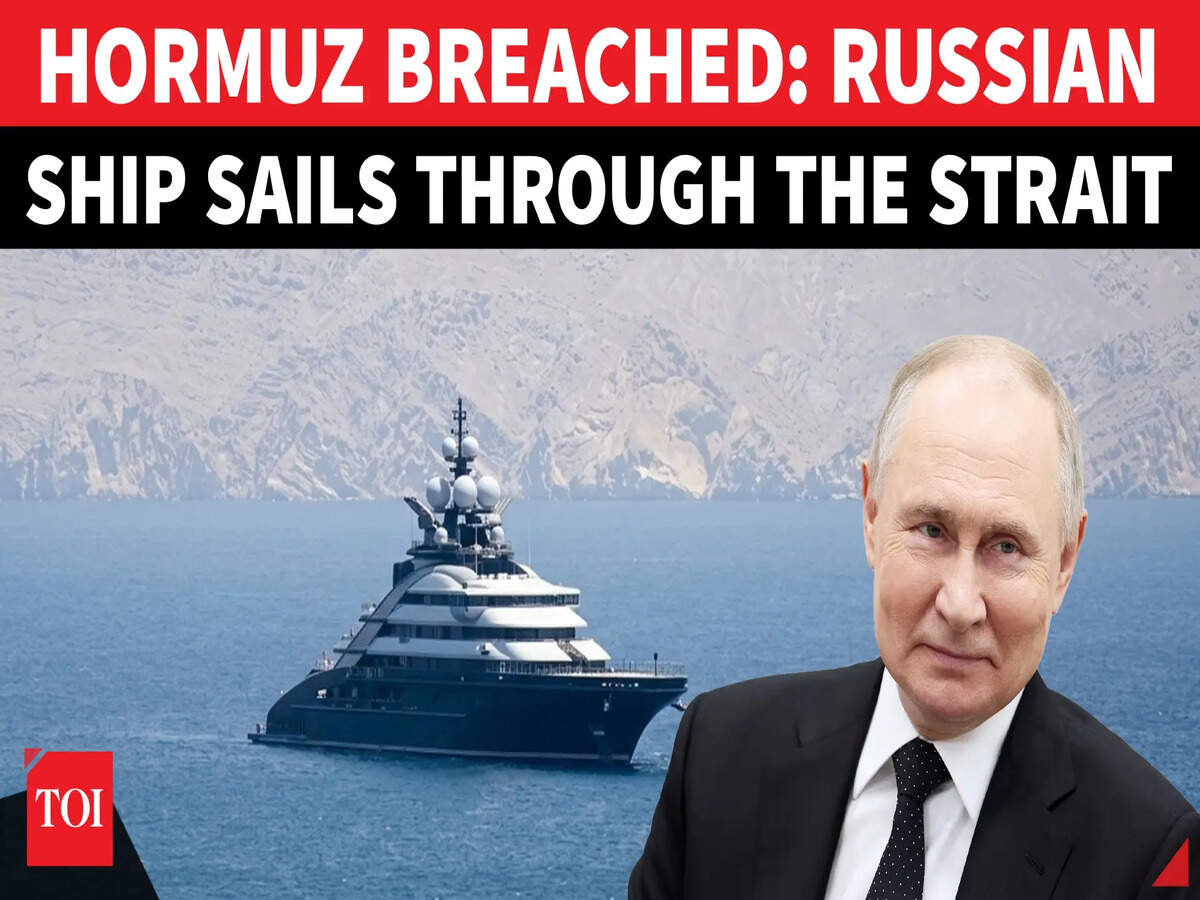
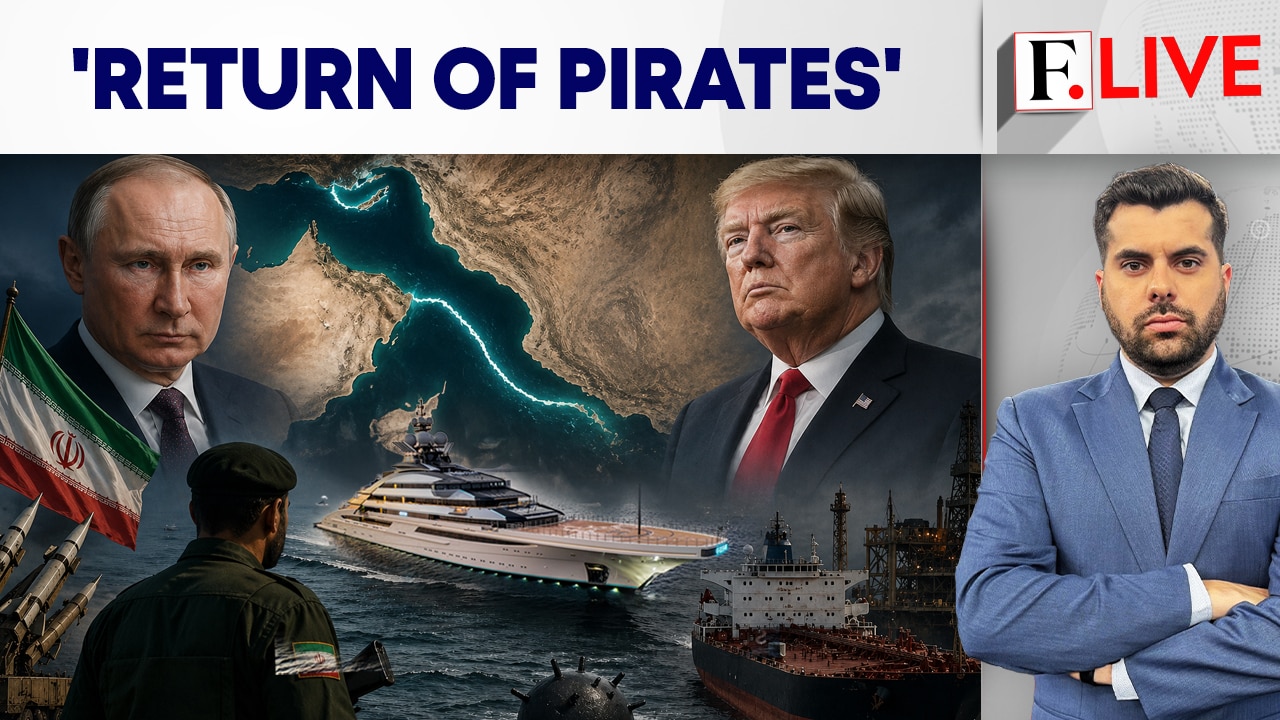
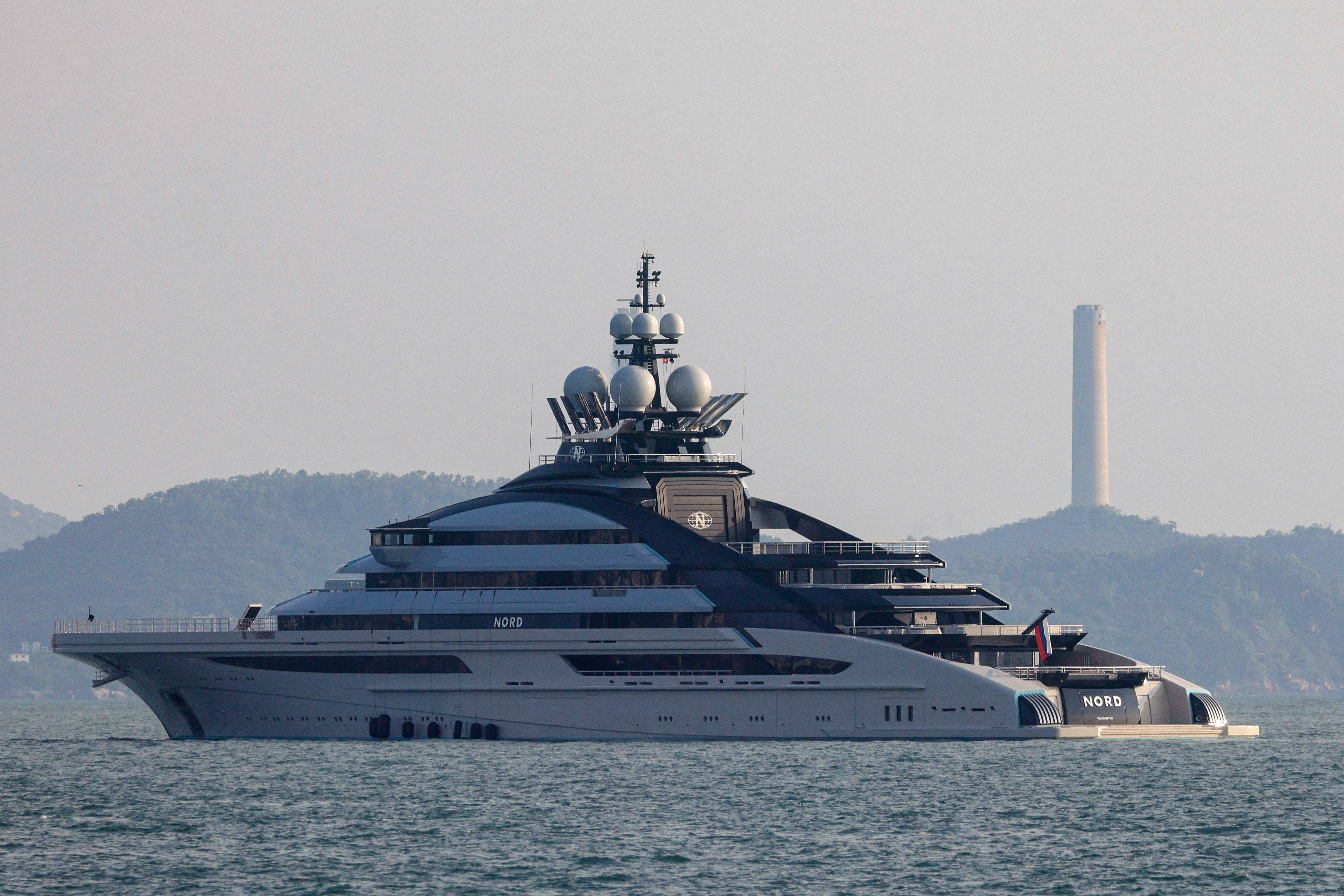
Critical Supply Chain Impact for Sellers: The news reports that only rare exceptions—like the $500M+ superyacht Nord—successfully transit the strait, signaling that standard commercial shipping faces 30-60 day delays and 15-25% freight cost premiums. For sellers sourcing electronics, textiles, machinery, and consumer goods from China, Vietnam, India, and Southeast Asia destined for European and North American markets, this creates immediate sourcing arbitrage opportunities. Tariff implications: Sellers can now justify shifting 20-40% of inventory sourcing to alternative routes (via Suez Canal alternatives, air freight, or nearshoring to Mexico/Central America), which may trigger different tariff classifications under HS codes 8471-8517 (electronics), 6204-6209 (apparel), and 8407-8409 (machinery). The Iran-Russia strategic alignment noted in the diplomatic meetings between Foreign Minister Araghchi and President Putin suggests the blockade will persist through at least Q3 2026, making this a structural, not temporary, trade disruption.
Competitive Advantage Window: Sellers who immediately diversify sourcing routes (by May 2026) gain 60-90 days of cost advantage before competitors adjust. Large 3PL providers and established sellers with multiple supplier relationships can absorb route changes; small sellers (under $500K annual revenue) relying on single Asia-Middle East corridors face 8-12% margin compression. The maritime intelligence data from VesselFinder.com and Kpler tracking services indicates that approved vessels follow specific routes near Larak Island, suggesting that sellers with customs brokers in UAE/Oman ports may negotiate expedited clearances for non-sanctioned goods, creating a temporary compliance arbitrage. Sanctions compliance risk: Sellers must verify that sourcing partners have no connections to sanctioned Russian oligarchs (like Mordashov's steel operations) or Iranian entities, as the news demonstrates that even civilian vessels face scrutiny. This requires updated due diligence on supplier networks, particularly for sellers sourcing from Russia, Iran, or intermediaries in Dubai/Oman.
Questions 7
How does the Strait of Hormuz blockade affect shipping costs for Amazon FBA sellers?
The blockade has reduced daily merchant vessel passages from 125-140 to only a handful, creating 15-25% freight cost premiums and 30-60 day delays for goods transiting Asia-Europe routes. For sellers shipping 1,000+ units monthly via ocean freight, this translates to $2,000-5,000 monthly cost increases. Sellers should immediately evaluate air freight alternatives (40-60% premium but 7-10 day transit) or nearshoring to Mexico/Central America via USMCA tariff advantages. The news indicates this disruption will persist through at least Q3 2026 based on Iran-Russia strategic alignment, making route diversification urgent rather than optional.
Which product categories face the highest tariff impact from supply chain rerouting?
Electronics (HS codes 8471-8517), textiles/apparel (6204-6209), and machinery (8407-8409) face the most significant disruption since these categories typically source 40-60% of inventory through Asia-Middle East-Europe corridors. Rerouting via nearshoring (Mexico/Central America) triggers USMCA tariff advantages (0-5% vs. 12-18% standard rates), potentially saving 8-12% on landed costs. However, sellers must verify suppliers have no sanctions connections, as the news highlights that even civilian vessels face scrutiny for Russian oligarch or Iranian entity links. Conduct updated due diligence on all supplier networks by May 2026.