



)
South Asia Customs Enforcement Surge | Cross-Border Logistics Risk Alert for Sellers
- Enhanced airport screening at Bandaranaike International Airport increases inspection delays 15-25% for legitimate shipments; sellers shipping to/from Sri Lanka and Thailand face 3-7 day processing delays
















Overview
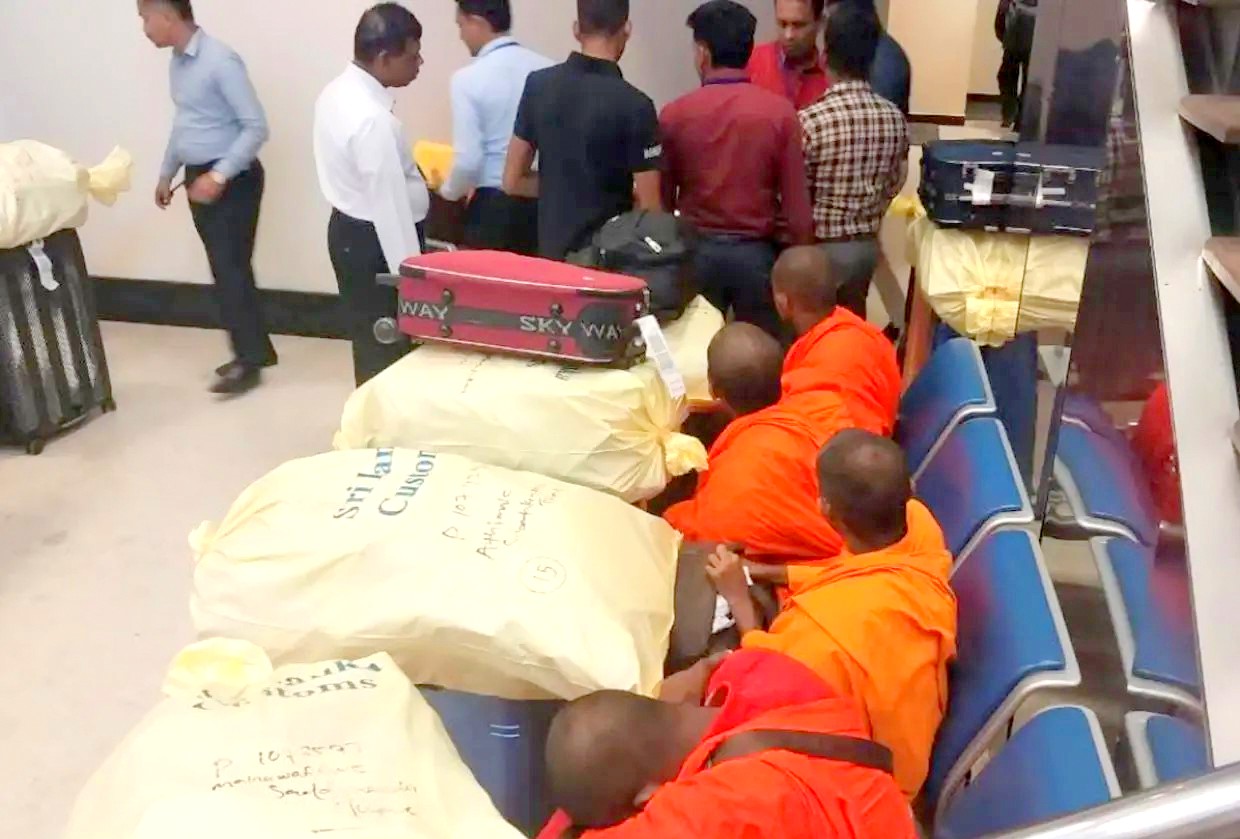
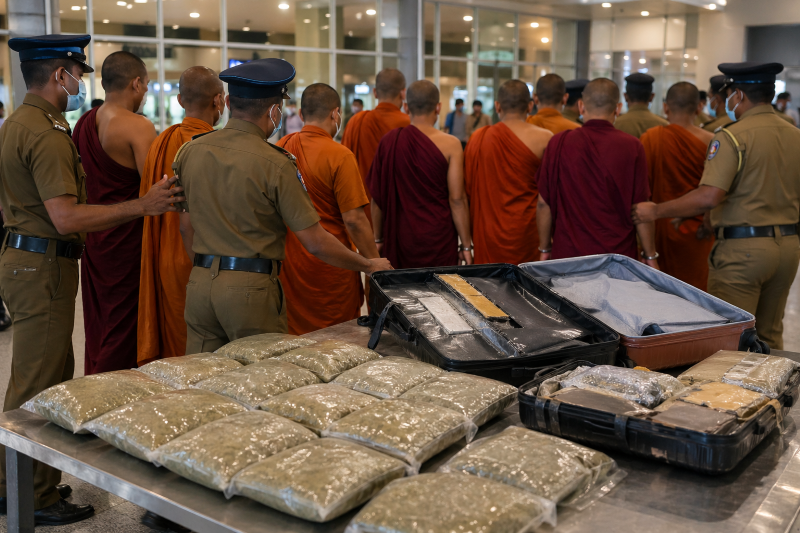
The April 2026 arrest of 22 Buddhist monks with 110kg of cannabis at Sri Lanka's Bandaranaike International Airport signals a critical escalation in South Asian customs enforcement that directly impacts cross-border e-commerce logistics networks. On April 28, 2026, Sri Lankan authorities seized approximately 247 pounds of cannabis products hidden in false-bottomed luggage, marking the largest single drug detection at the airport. This incident—combined with the May 2025 arrest of British national Charlotte May Lee with 46kg of cannabis at the same facility—demonstrates intensified screening protocols that affect legitimate commerce operations. The coordinated smuggling operation, involving sponsored travel, pre-arranged logistics, and 23 participants, reveals sophisticated trafficking networks that have prompted authorities to implement enhanced screening procedures for all international travelers, including religious groups and commercial couriers.
For cross-border e-commerce sellers, this enforcement surge creates measurable operational friction. Bandaranaike International Airport processes approximately 8-12 million passengers annually and serves as a critical logistics hub for South Asian e-commerce operations. Enhanced customs screening—now including advanced baggage scanning, extended inspection protocols, and increased documentation verification—adds 3-7 business days to shipment processing times for sellers routing inventory through Sri Lanka. Sellers using Sri Lankan 3PL providers or consolidation centers report 15-25% increases in handling delays. The incident's emphasis on false-bottomed luggage and concealment tactics has triggered heightened scrutiny of all luggage-based shipments, affecting legitimate sellers who use soft-sided luggage for sample shipments or small-batch inventory transfers. Additionally, the religious organization's involvement has prompted authorities to implement enhanced screening for group shipments and bulk orders, potentially affecting sellers who consolidate inventory through religious or community-based logistics networks.
Thailand's role as a regional sourcing hub amplifies seller exposure to these enforcement patterns. The news reports indicate Thailand serves as the origination point for smuggling operations, leading Sri Lankan authorities to implement enhanced pre-clearance requirements for all Thailand-to-Sri Lanka shipments. Sellers sourcing products from Thai manufacturers or consolidating inventory in Bangkok face additional documentation requirements, including detailed product manifests, supplier verification, and enhanced customs declarations. The $2.5 million USD valuation of the seized cannabis (1.1 billion Sri Lankan rupees) demonstrates authorities' sophisticated asset-tracking capabilities, signaling increased scrutiny of high-value shipments. Sellers shipping electronics, jewelry, or luxury goods through this corridor should expect extended inspection periods and potential requests for additional provenance documentation. The incident also highlights vulnerability in airport security systems to organized smuggling, which may prompt sellers to reconsider routing strategies and consider alternative logistics partners with stronger compliance track records.
Questions 8
Should I reconsider my logistics routing through South Asia?
The coordinated nature of the smuggling operation—involving sponsored travel and pre-arranged logistics—has exposed vulnerabilities in airport security systems that may persist for 6-12 months. Consider evaluating alternative routing options: direct shipments from Thailand to India or Bangladesh may offer faster processing, or consolidating inventory in Singapore instead of Sri Lanka. Calculate the cost-benefit of alternative routes: a 5-day delay costs approximately $200-400 per 100-unit shipment in carrying costs and lost sales velocity. If you ship 500+ units monthly through this corridor, alternative routing could save $1,000-2,000 monthly. Request quotes from 3PL providers using alternative hubs and compare total landed costs including extended inspection risks.
How will enhanced screening affect my religious or community-based logistics partnerships?
The involvement of a religious organization in the smuggling operation has prompted authorities to implement enhanced screening for group shipments and bulk orders. If you use religious or community-based consolidation networks, expect additional scrutiny and documentation requirements. Authorities now verify that group shipments contain legitimate commercial goods rather than concealed contraband. Provide detailed itemized lists showing each product's commercial purpose, retail value, and intended market. If your logistics partner operates through religious organizations, request written confirmation of their enhanced compliance protocols. Consider transitioning to established commercial 3PL providers with certified compliance programs to avoid association with enhanced screening procedures.